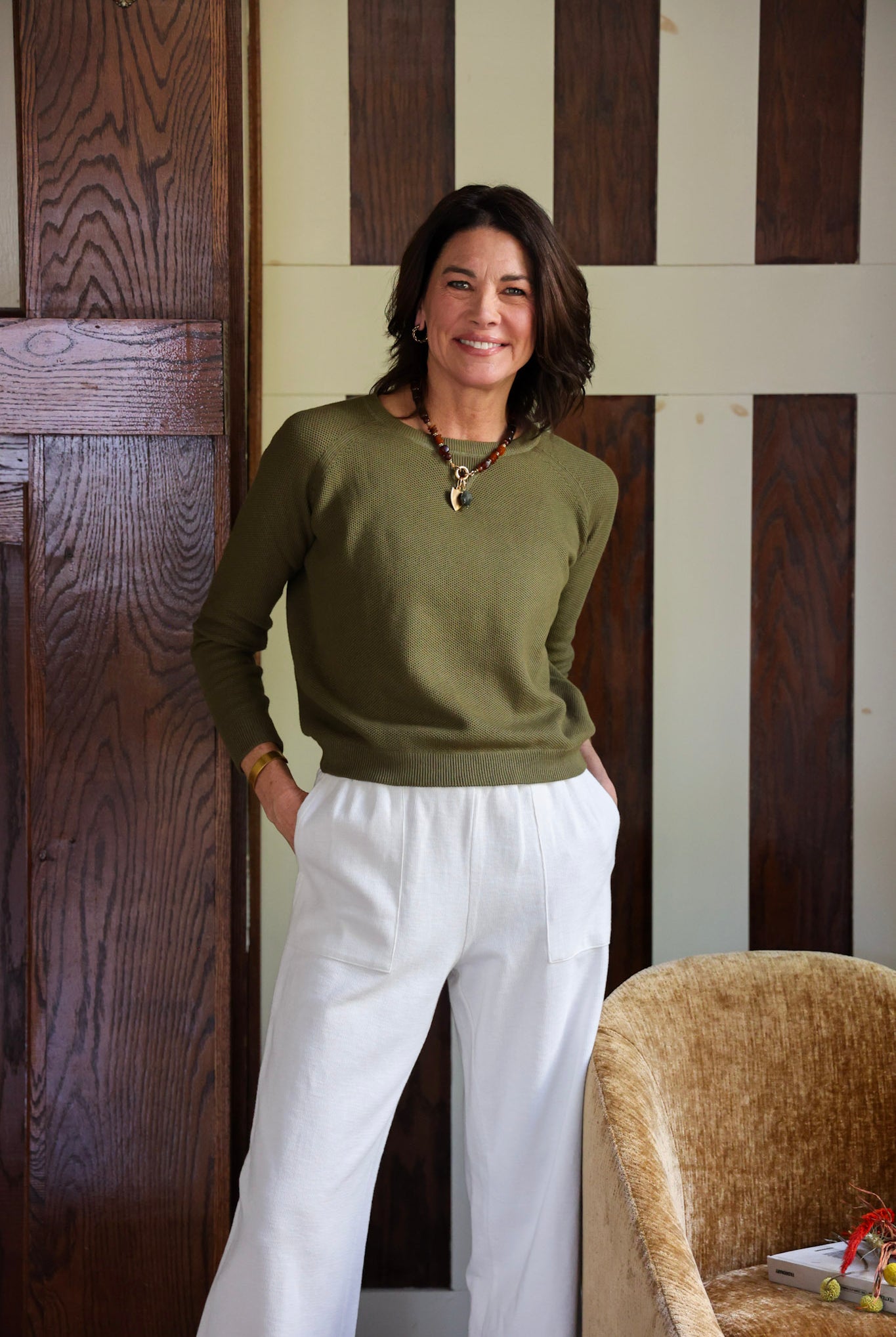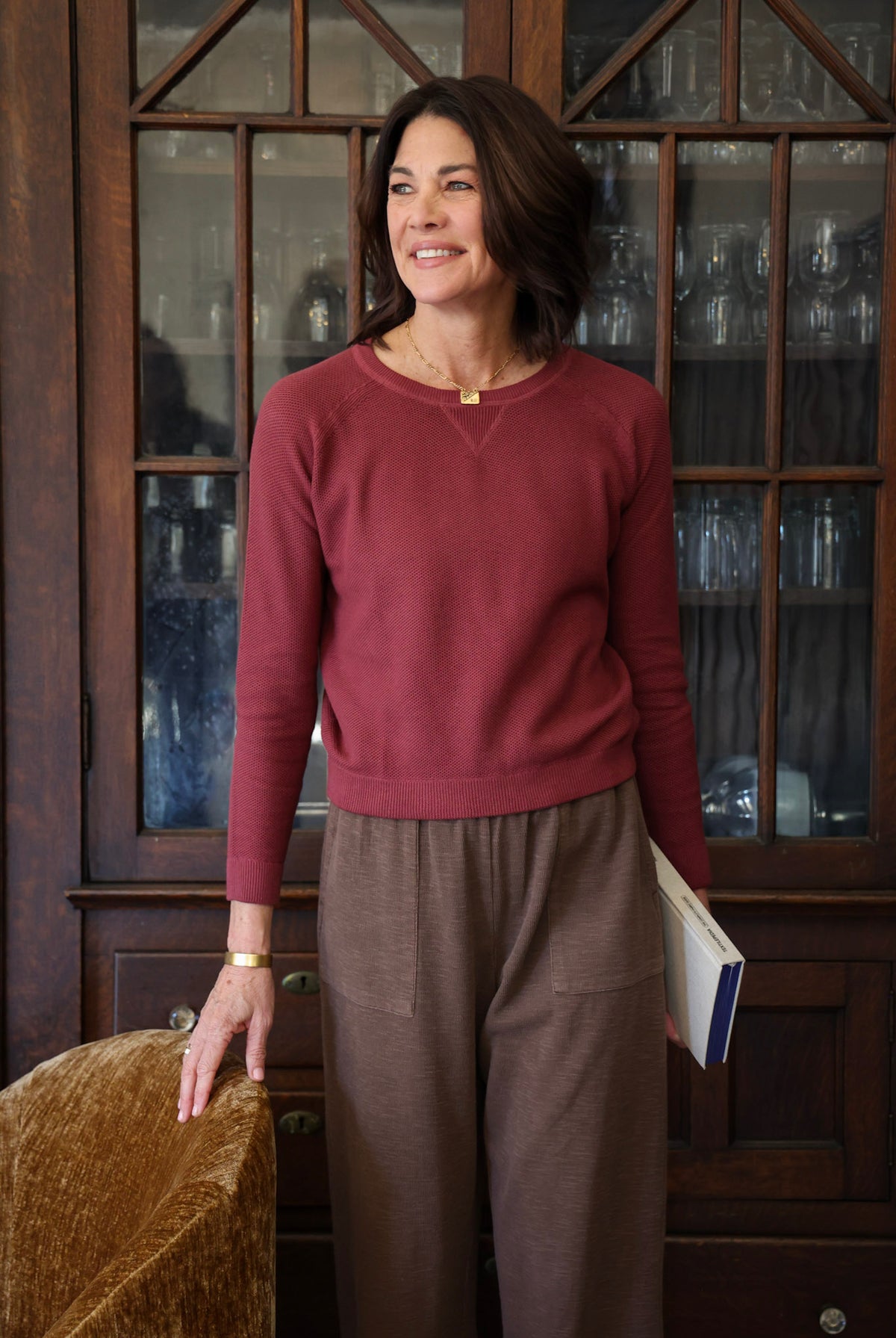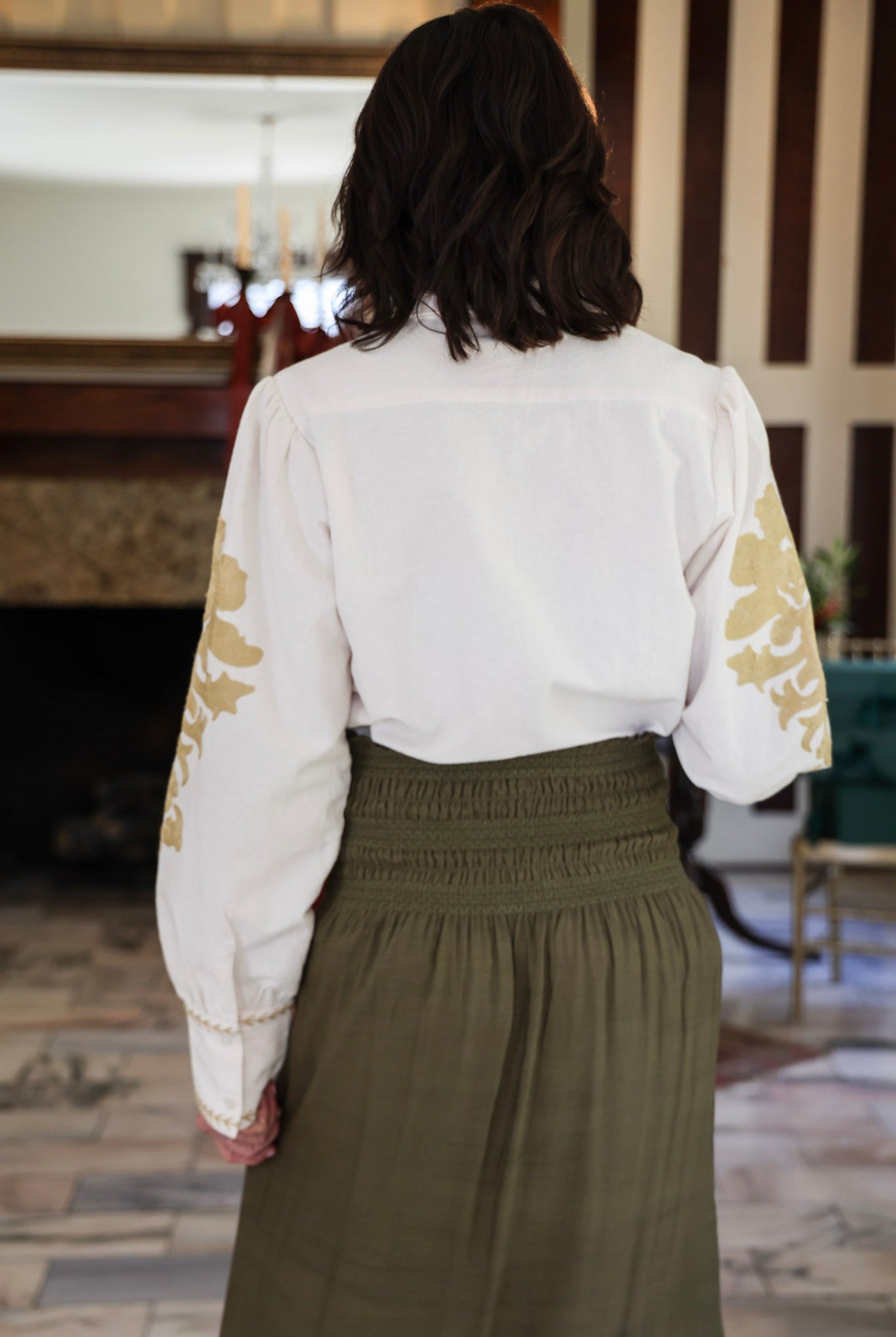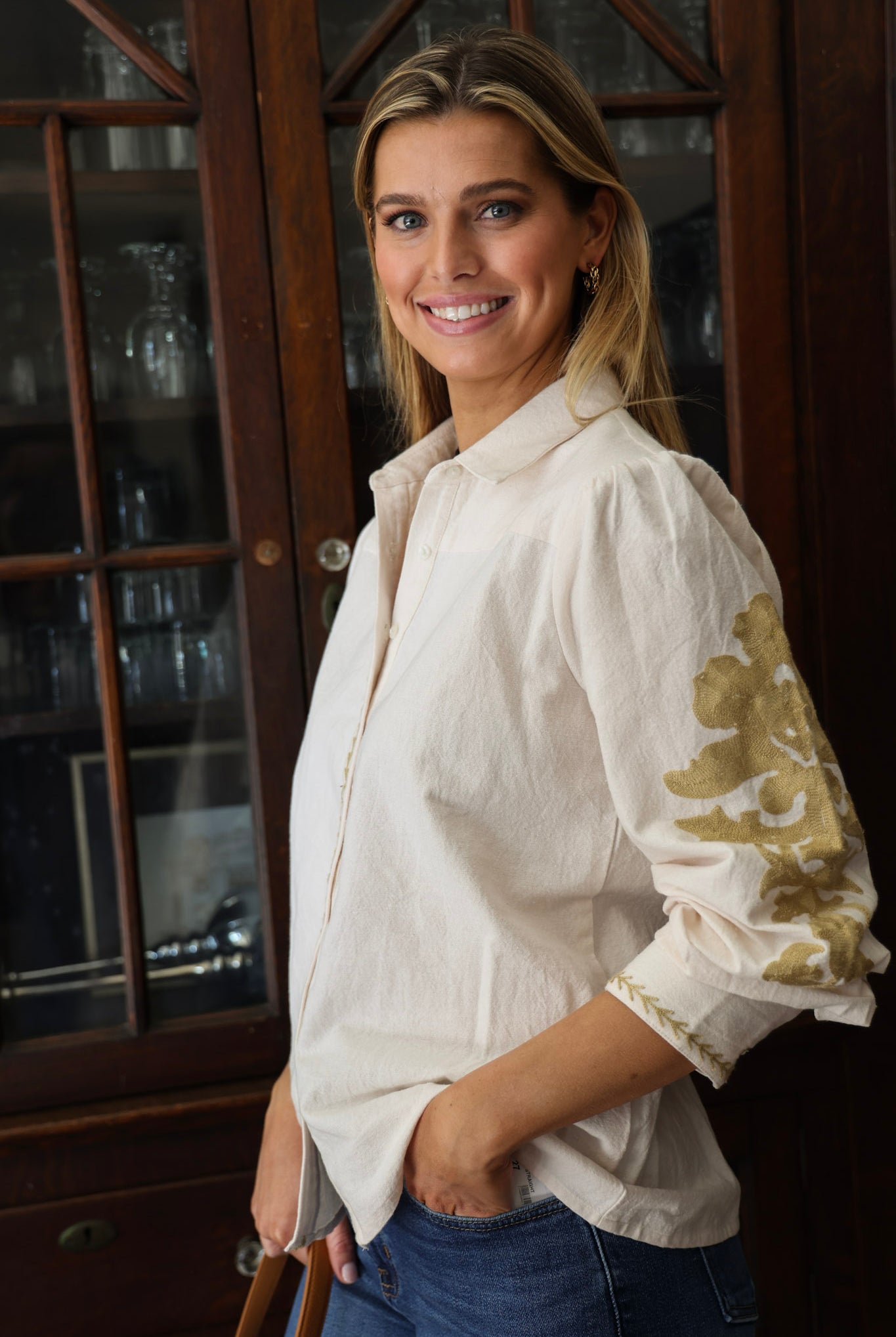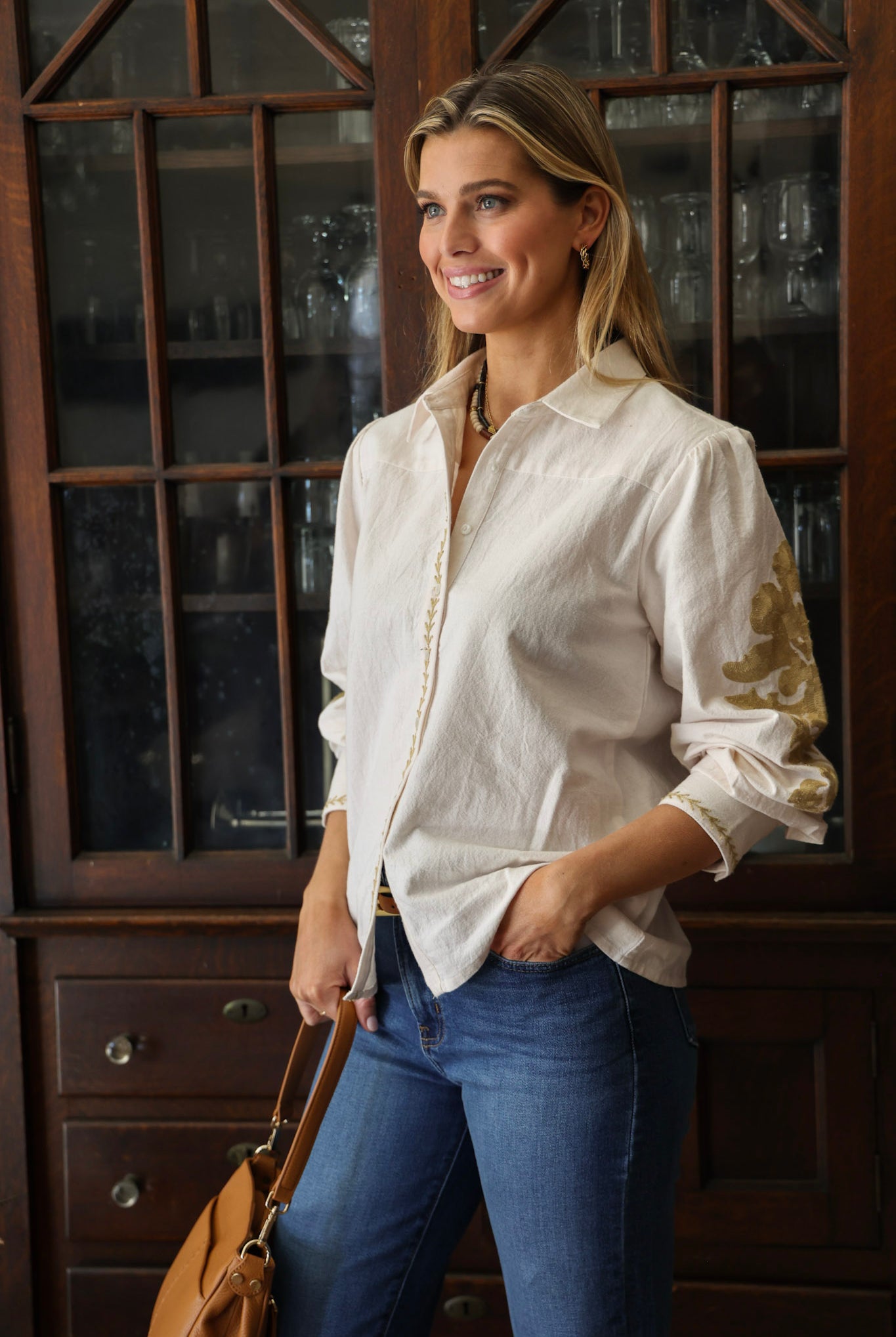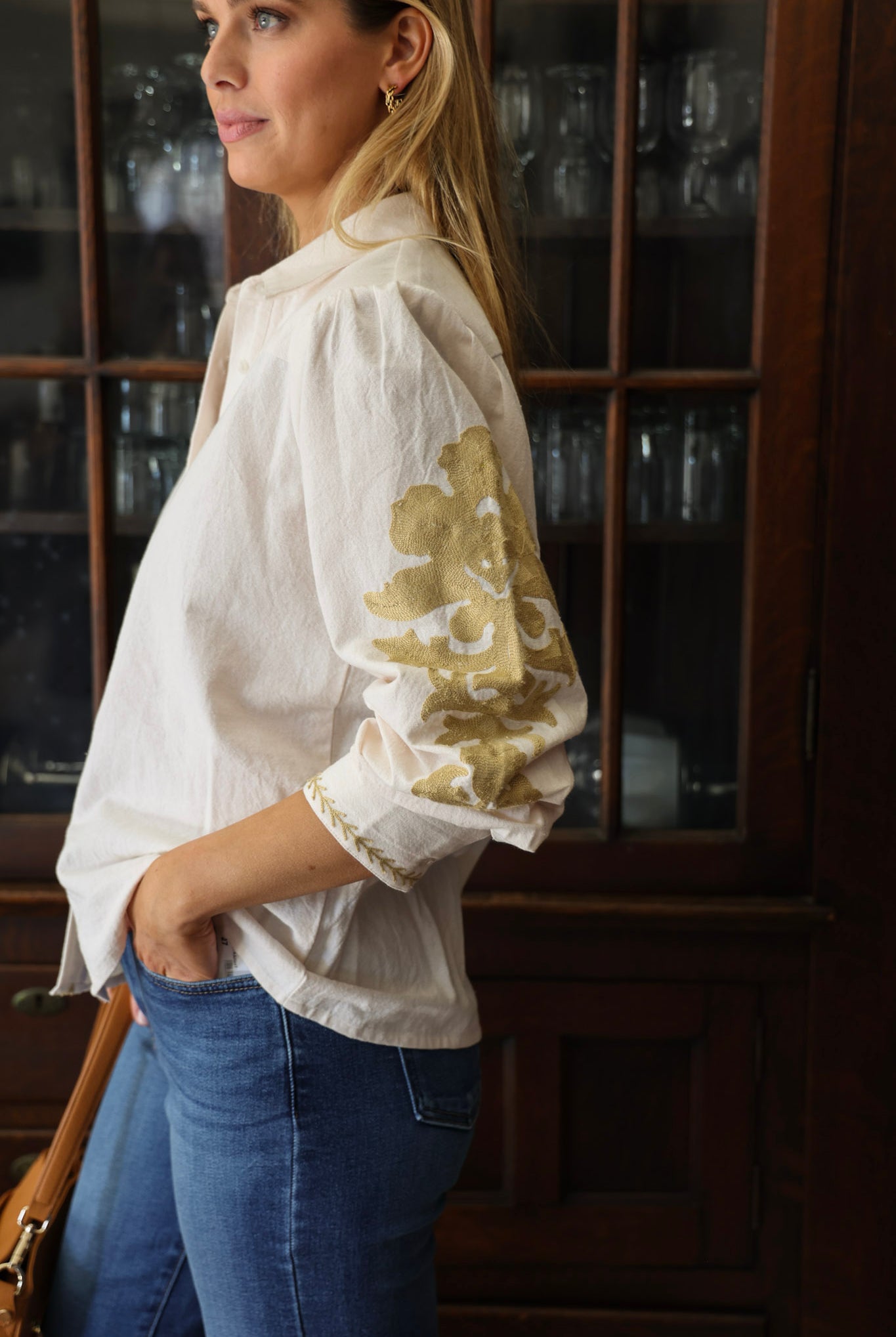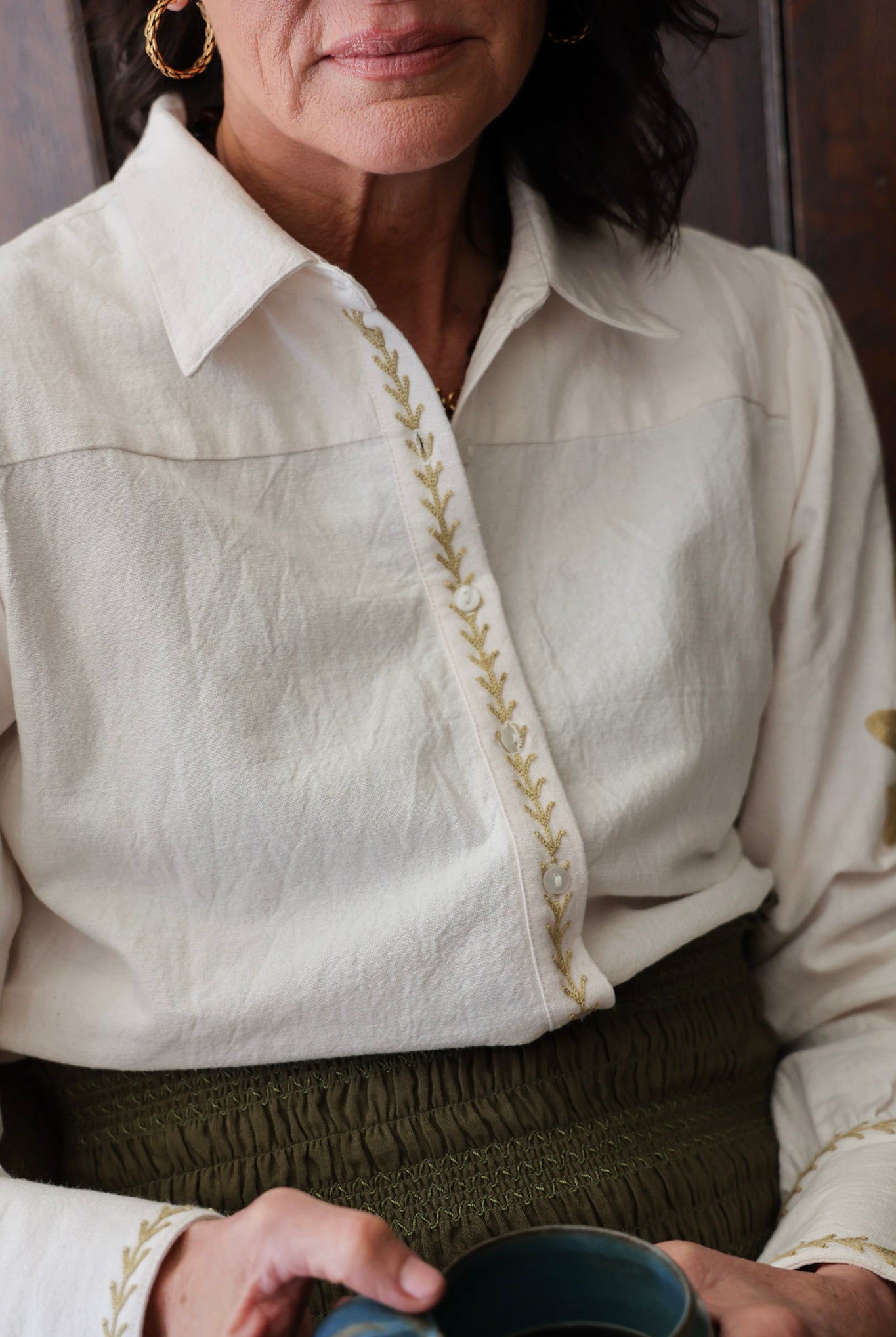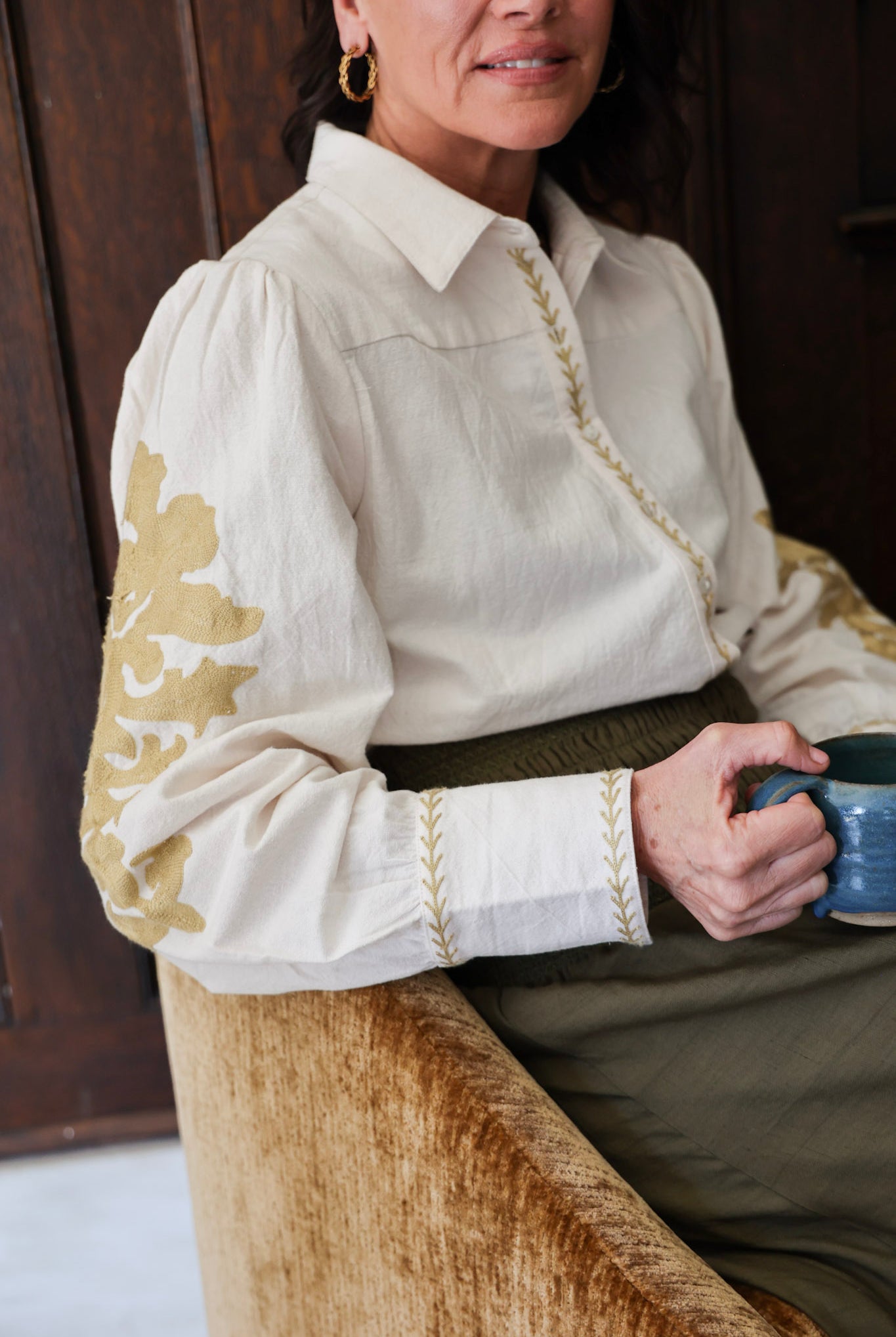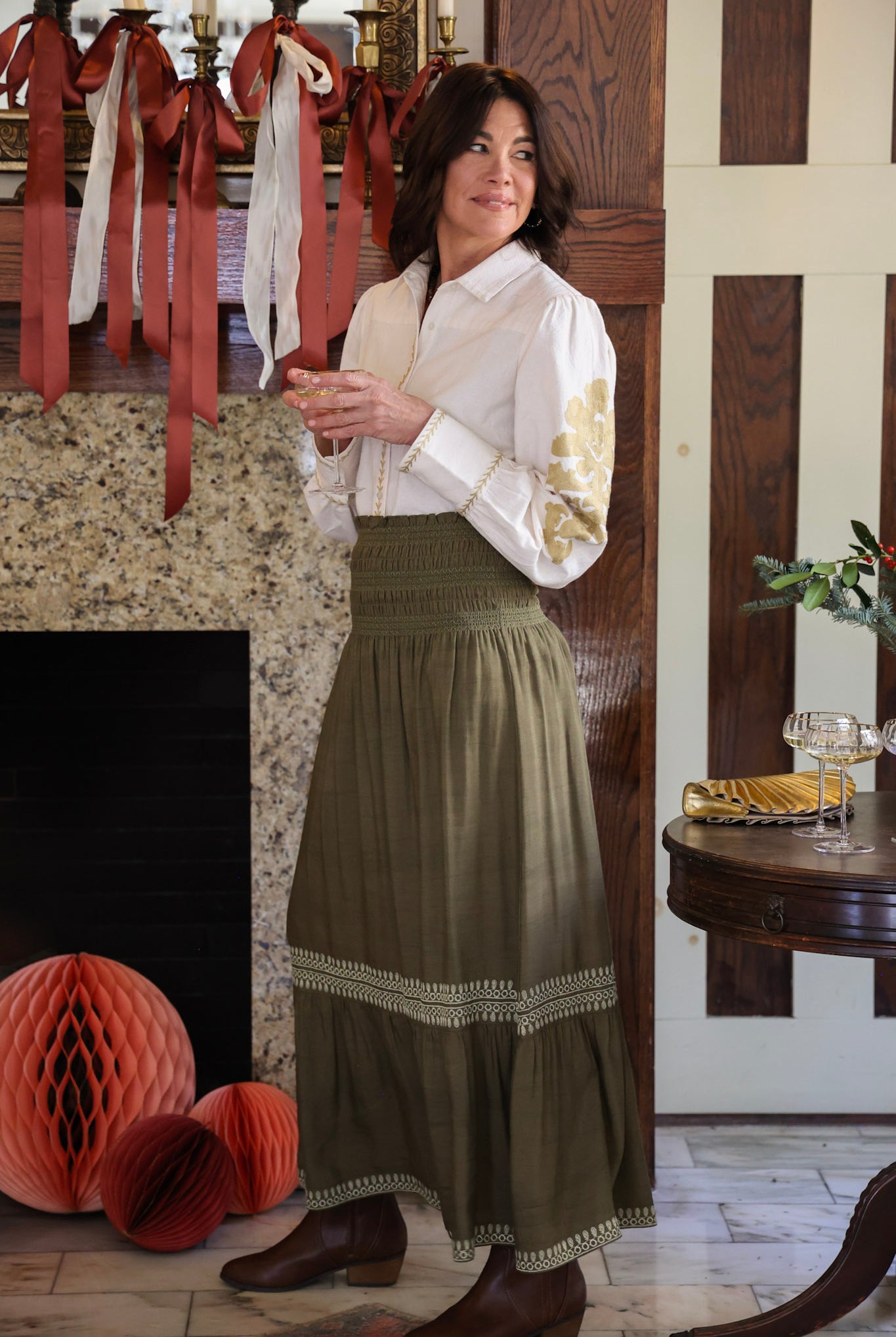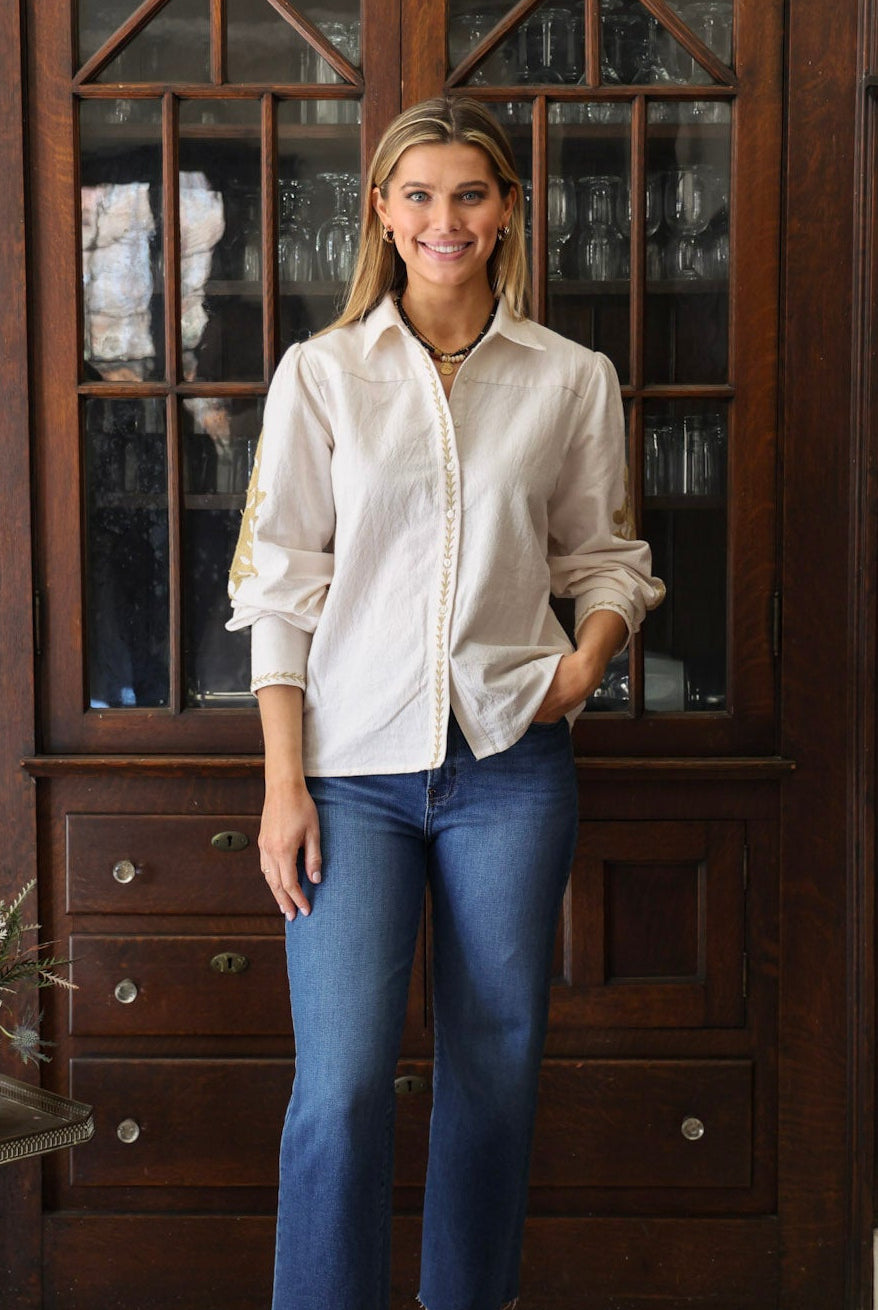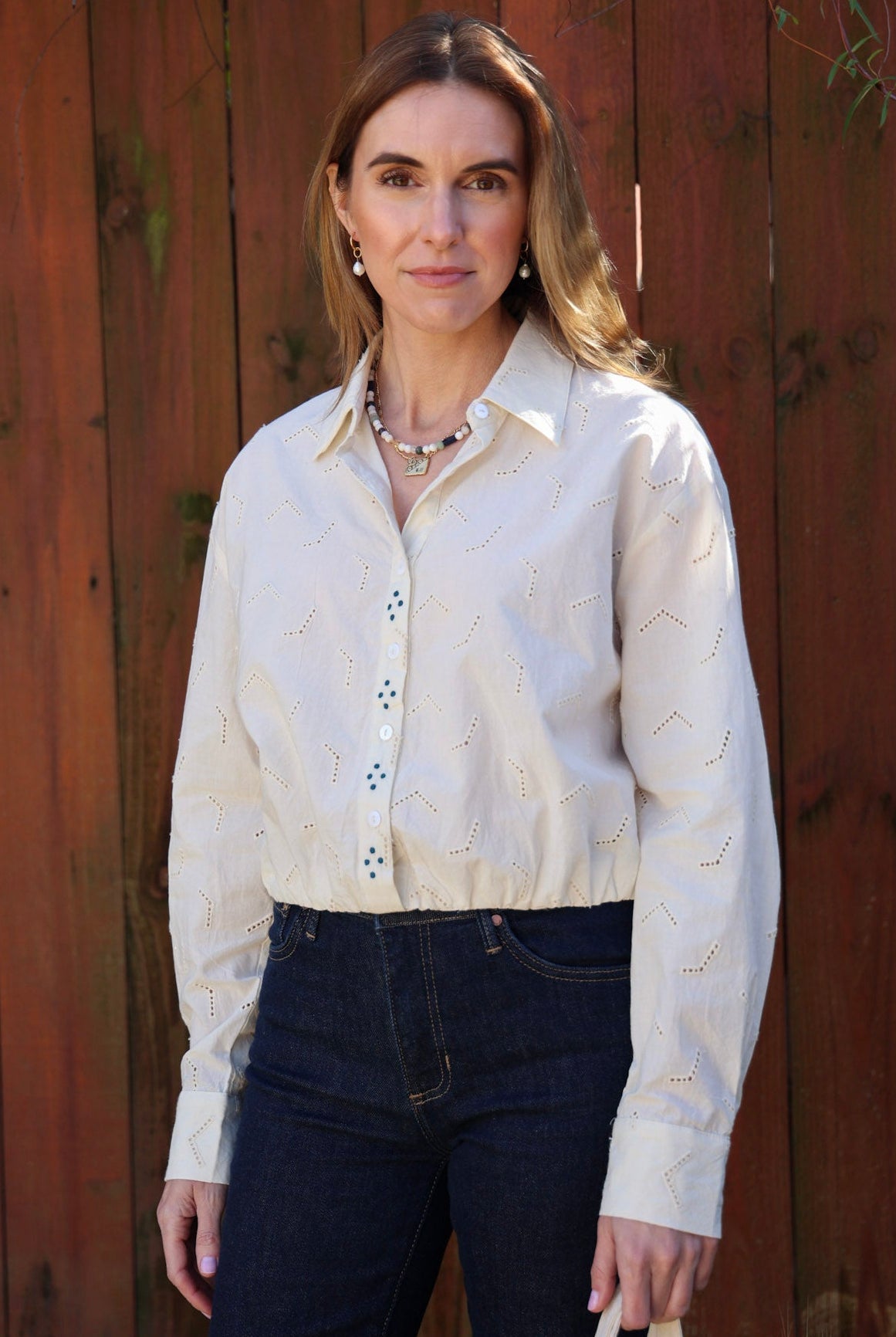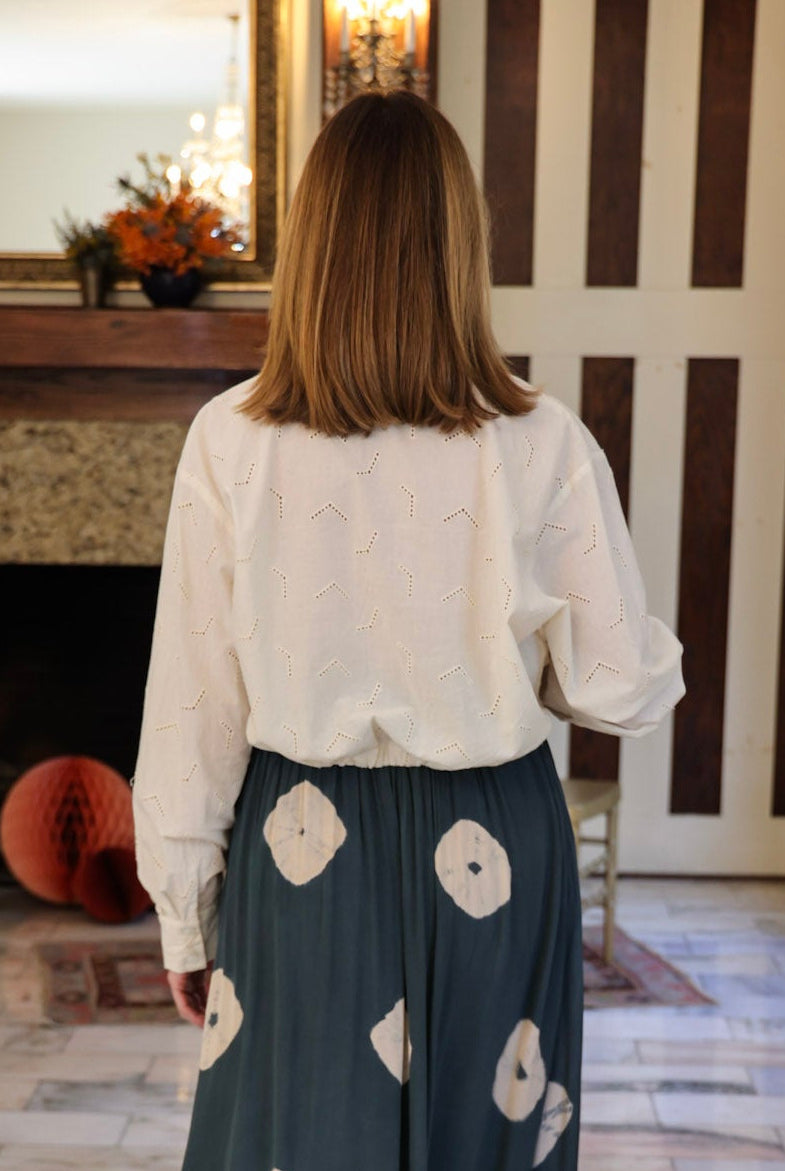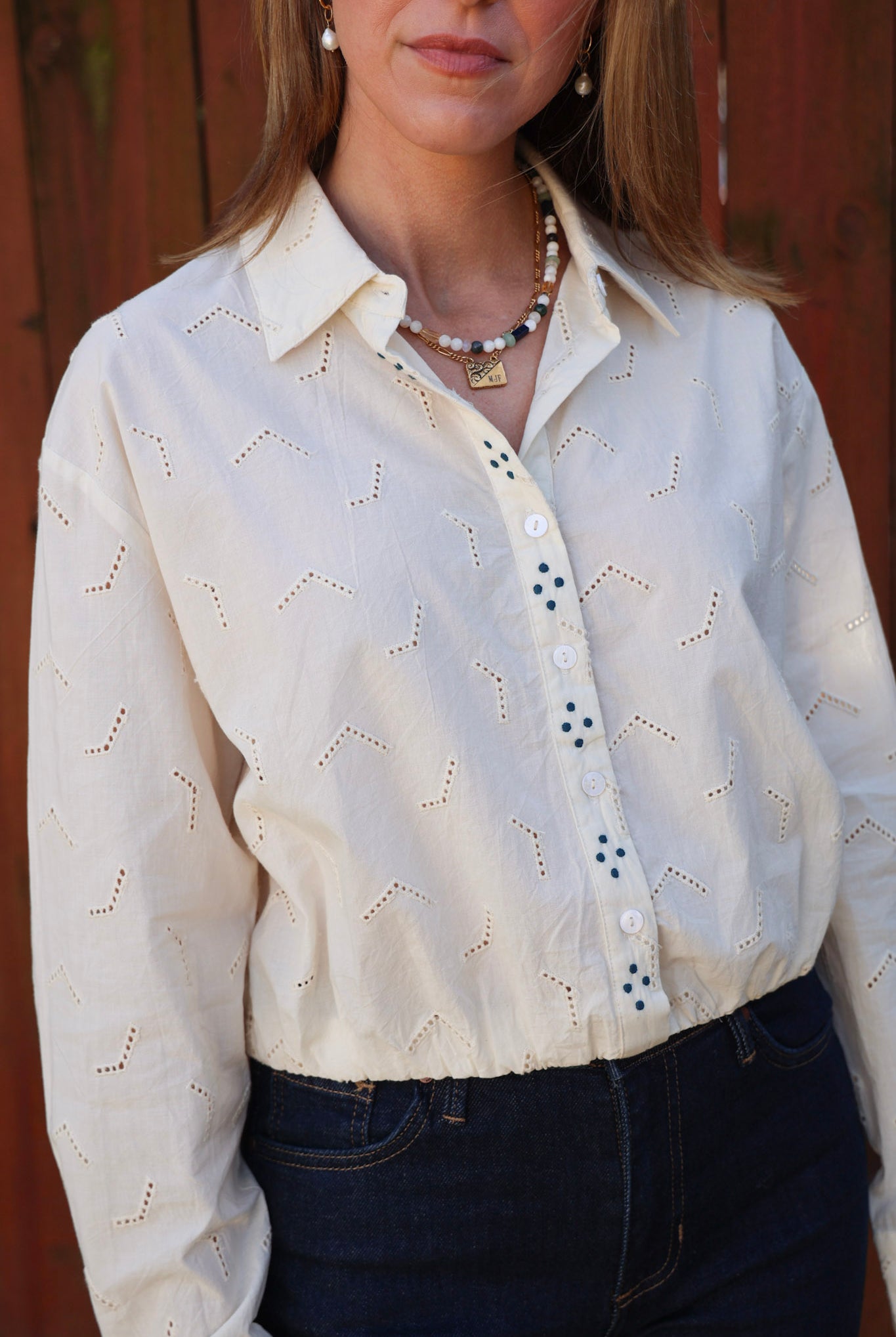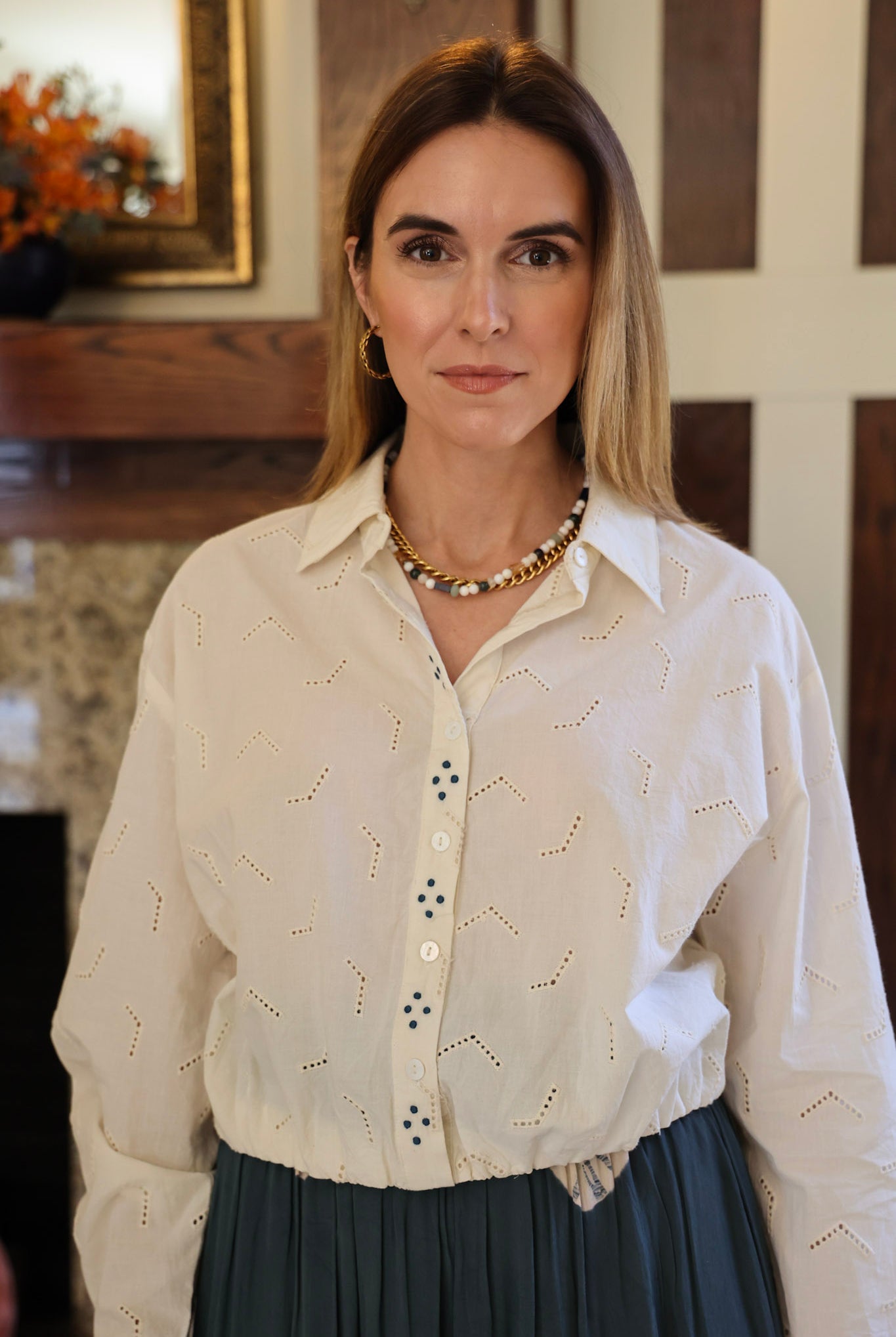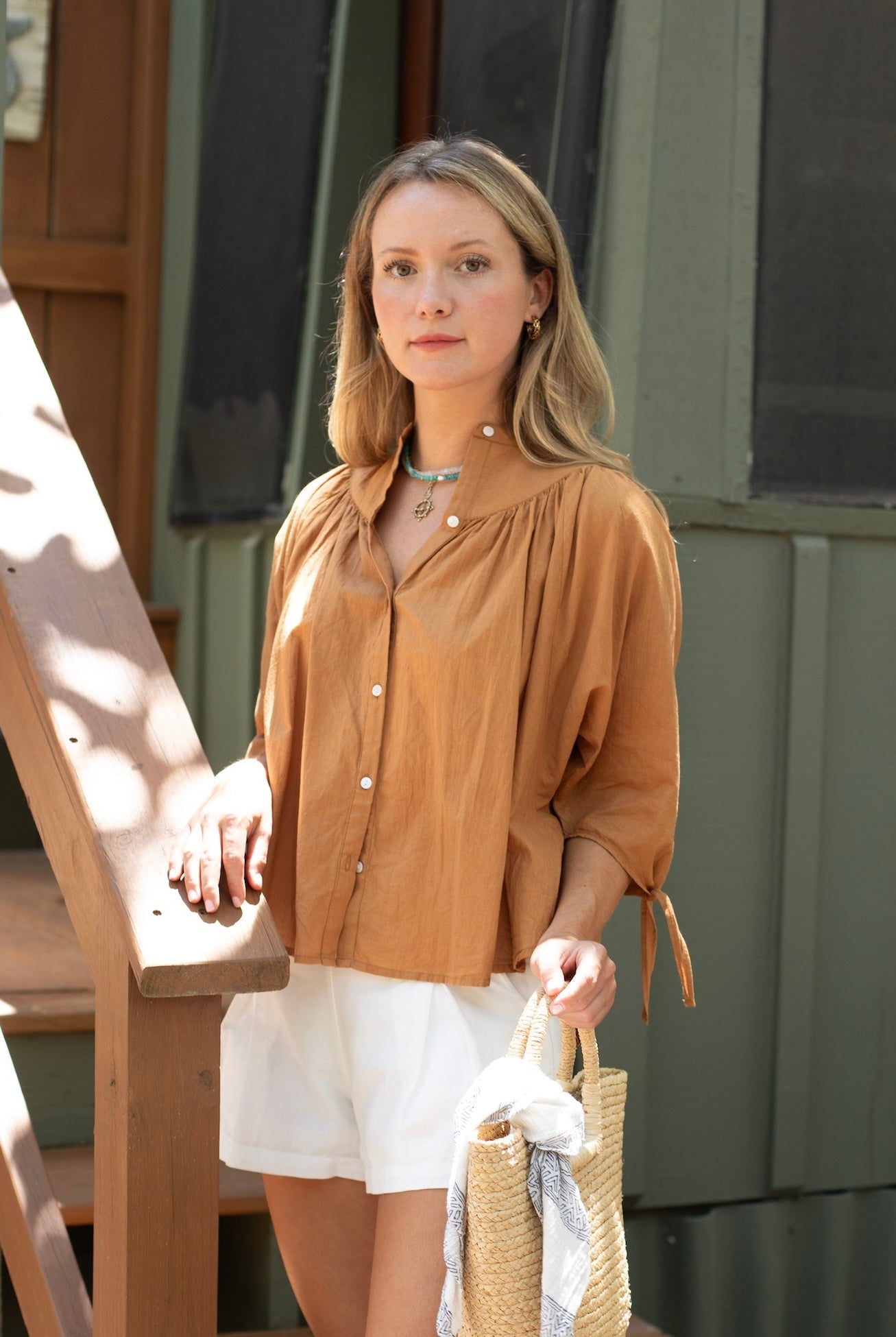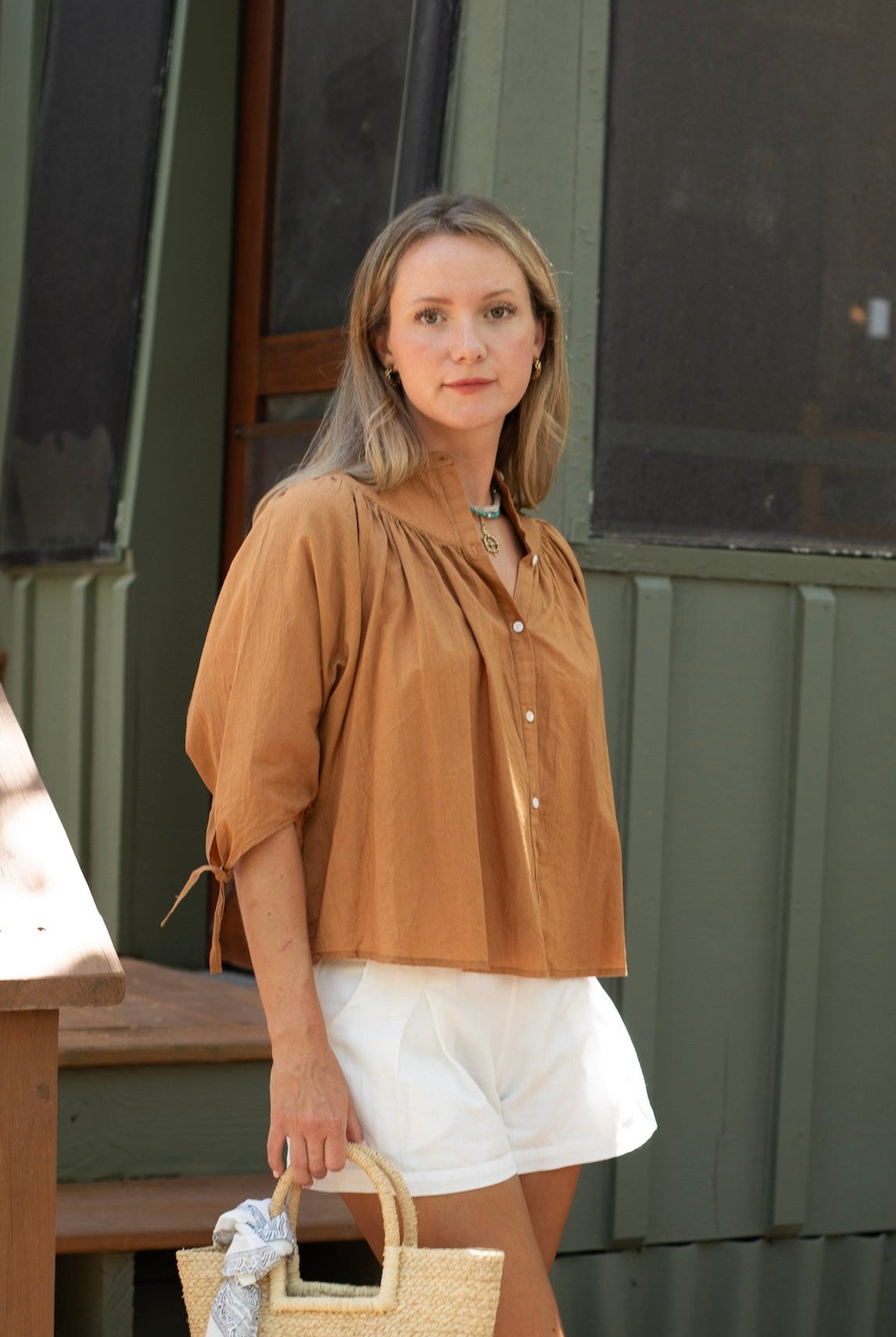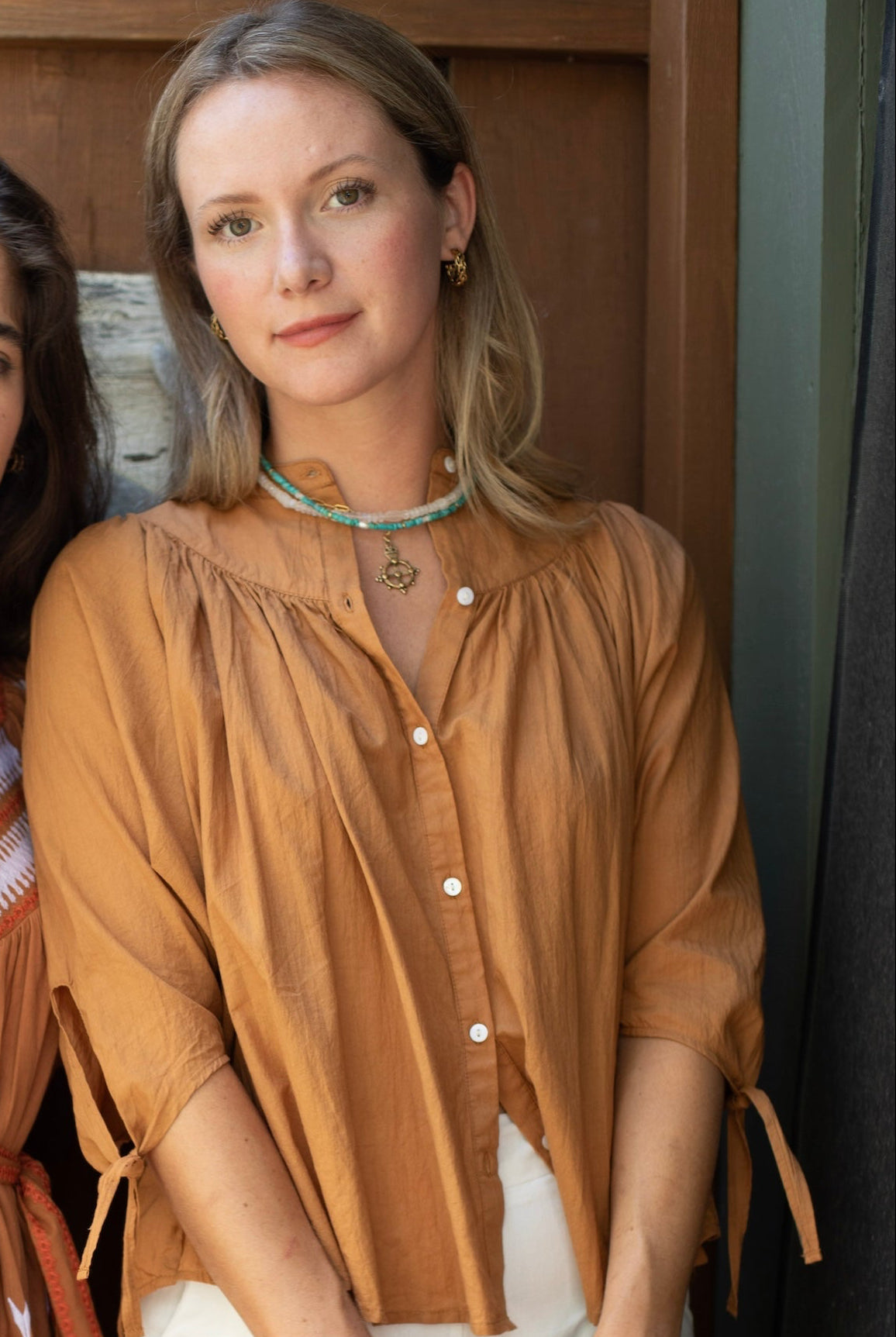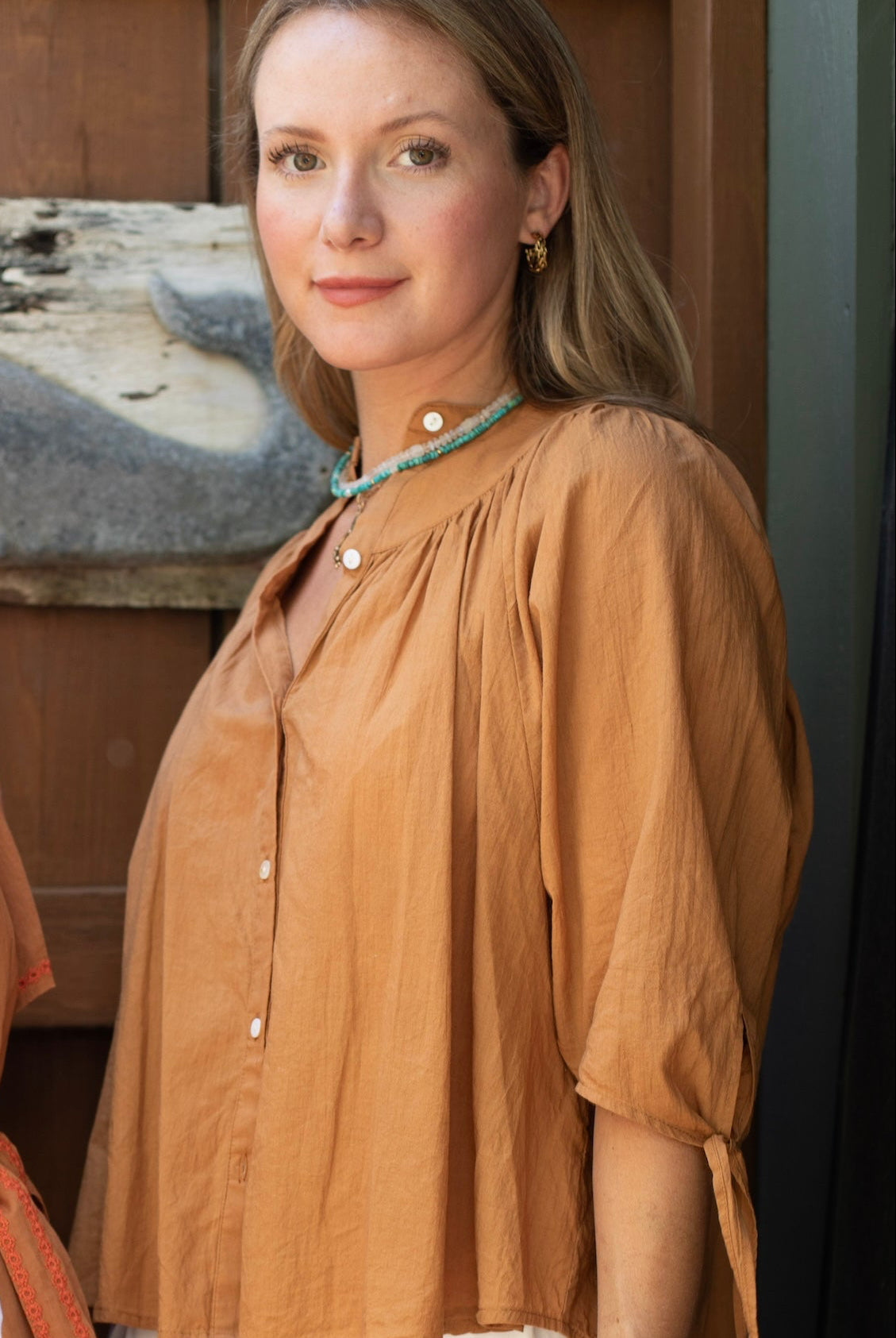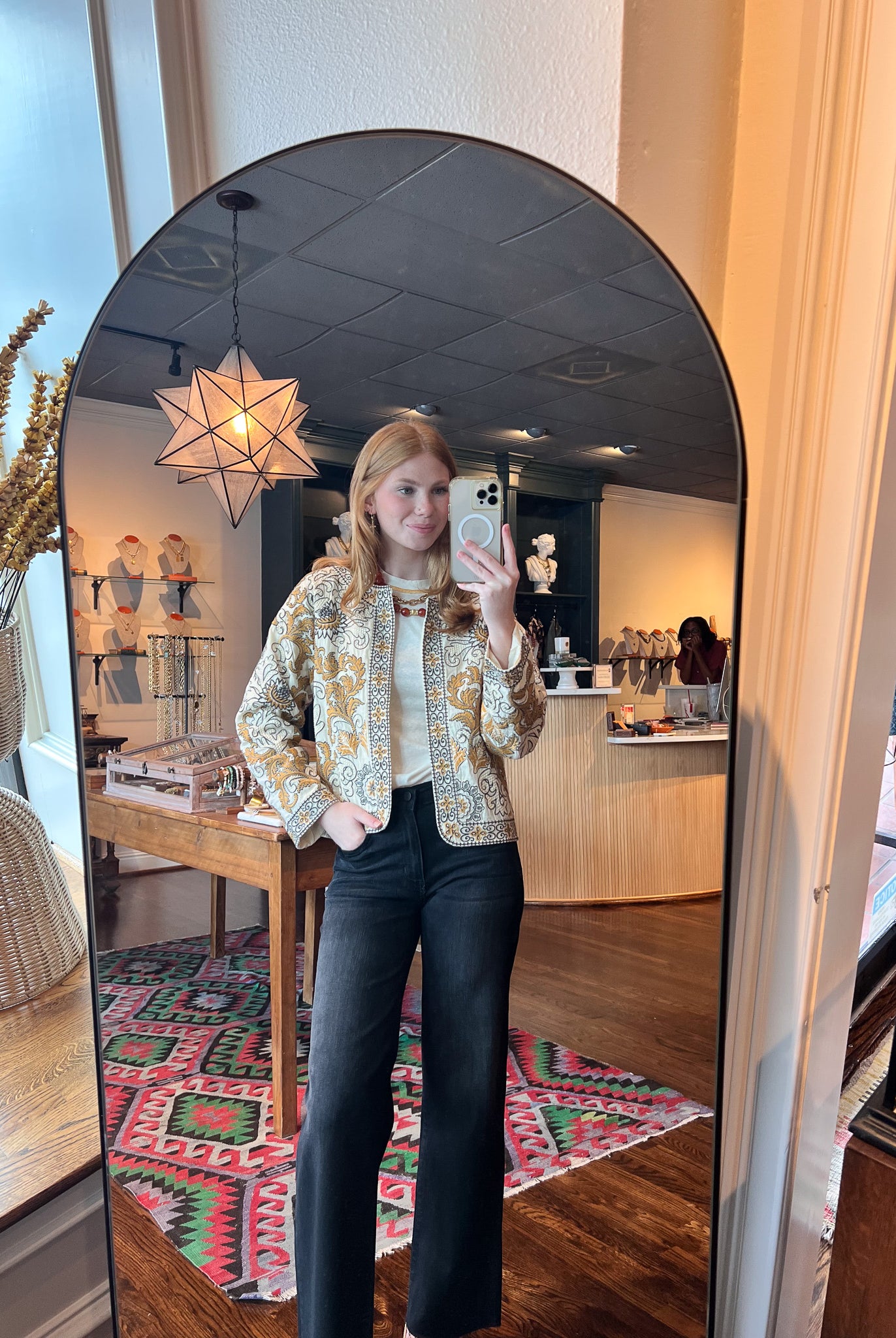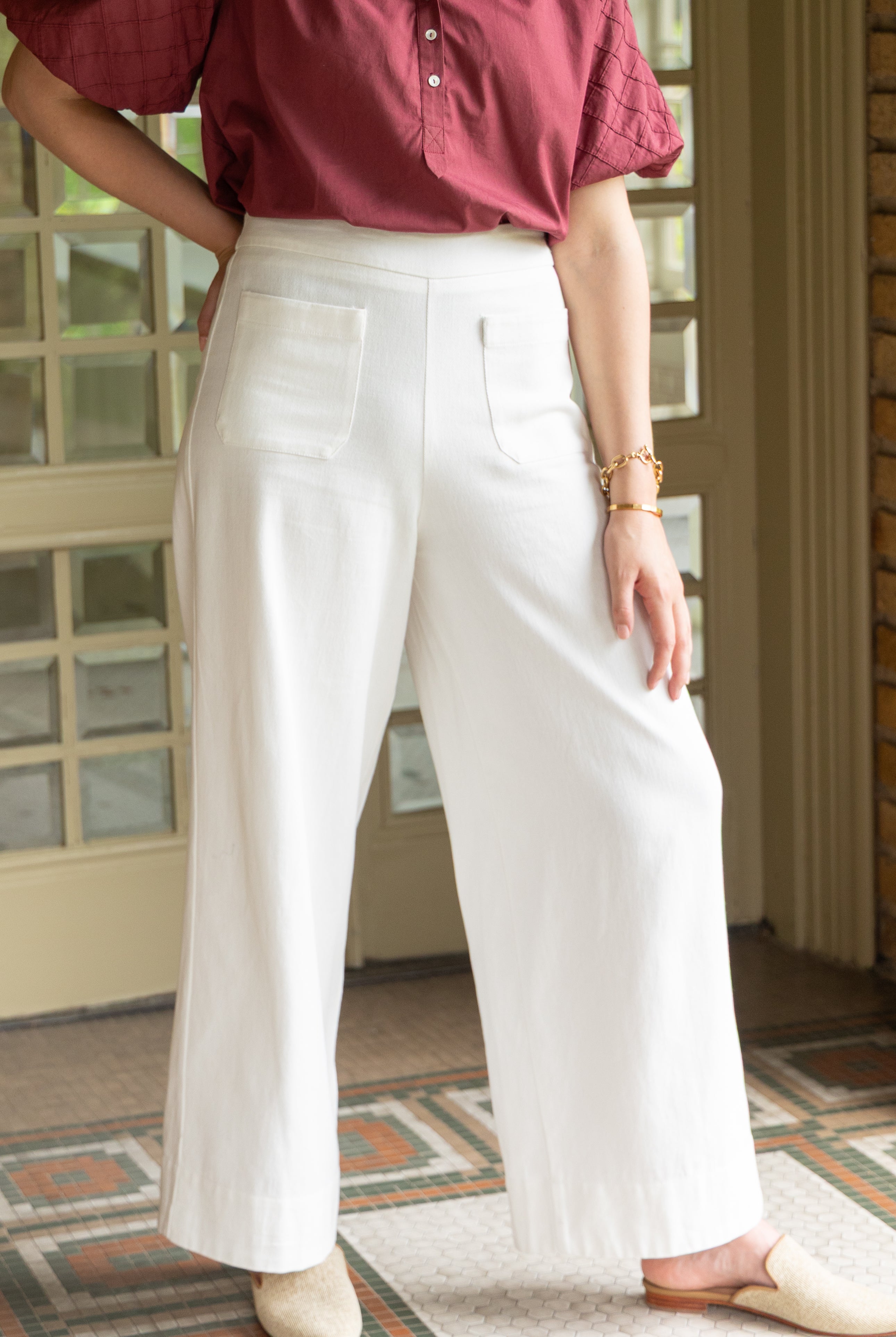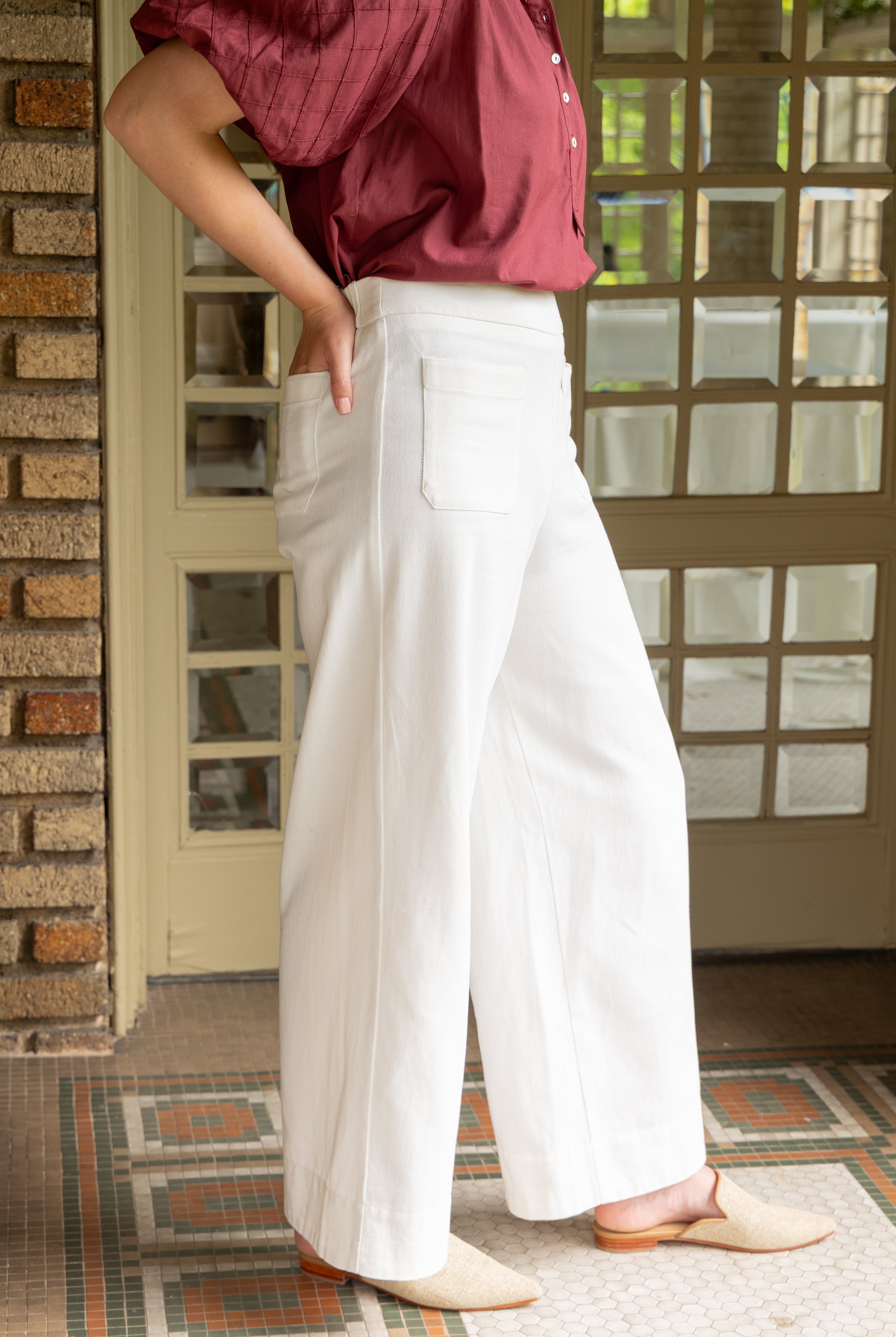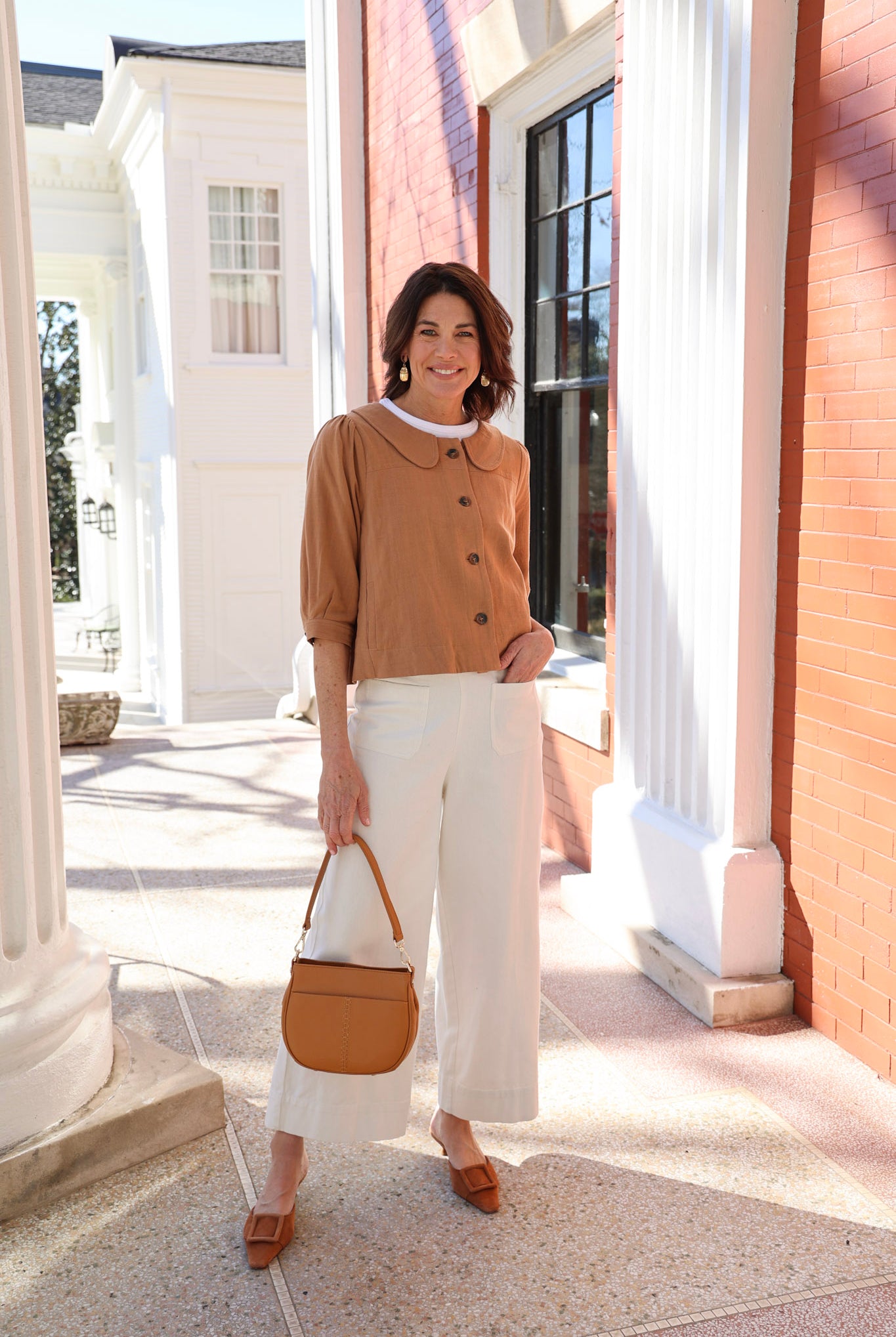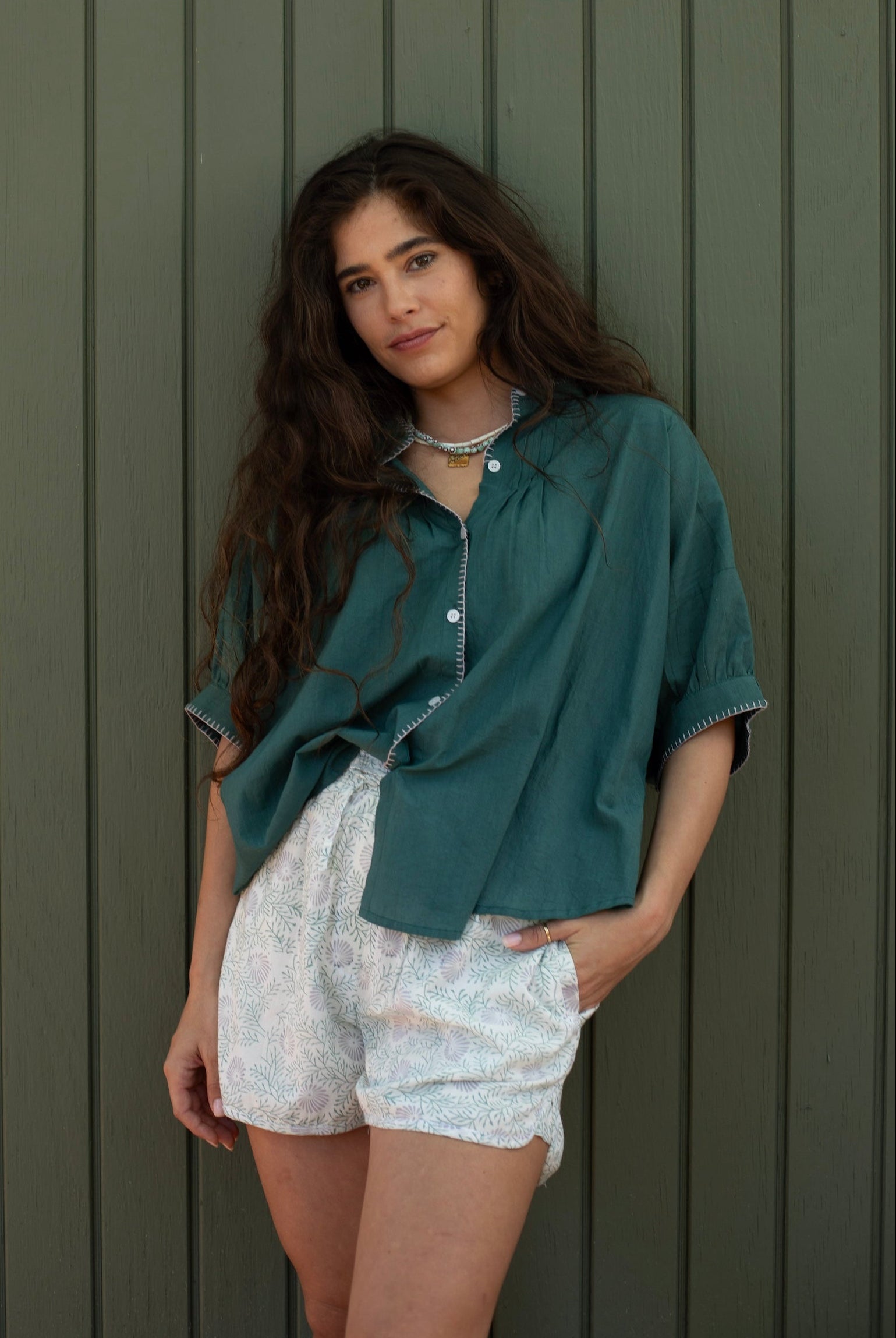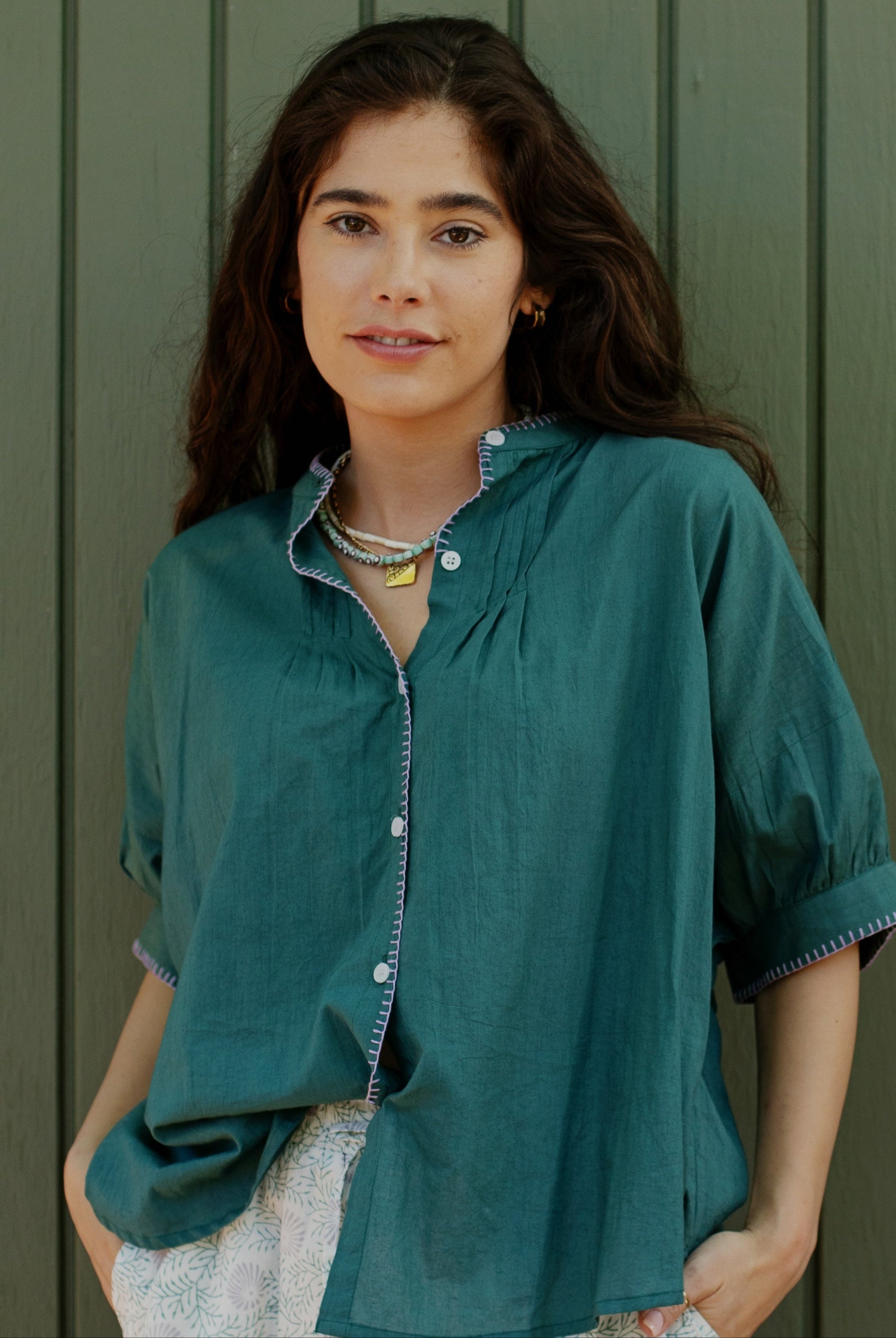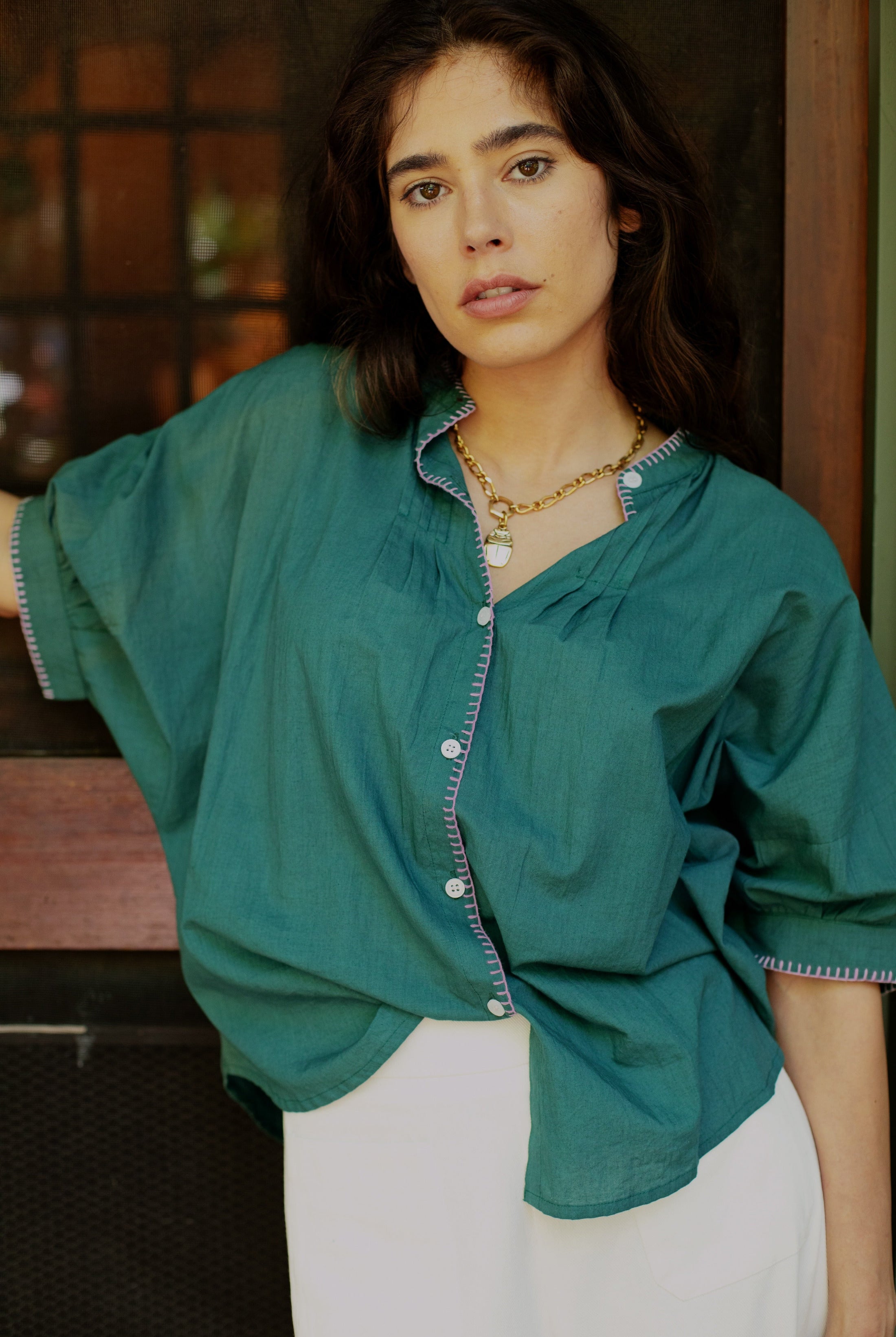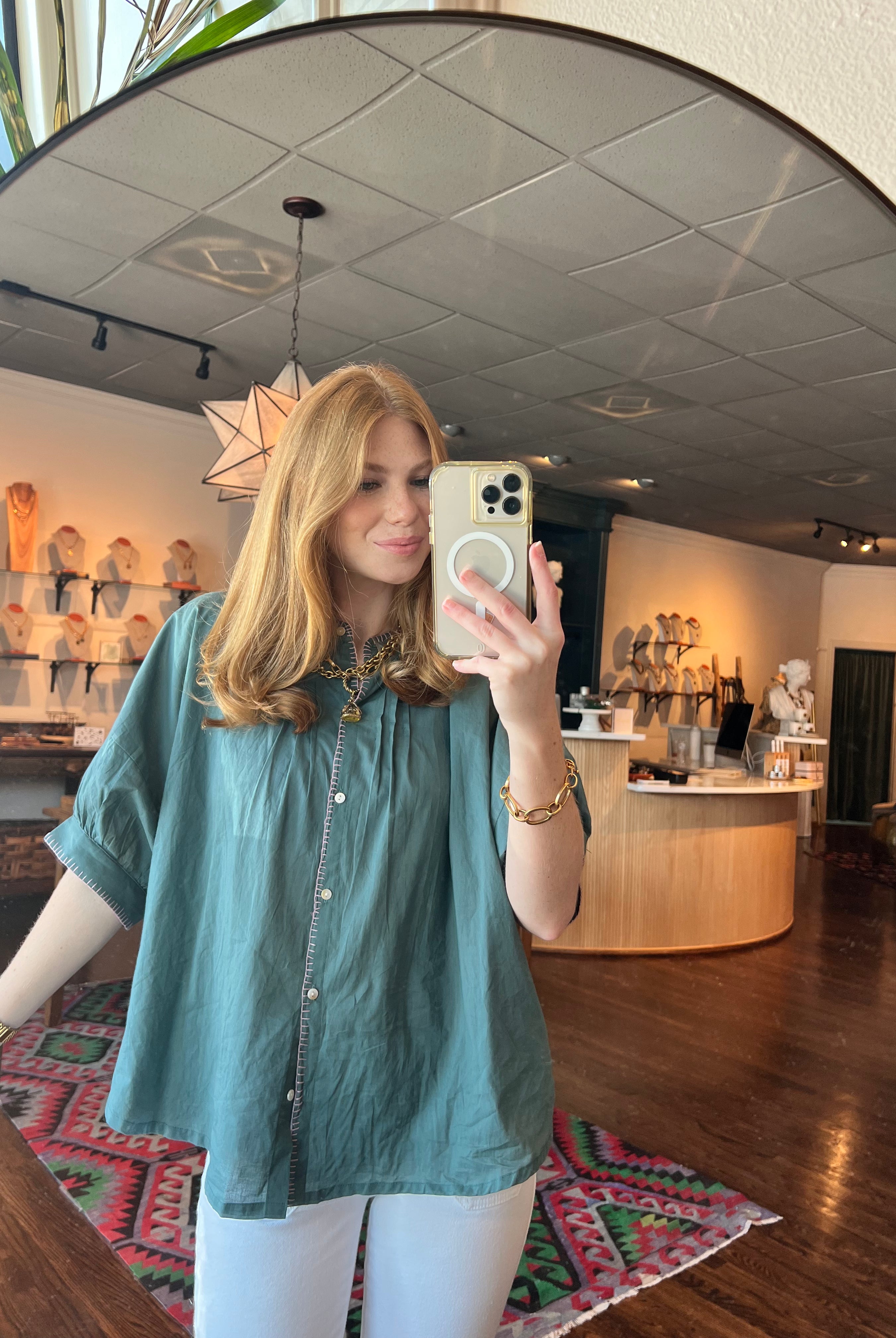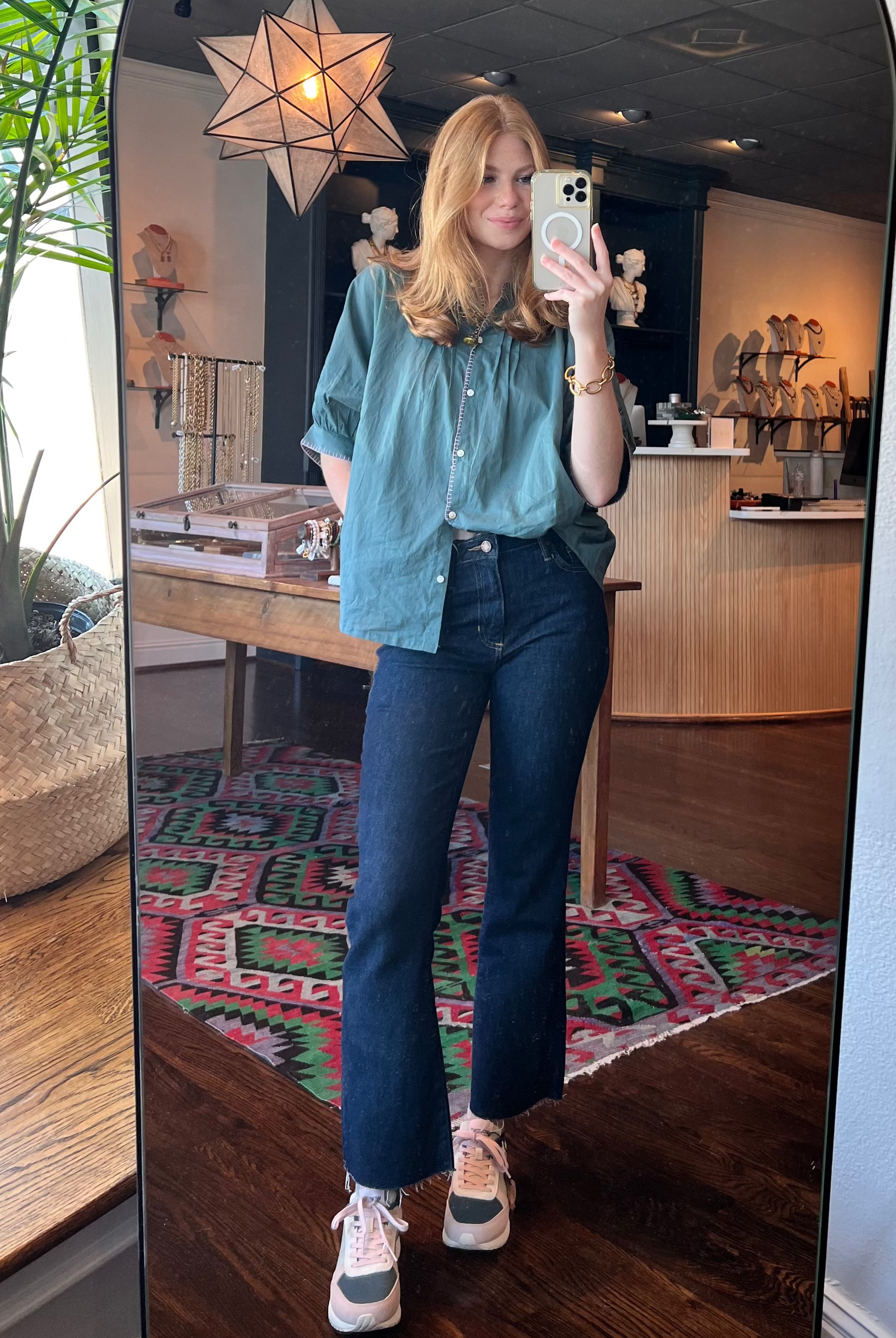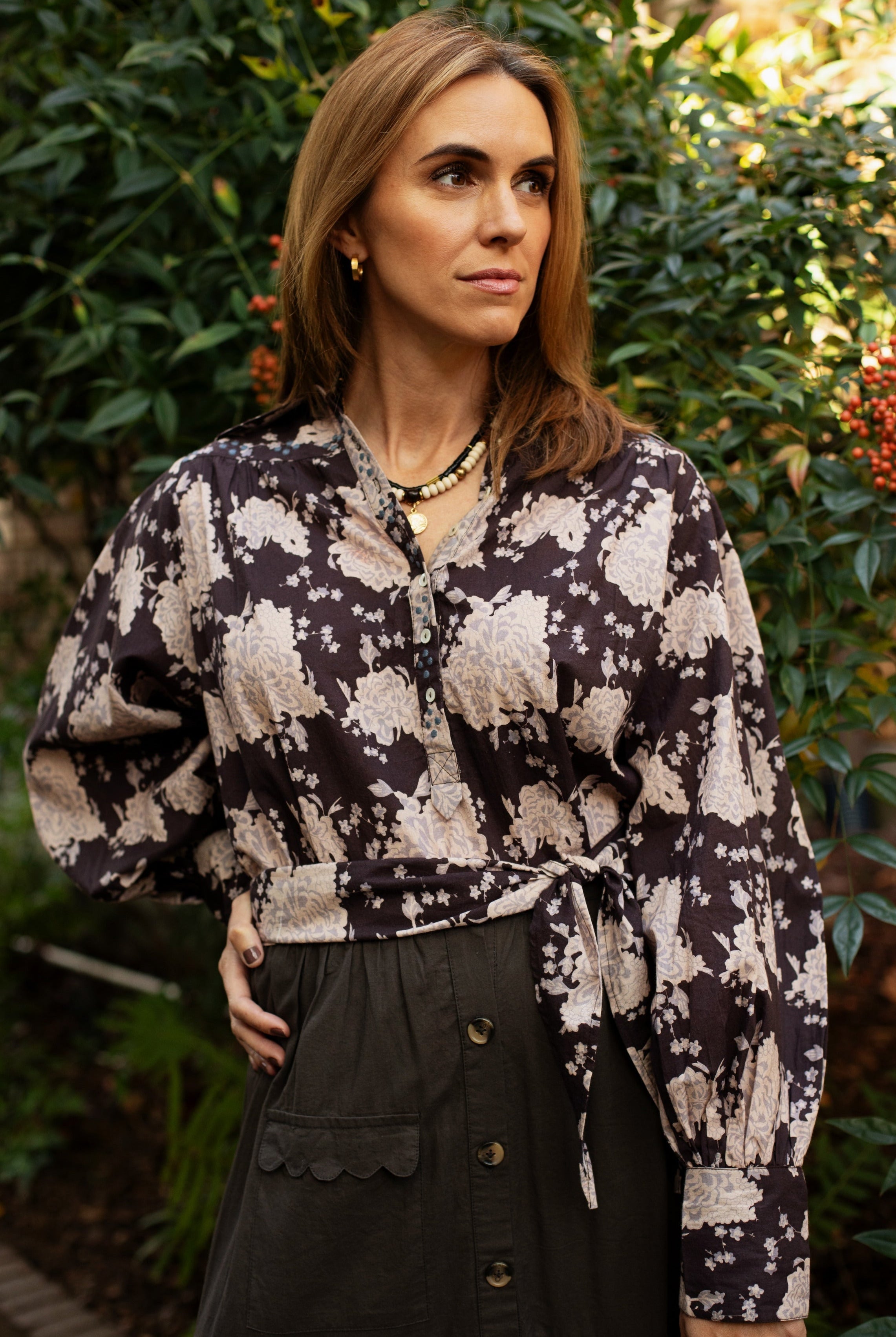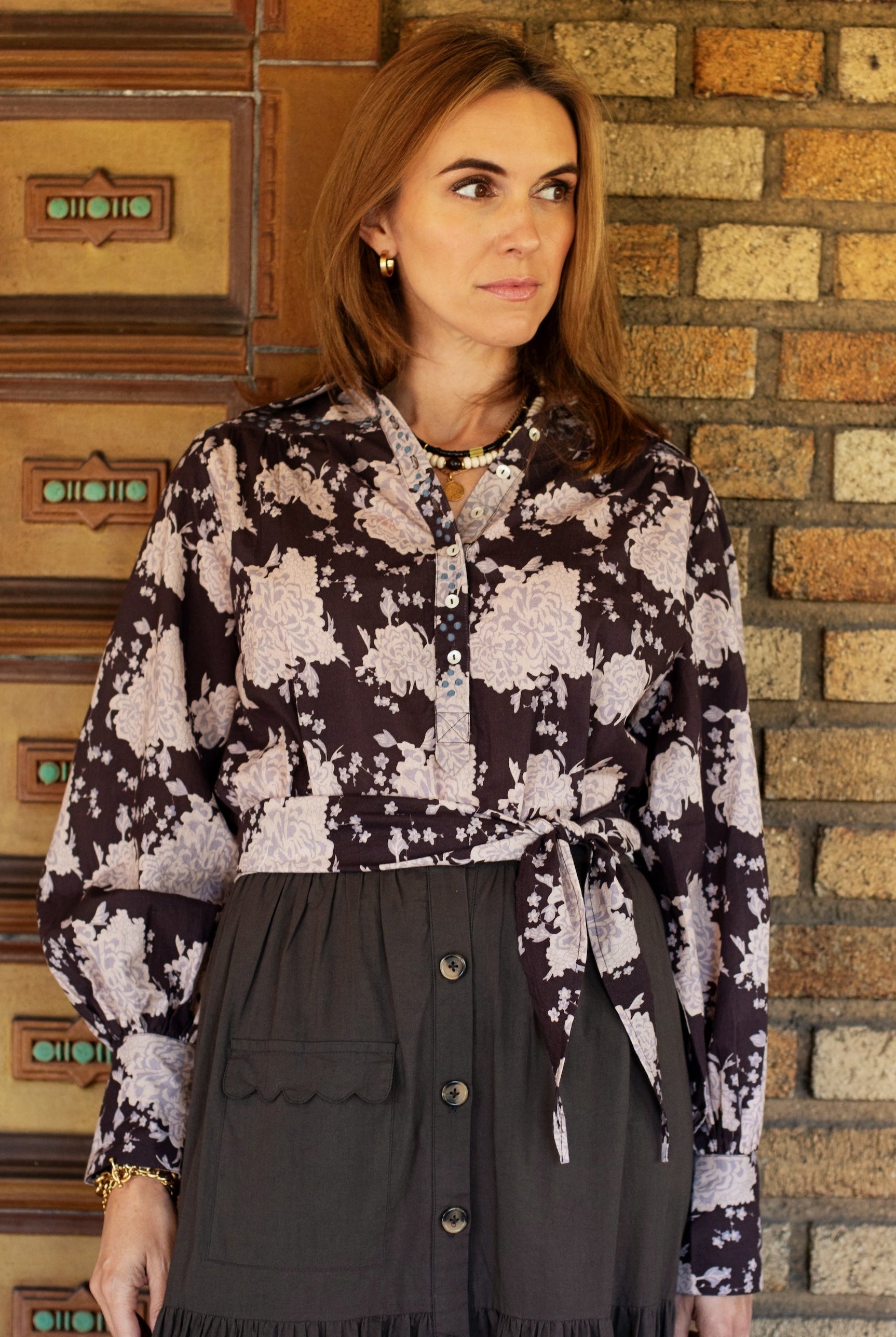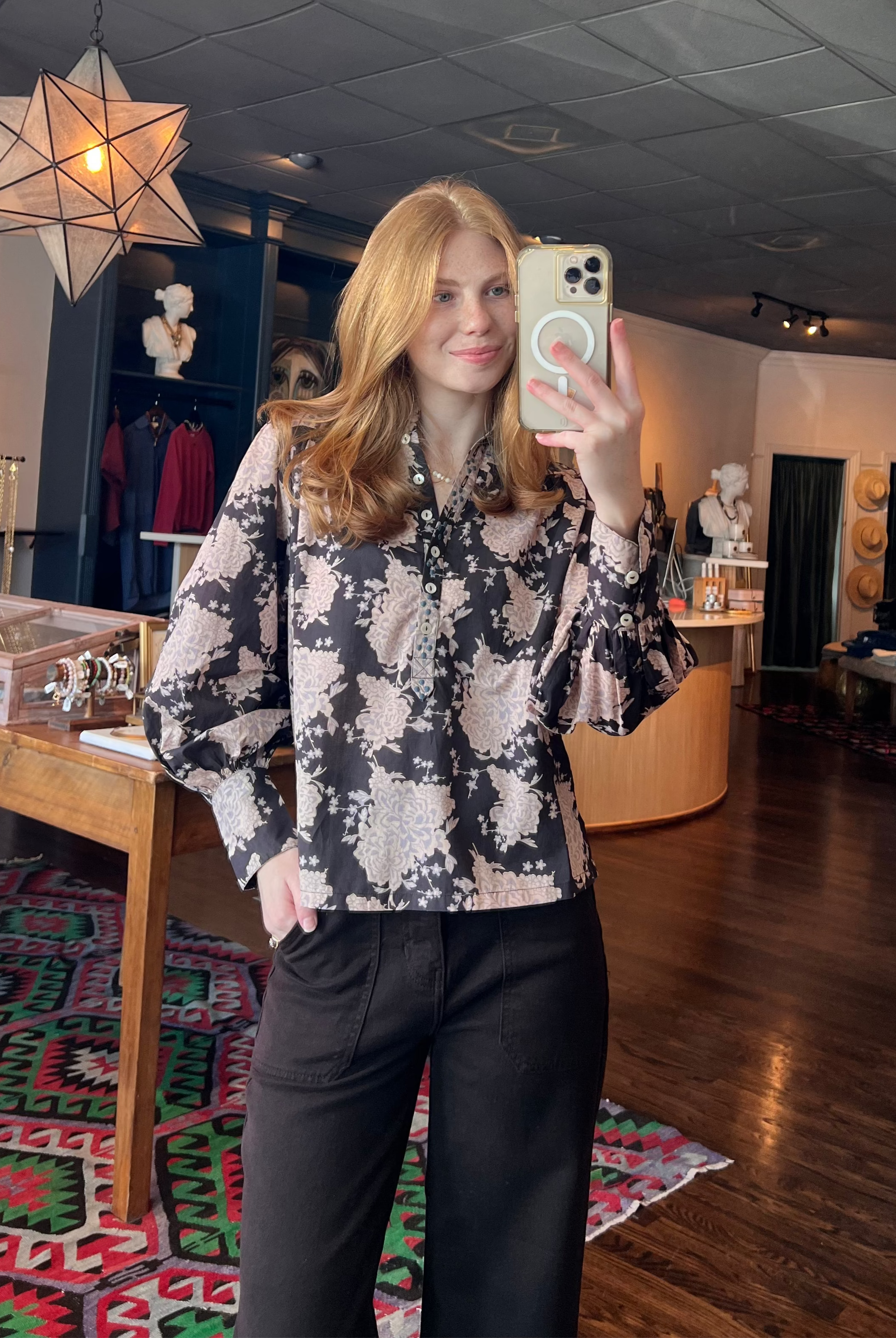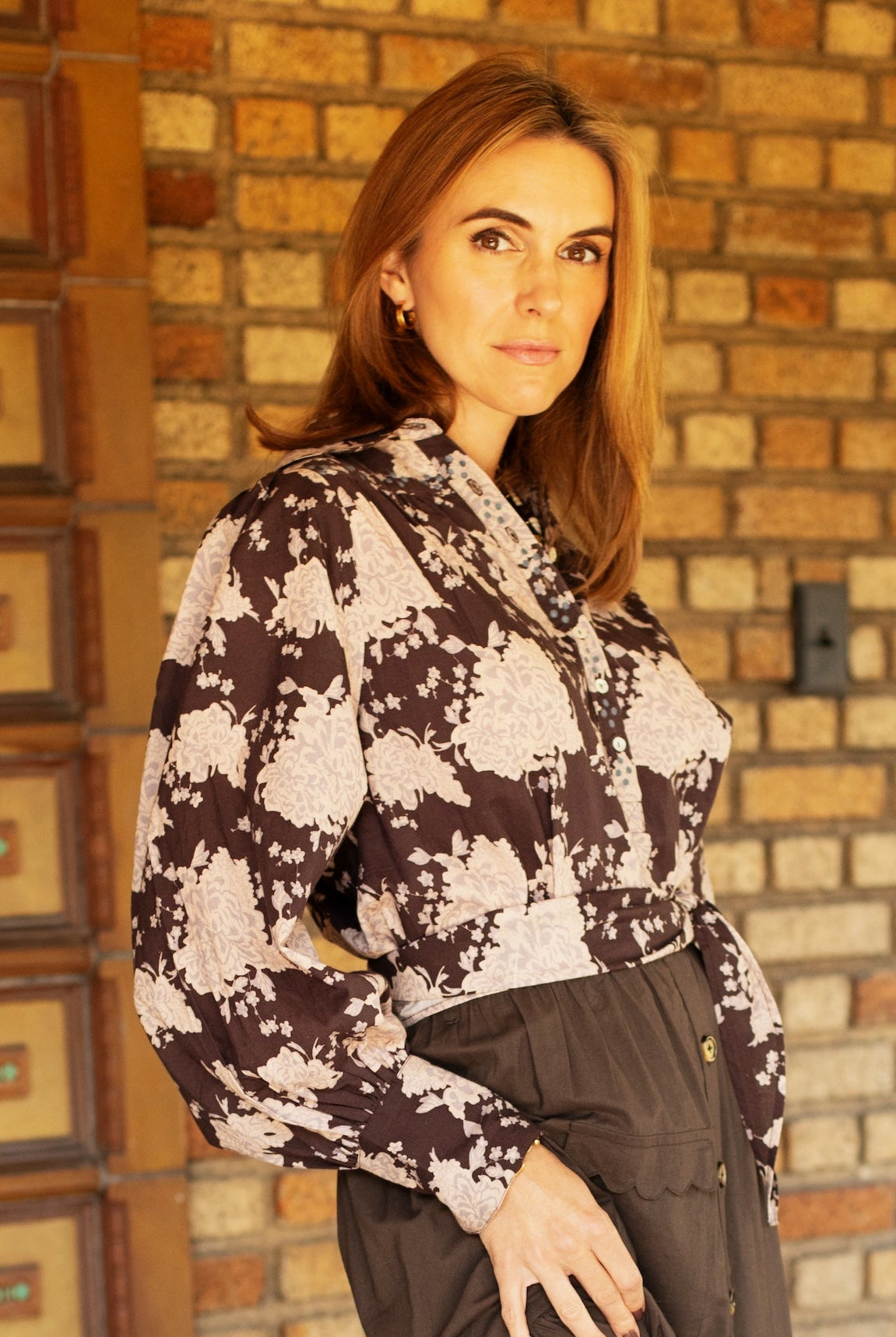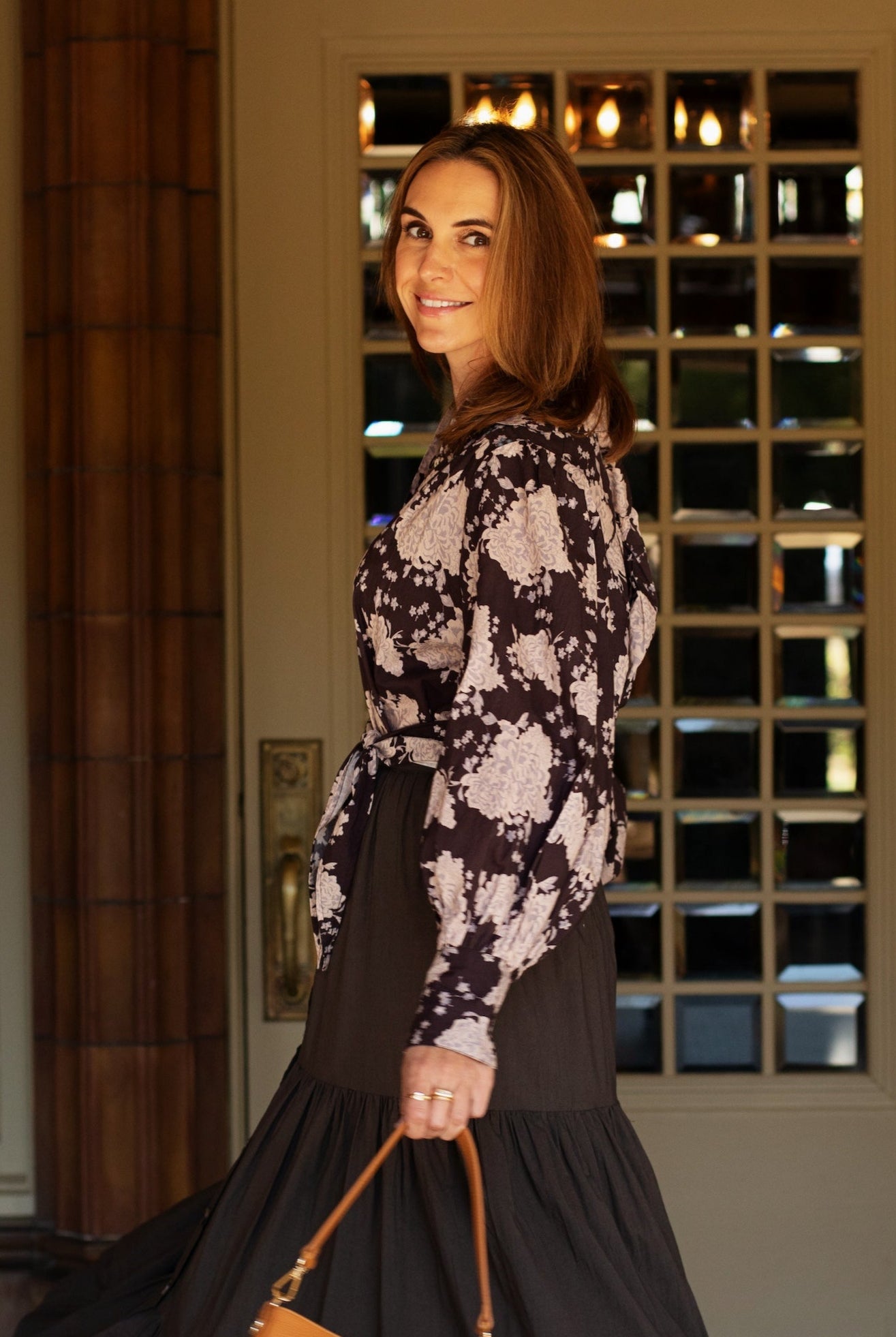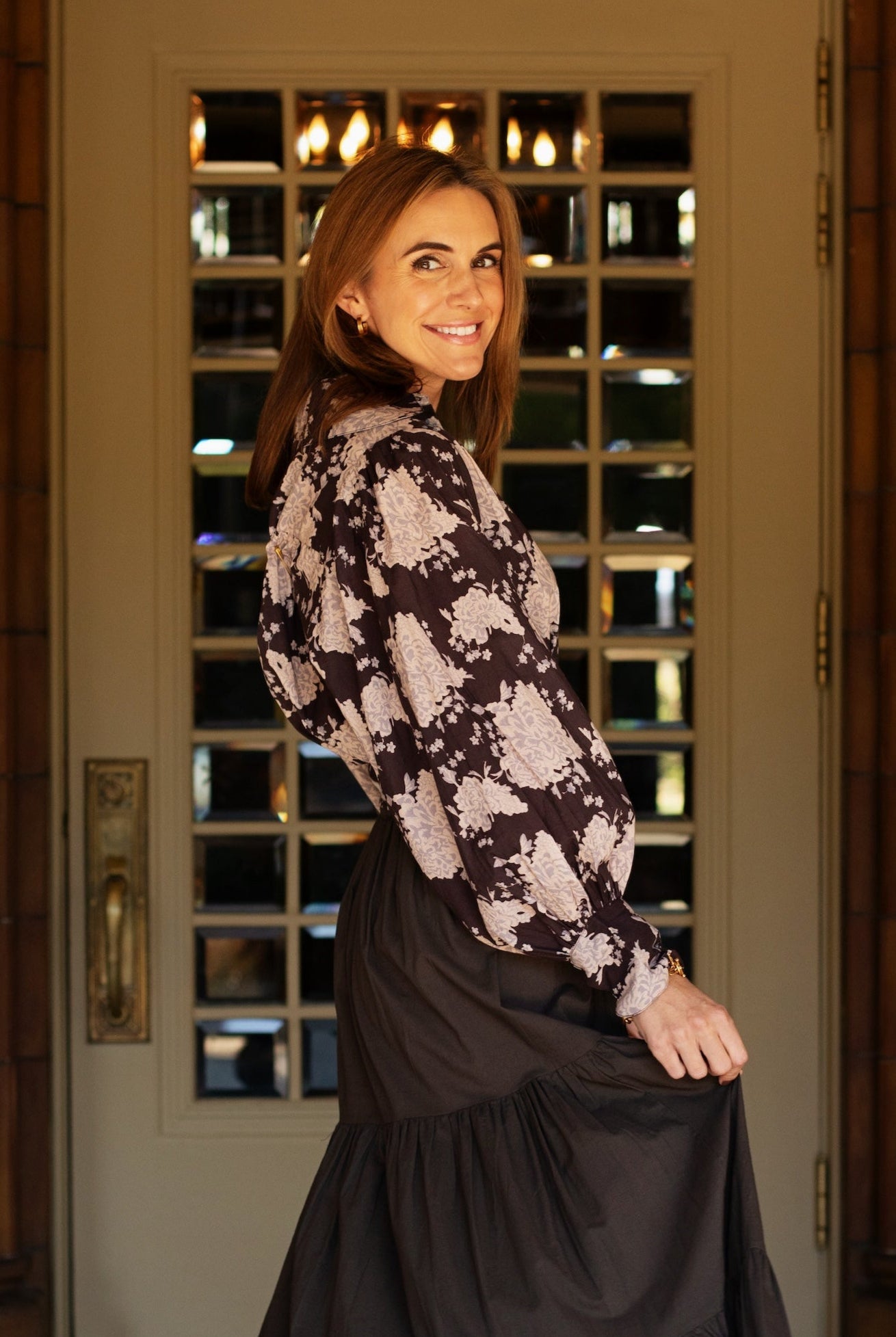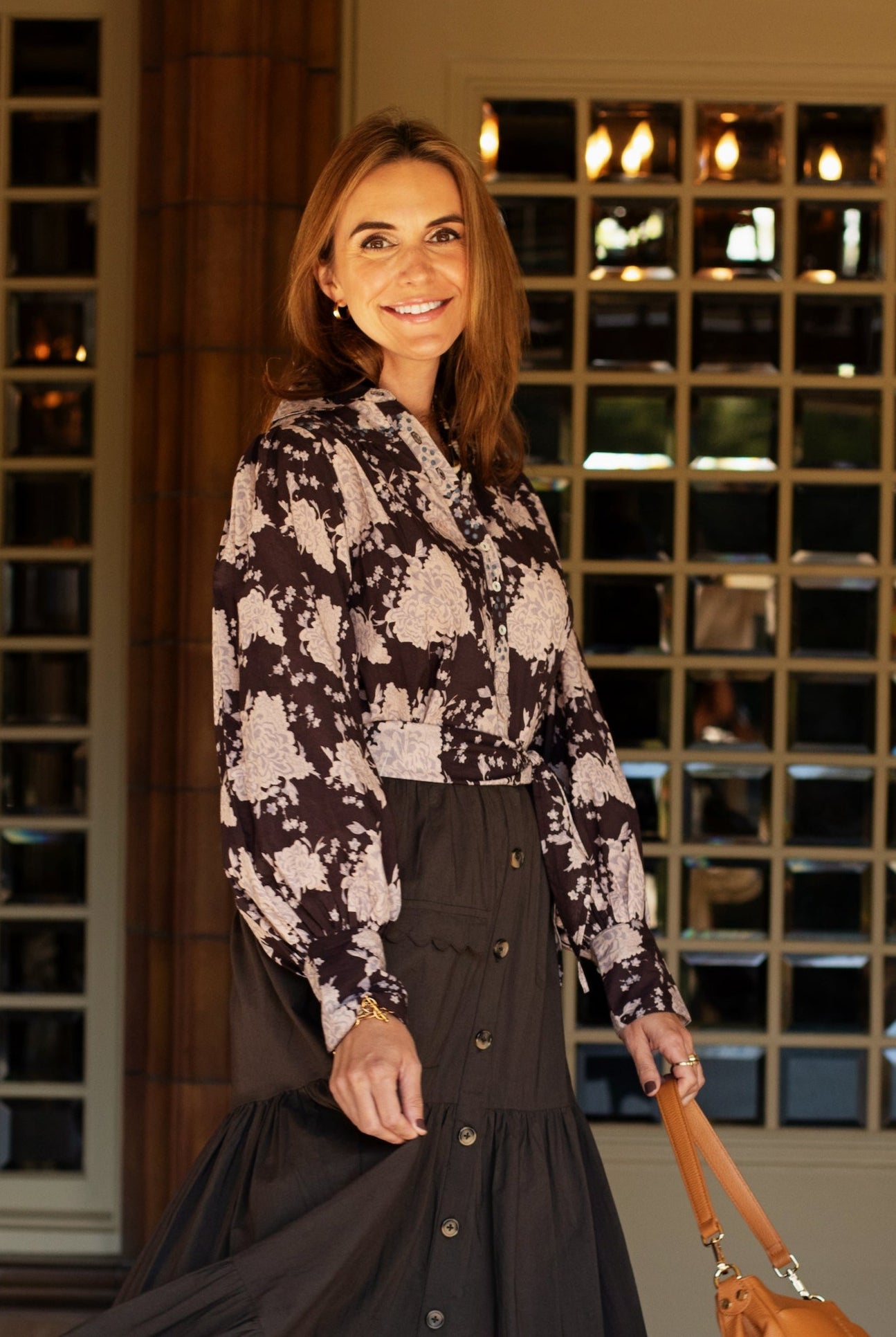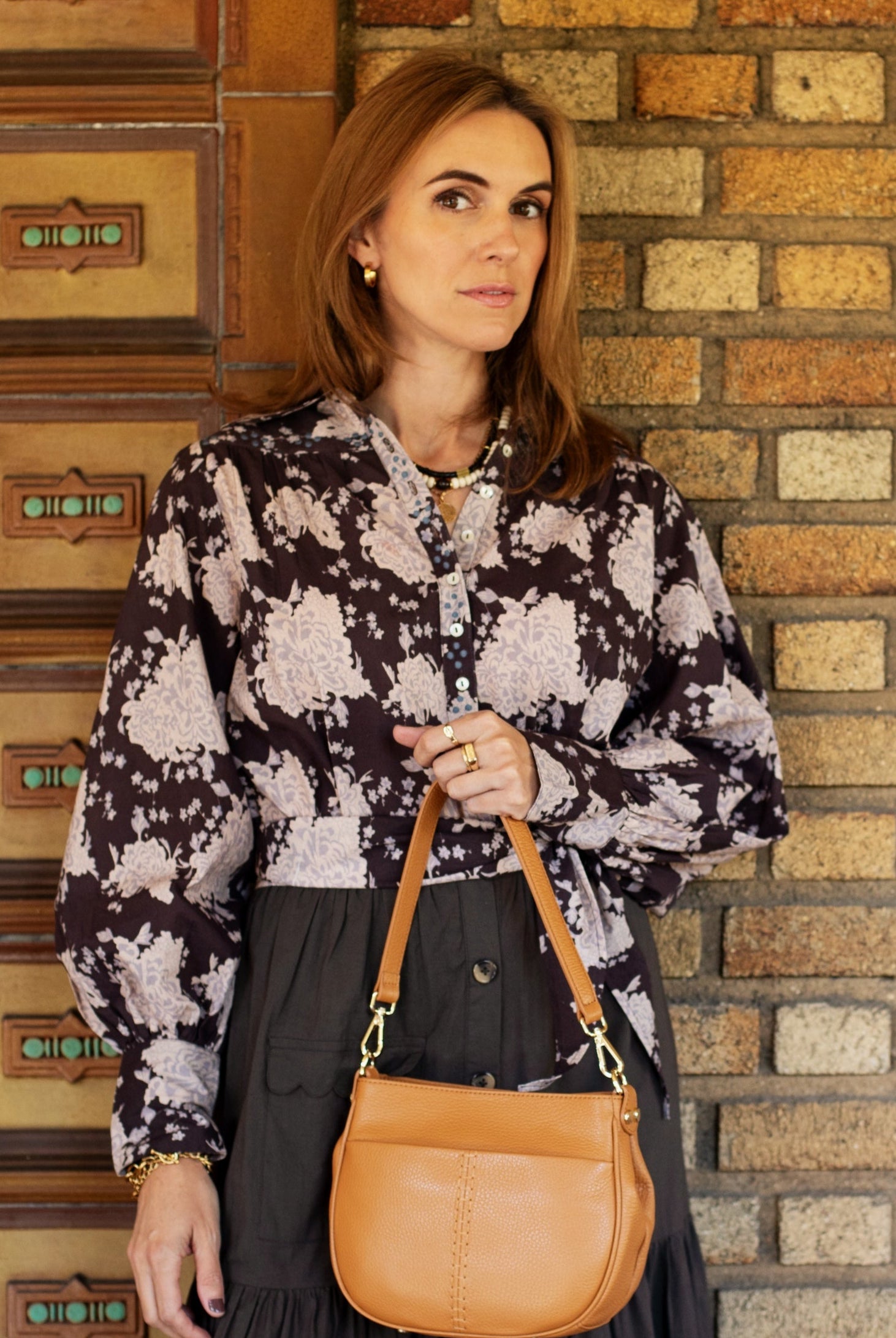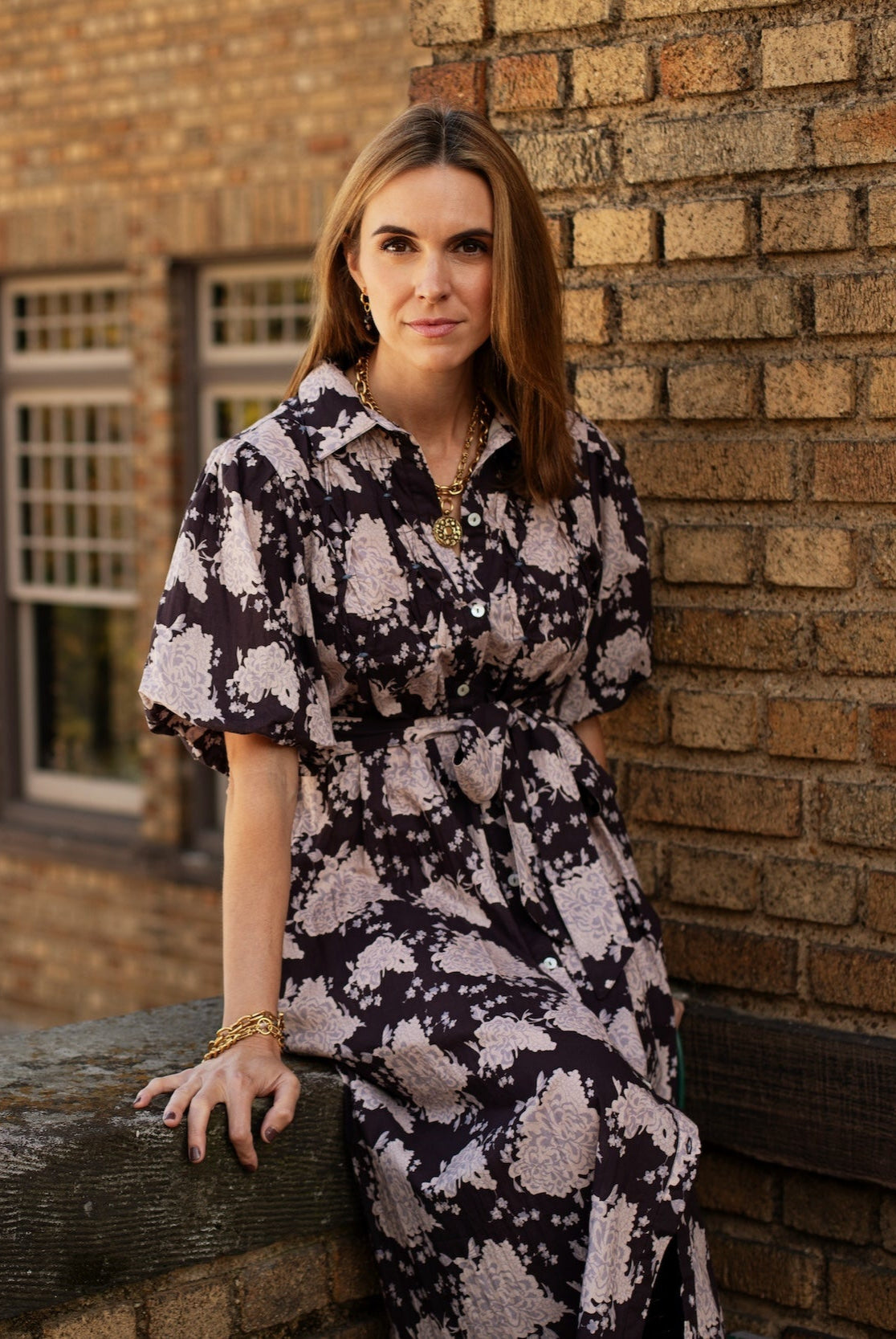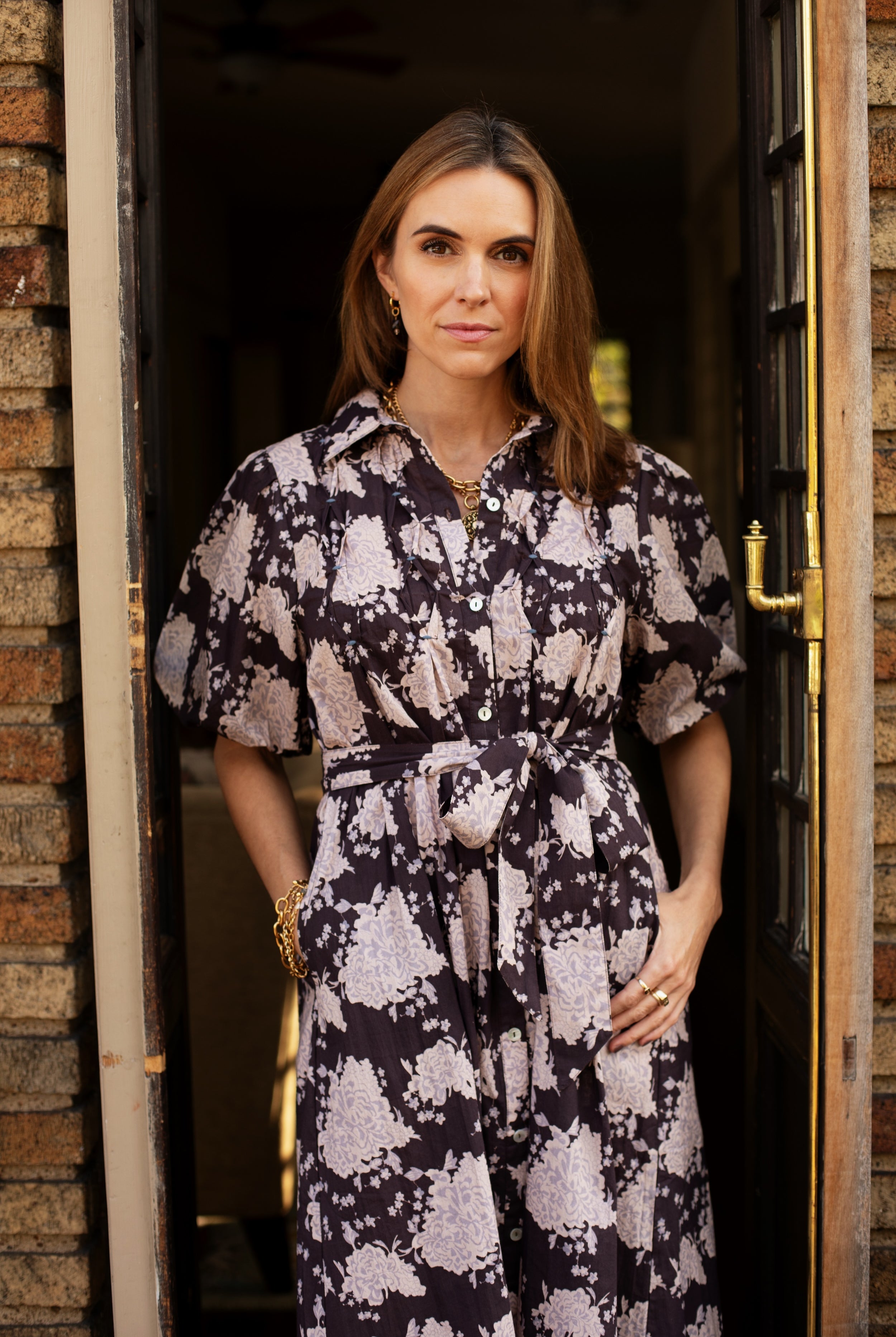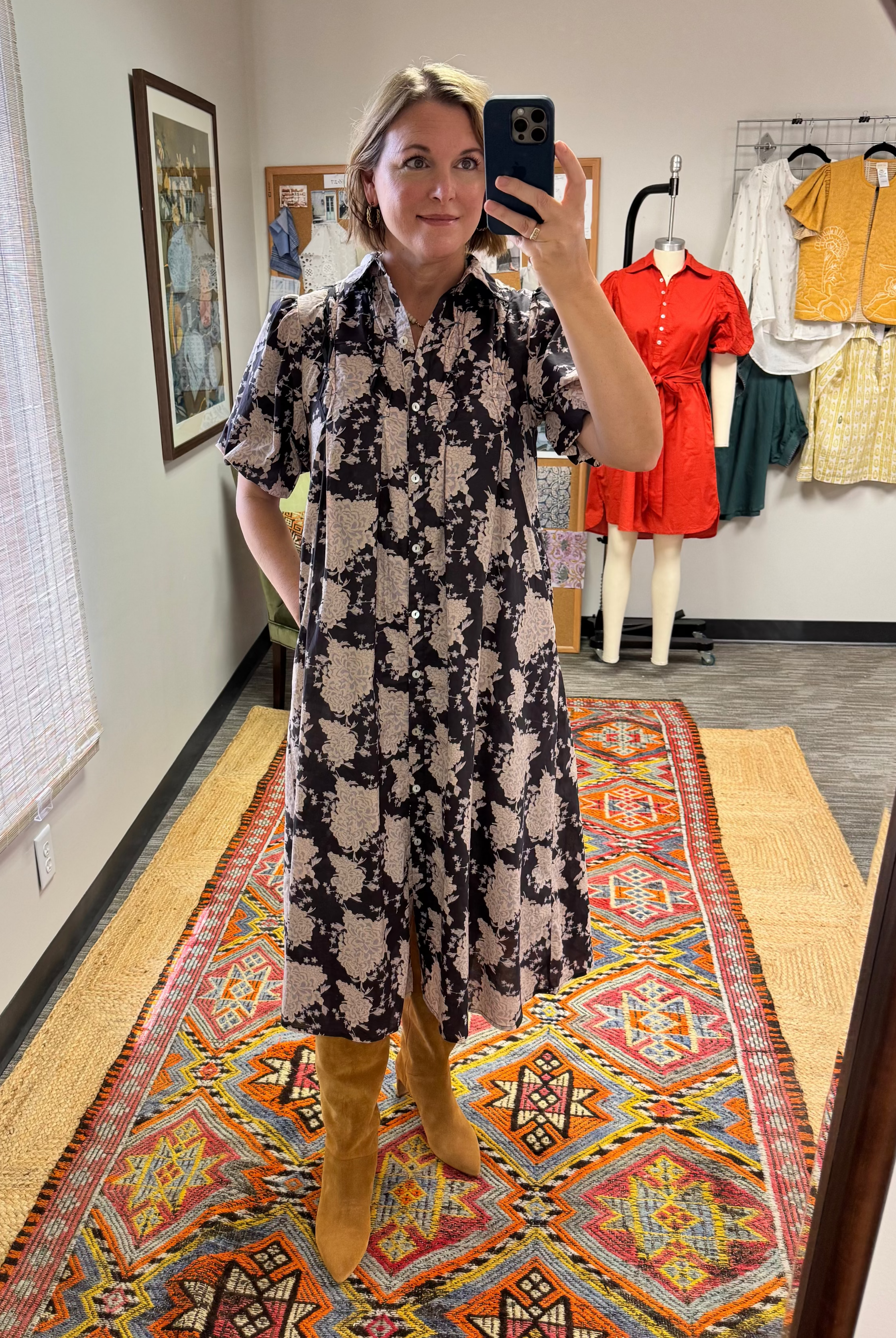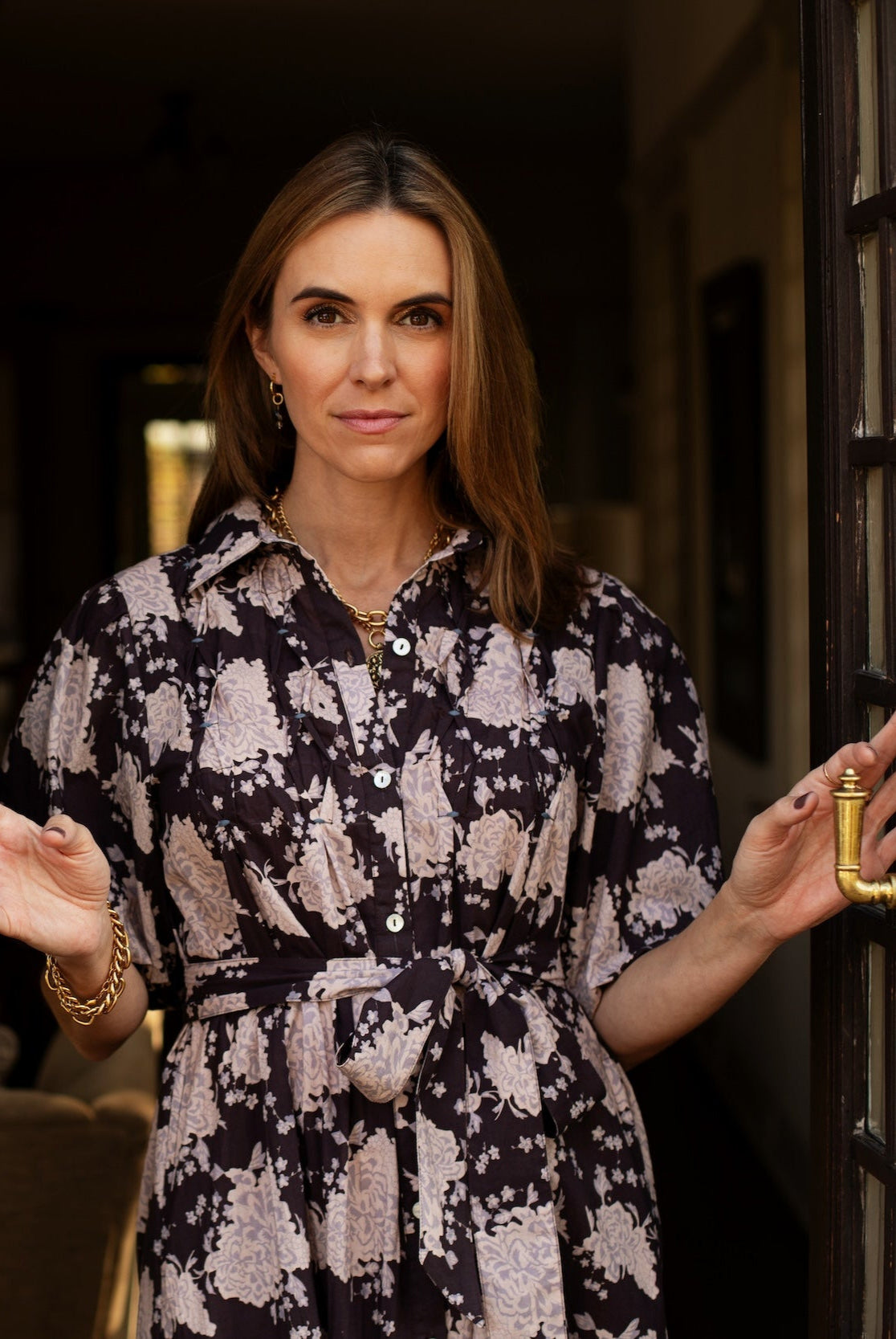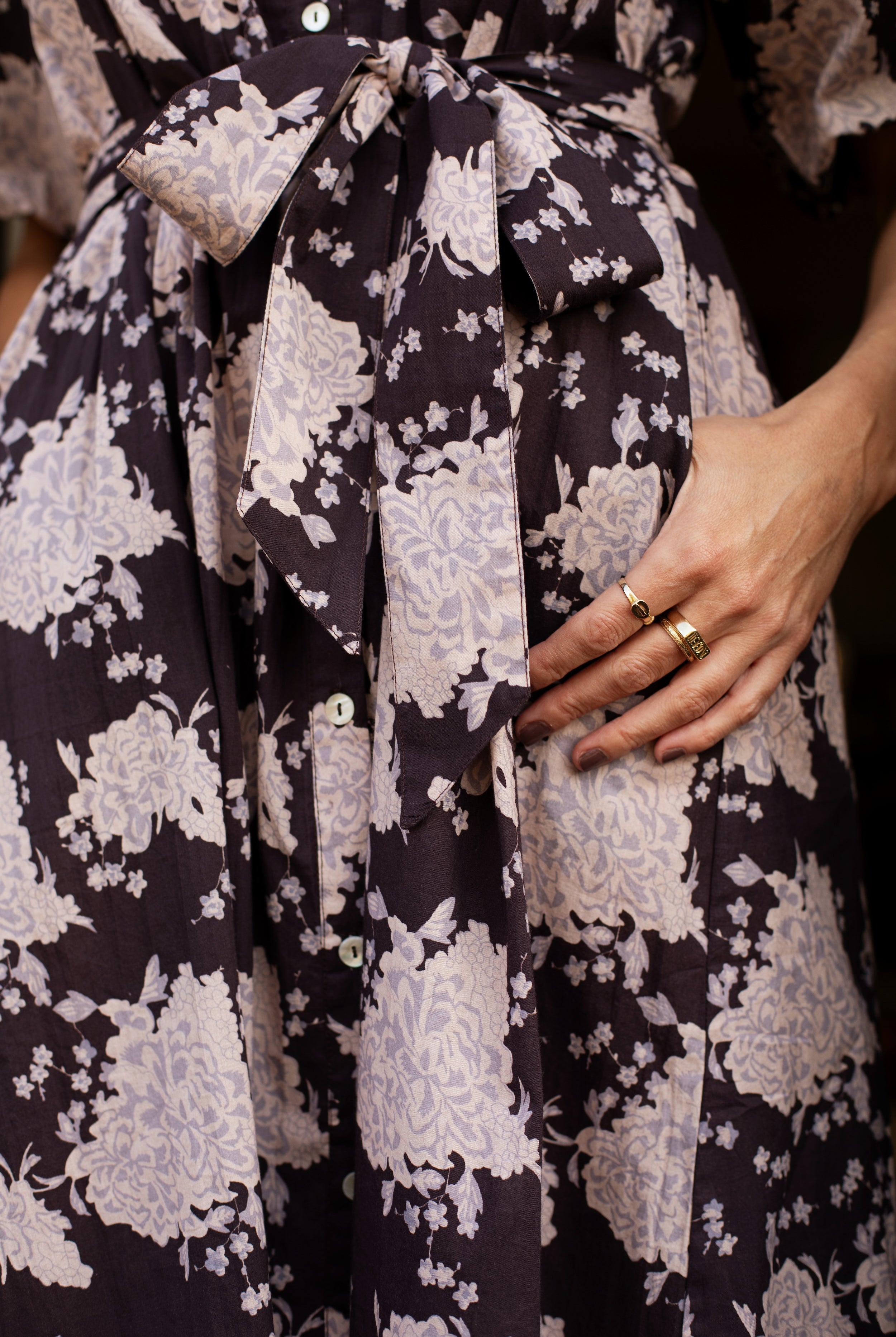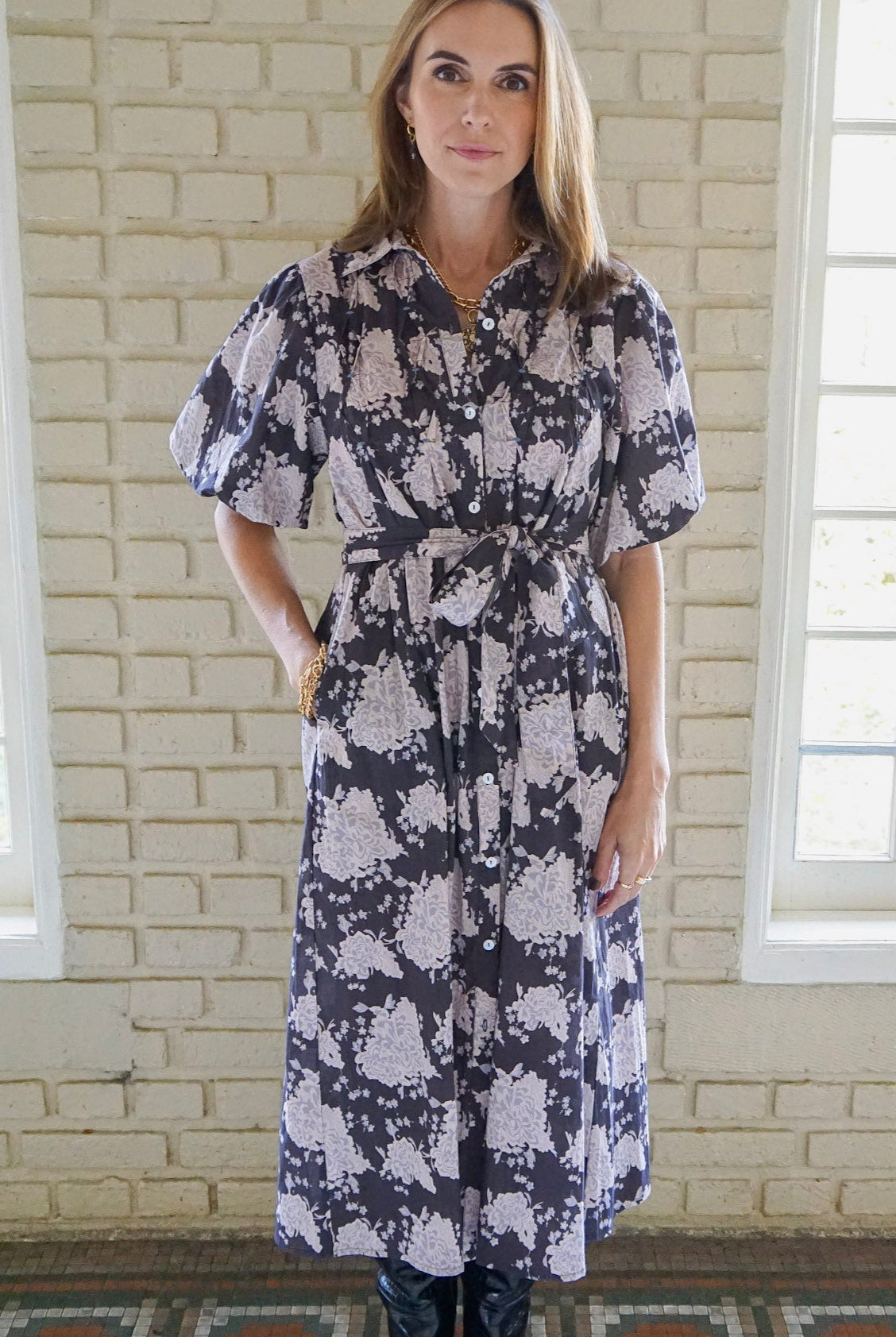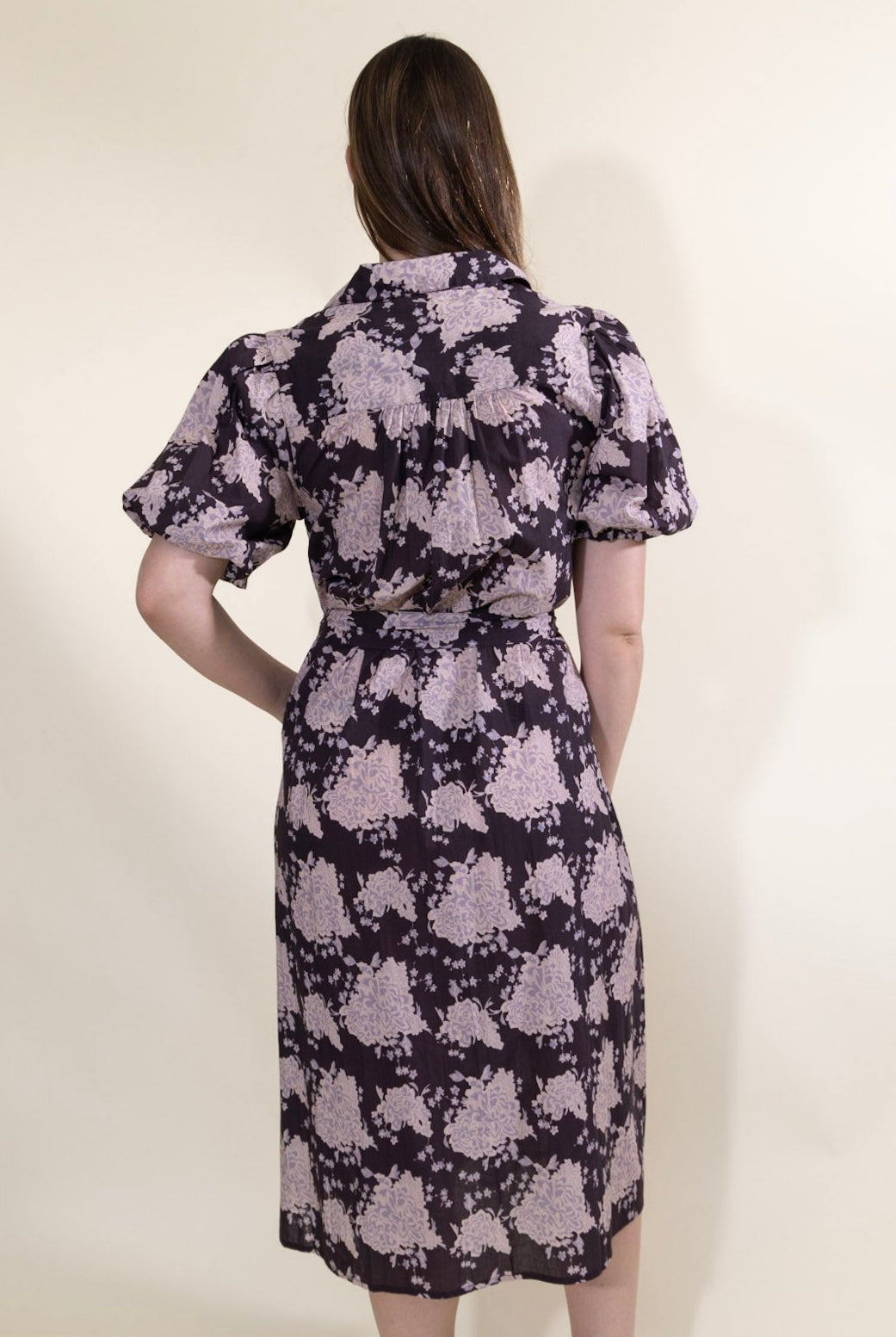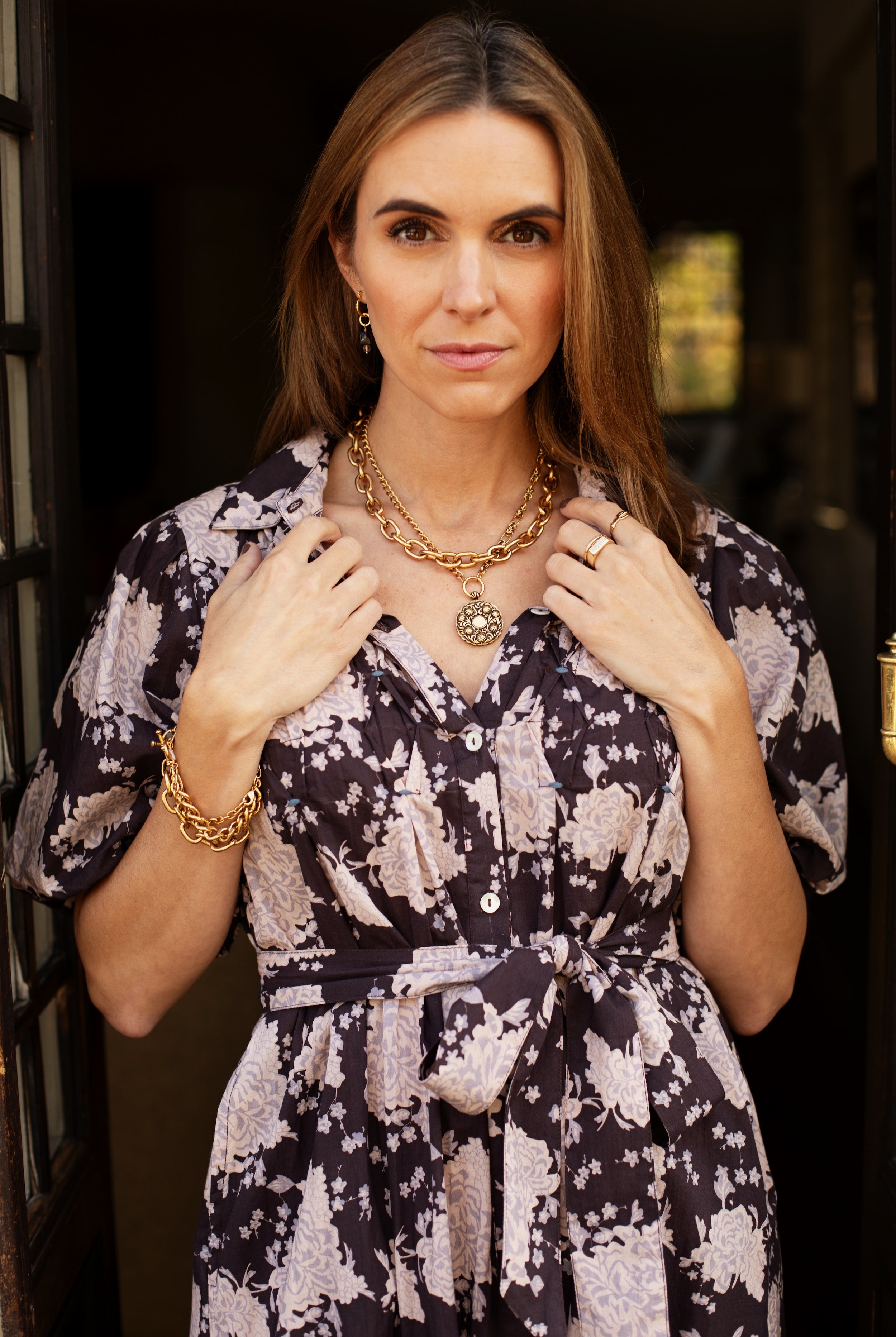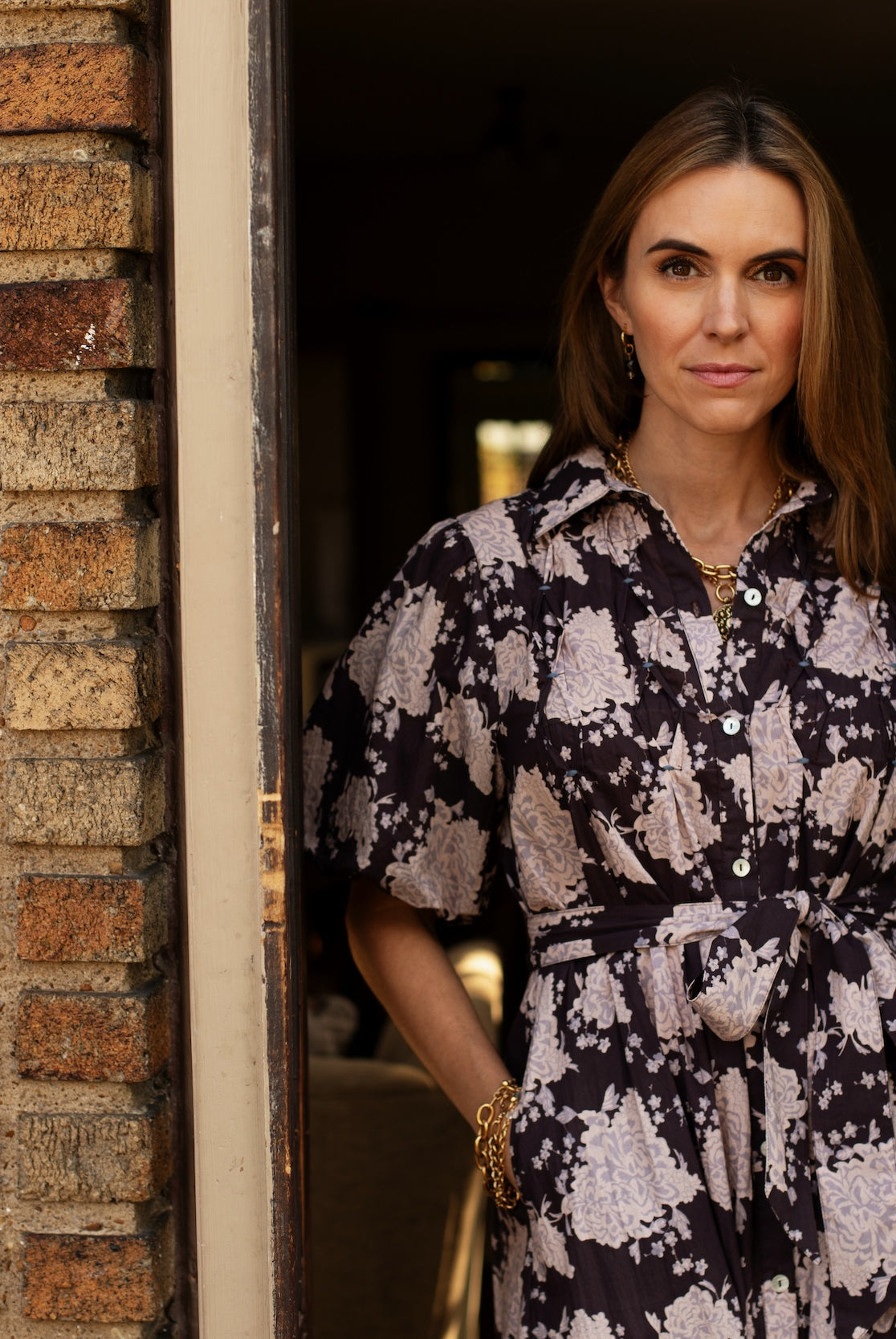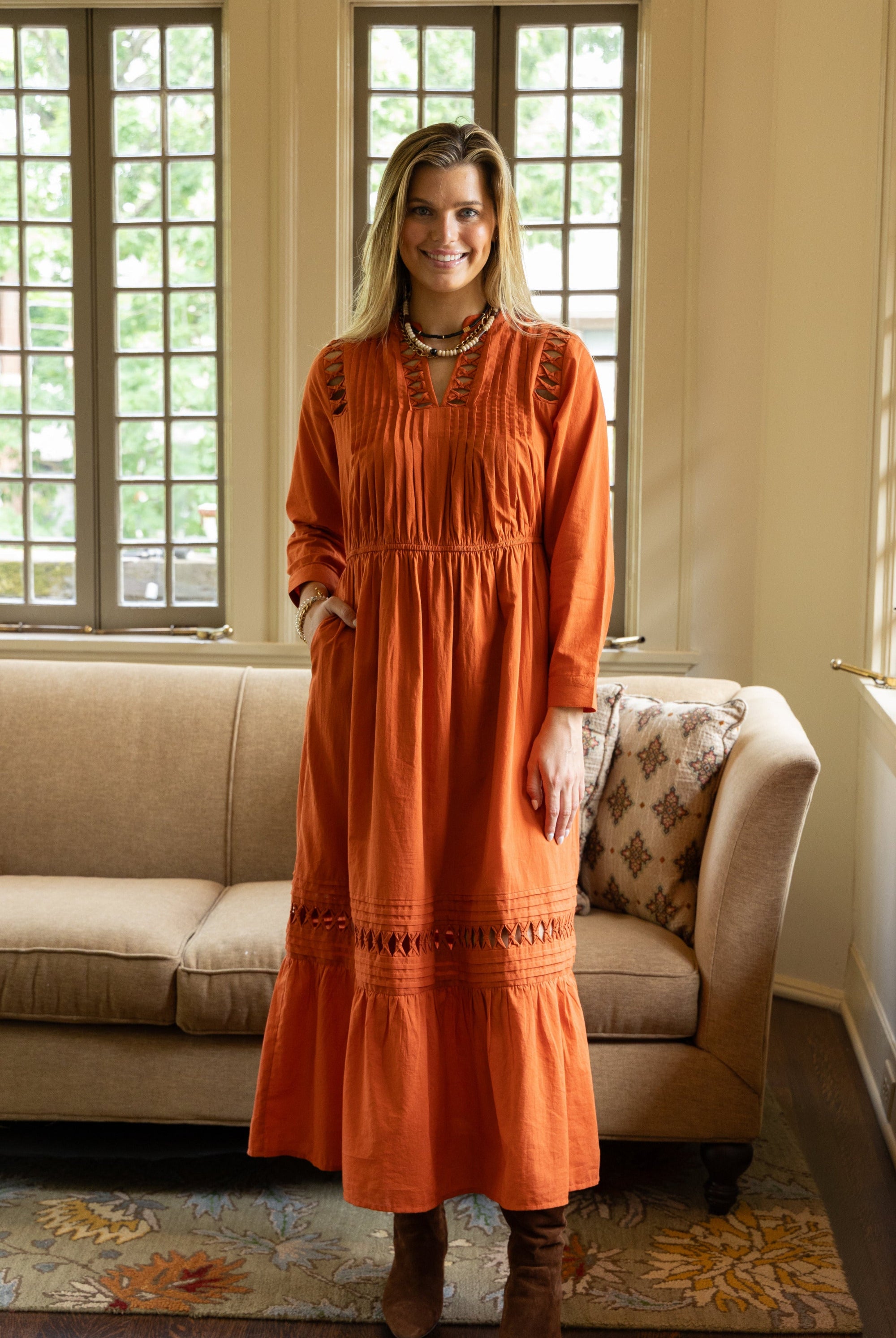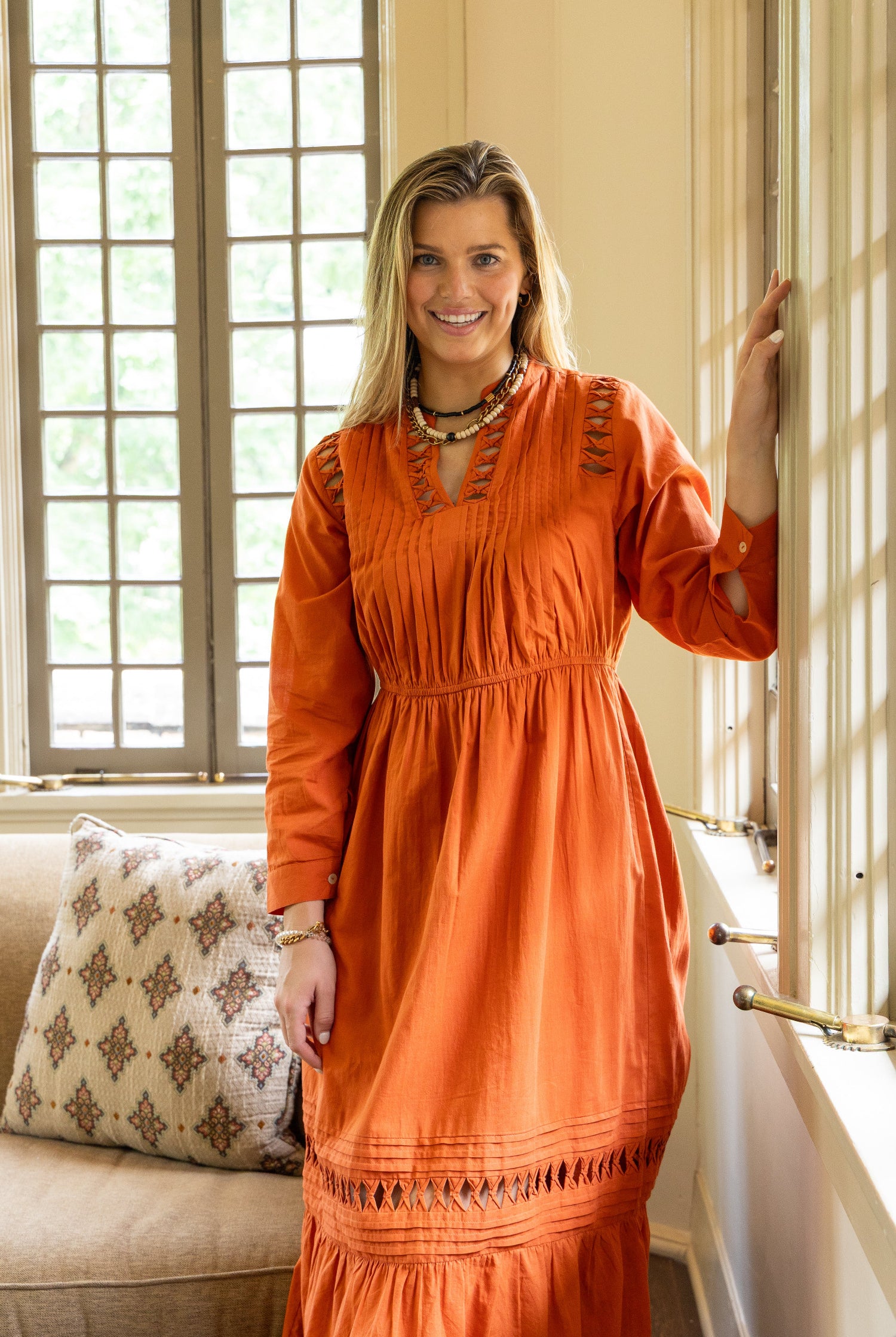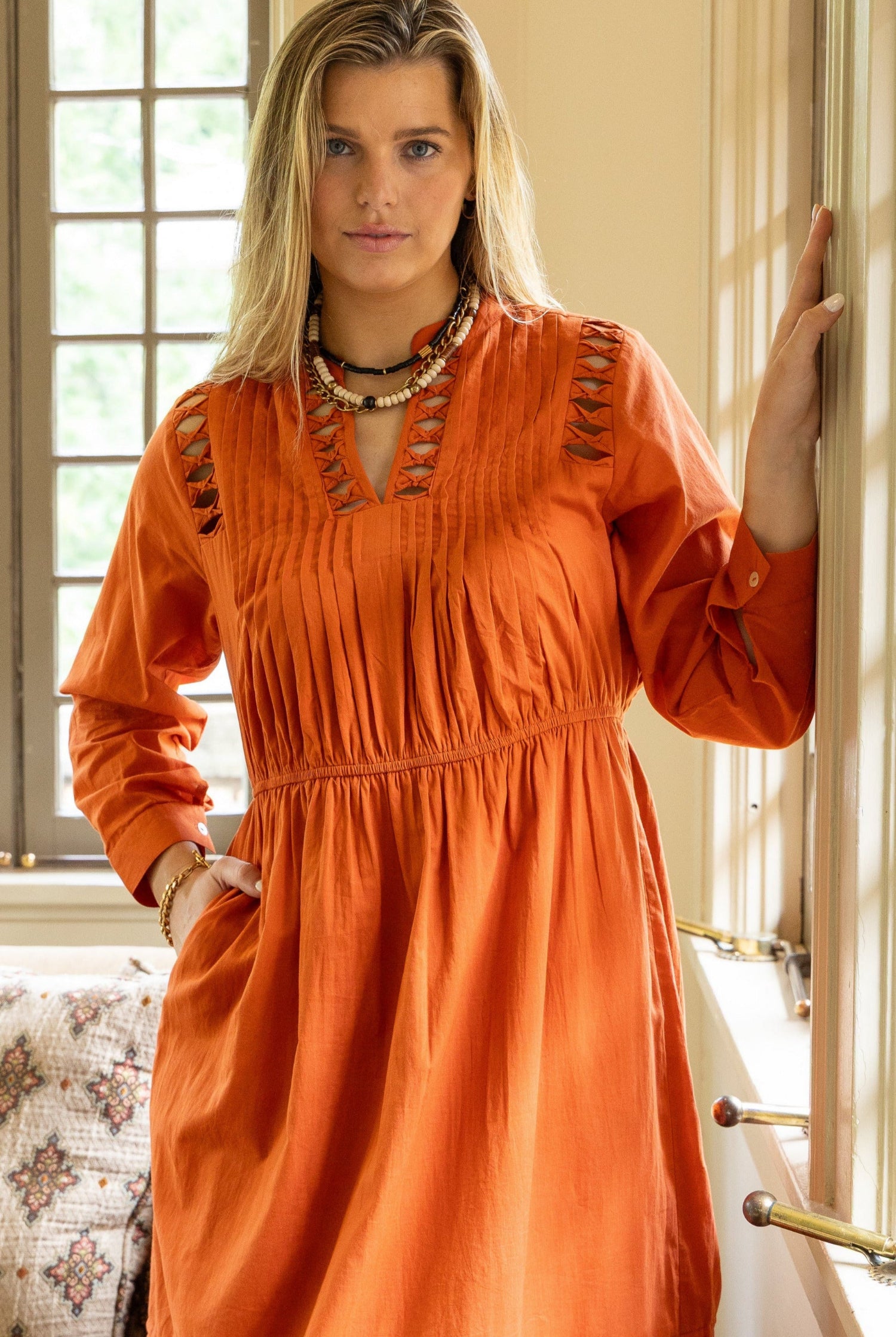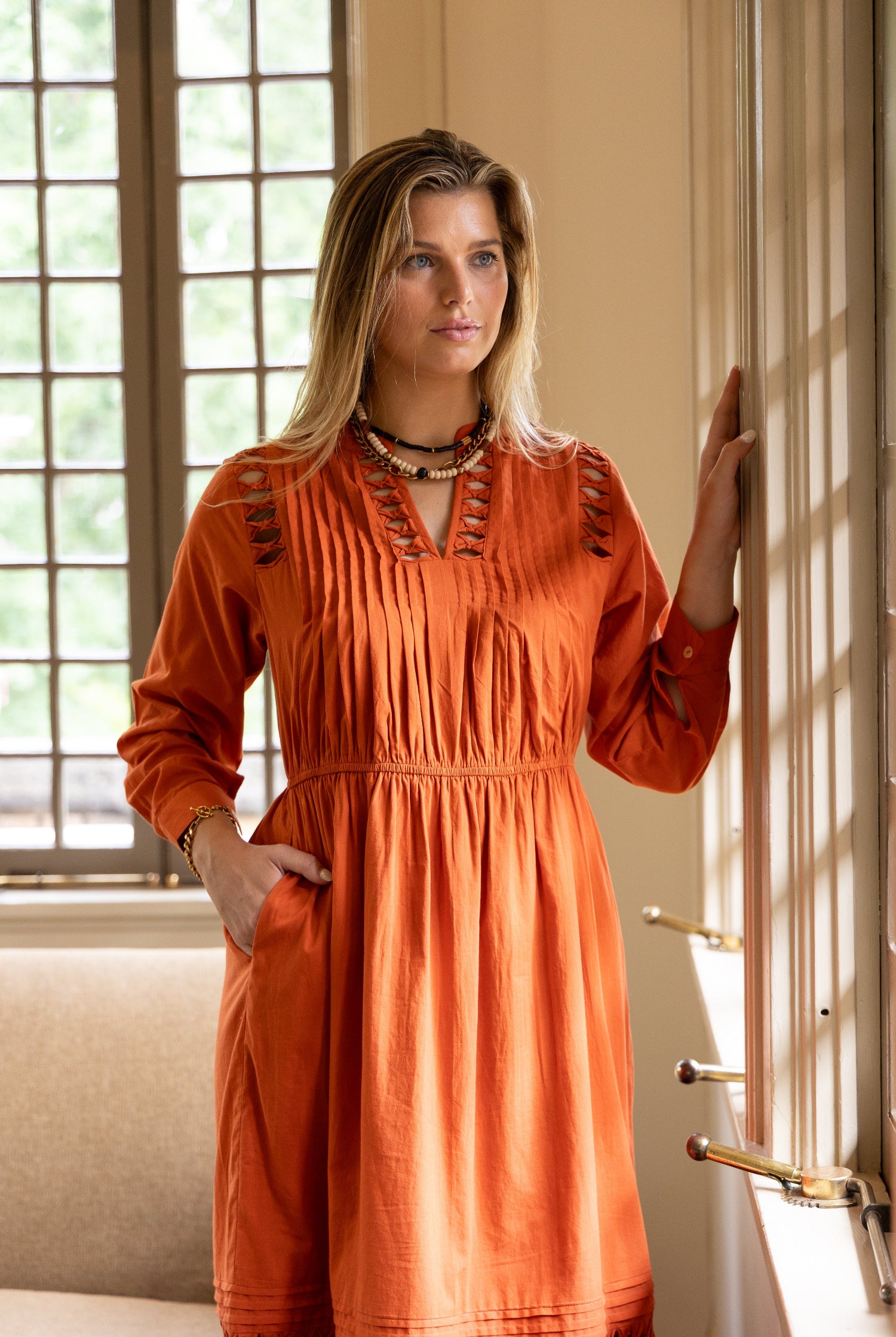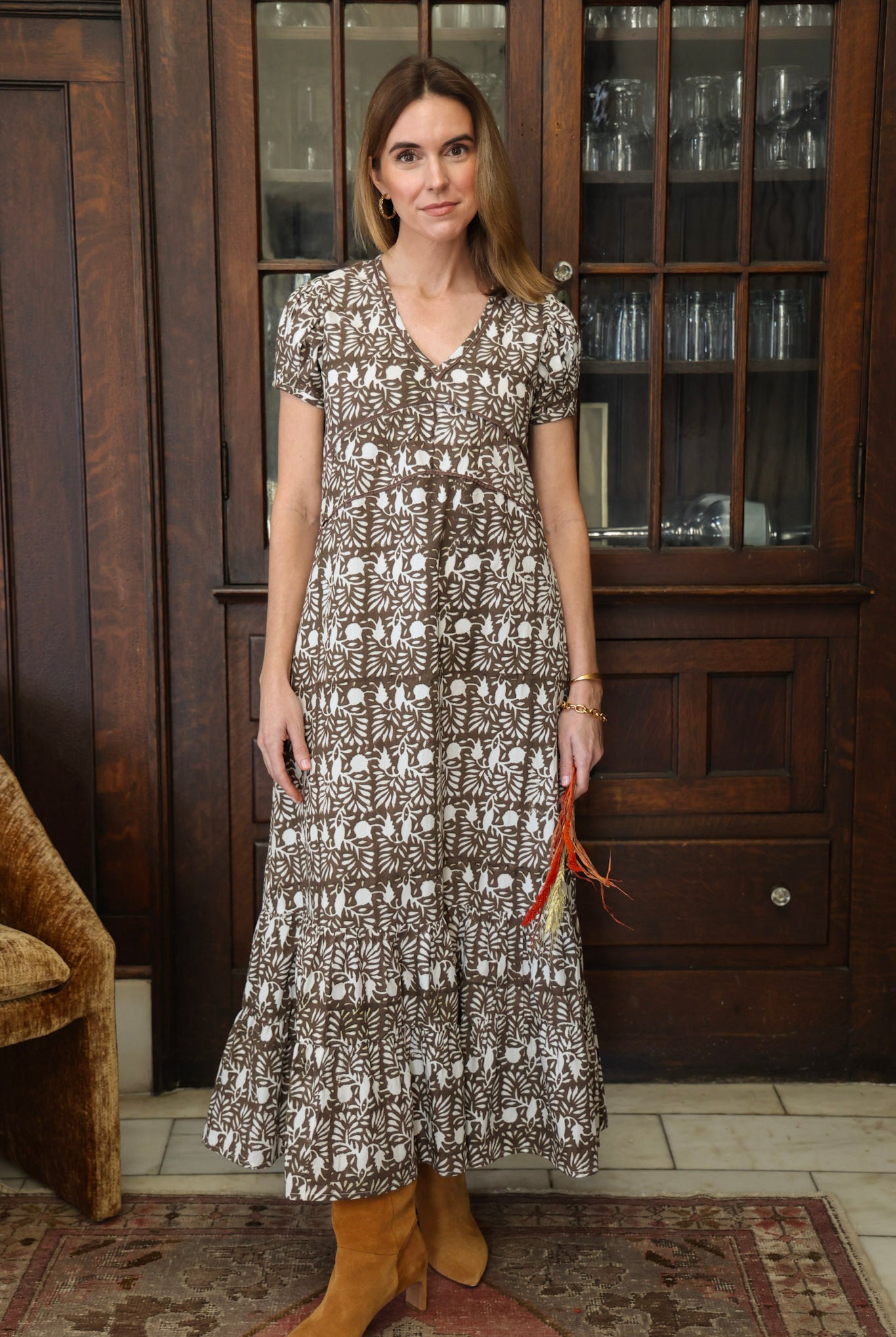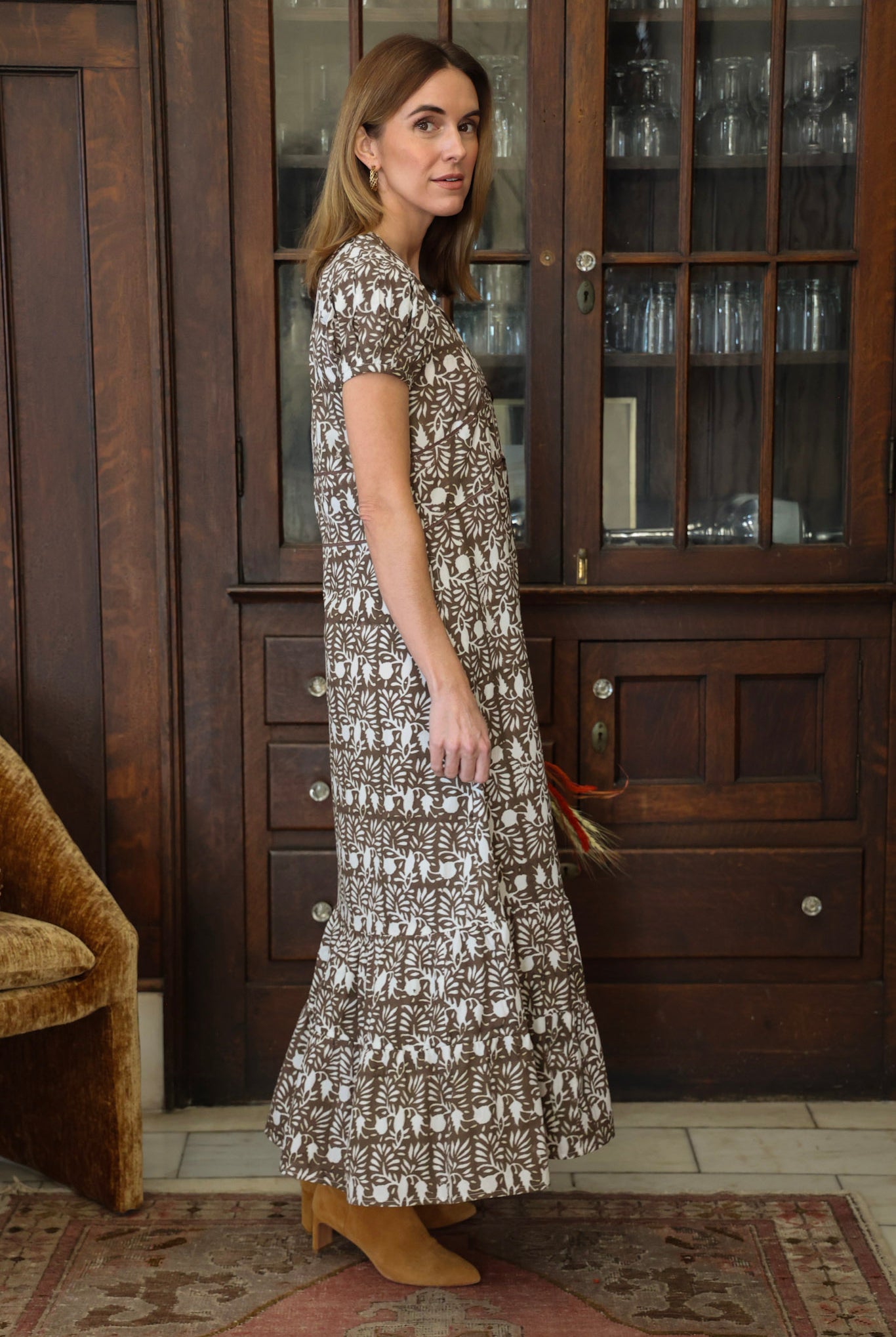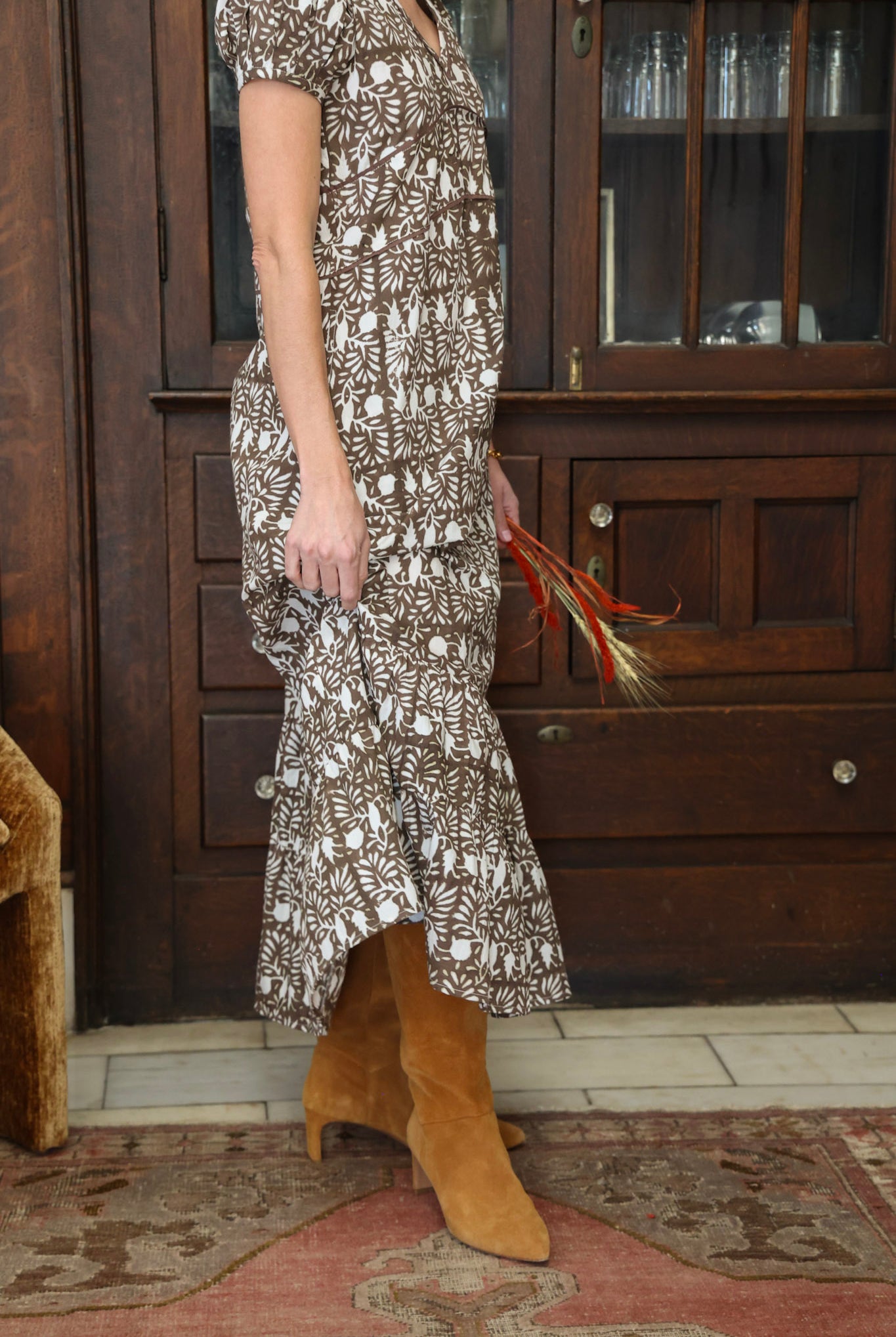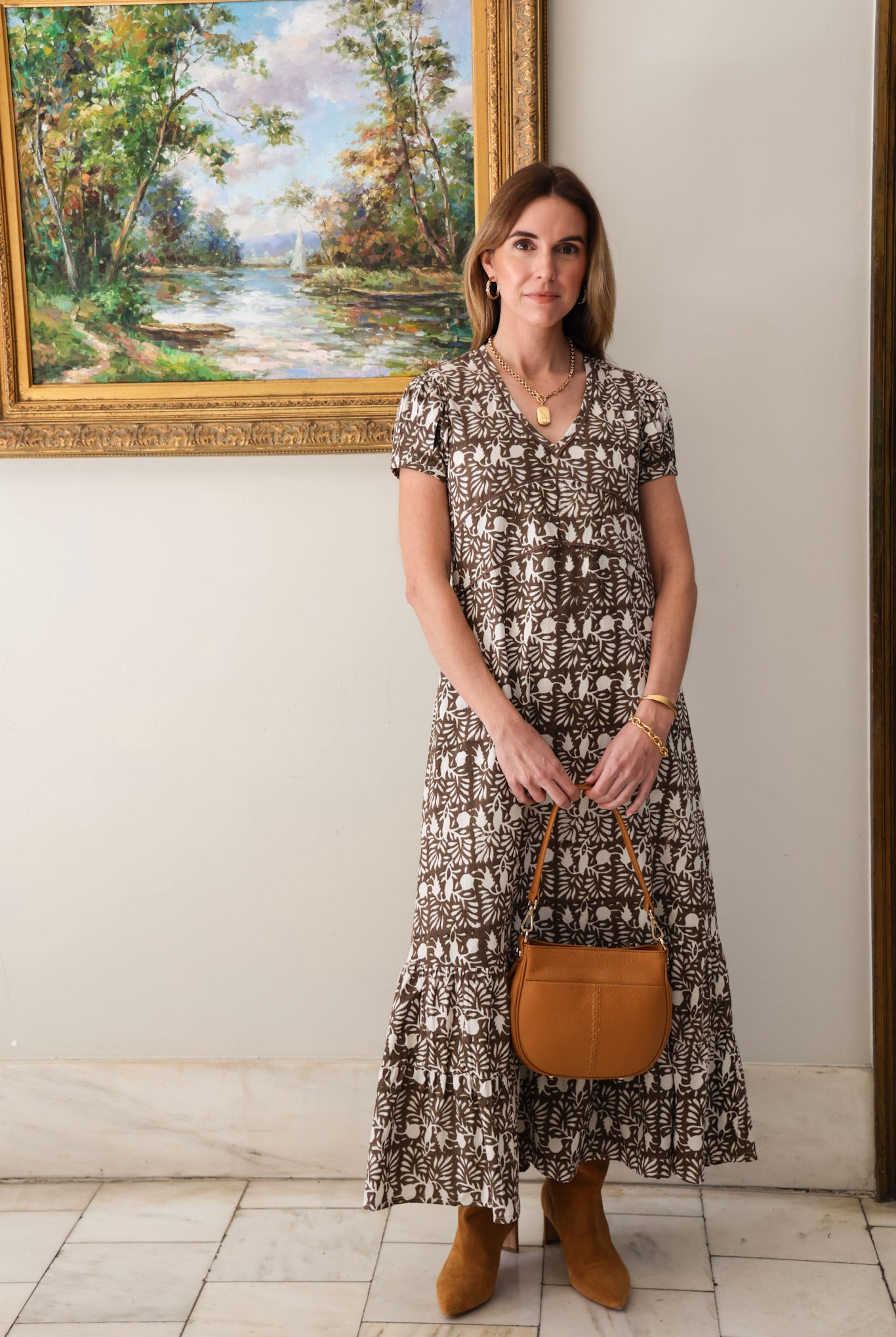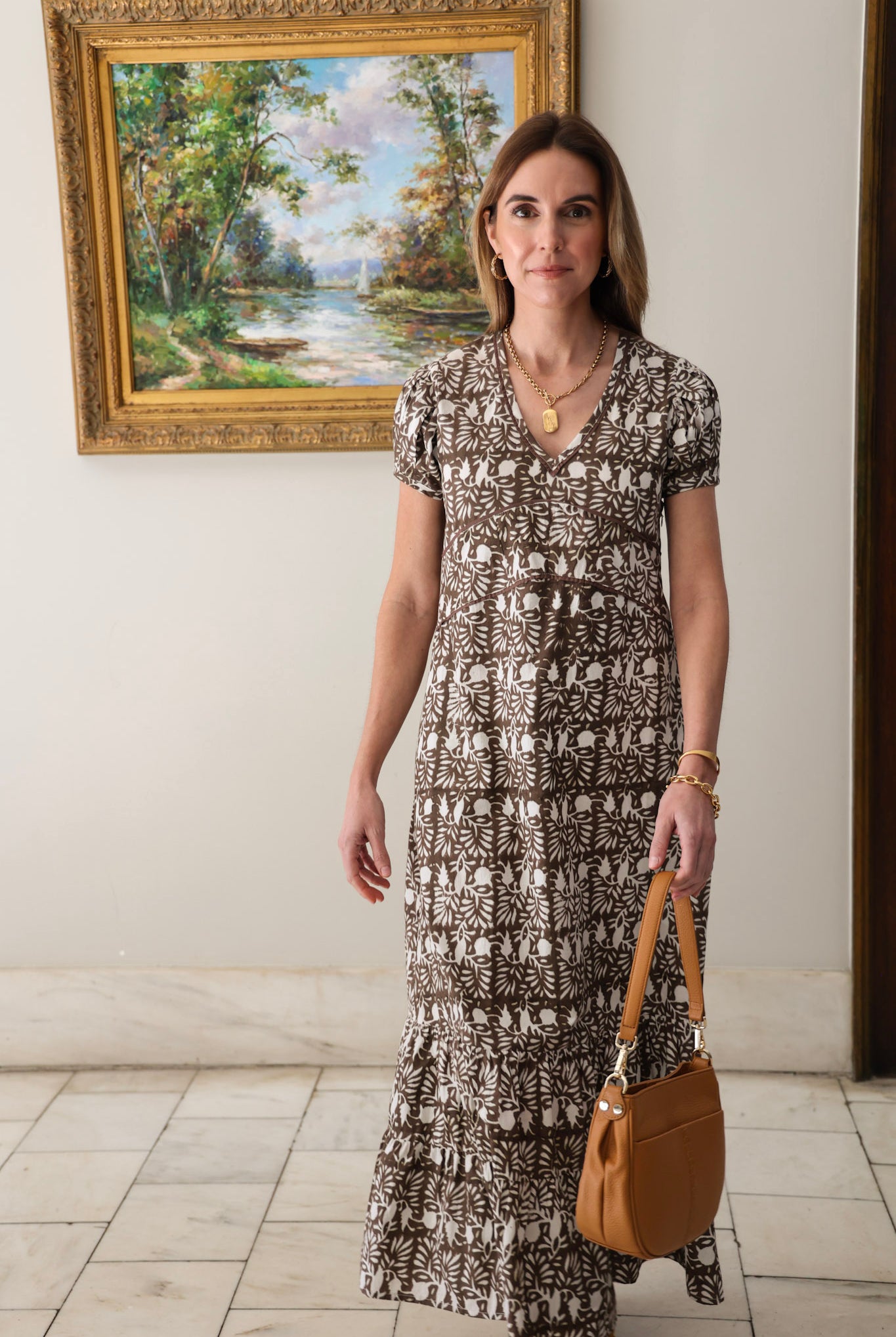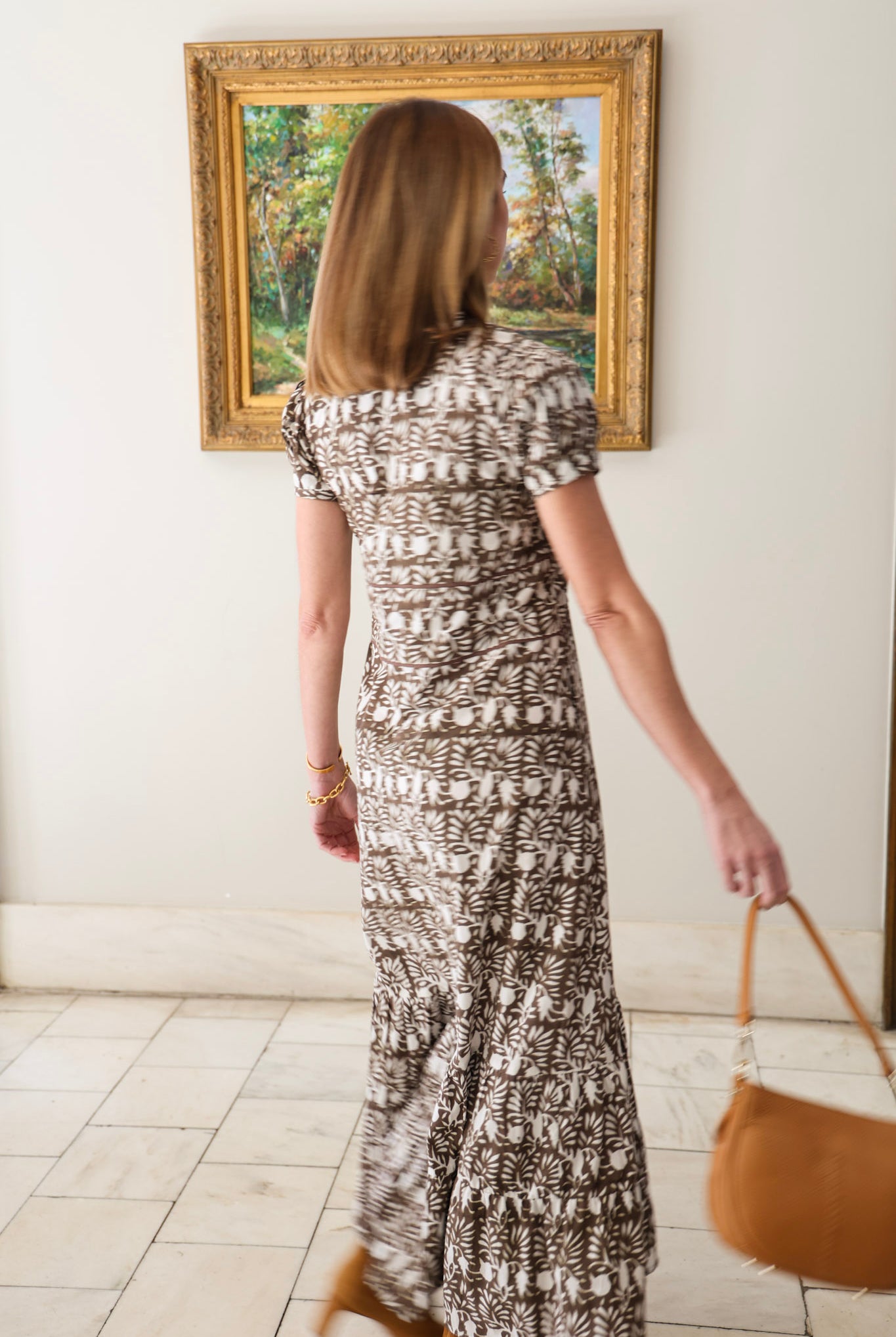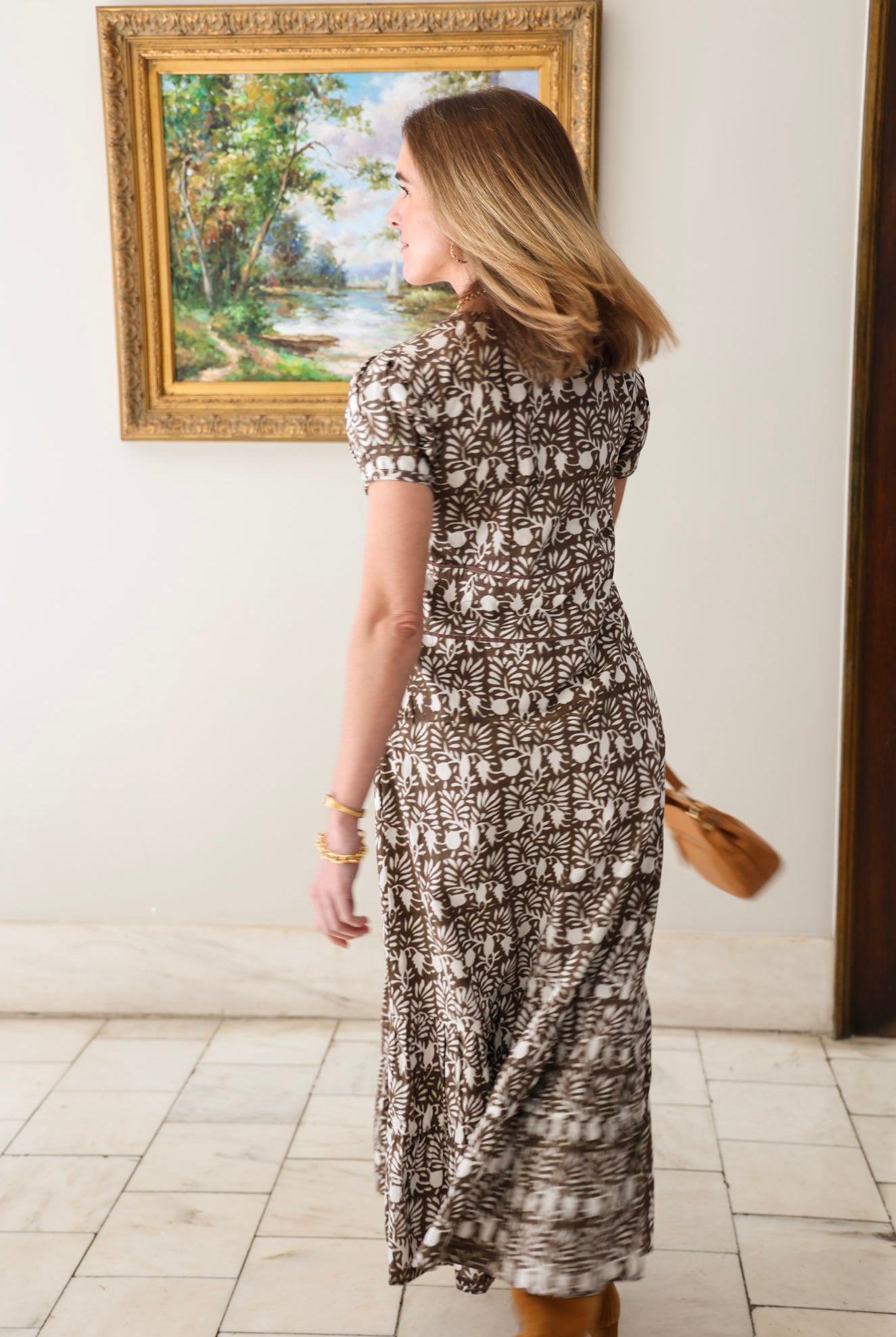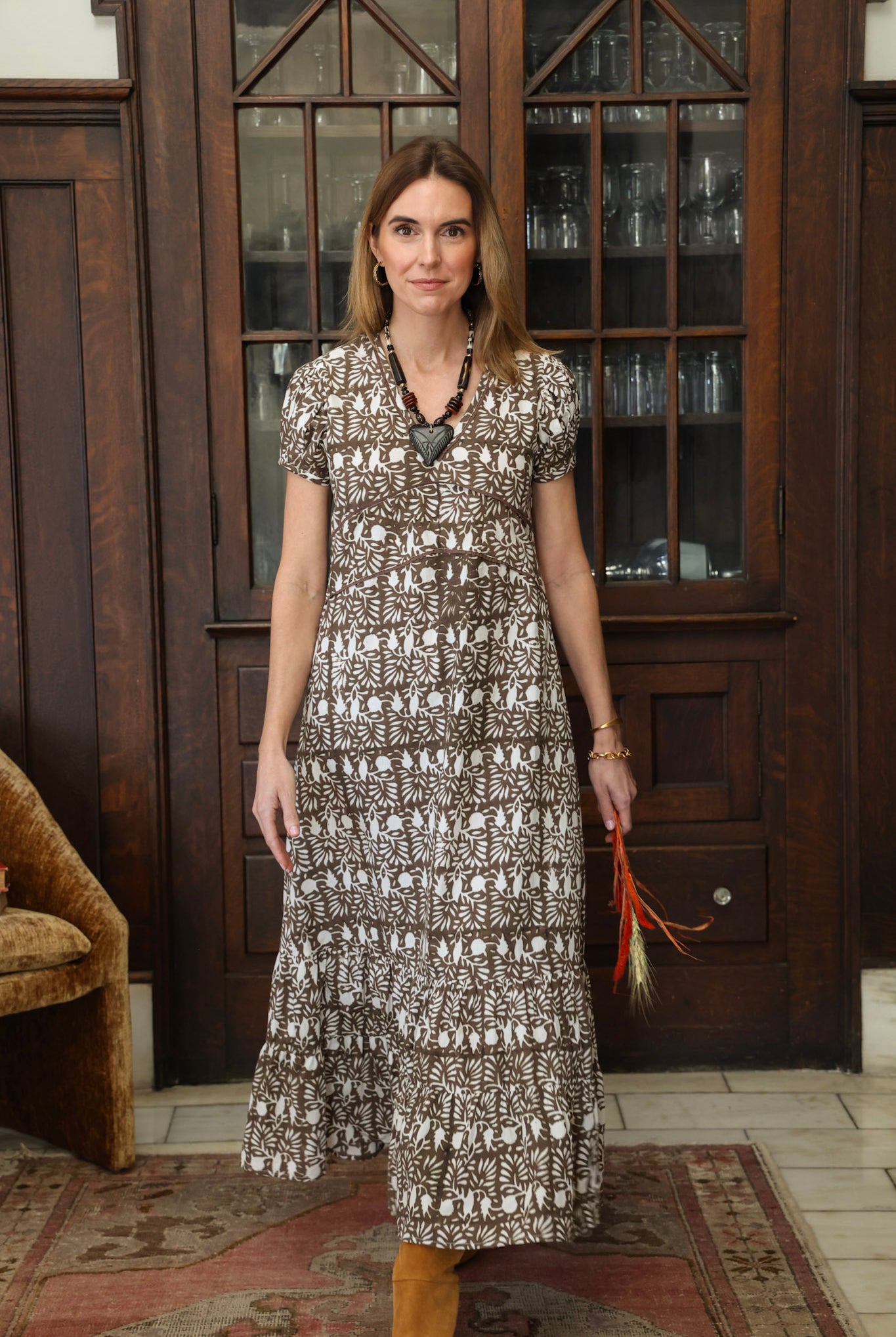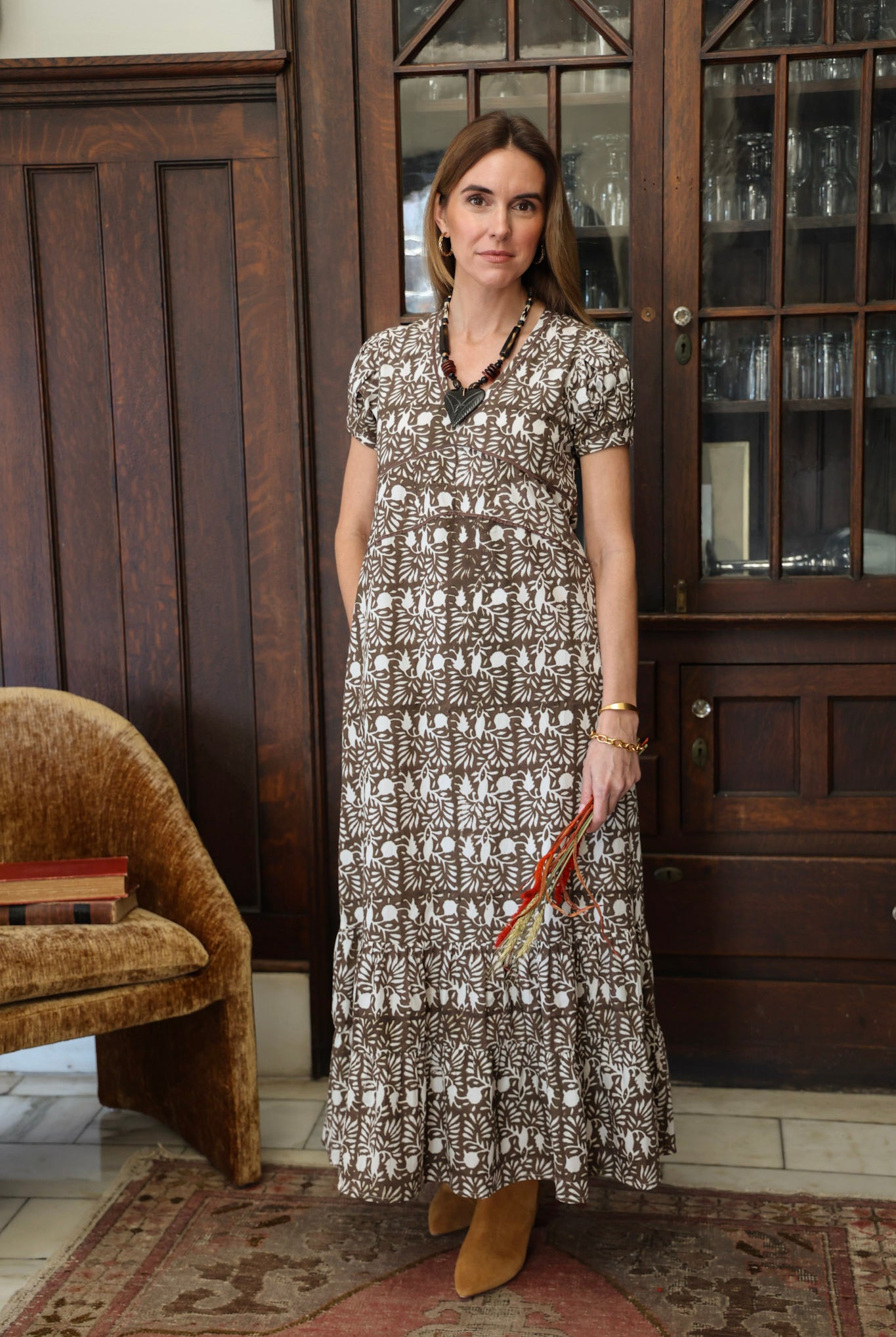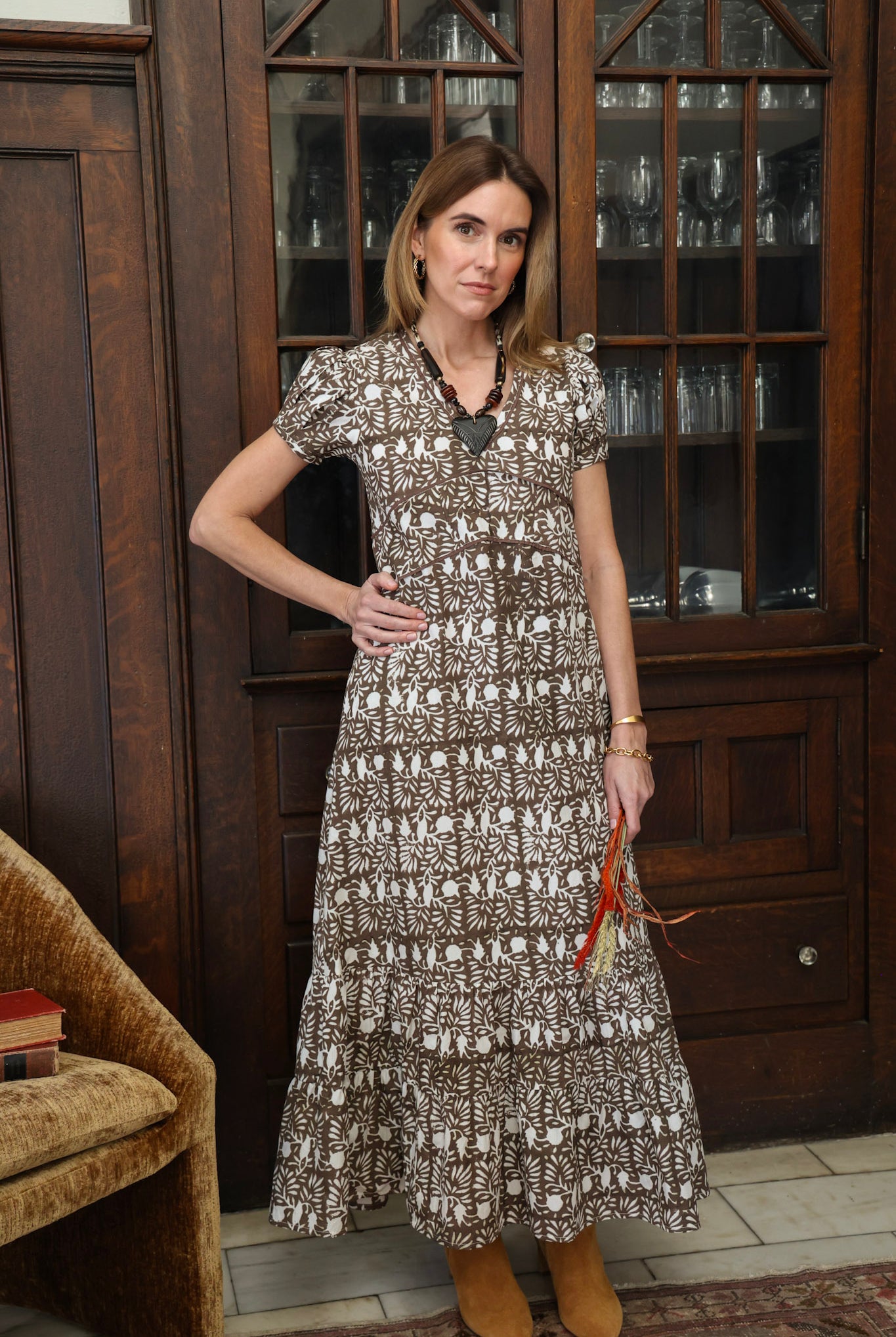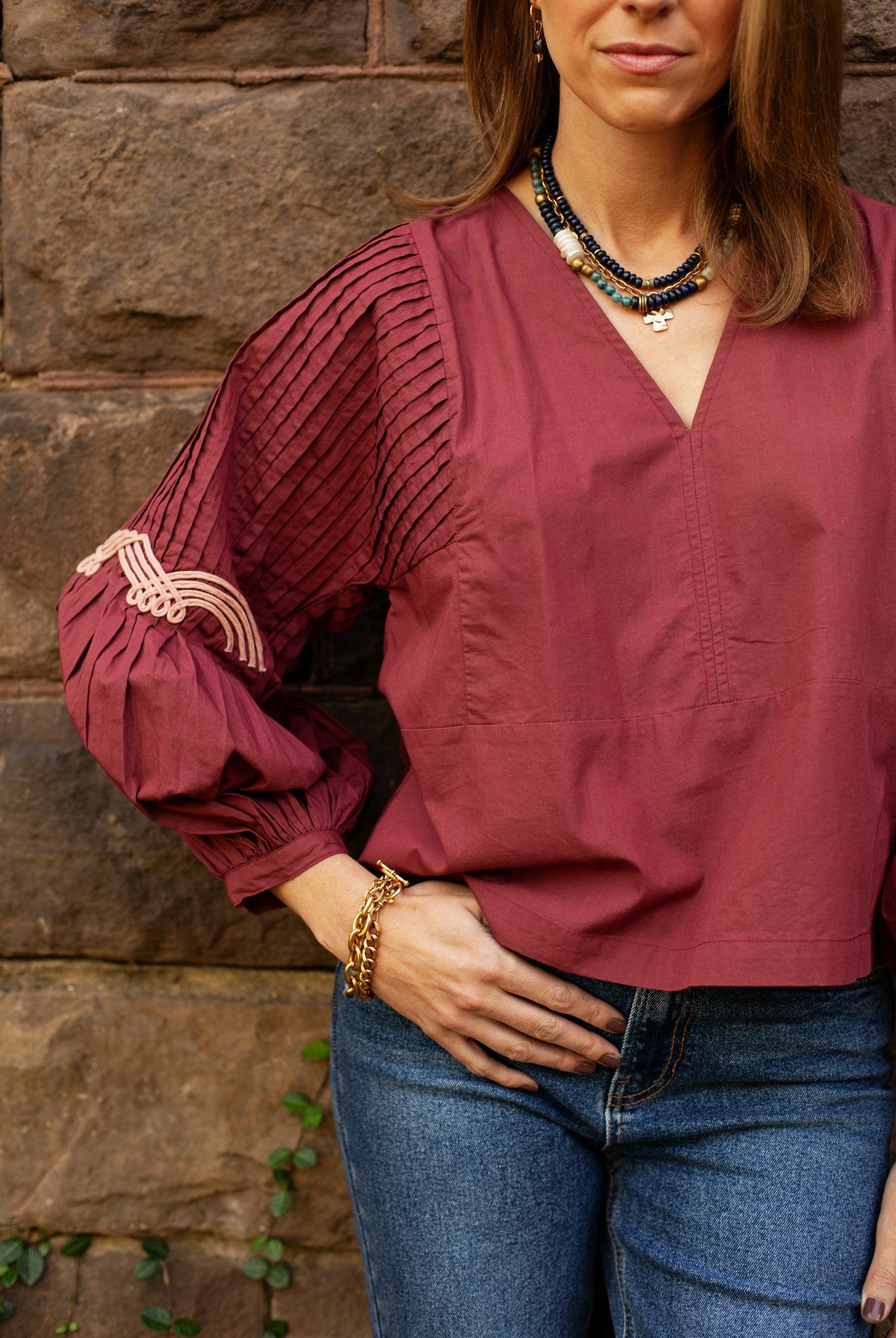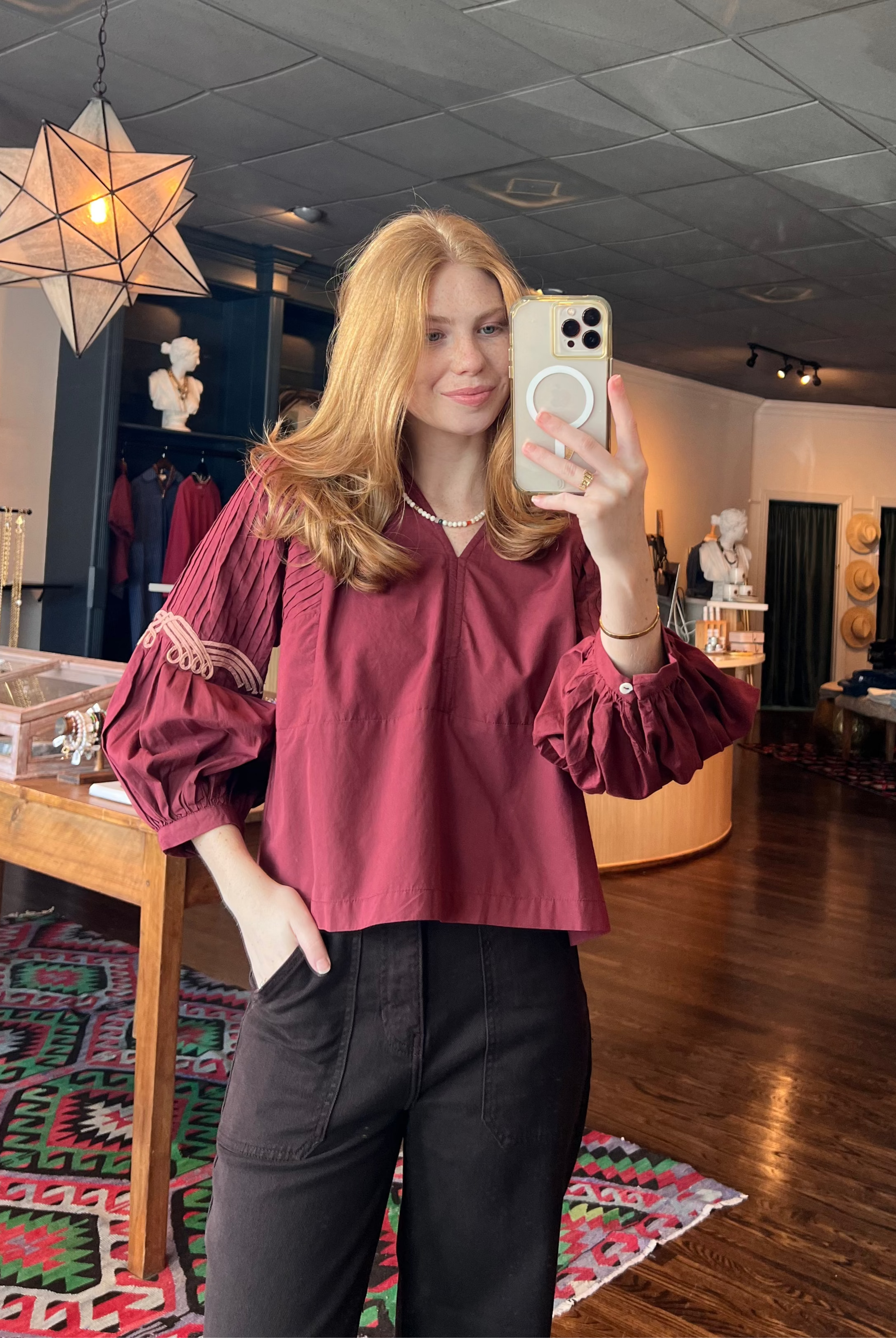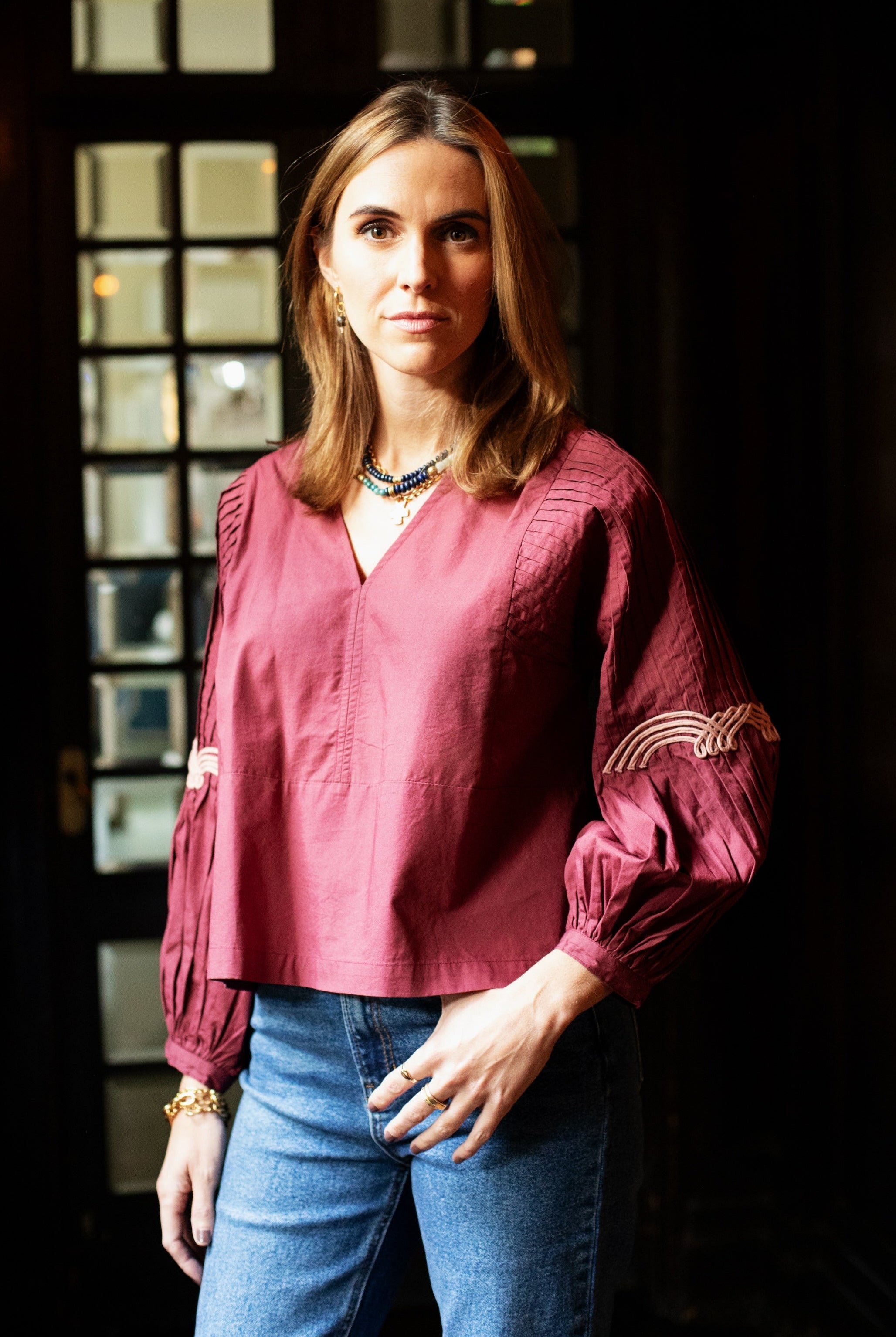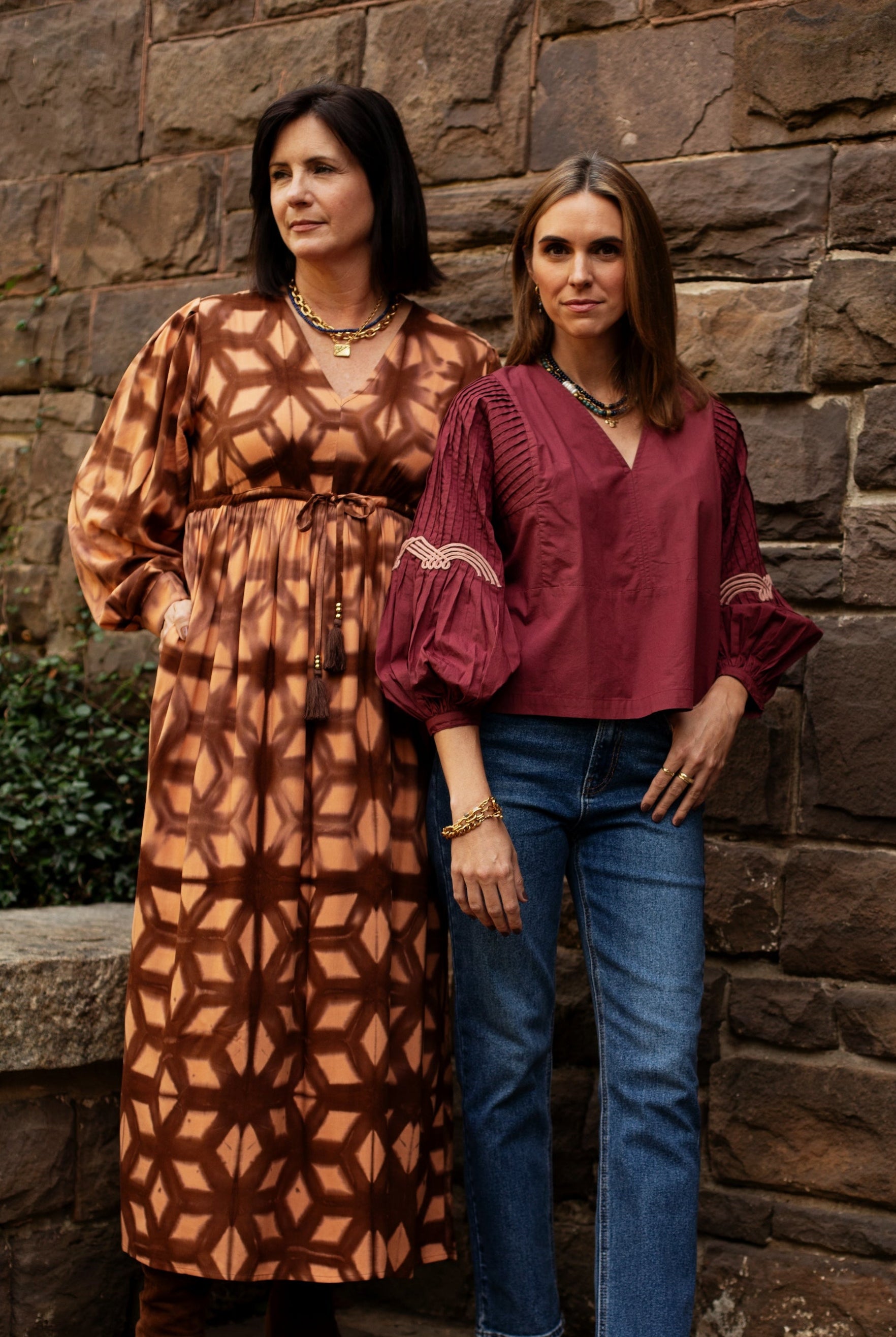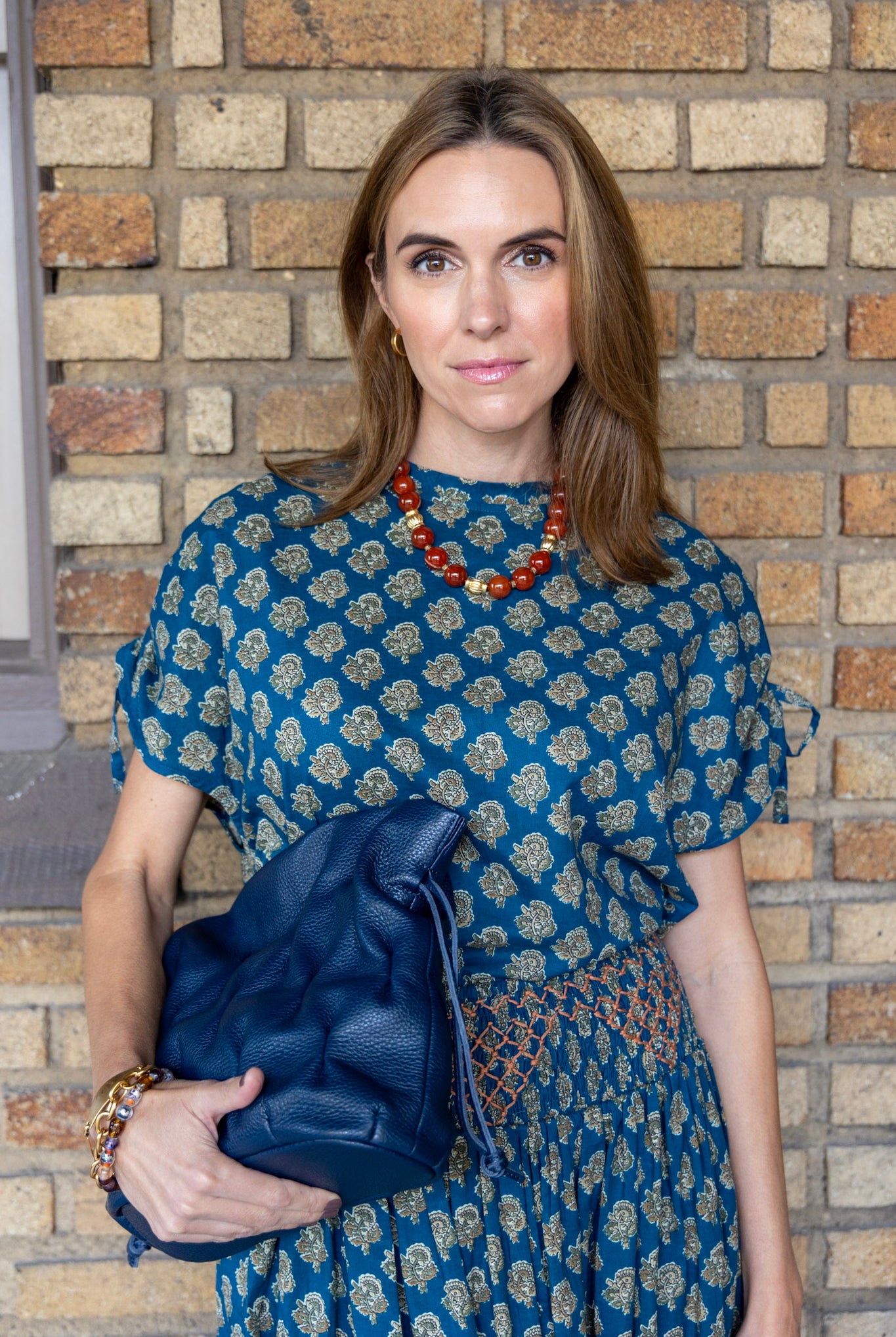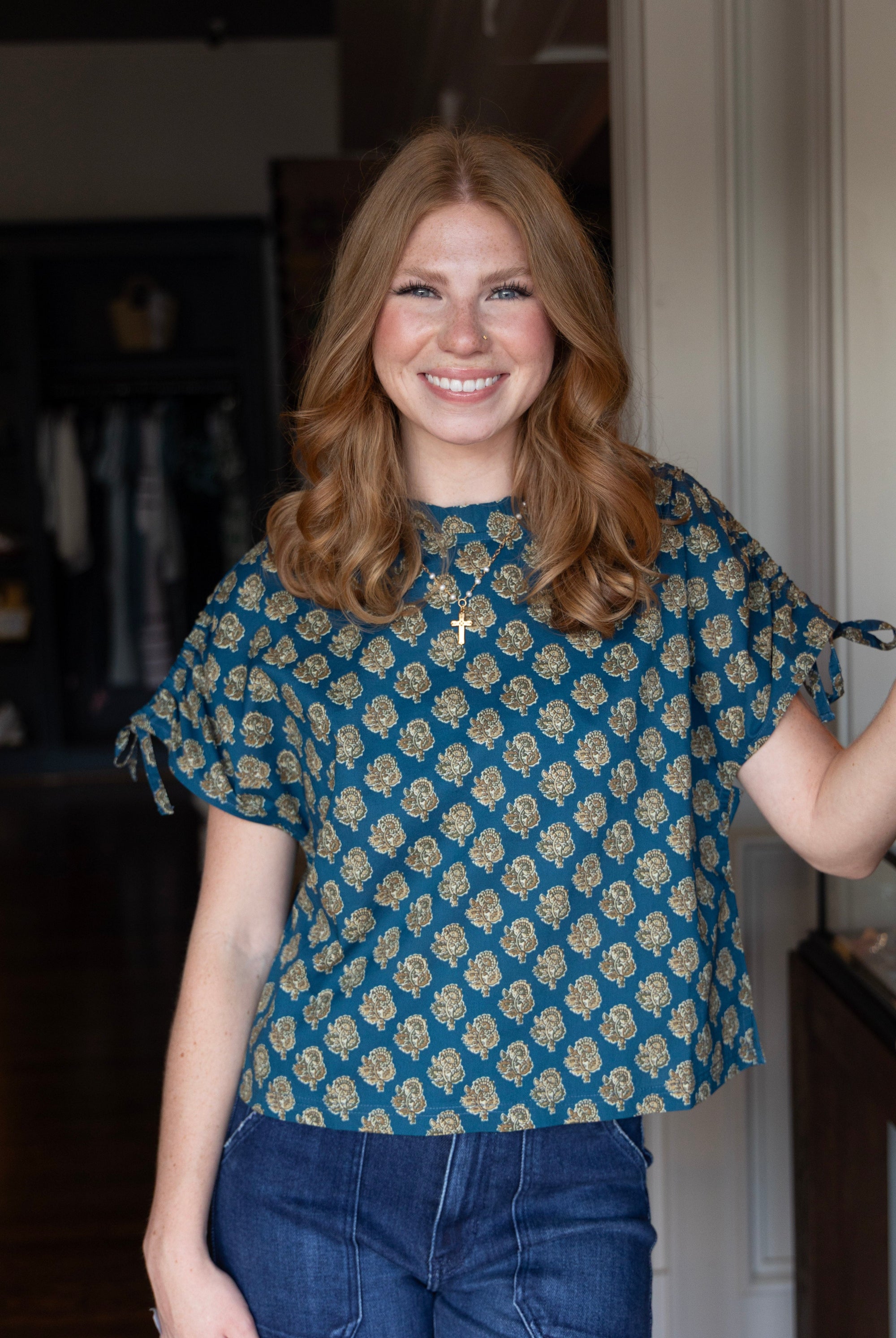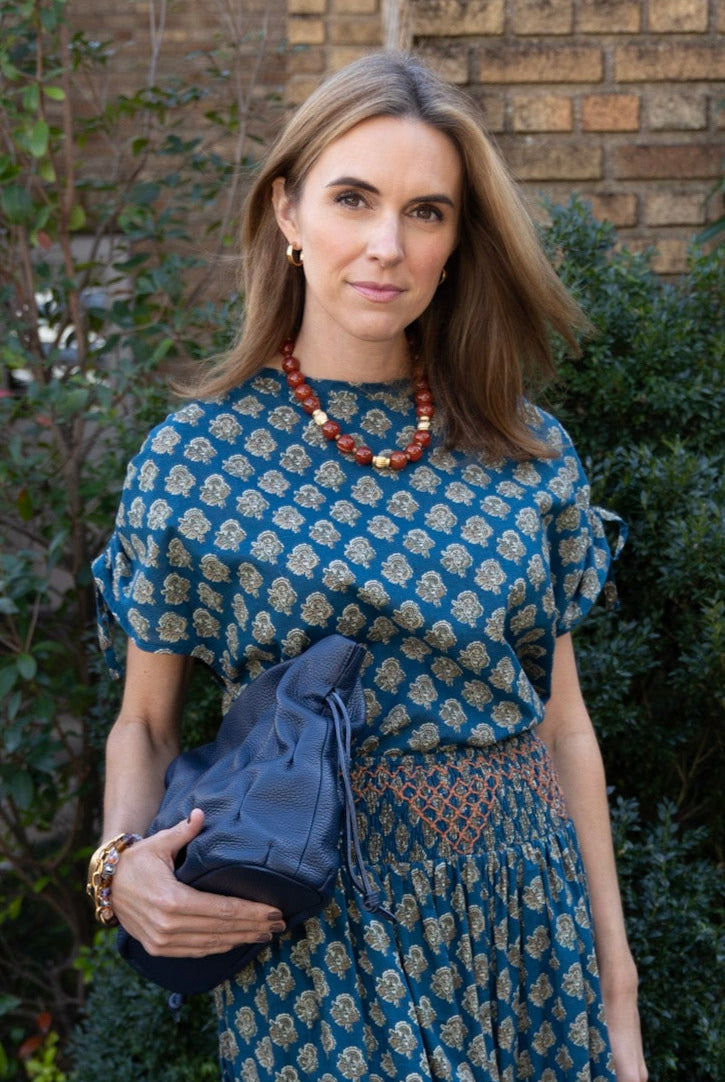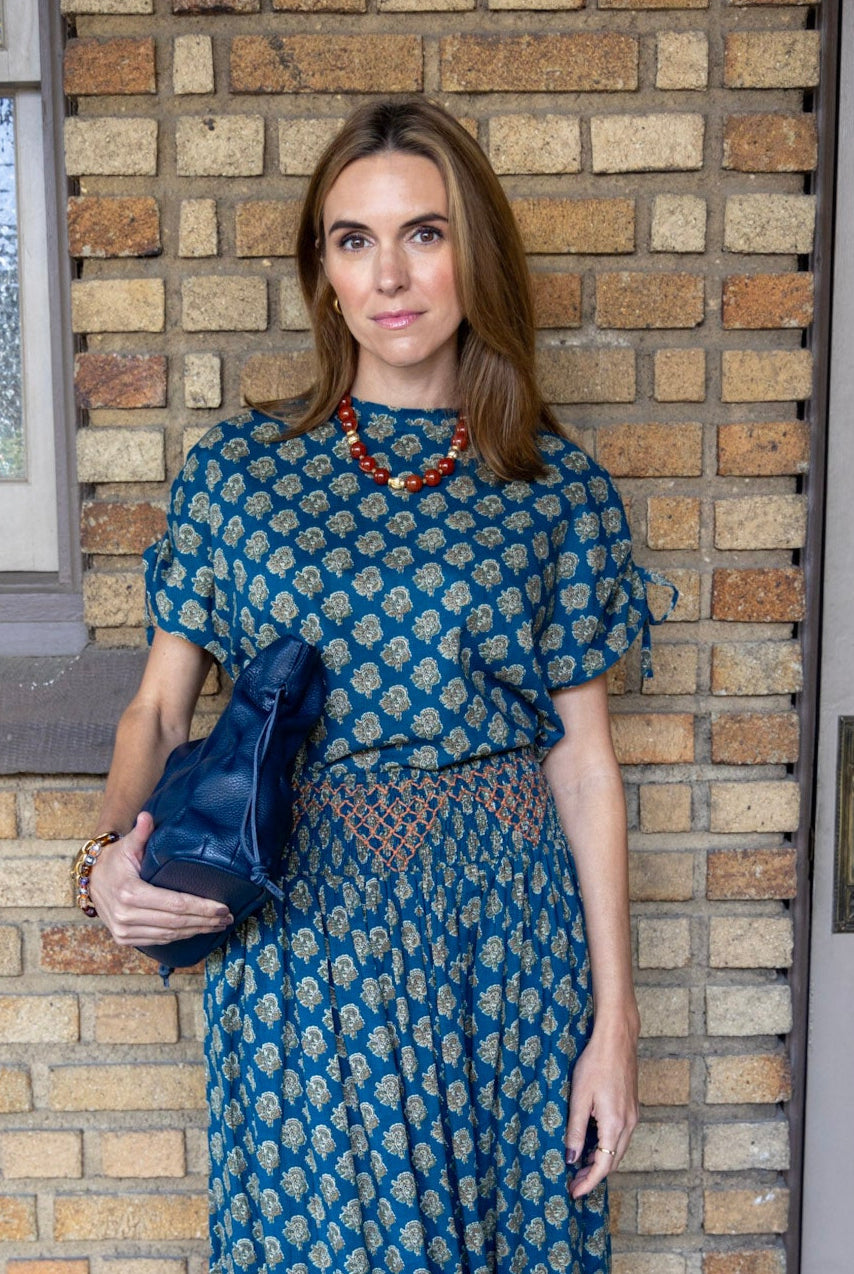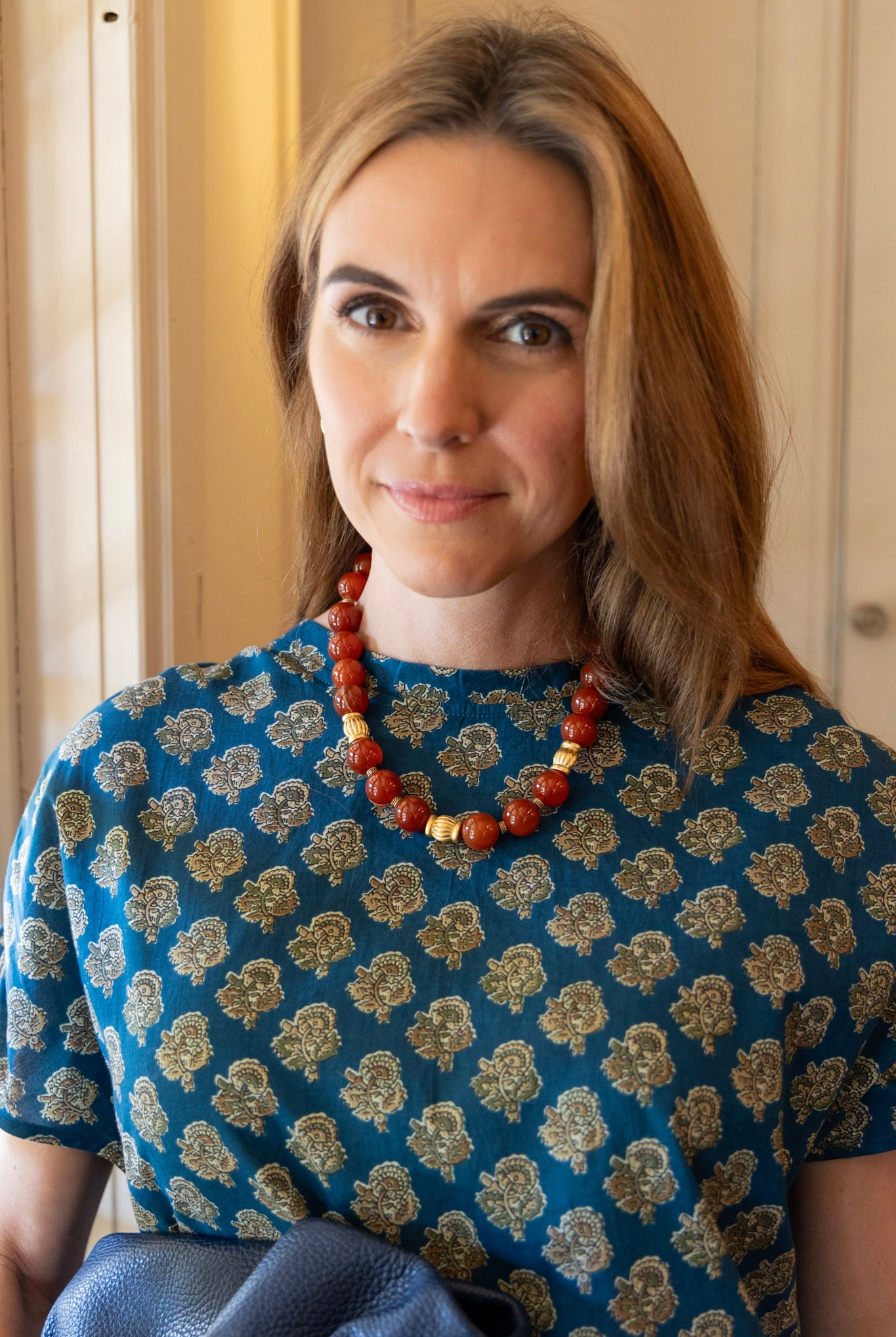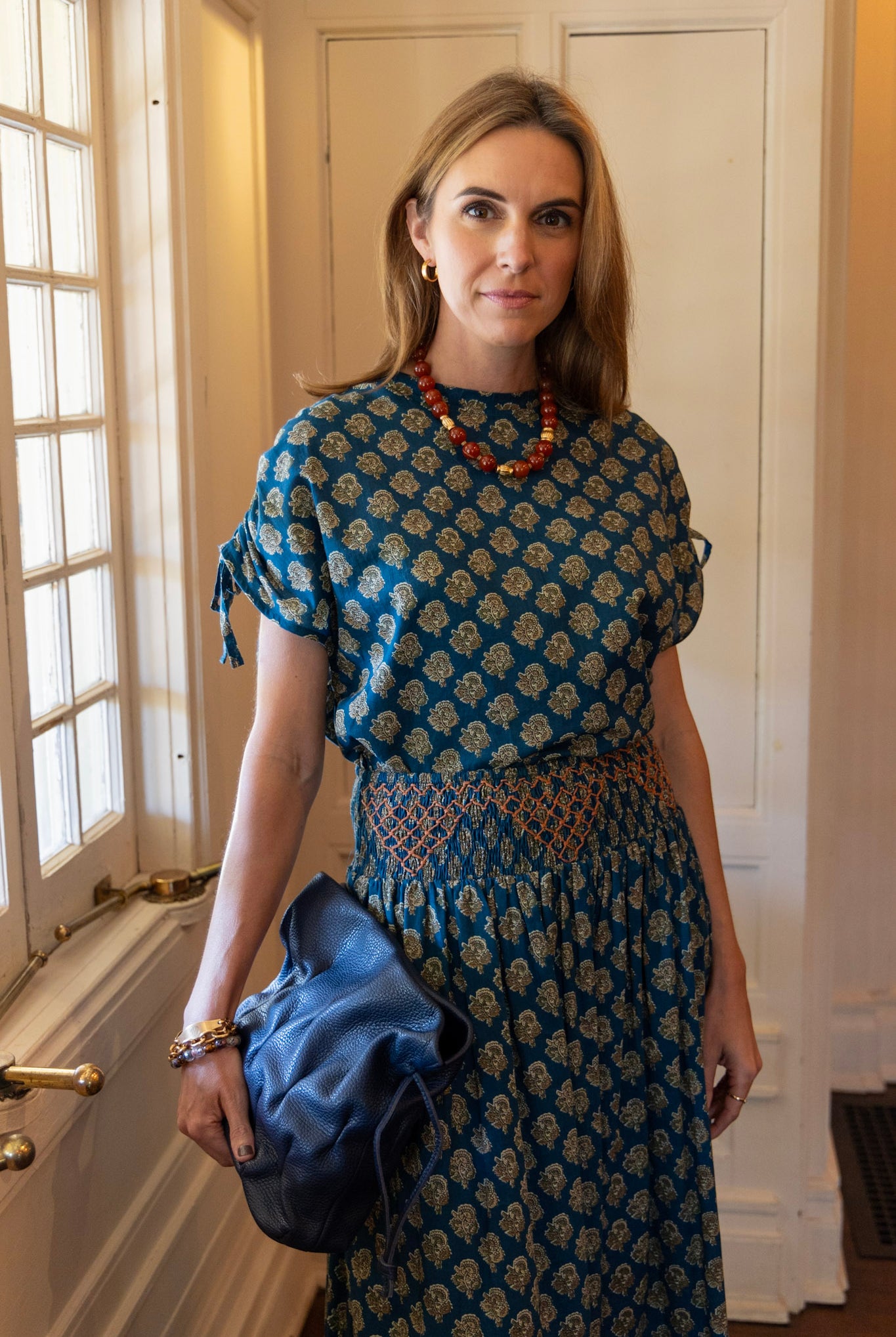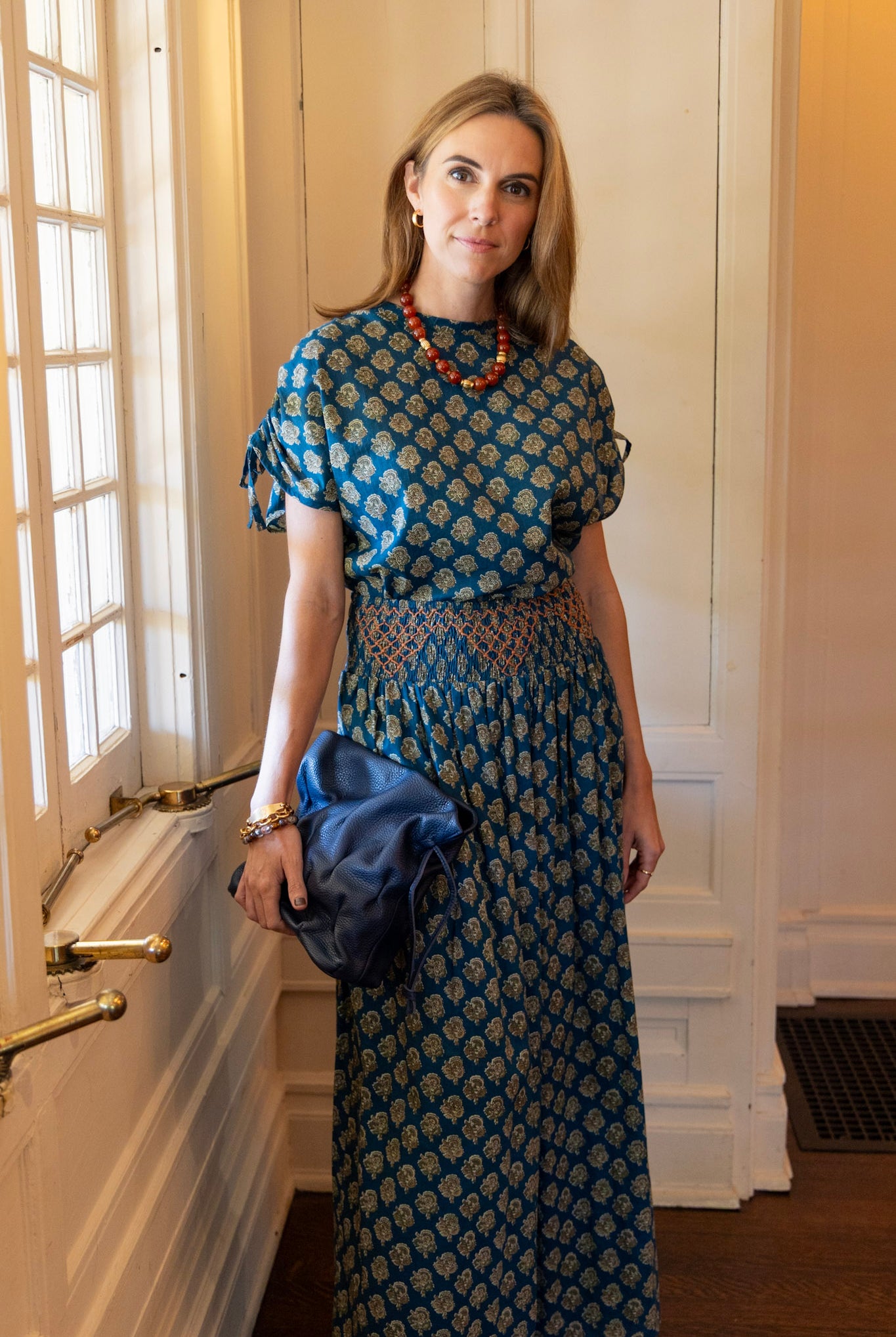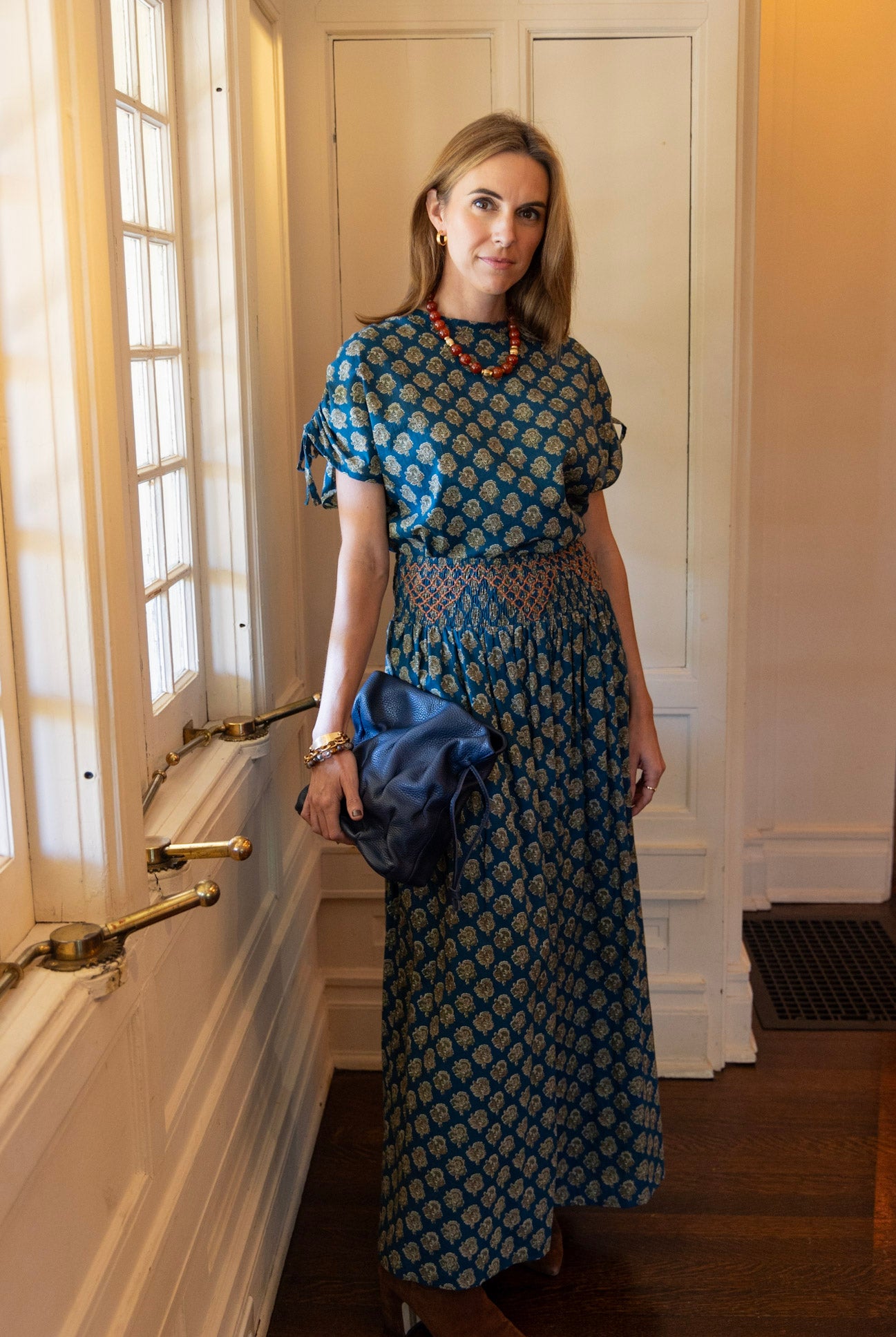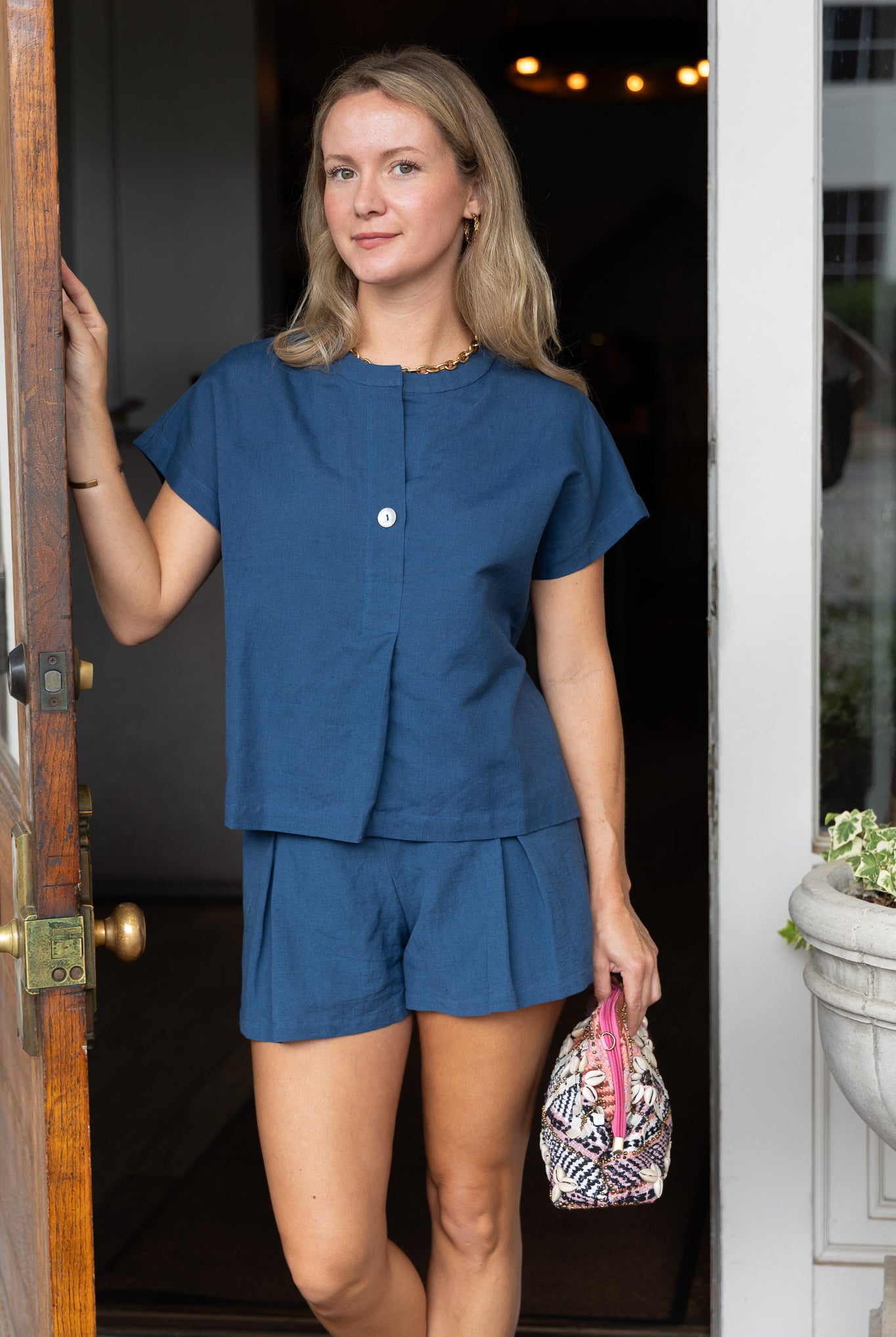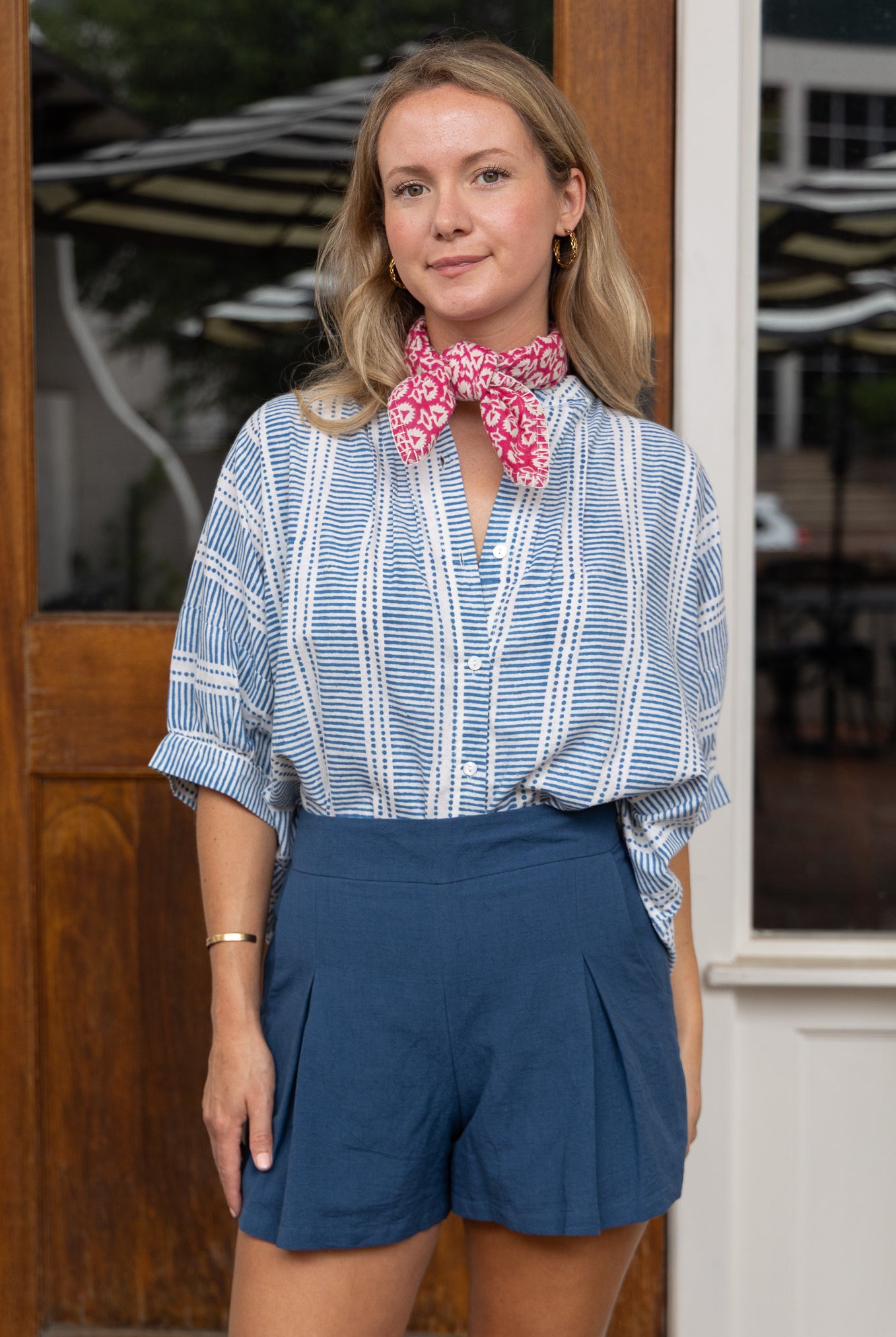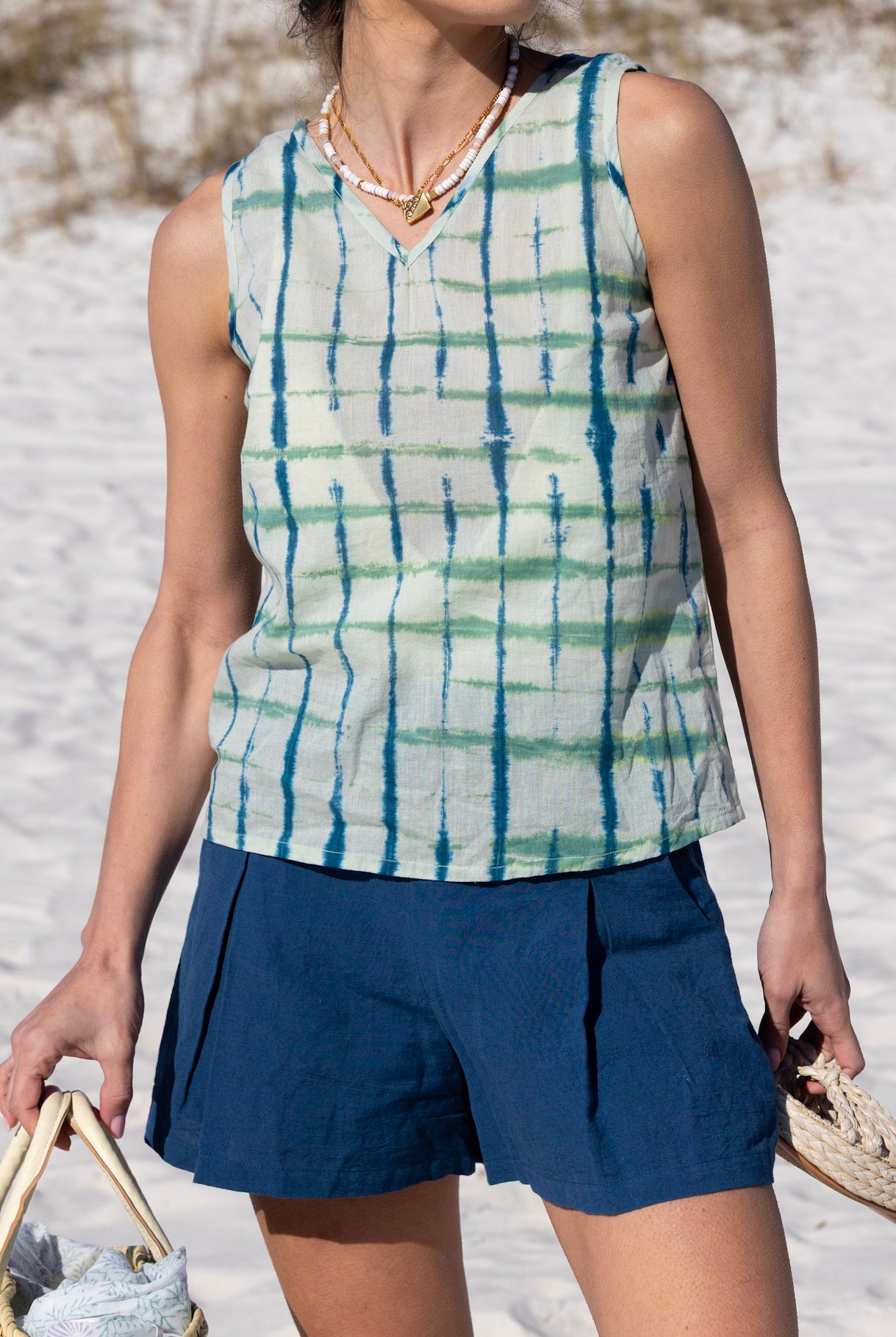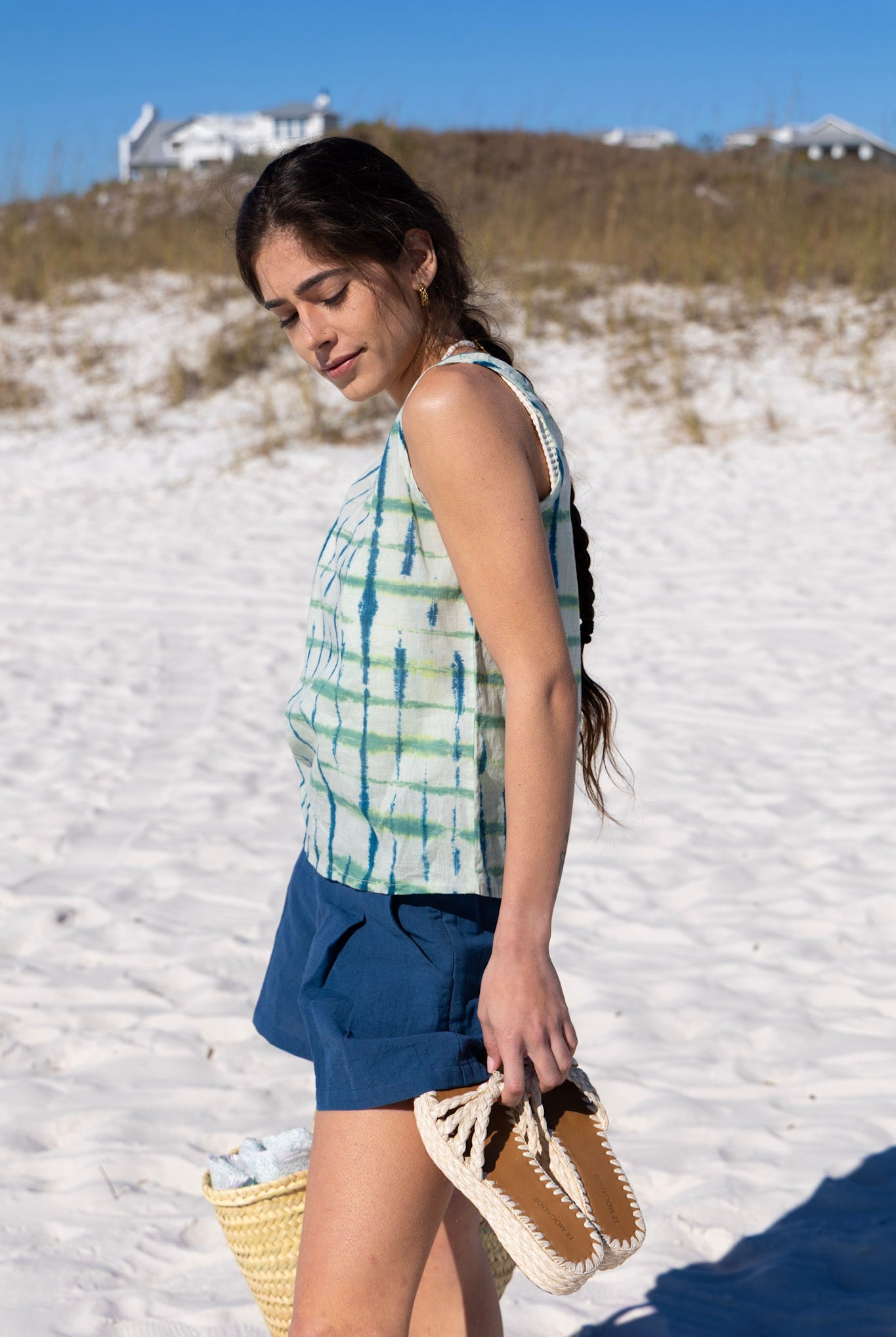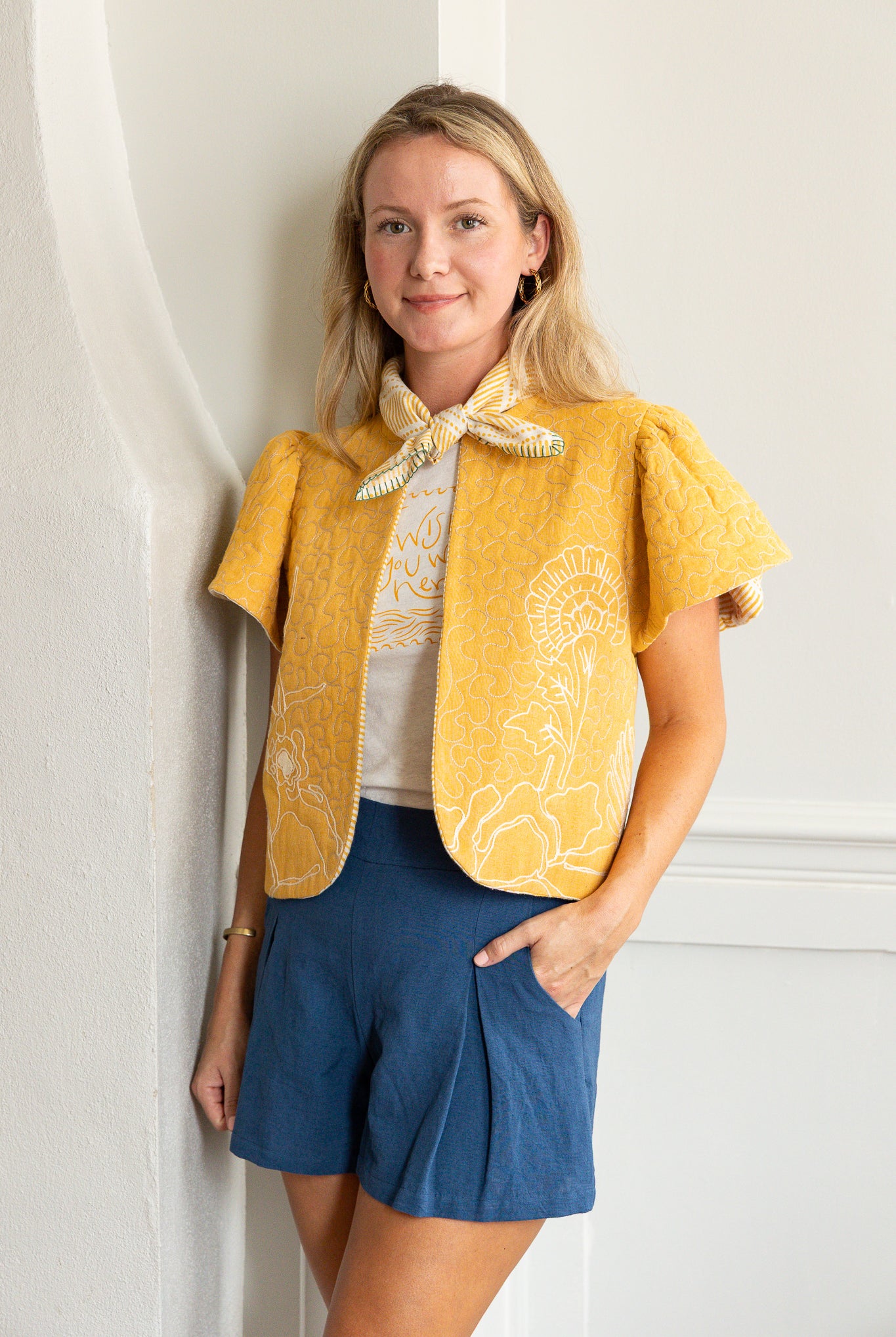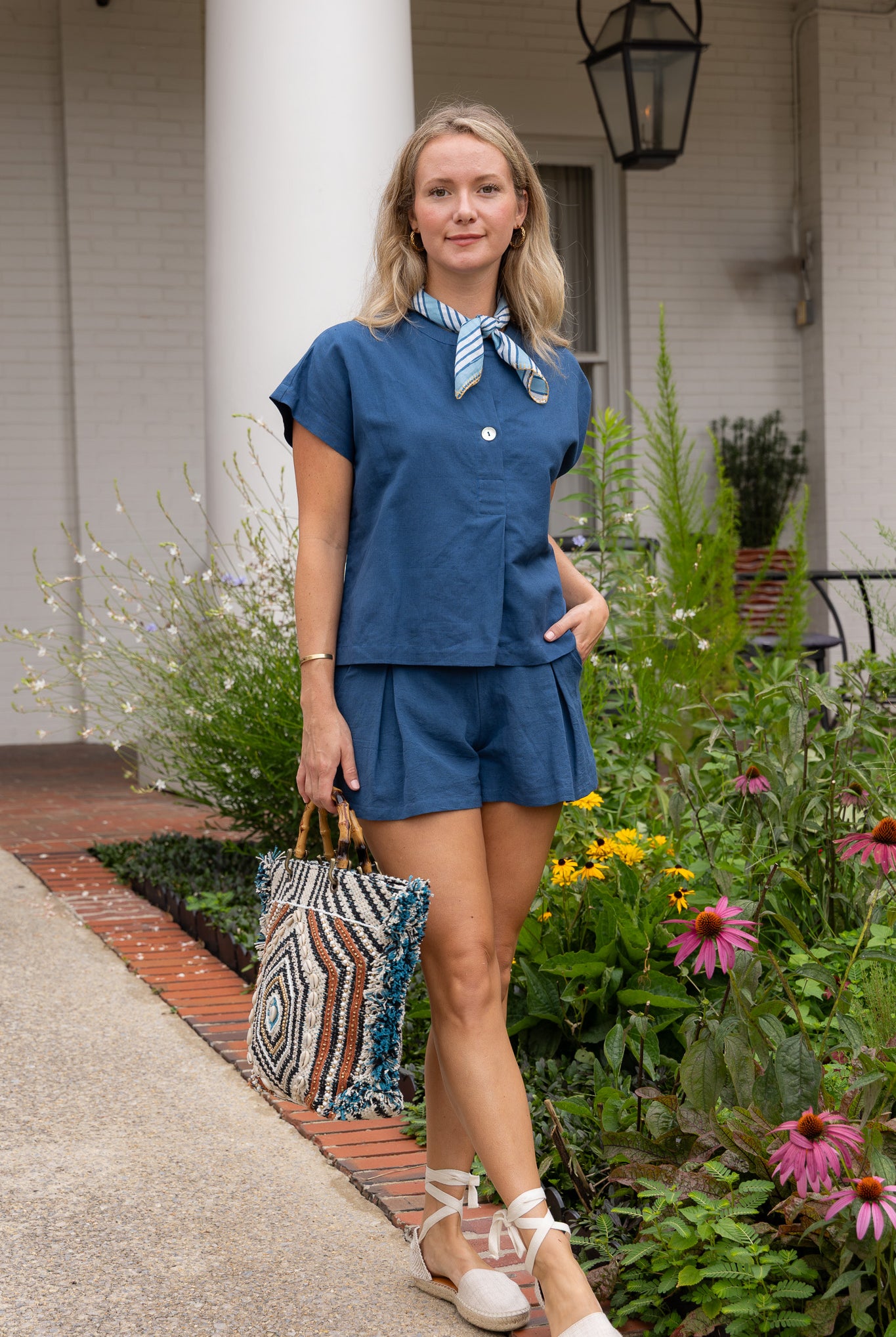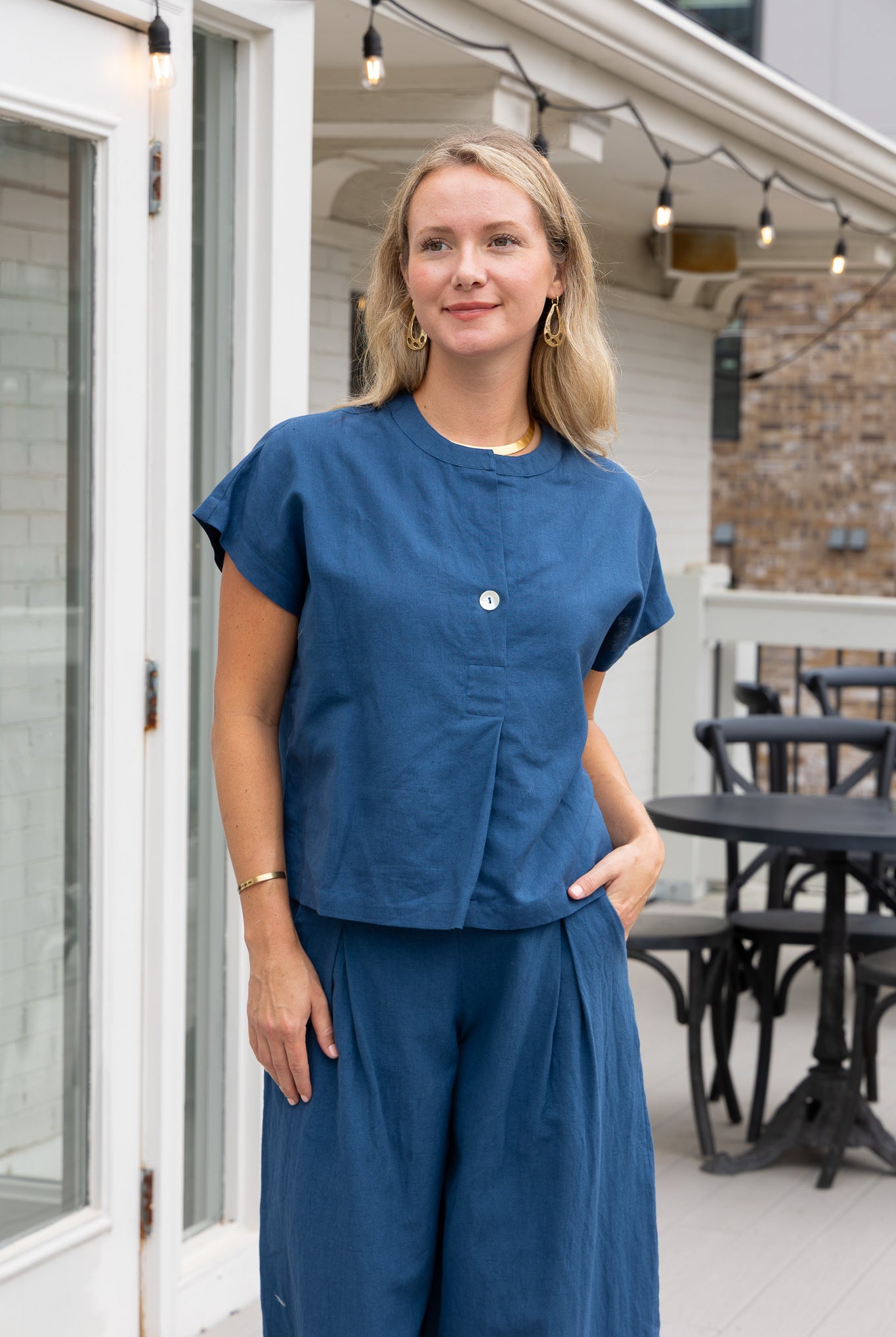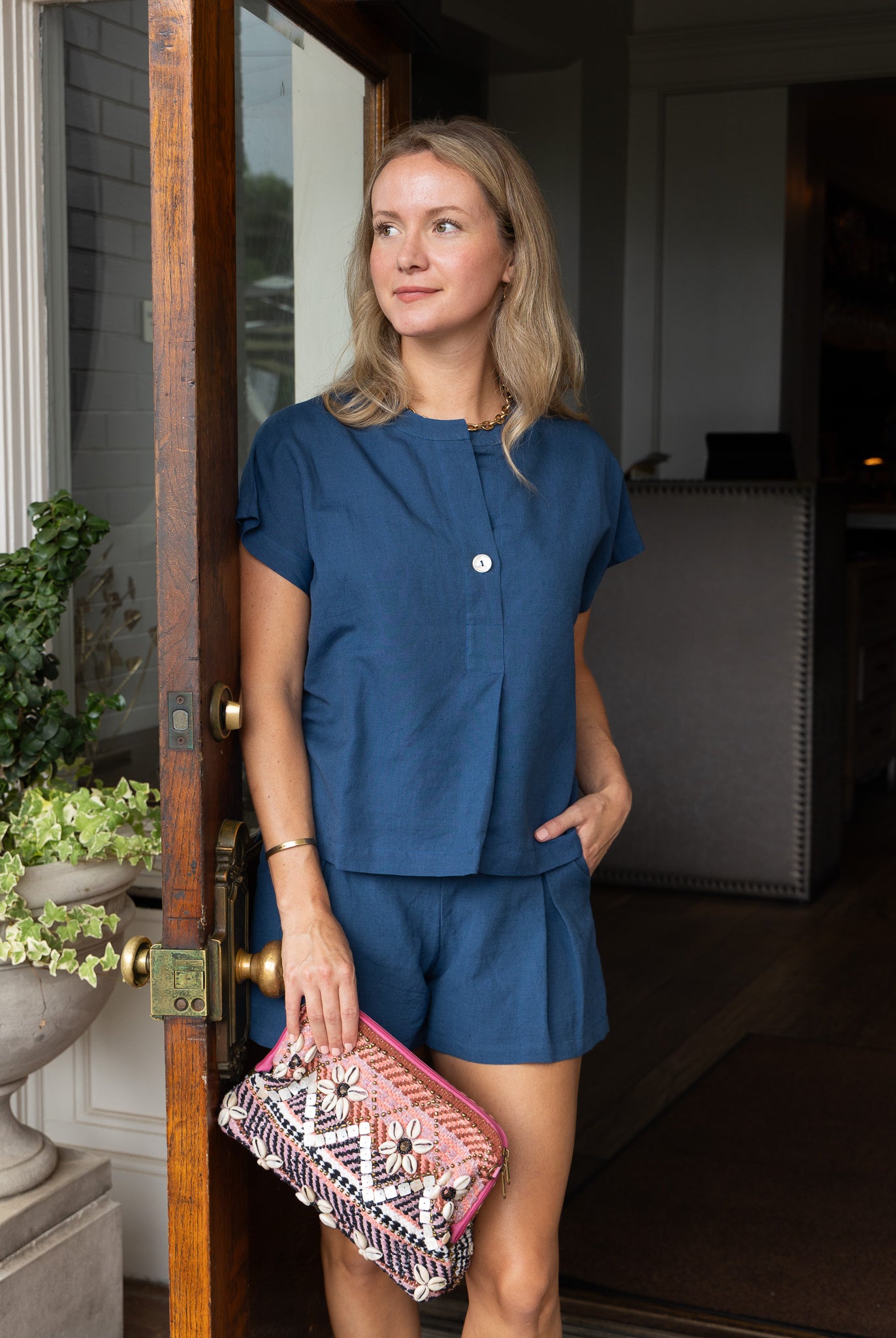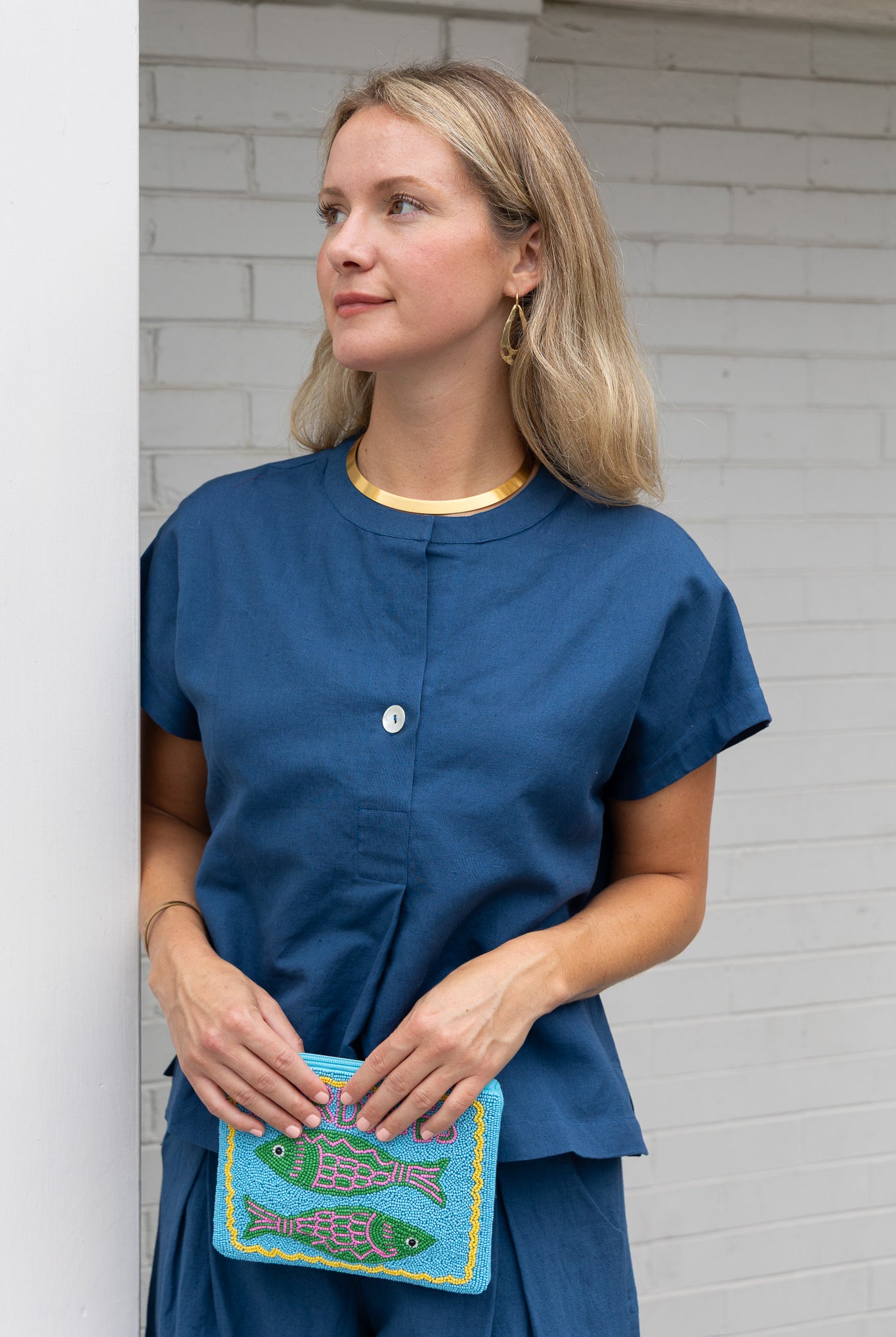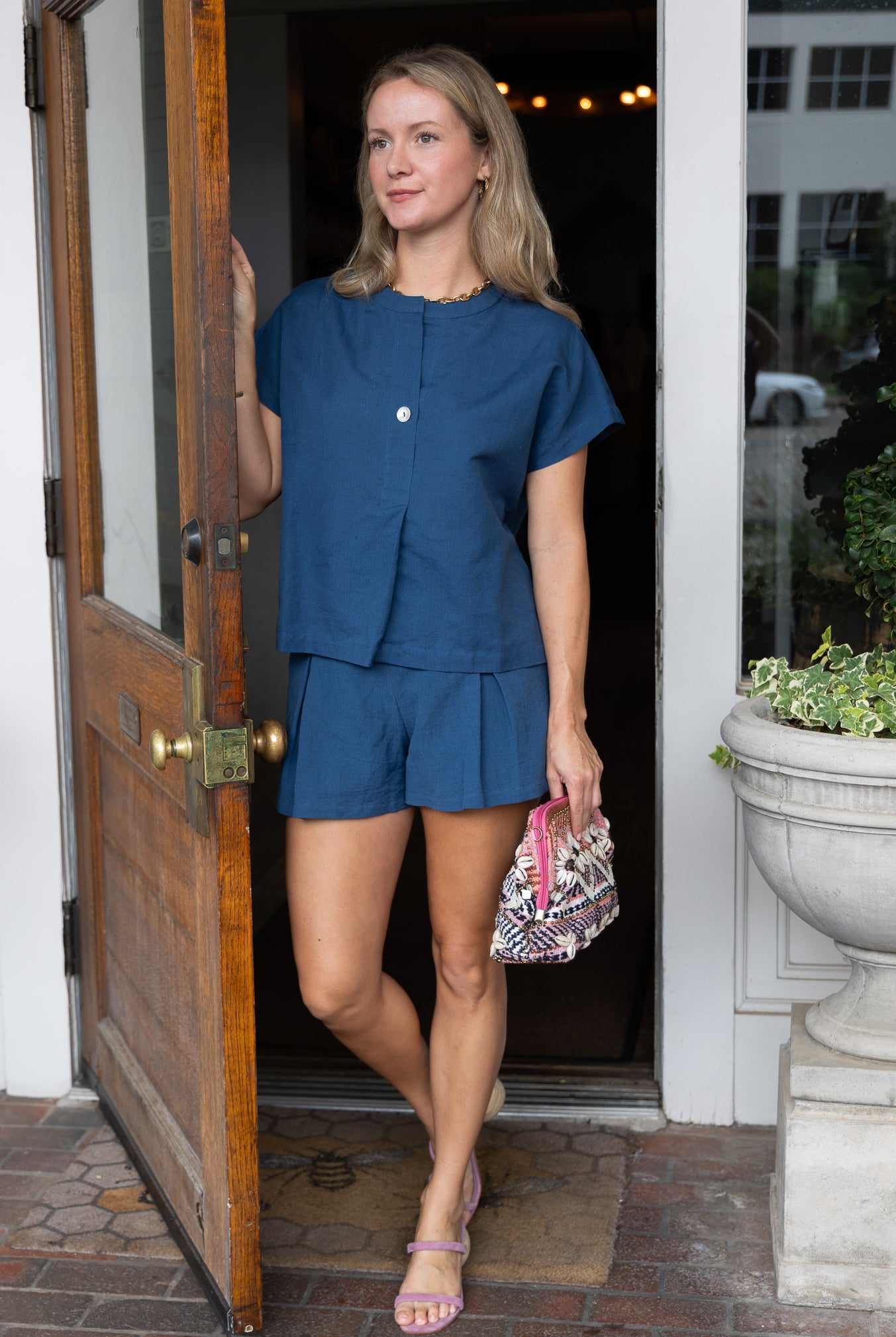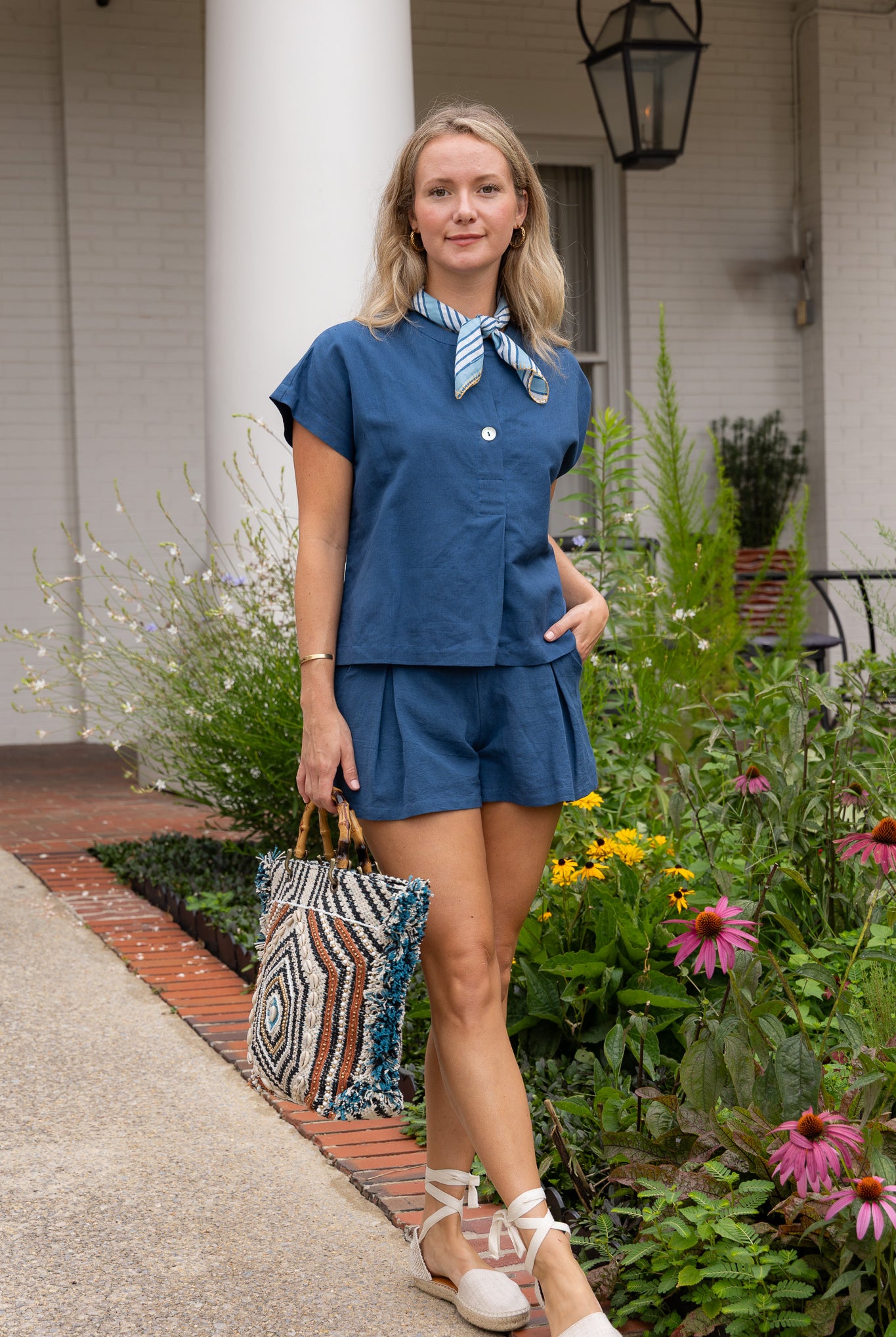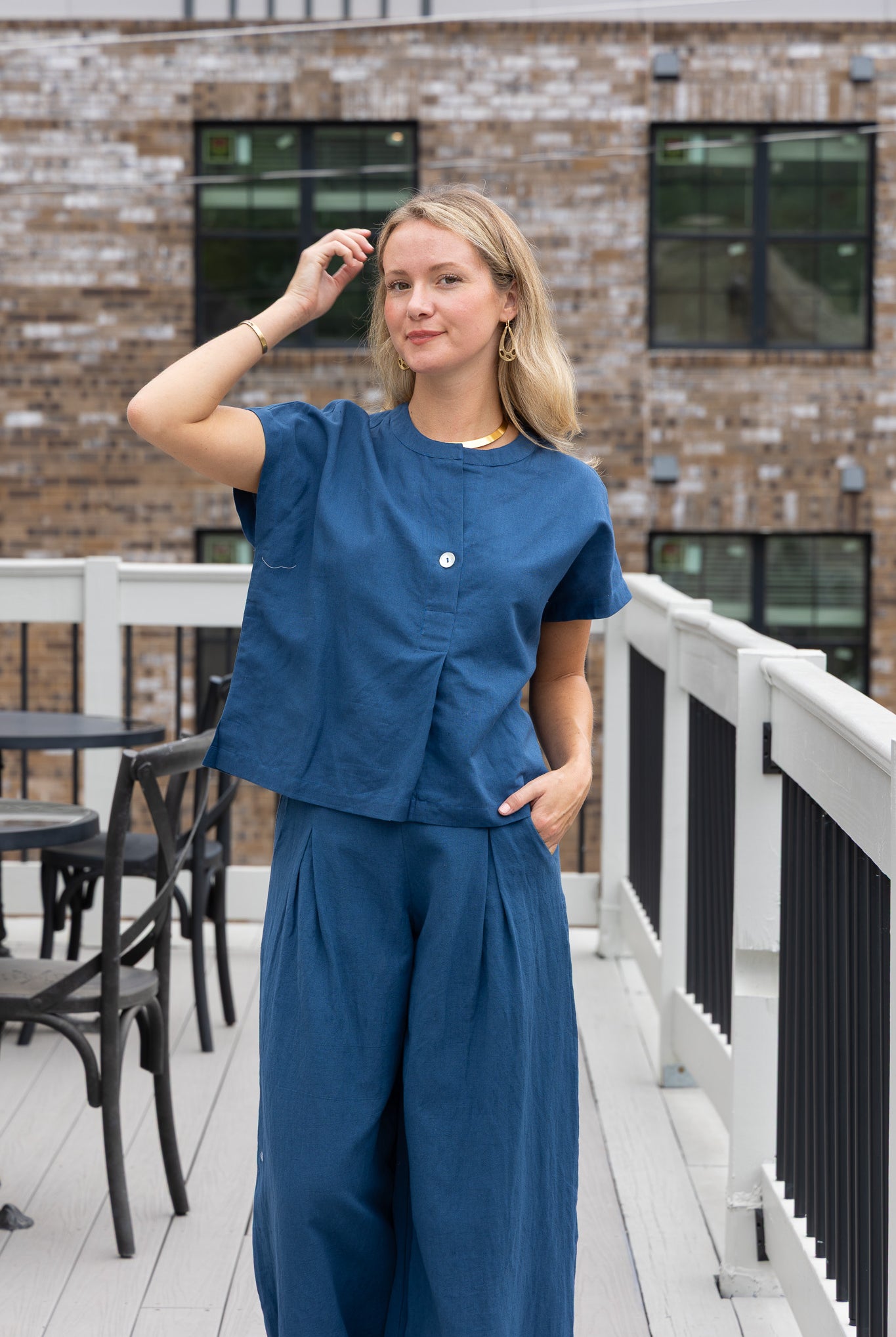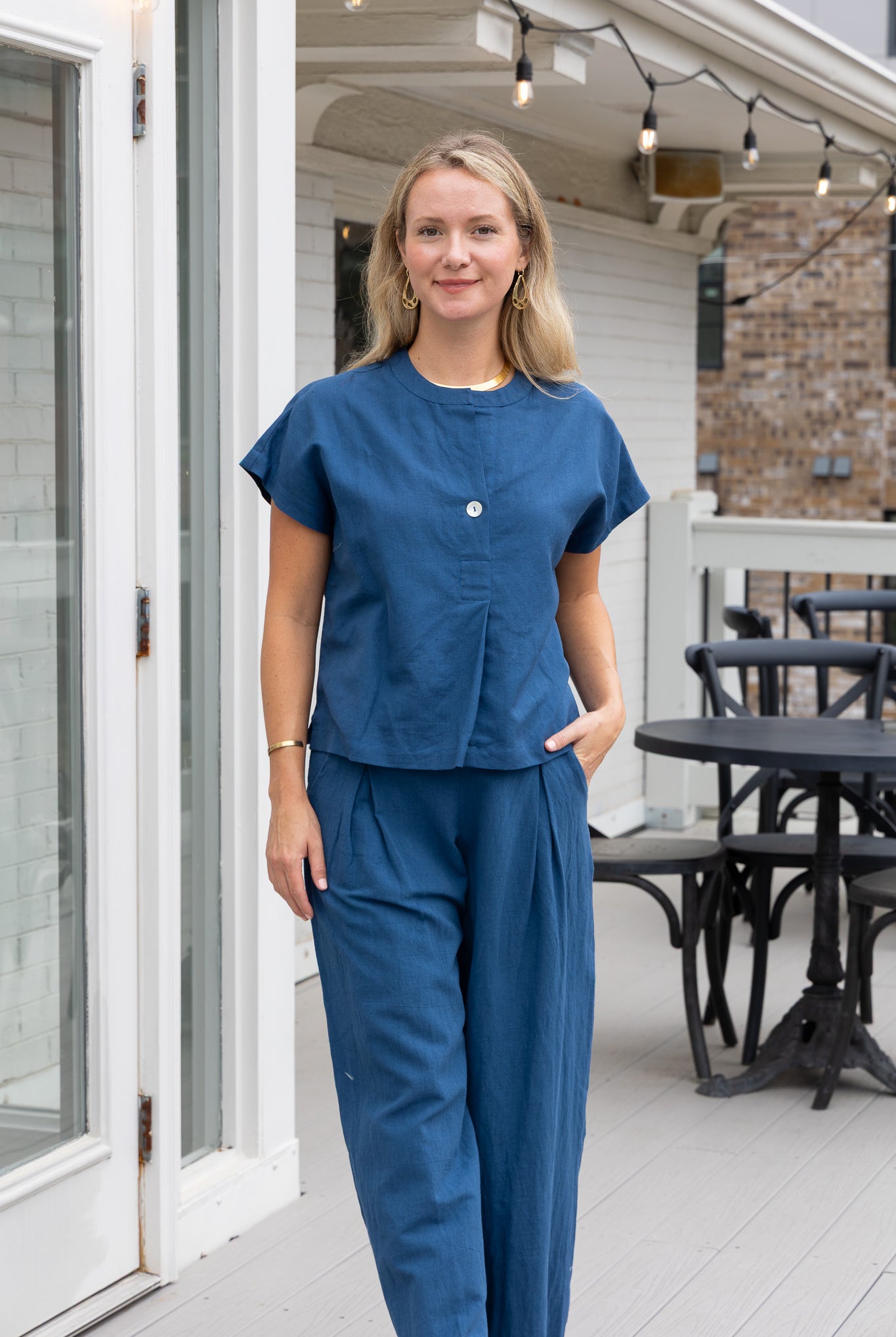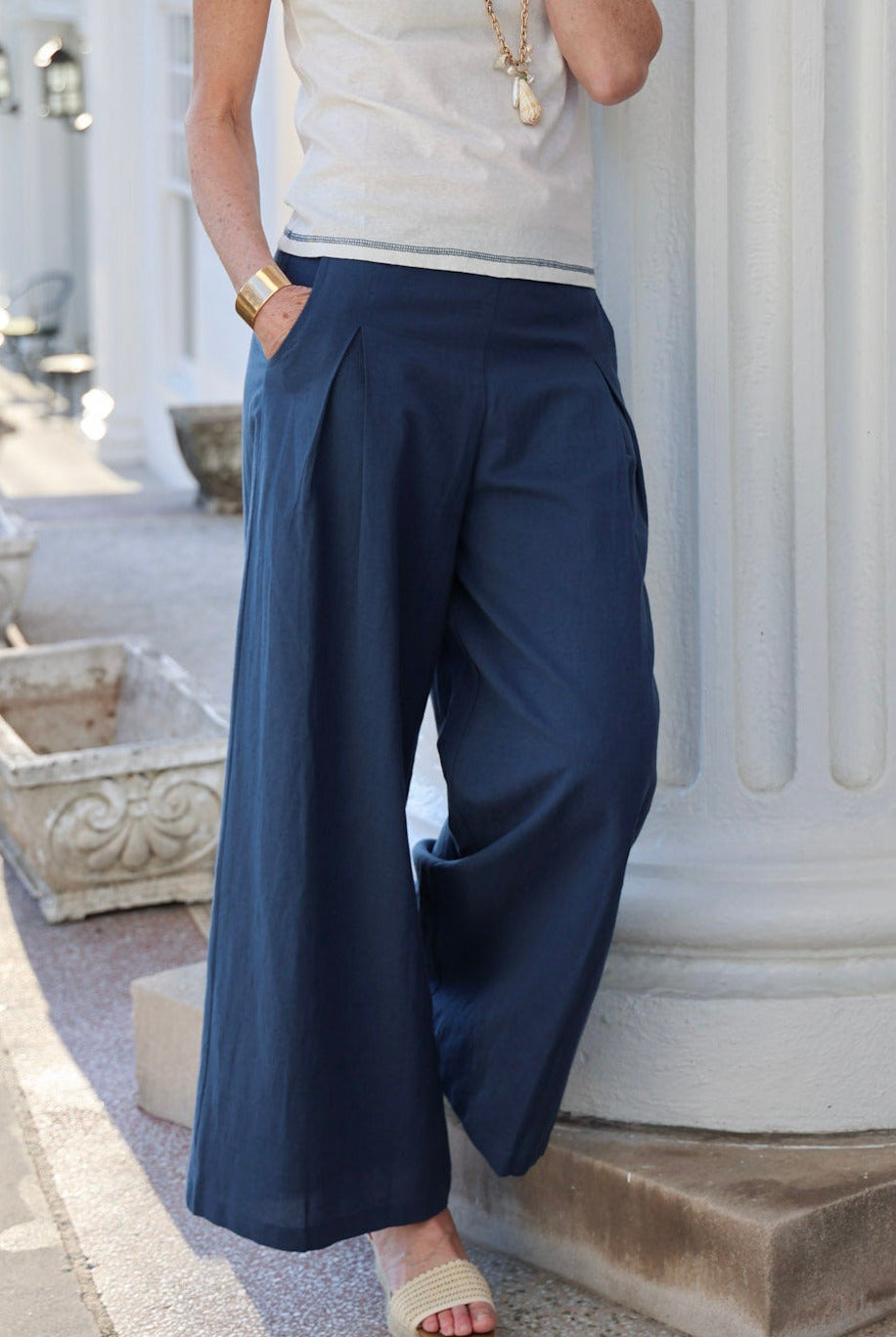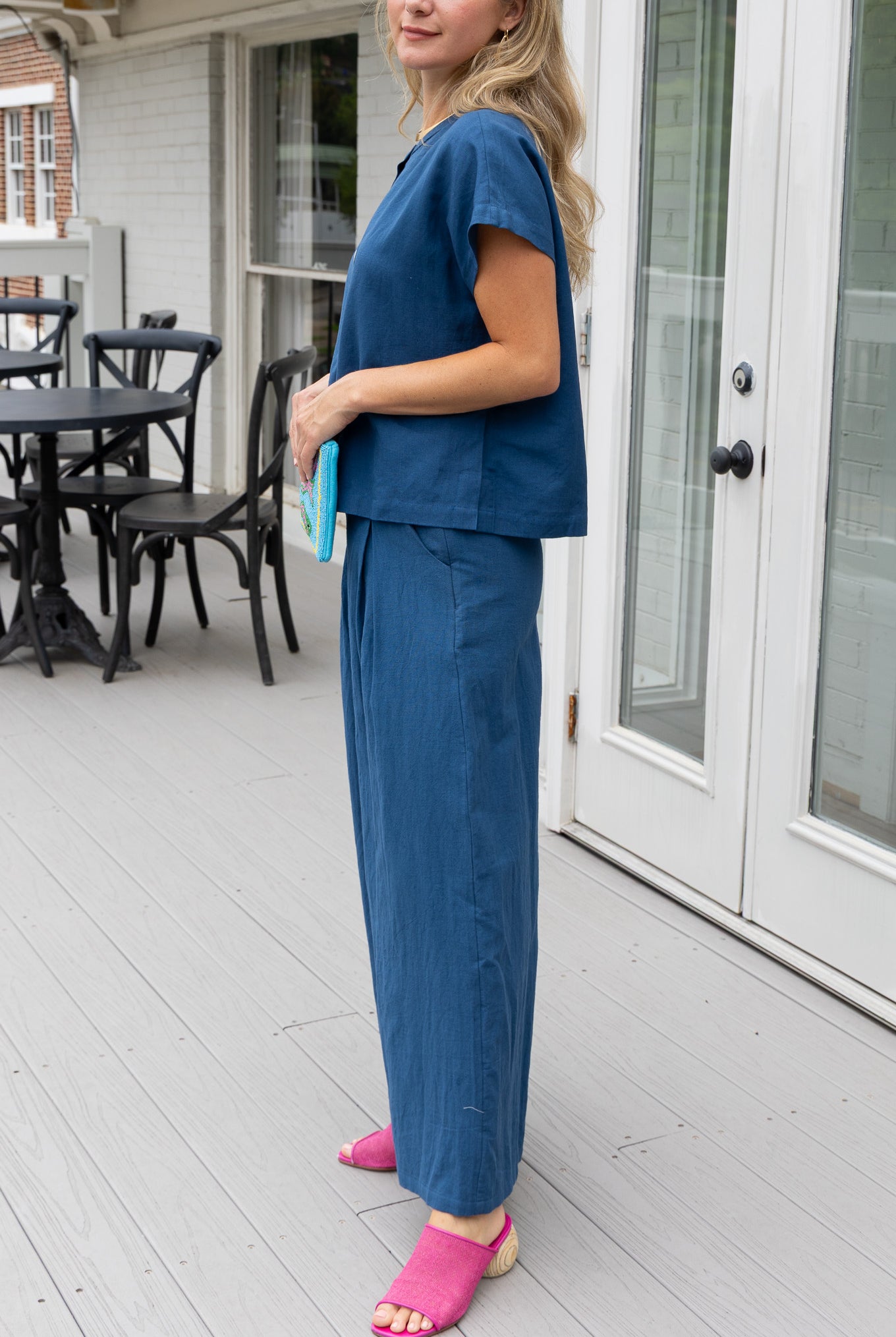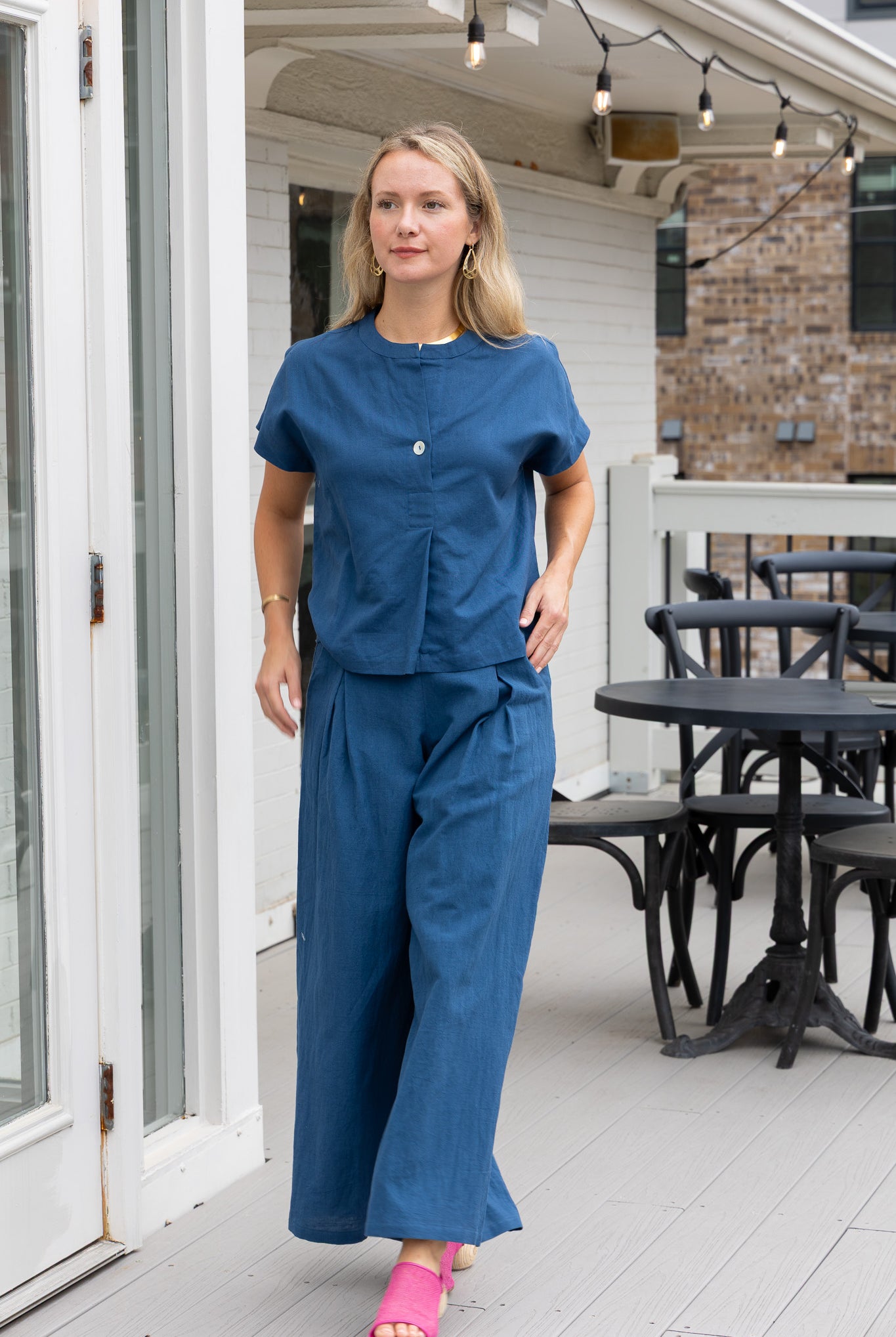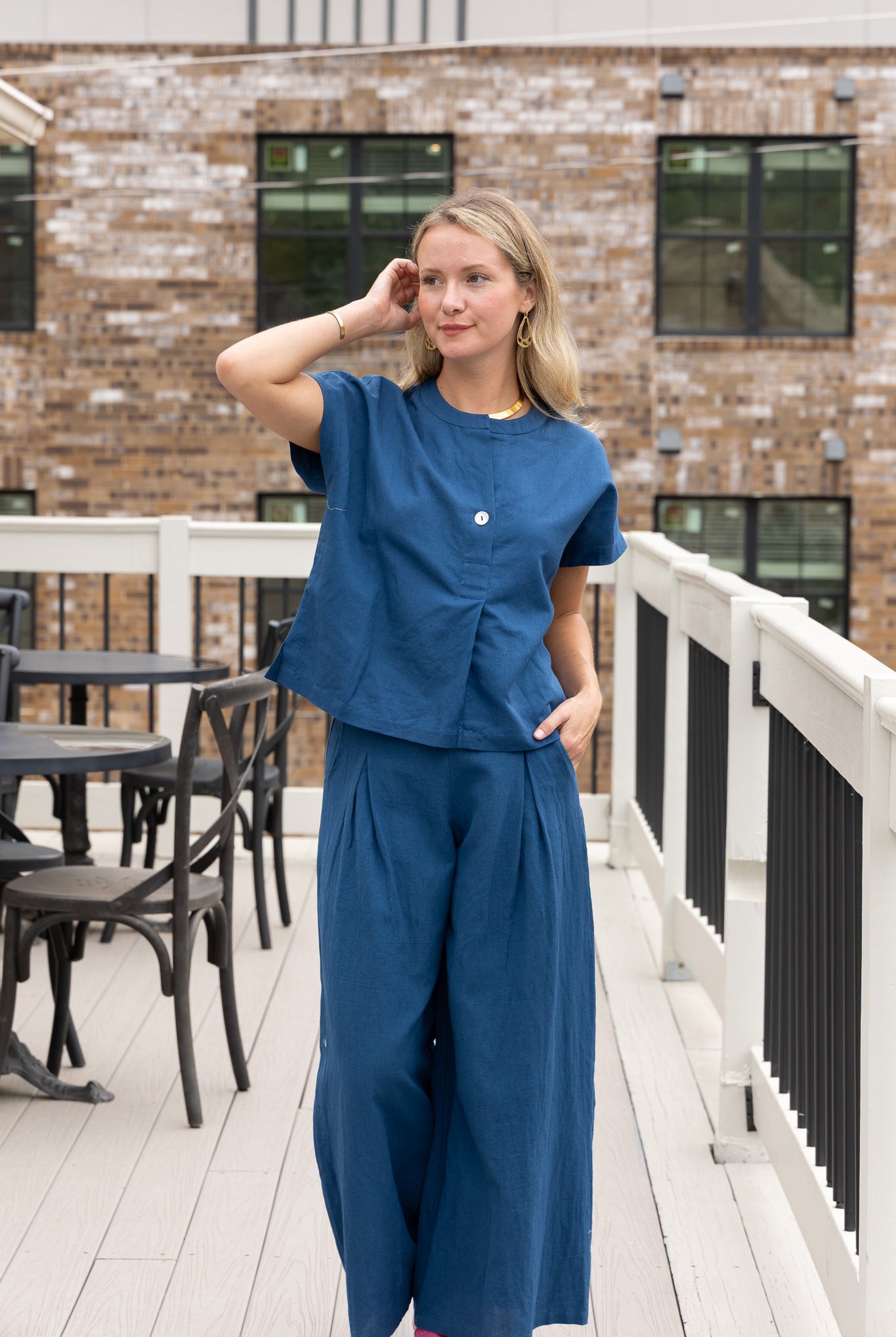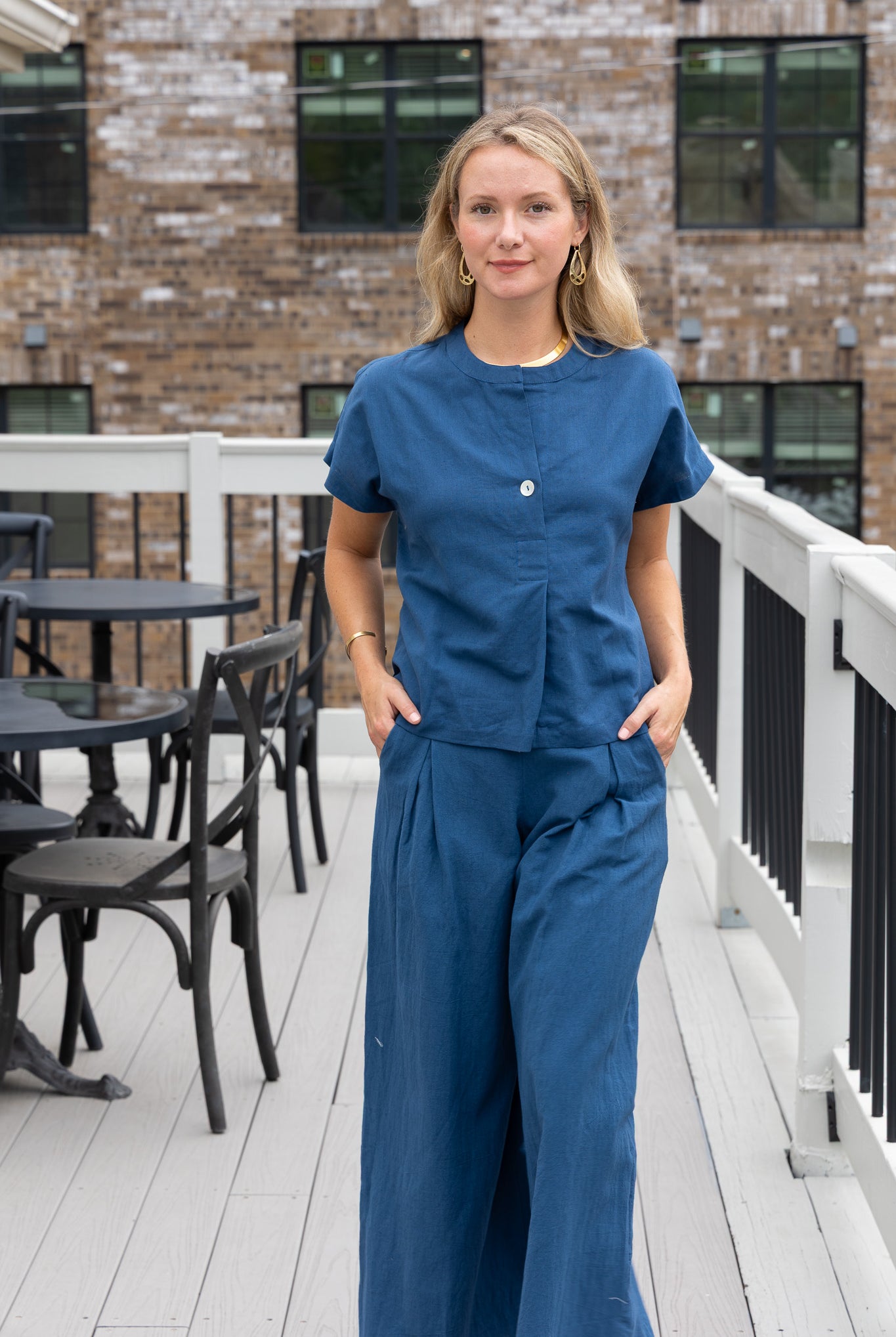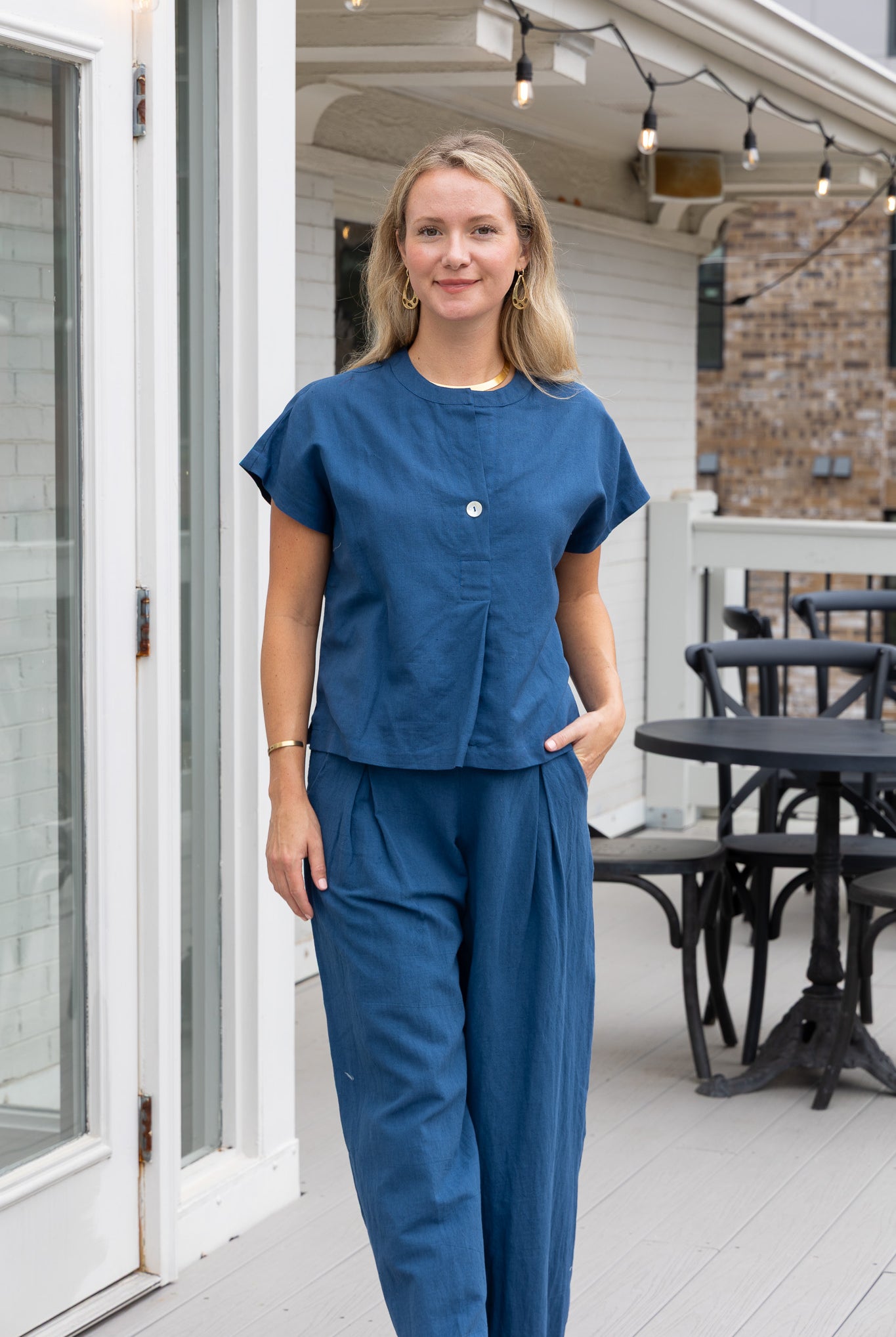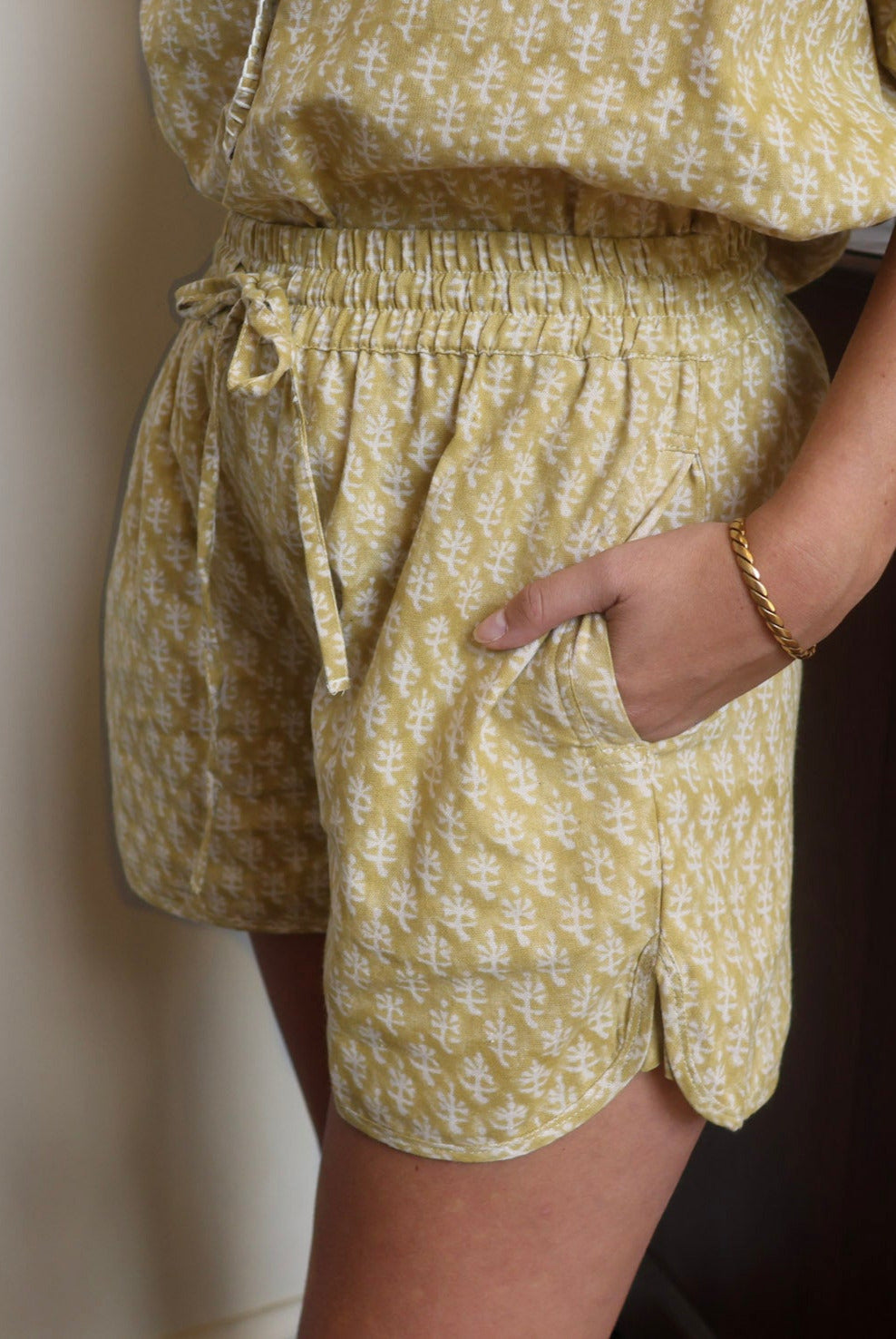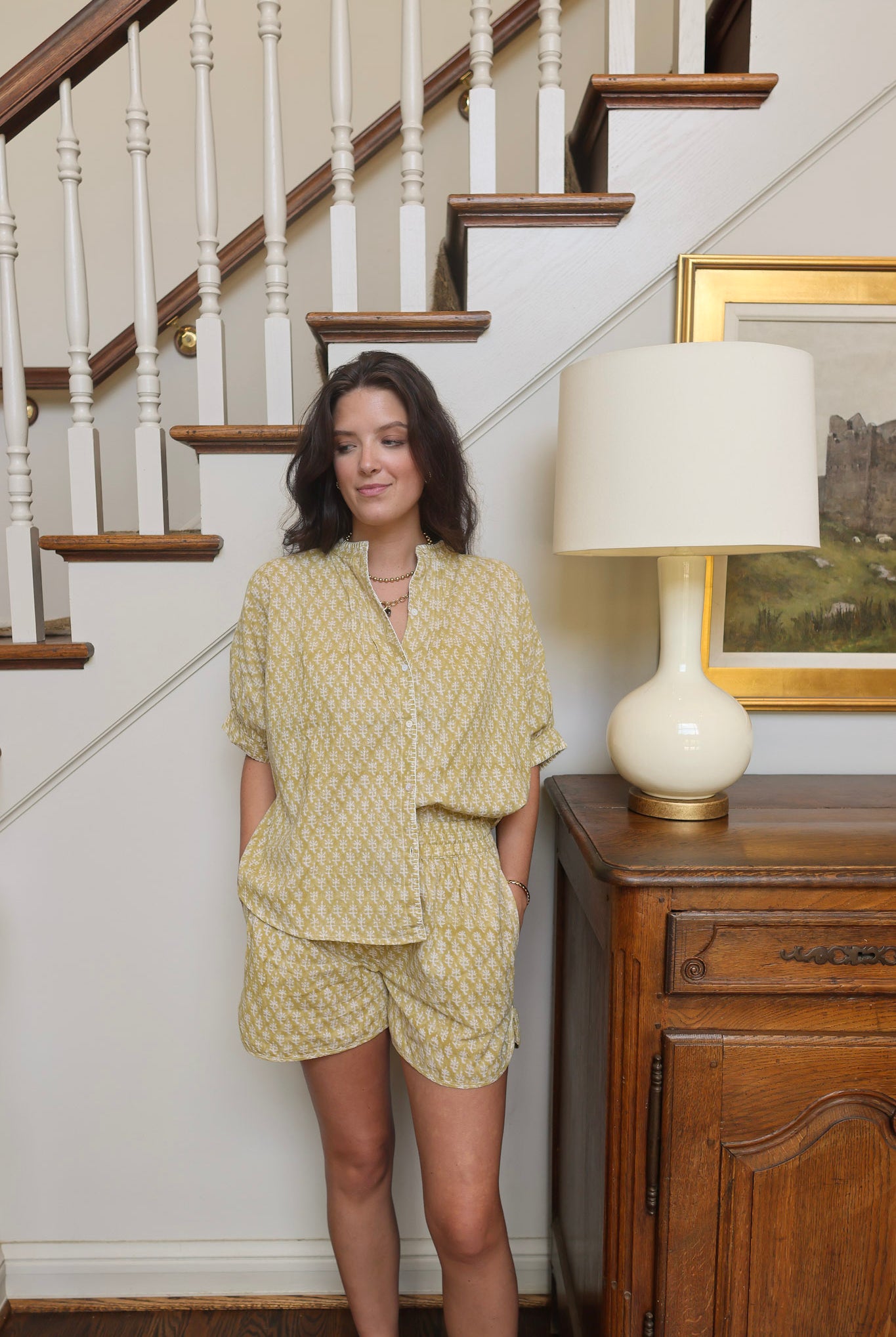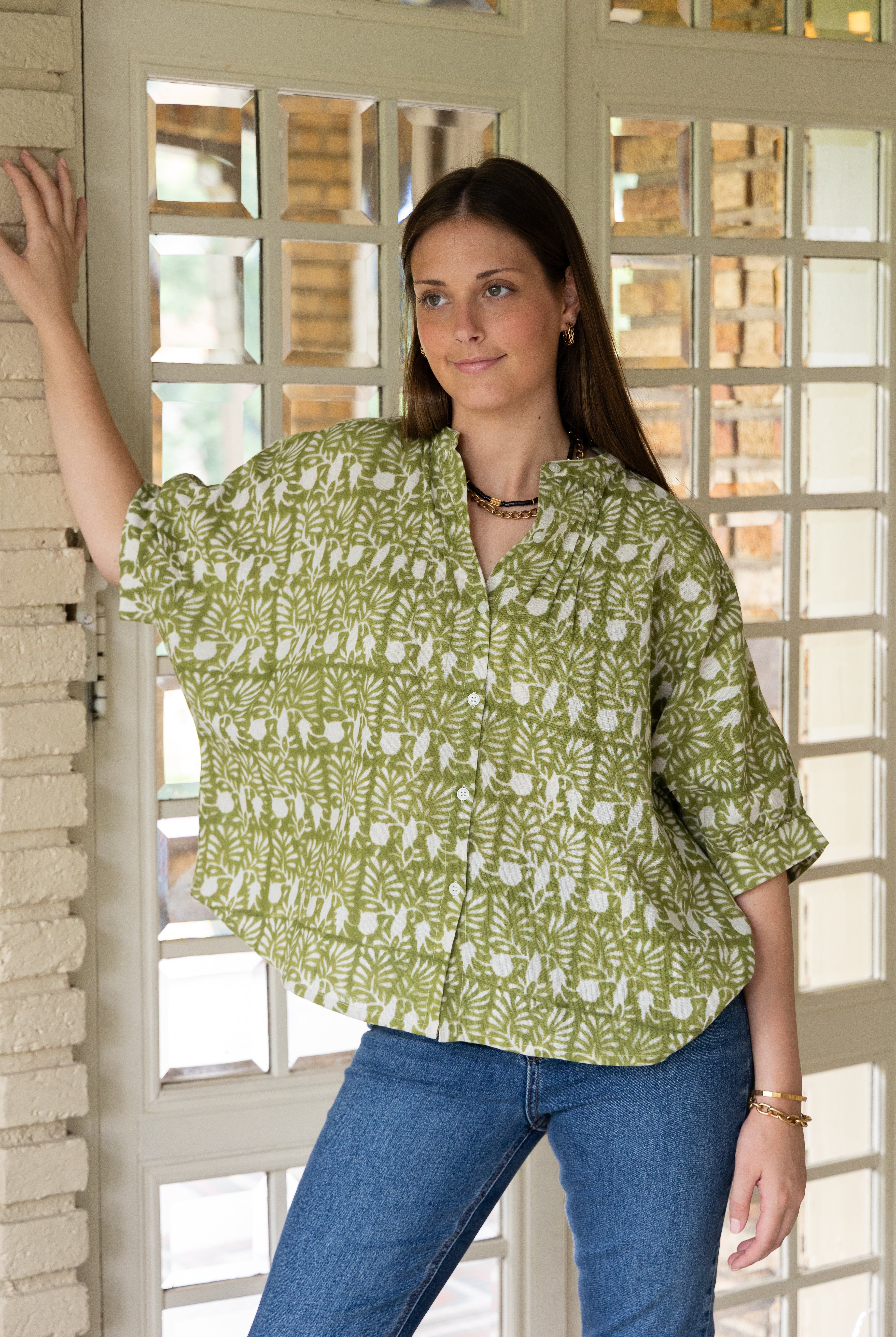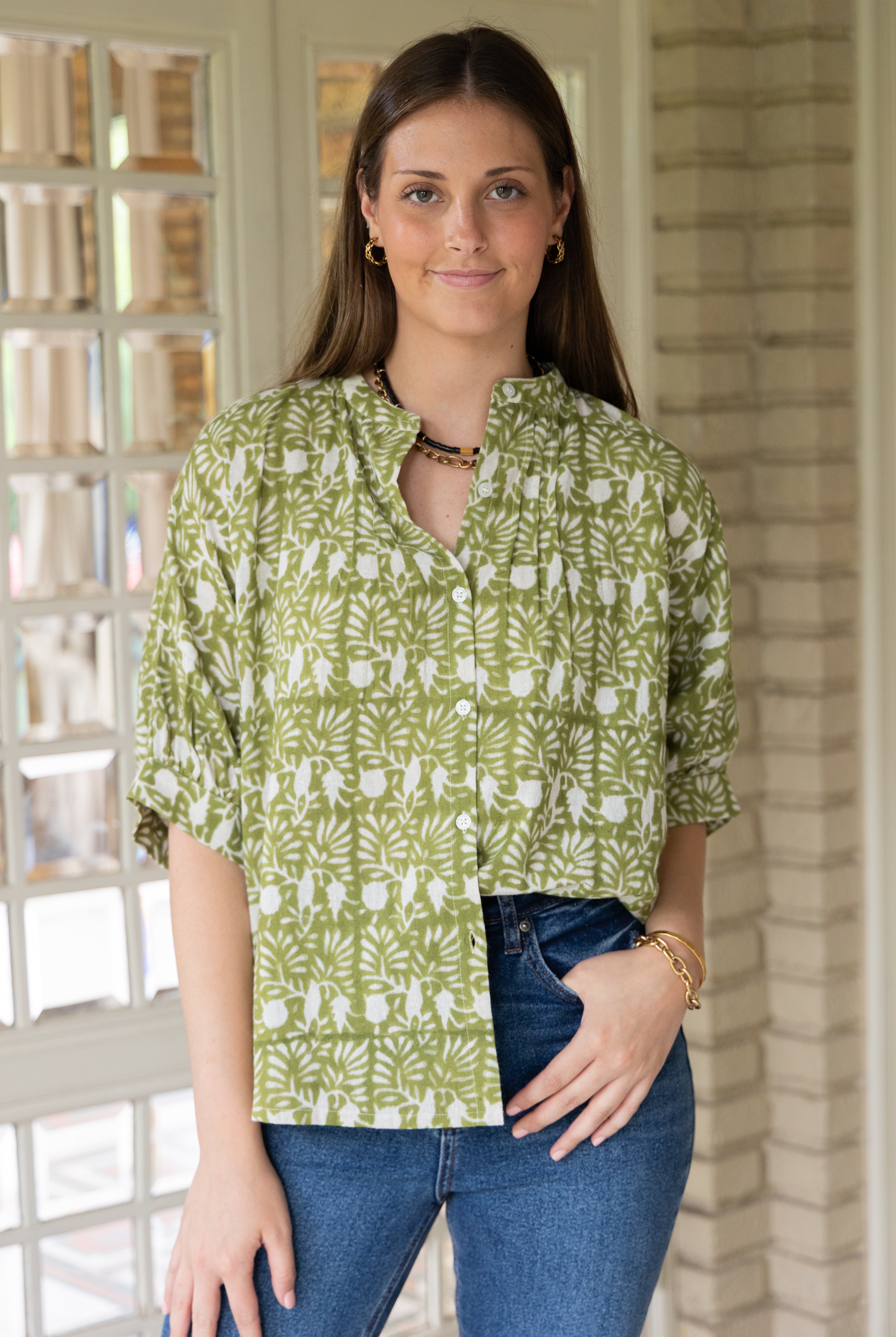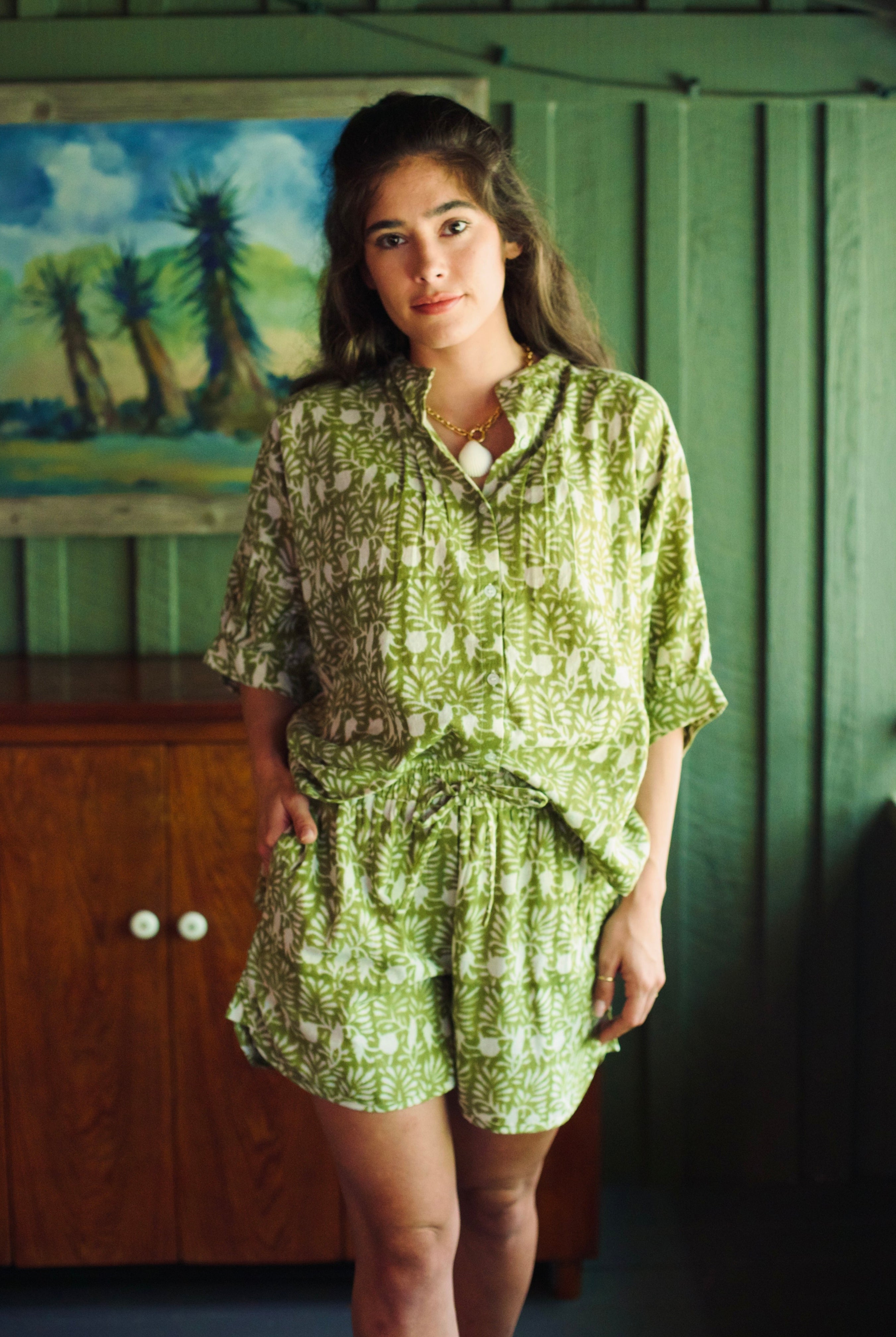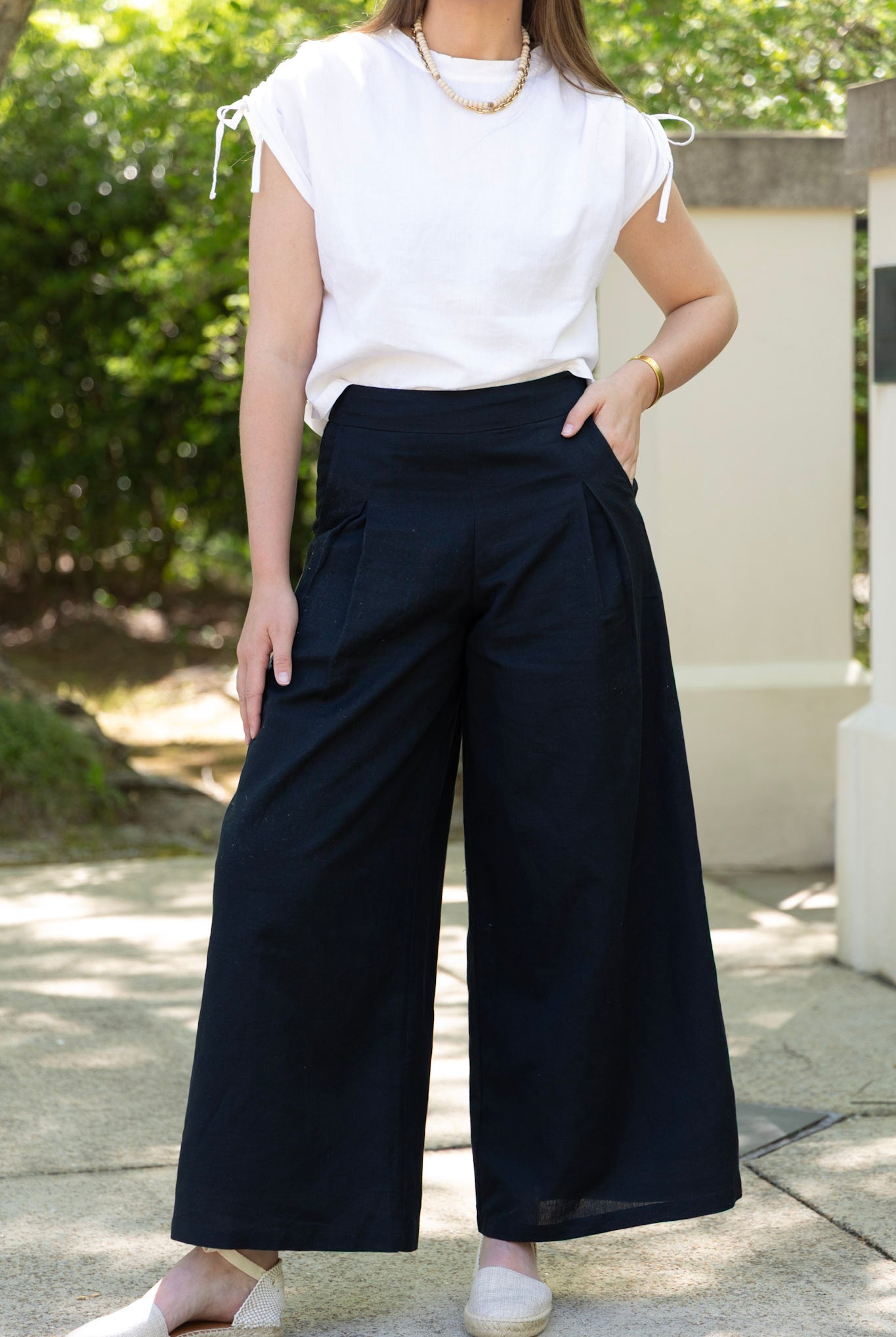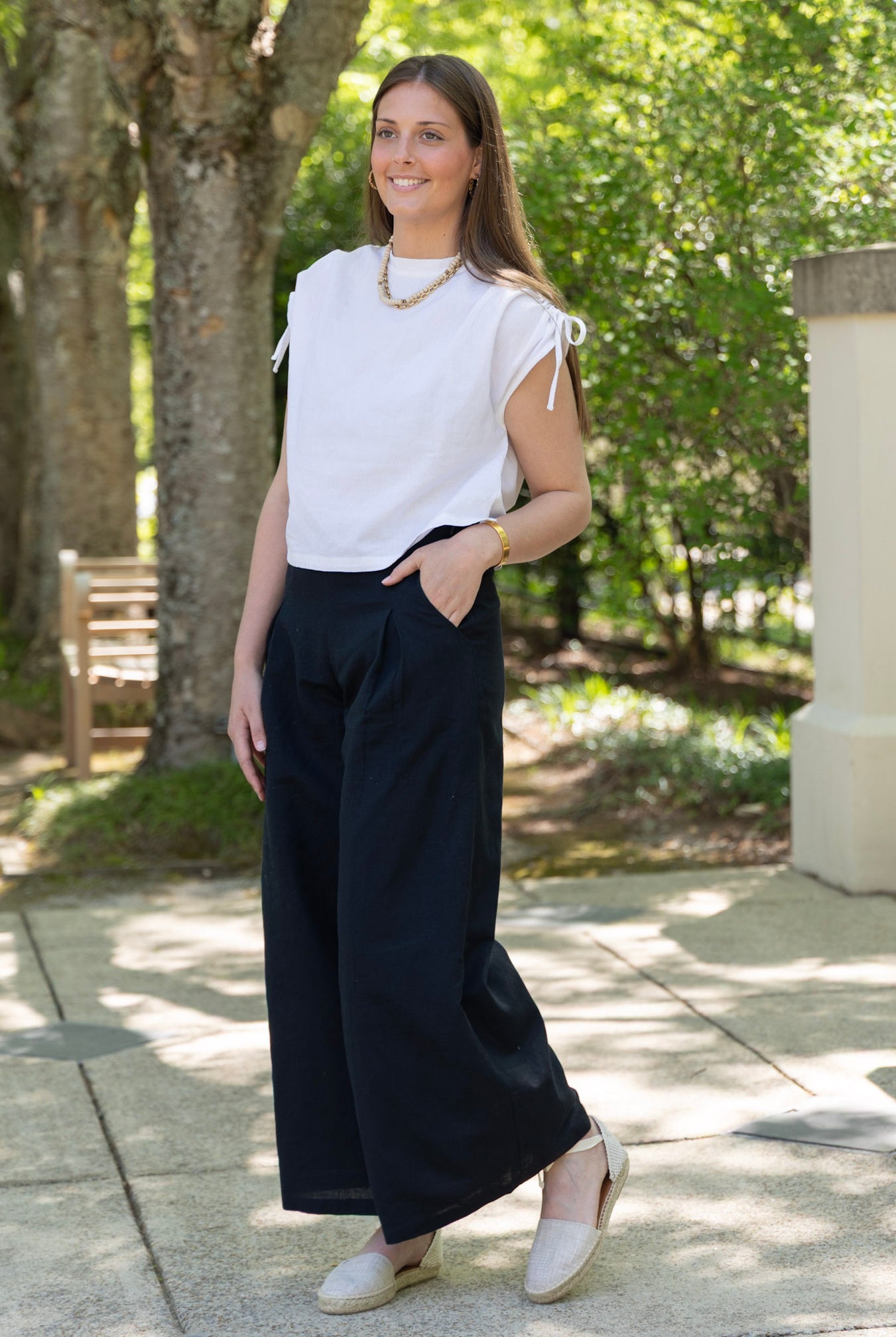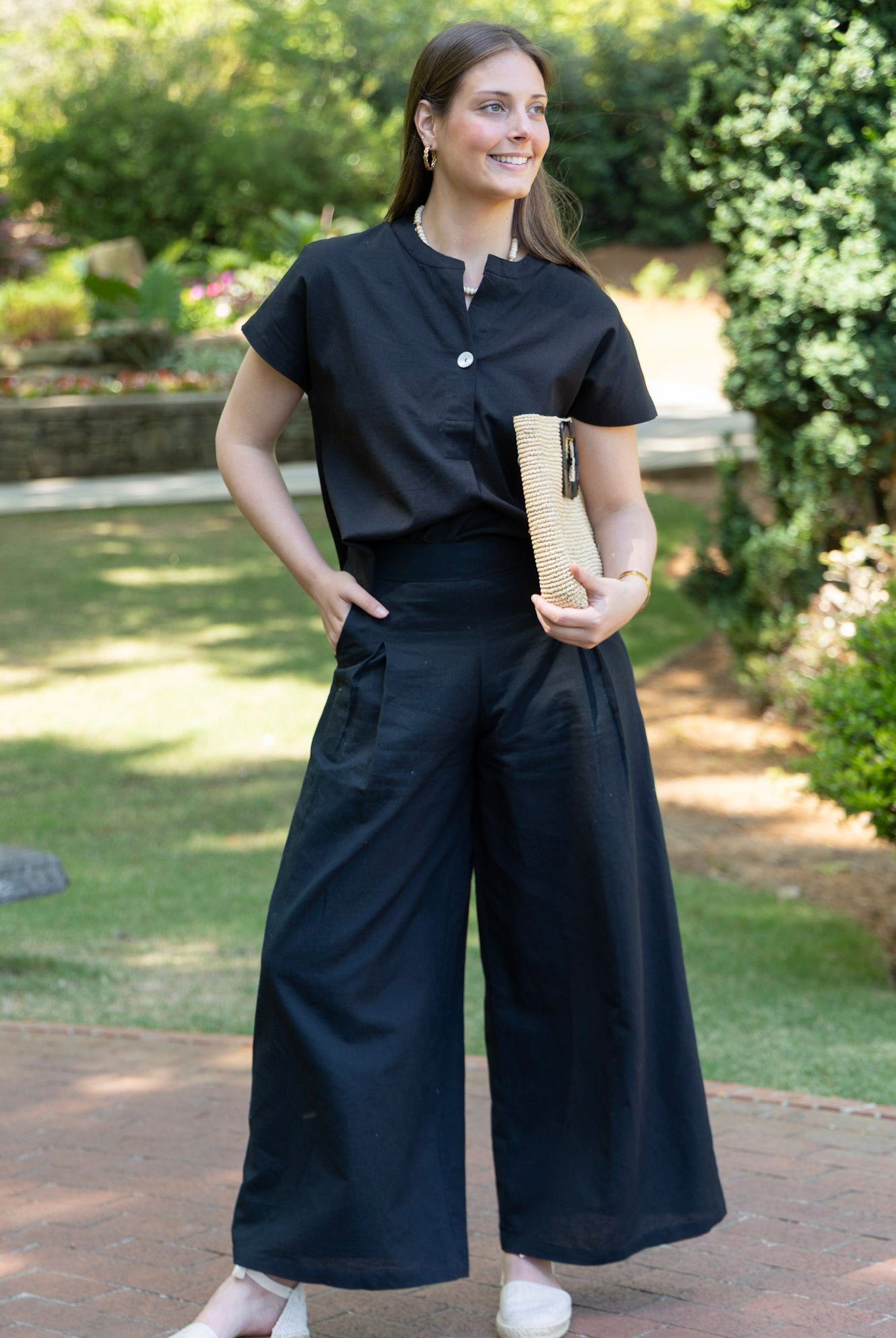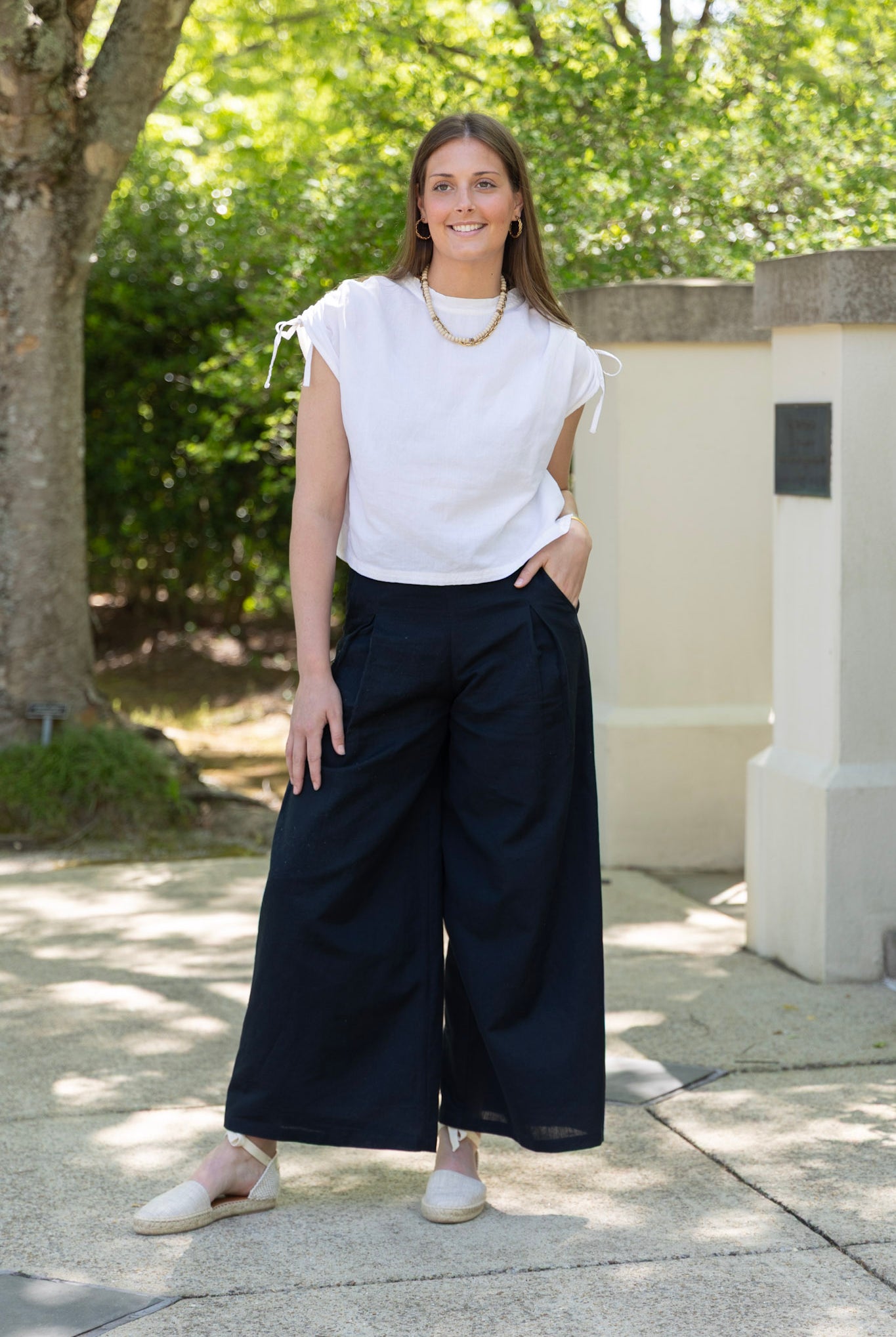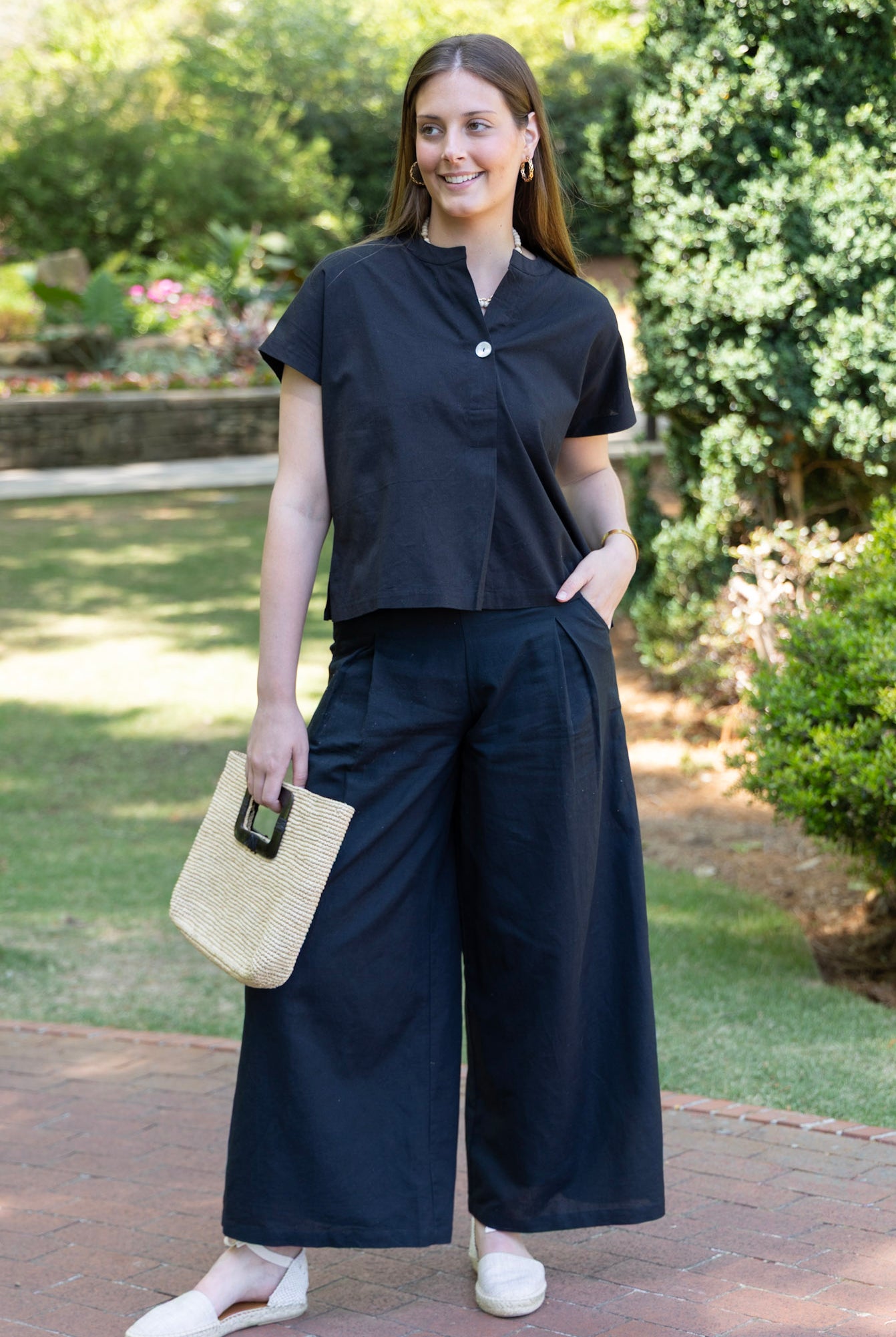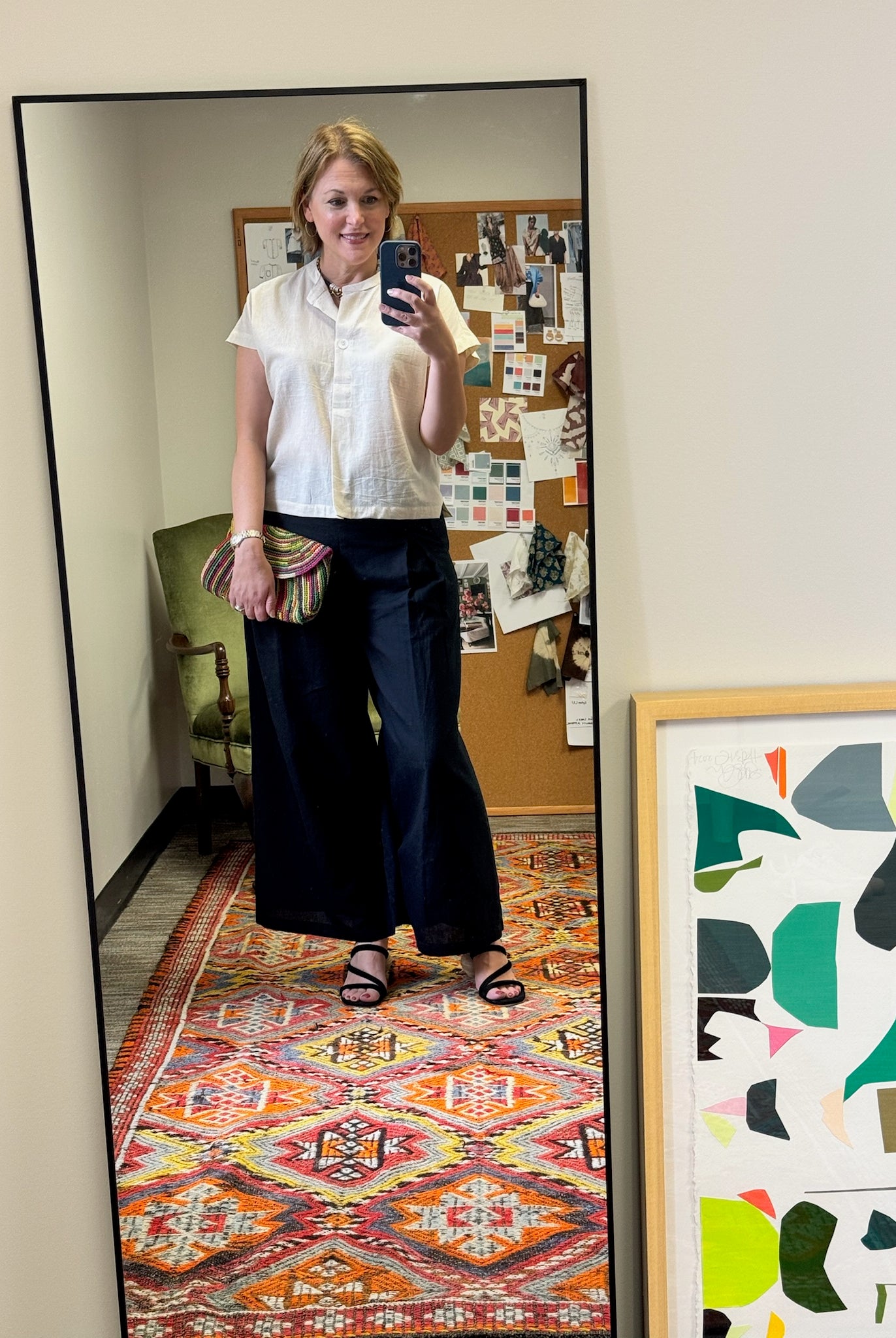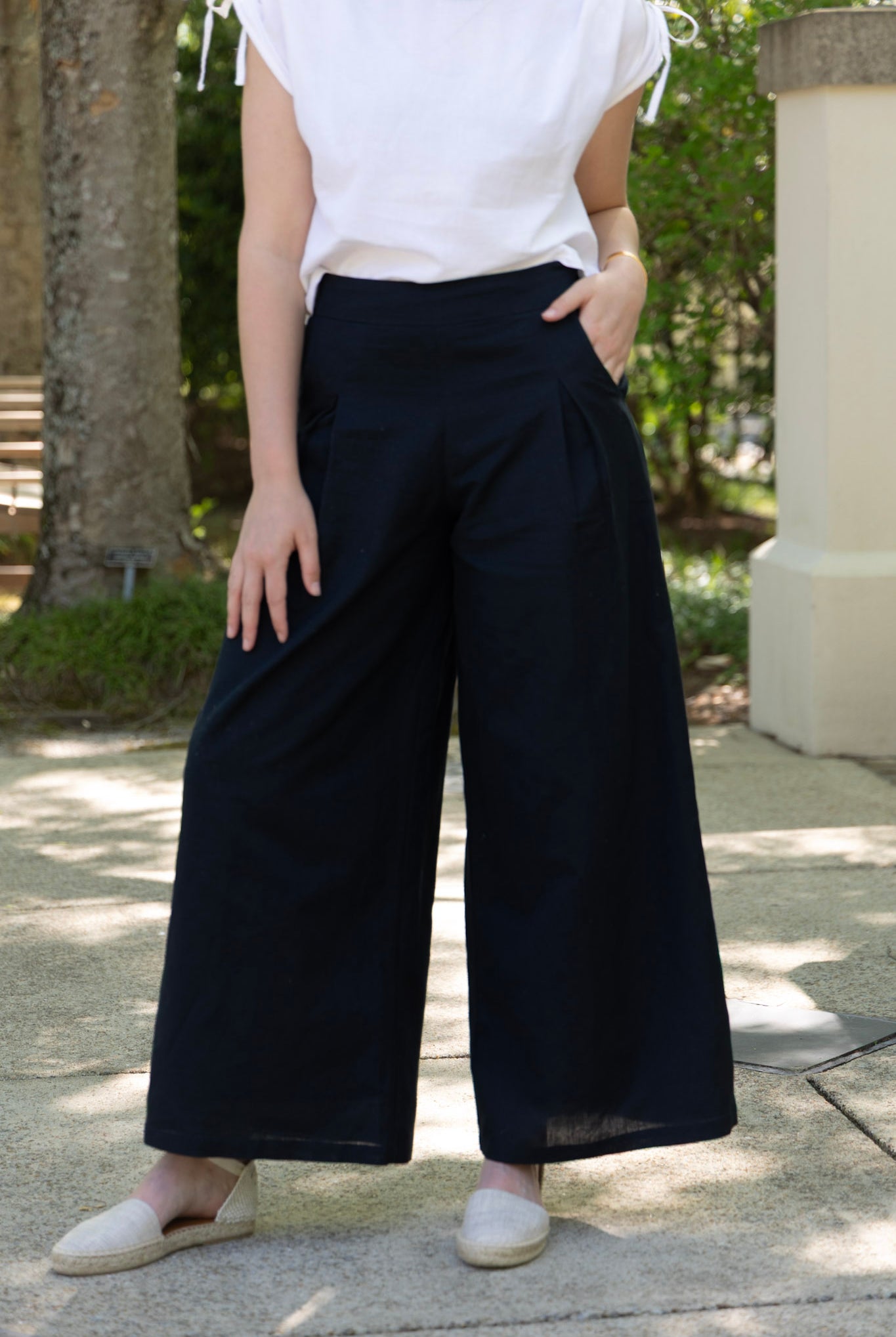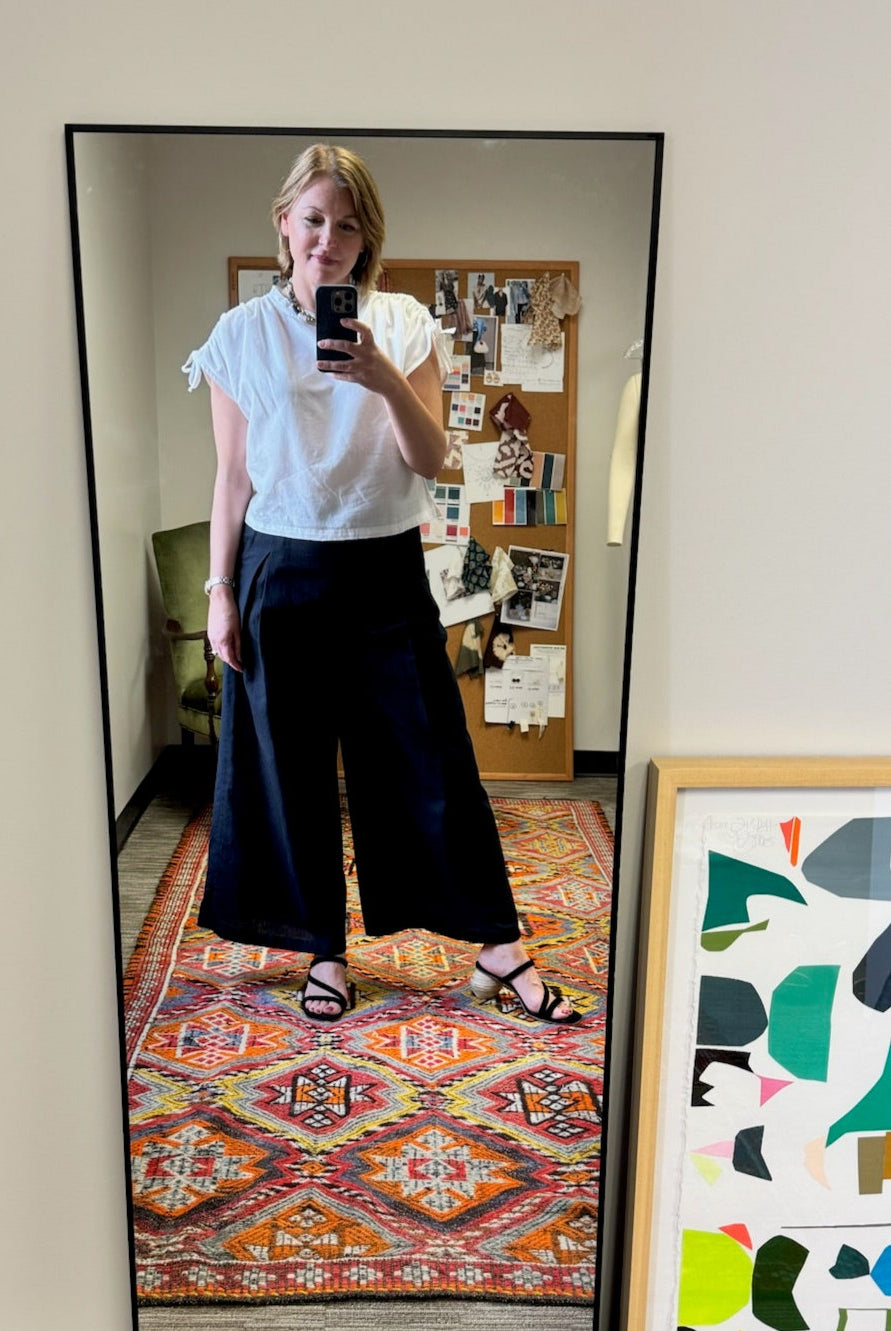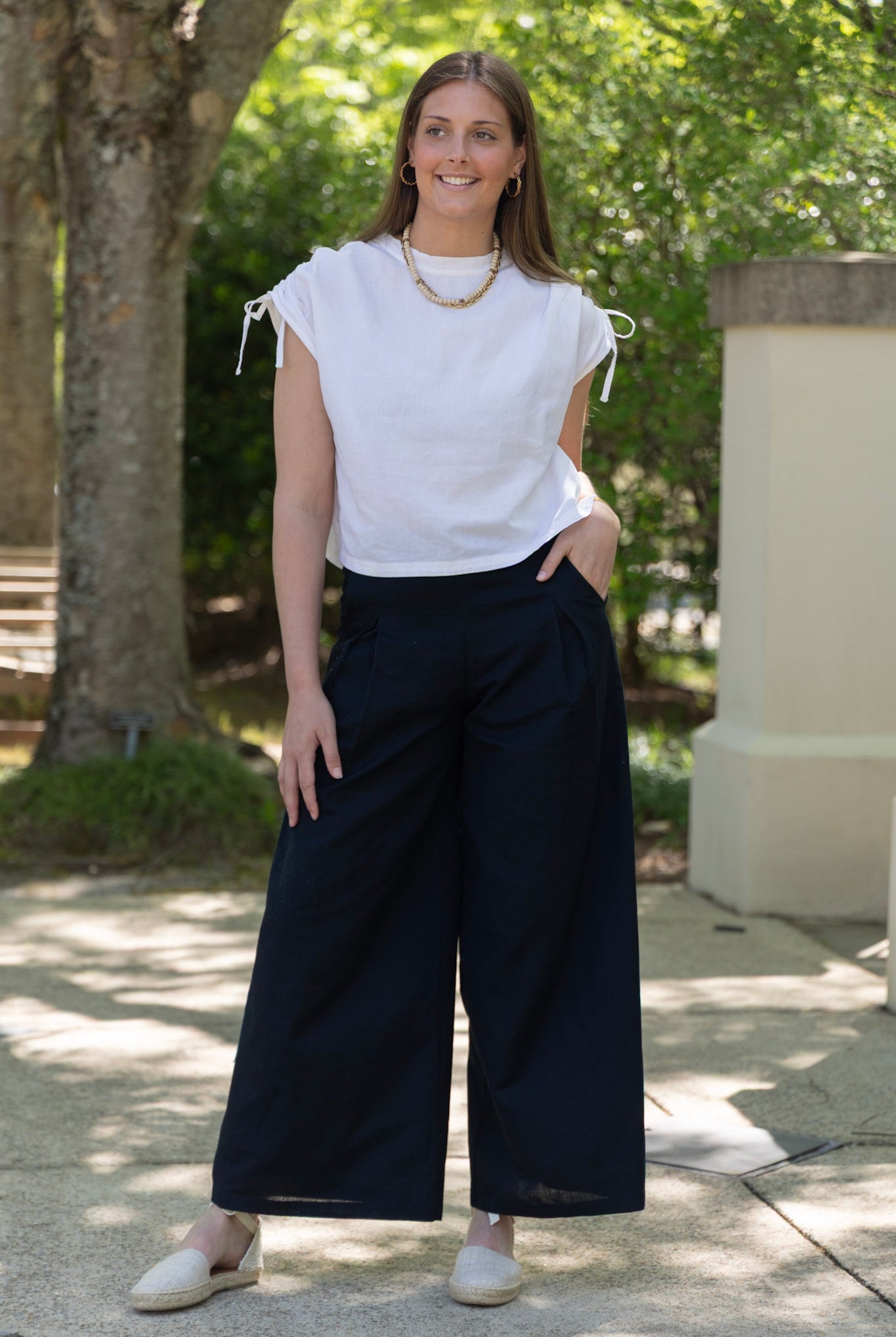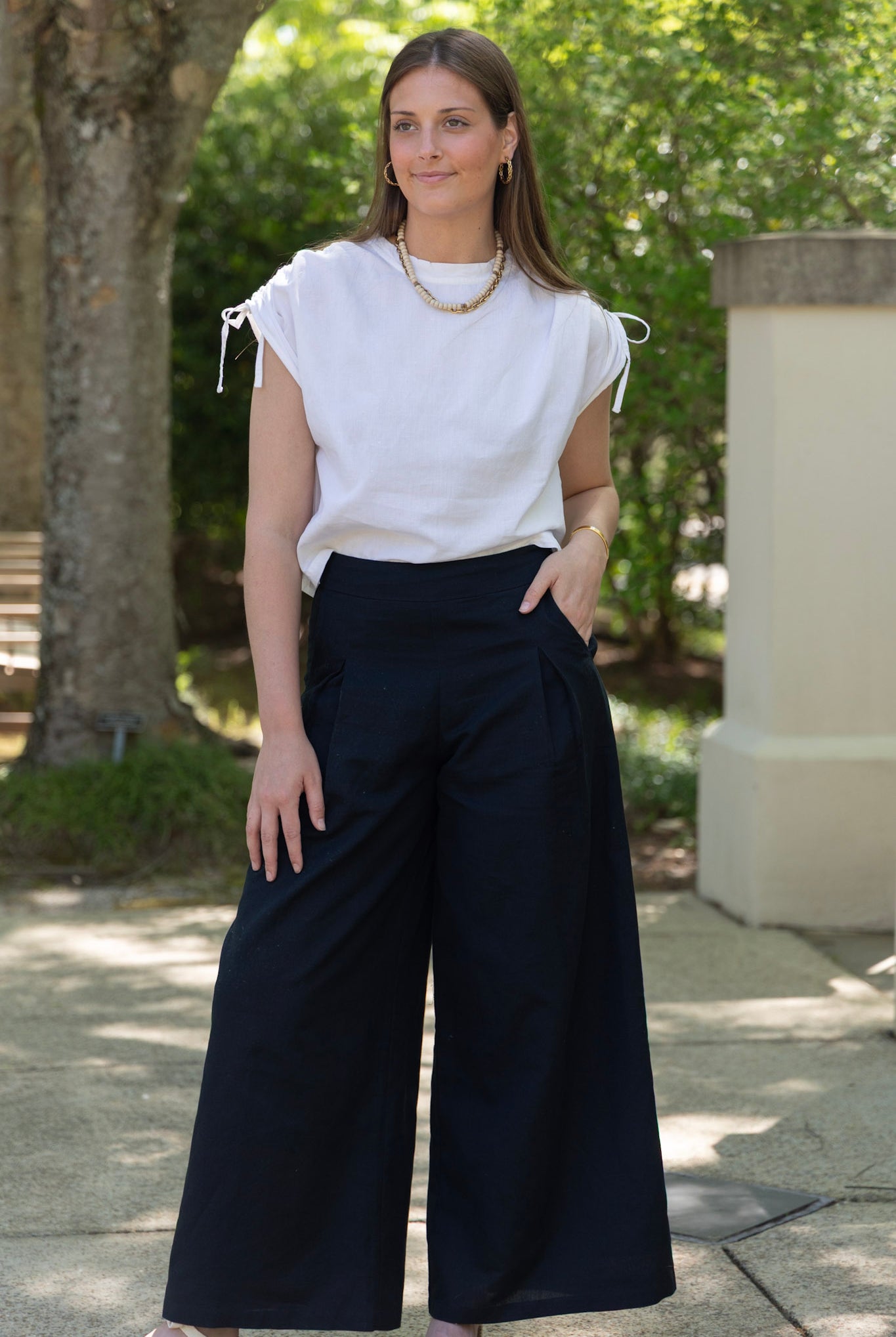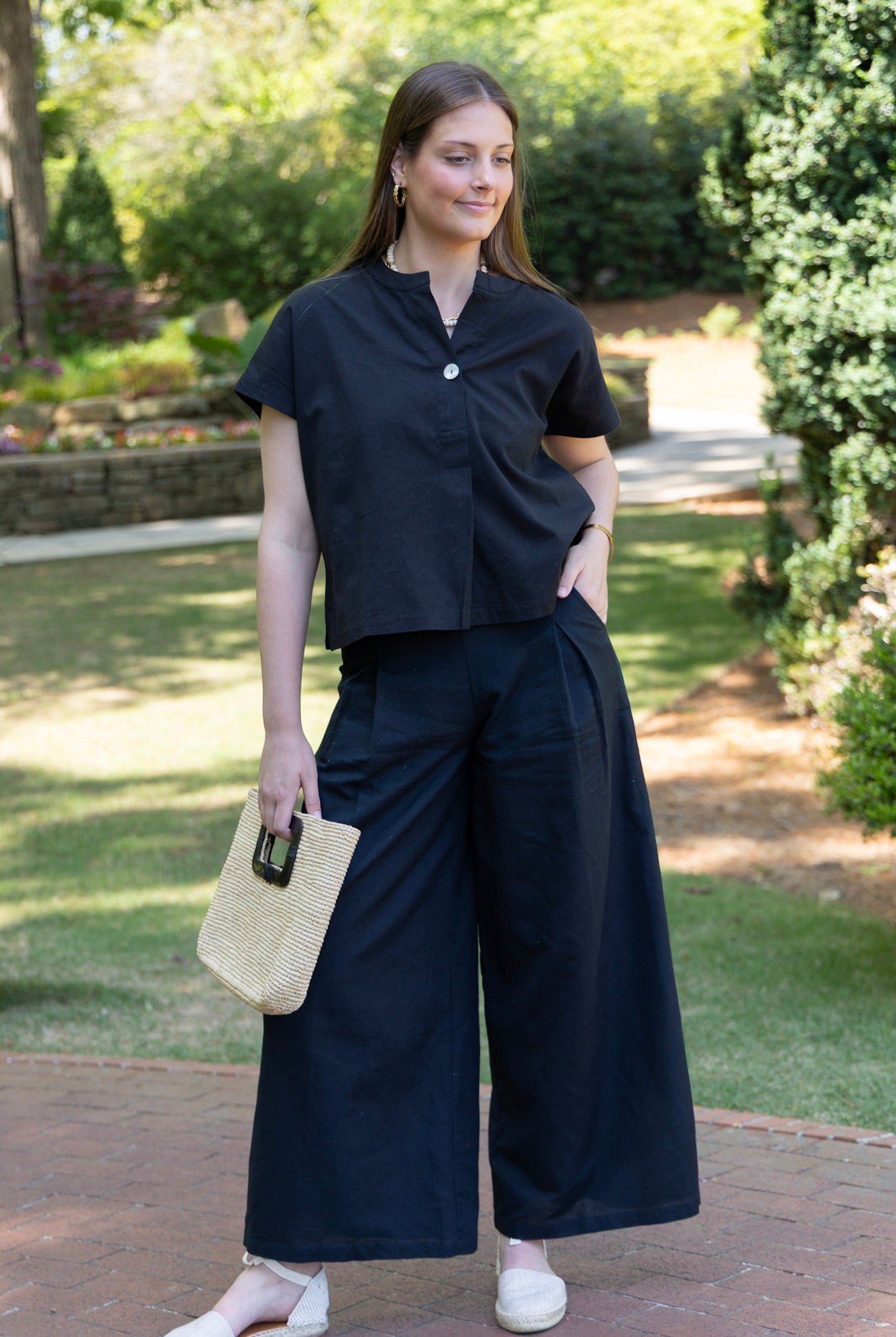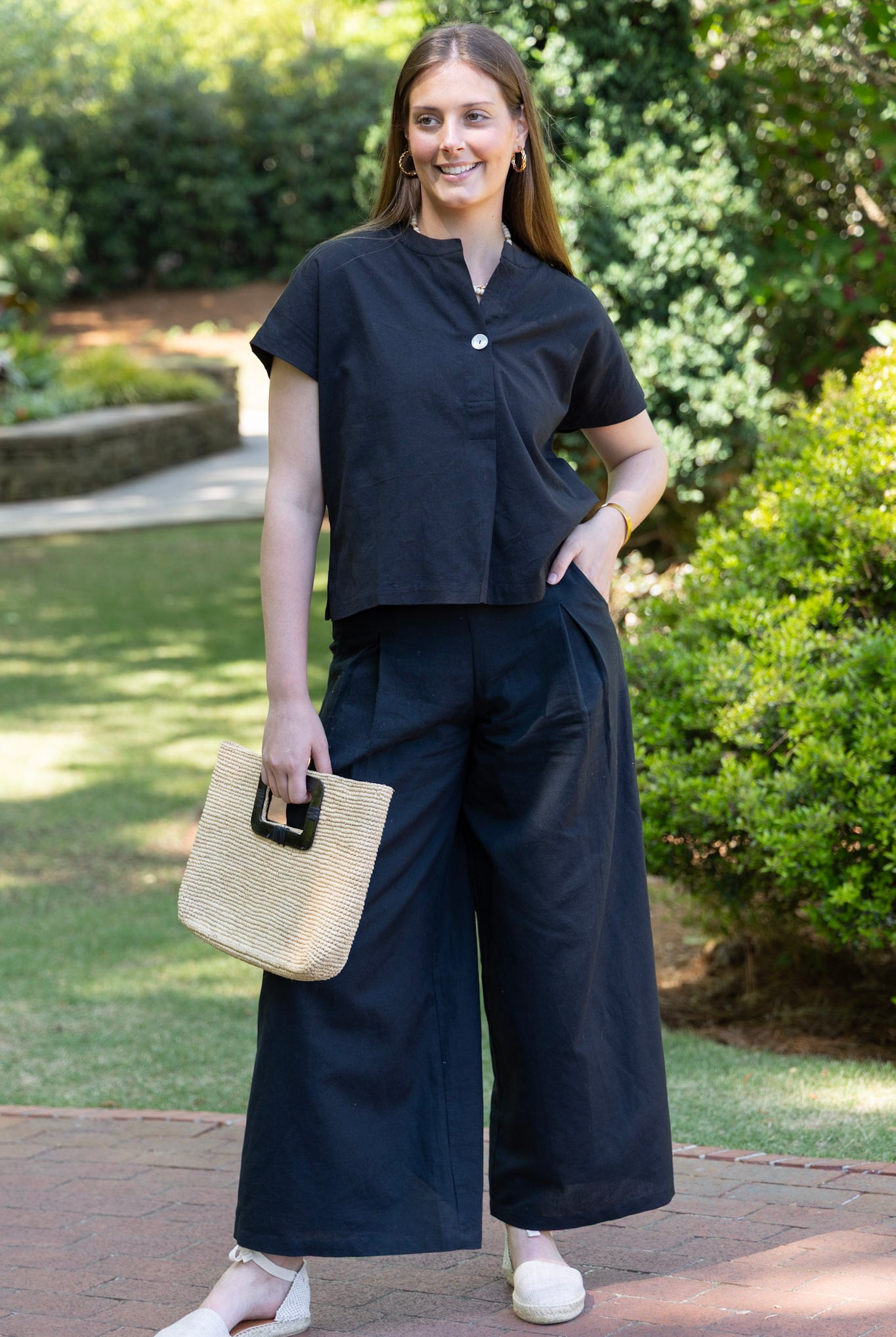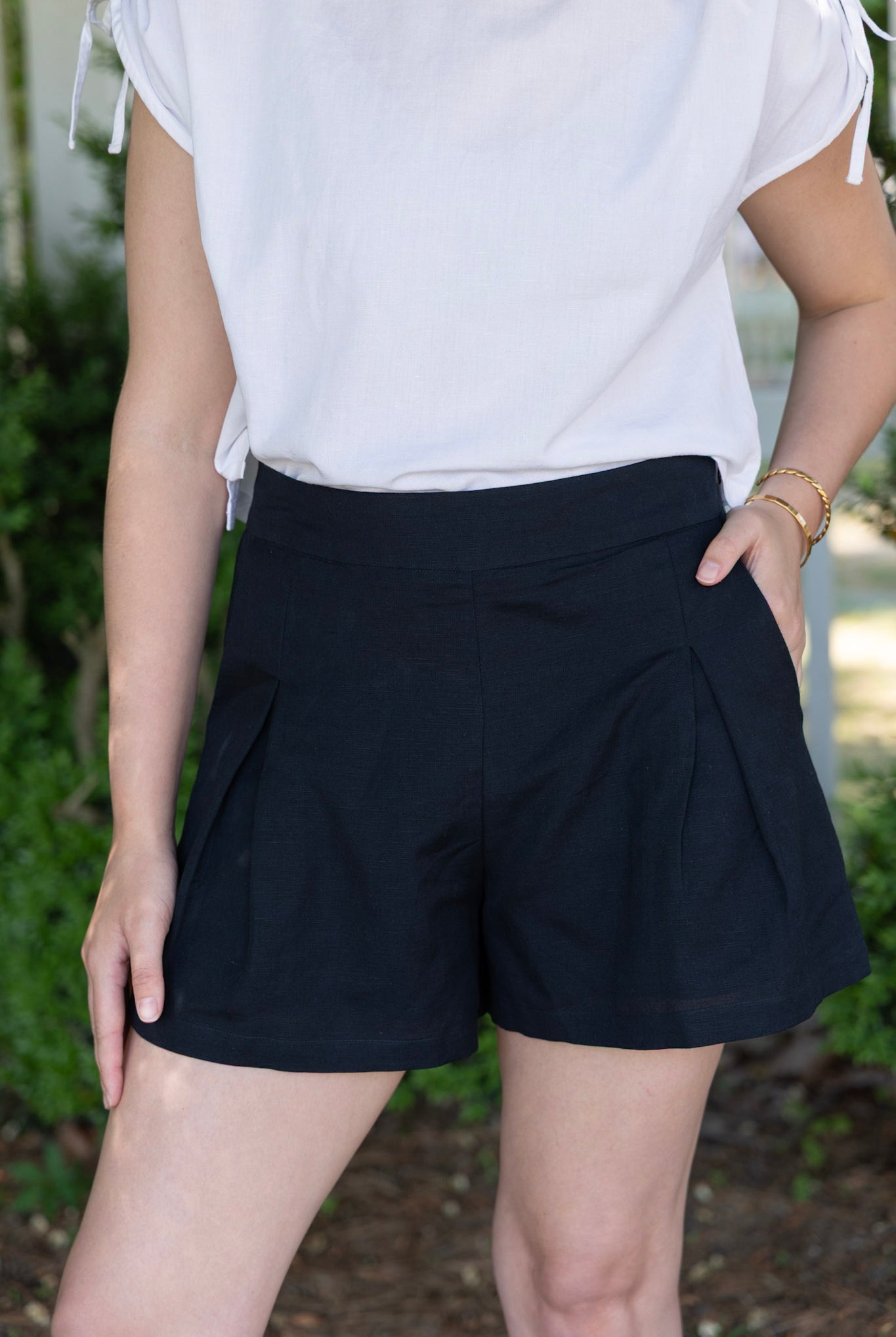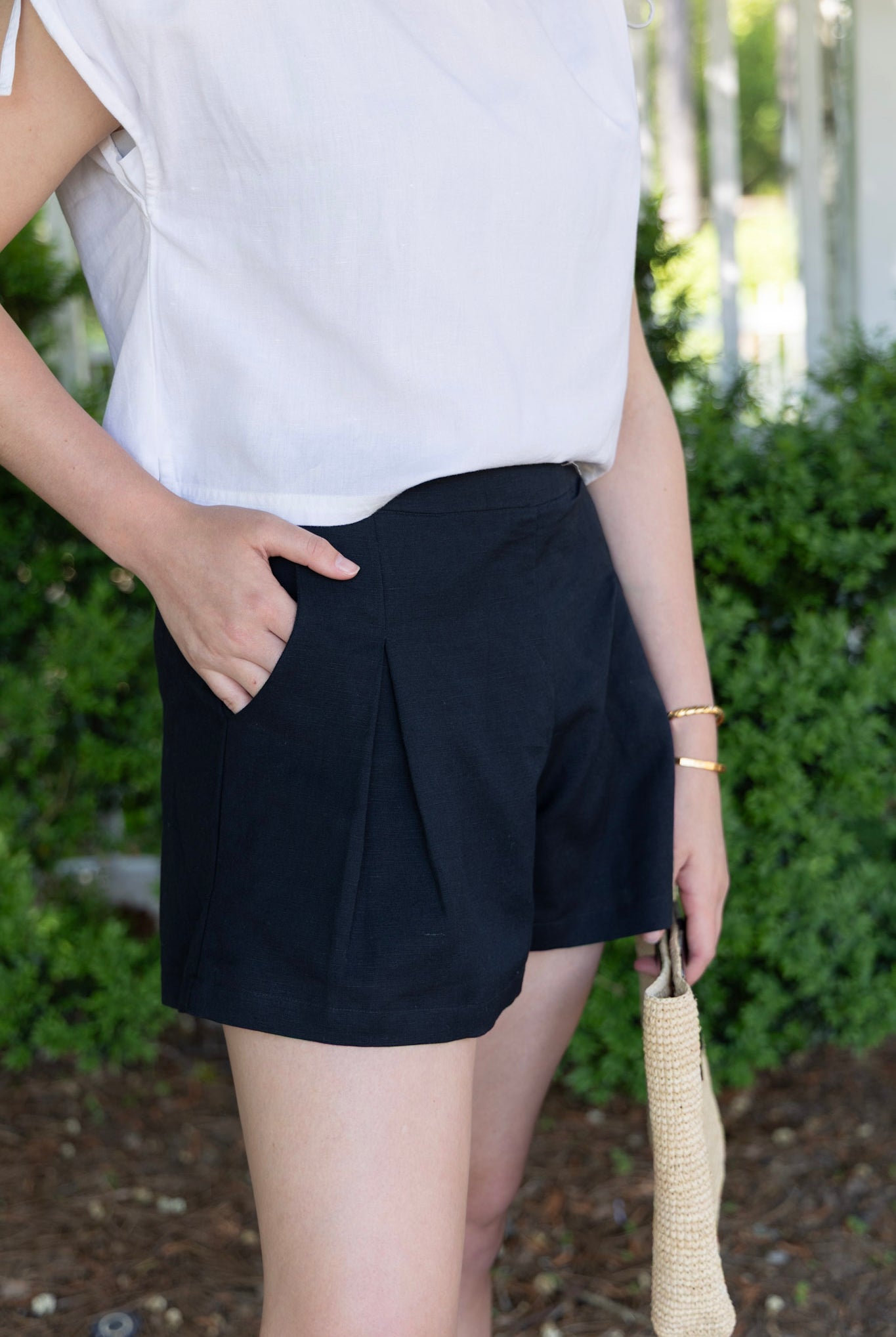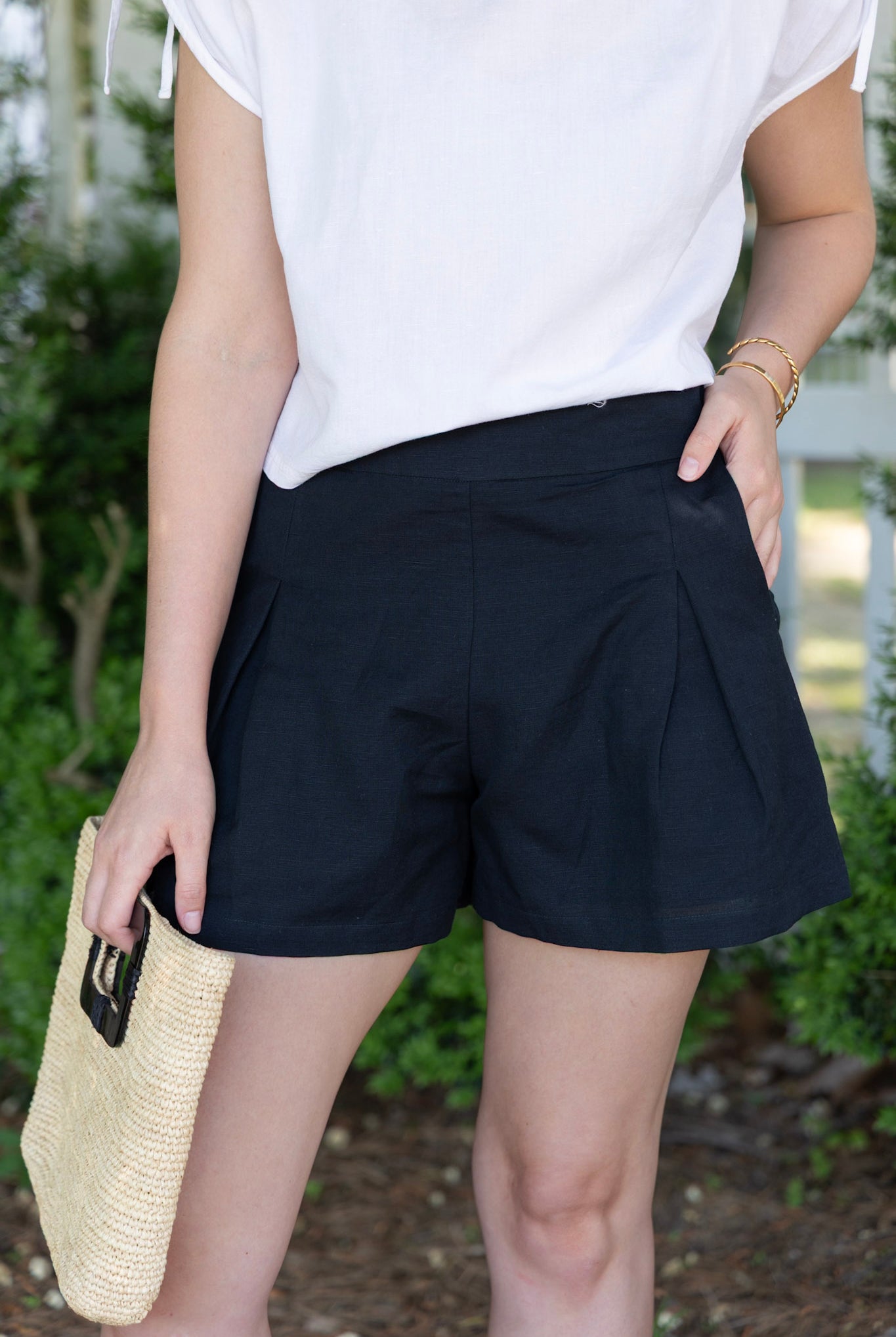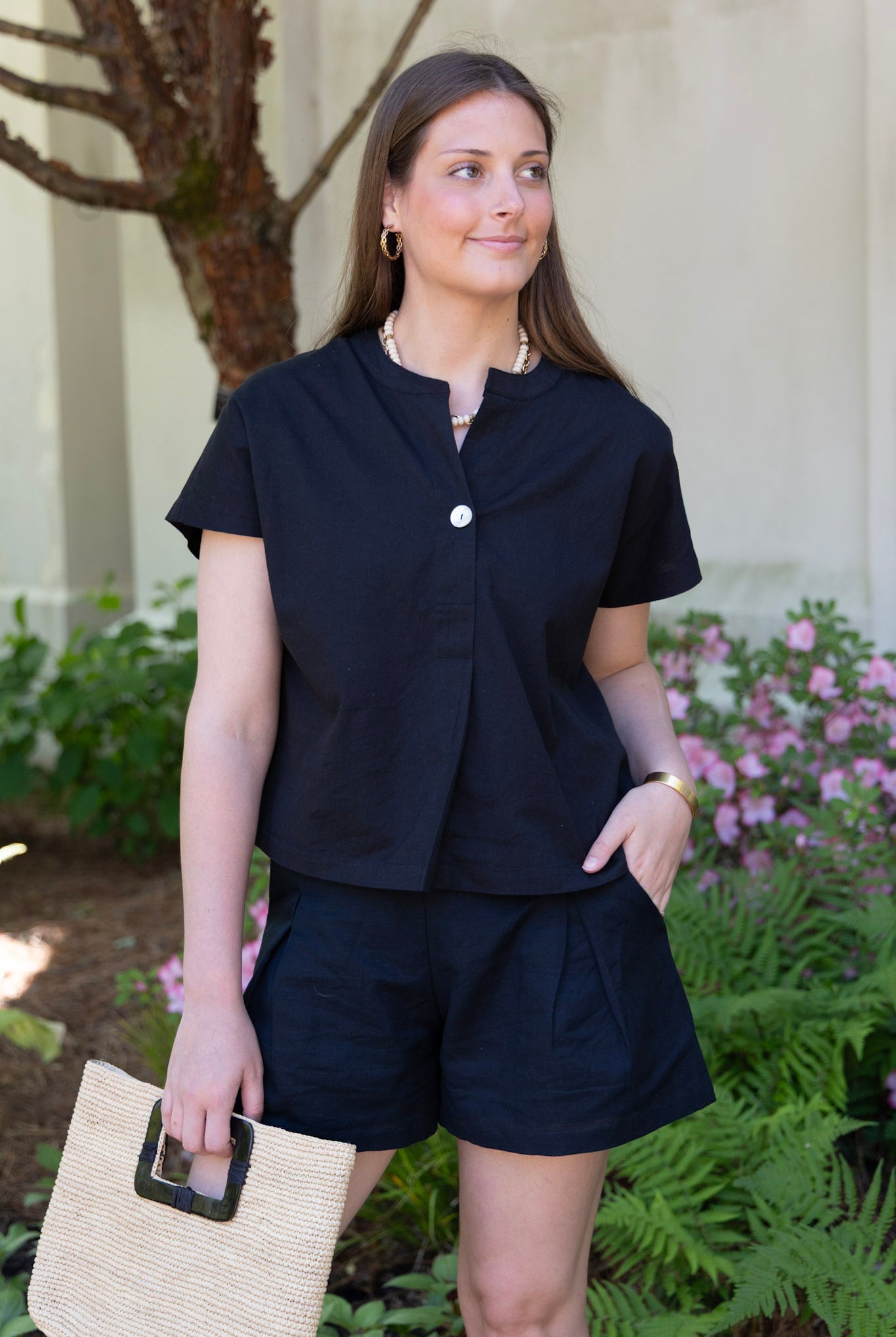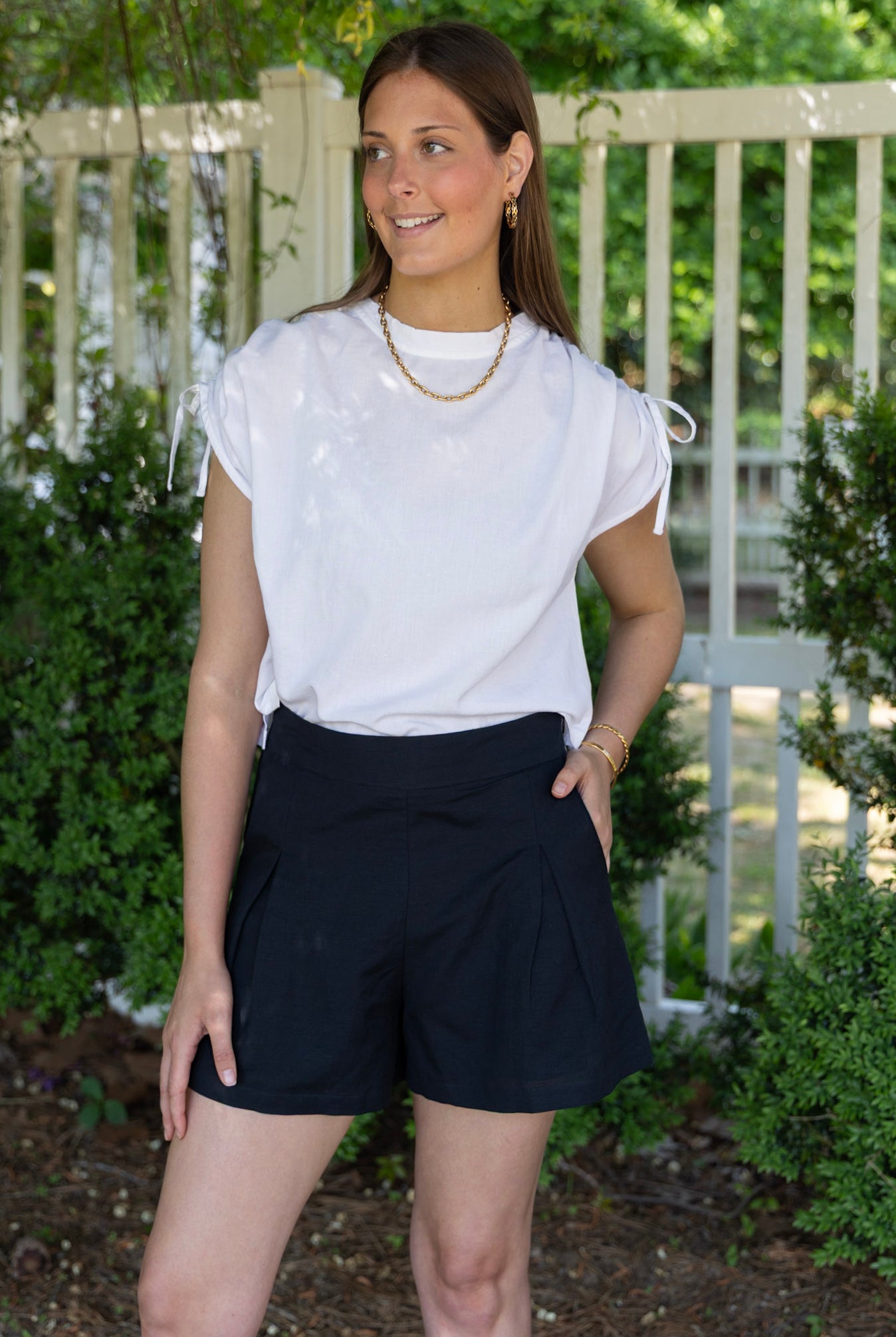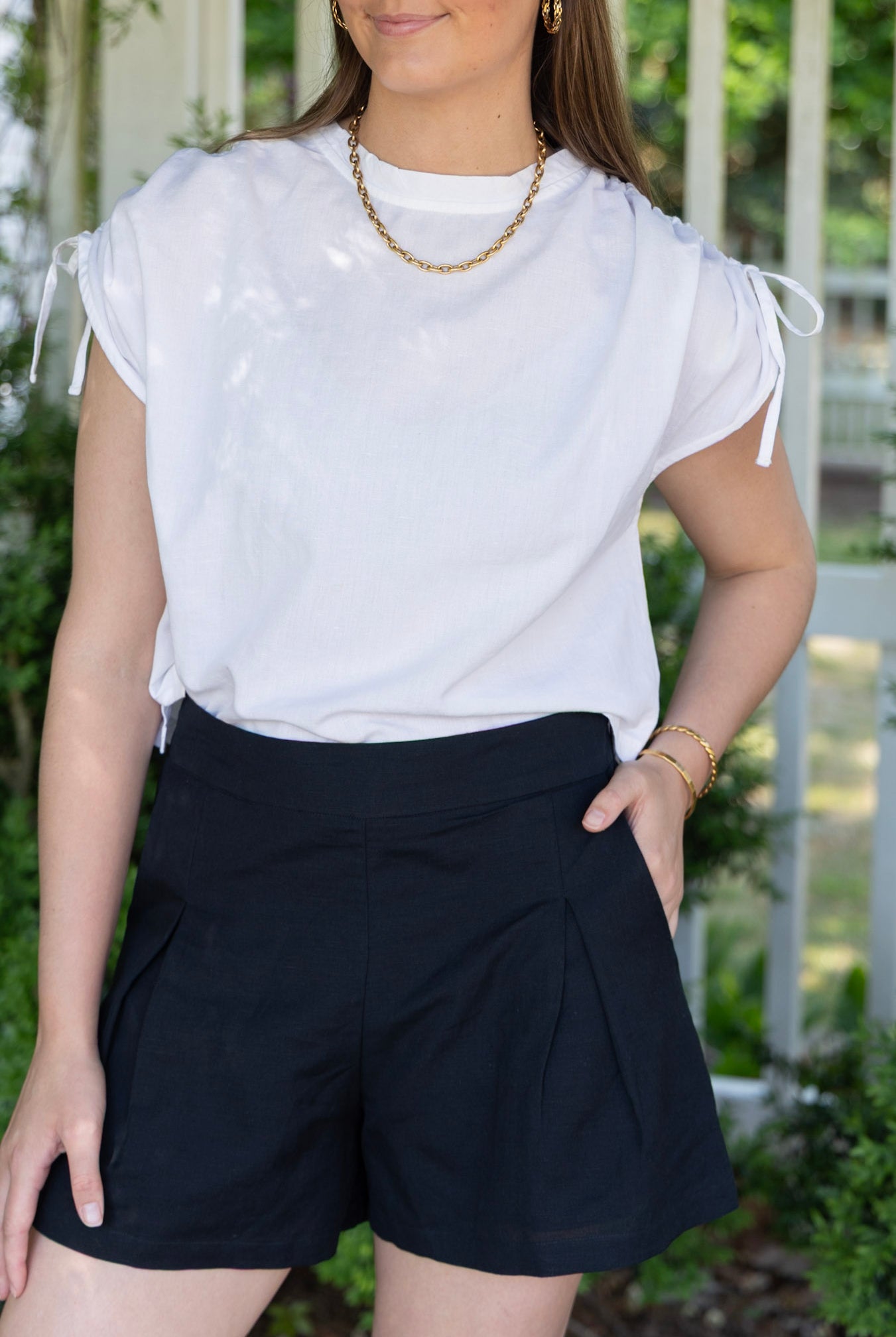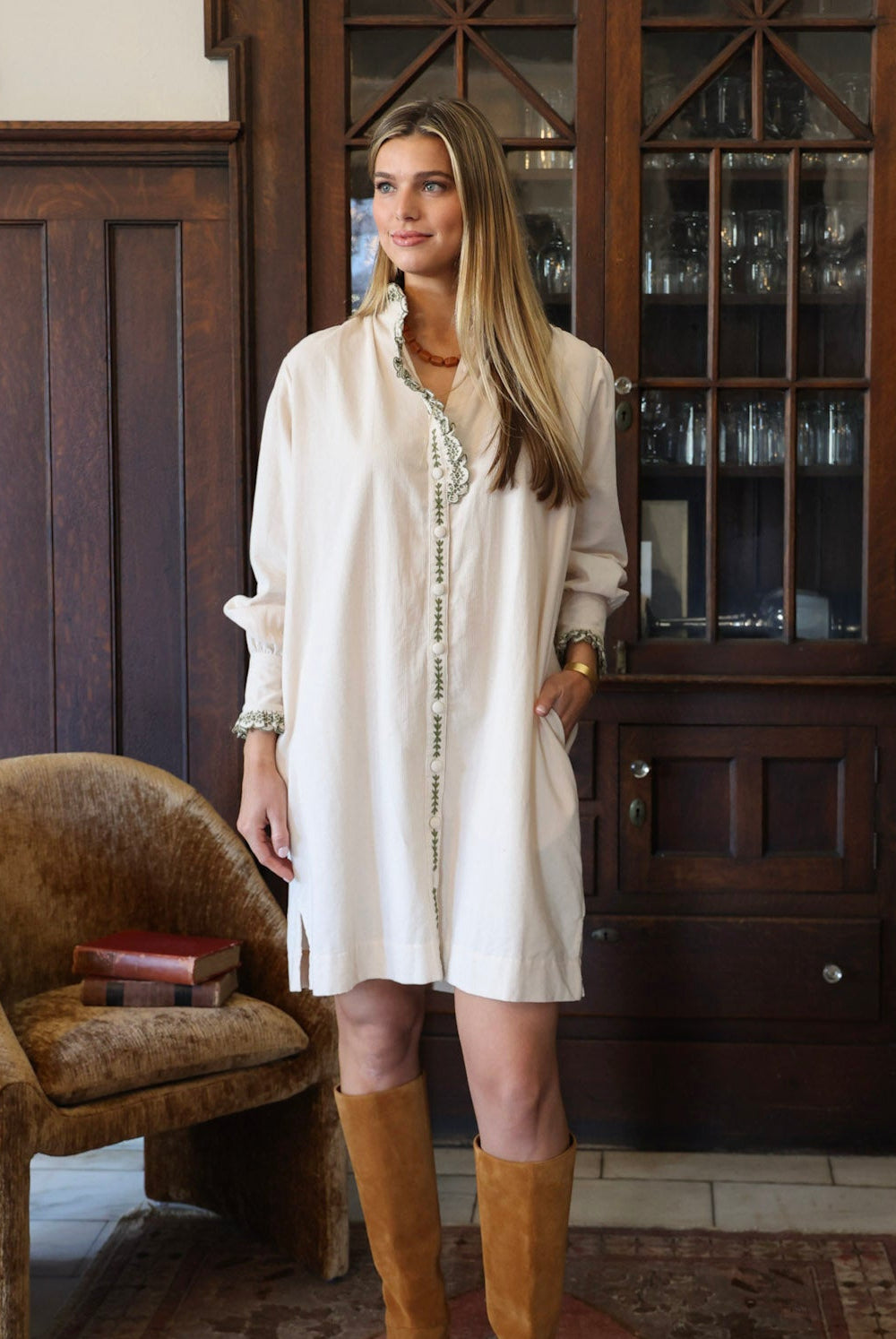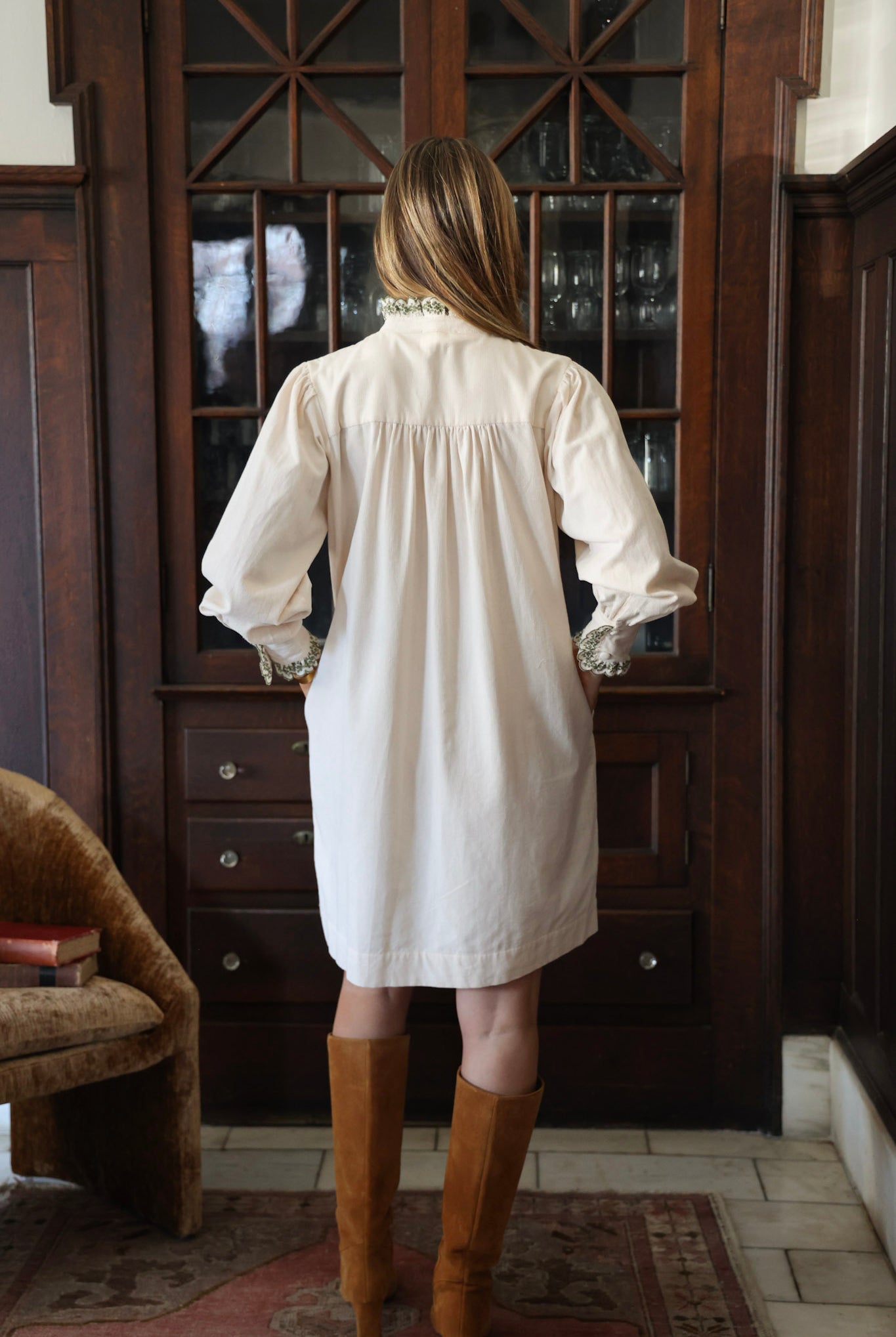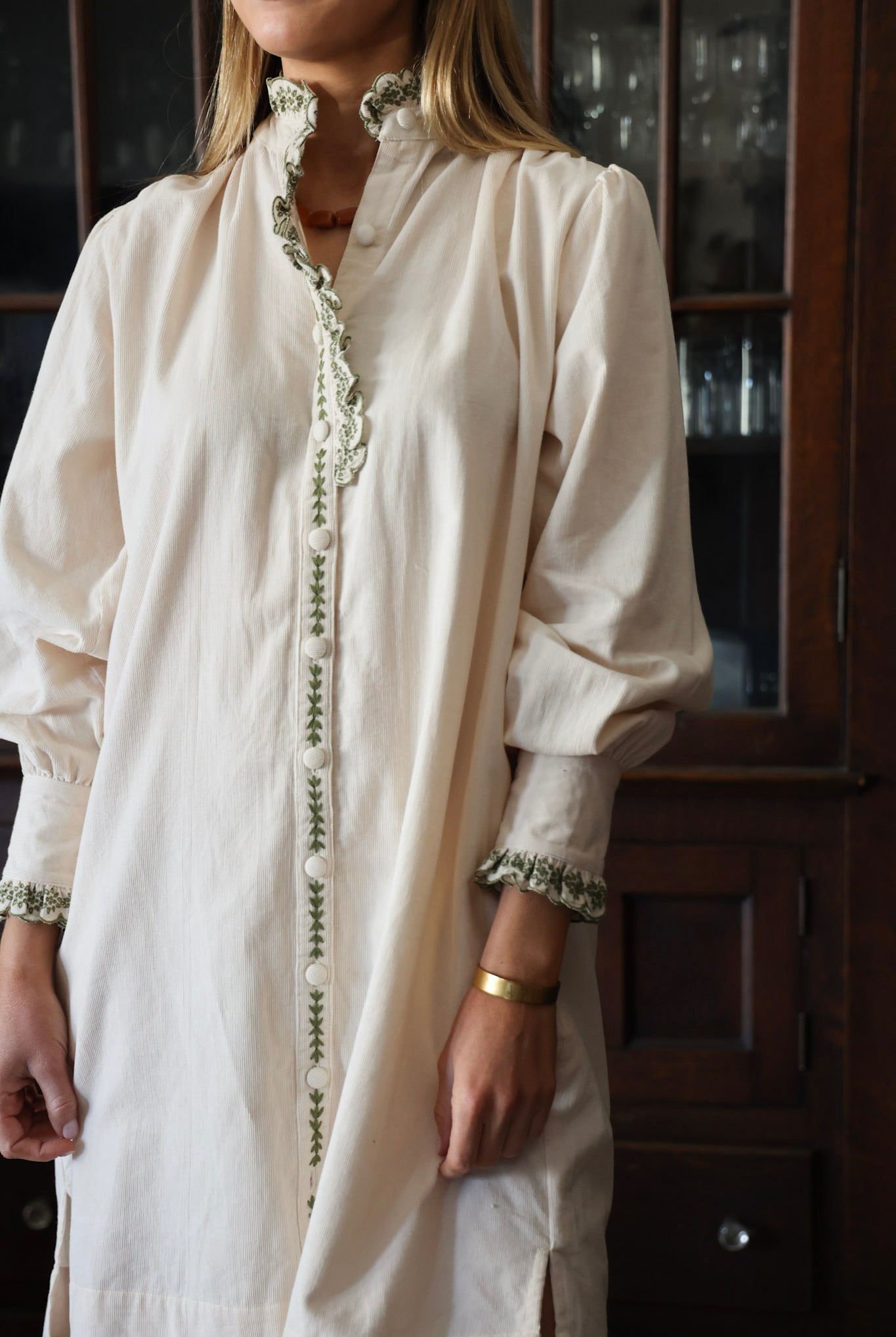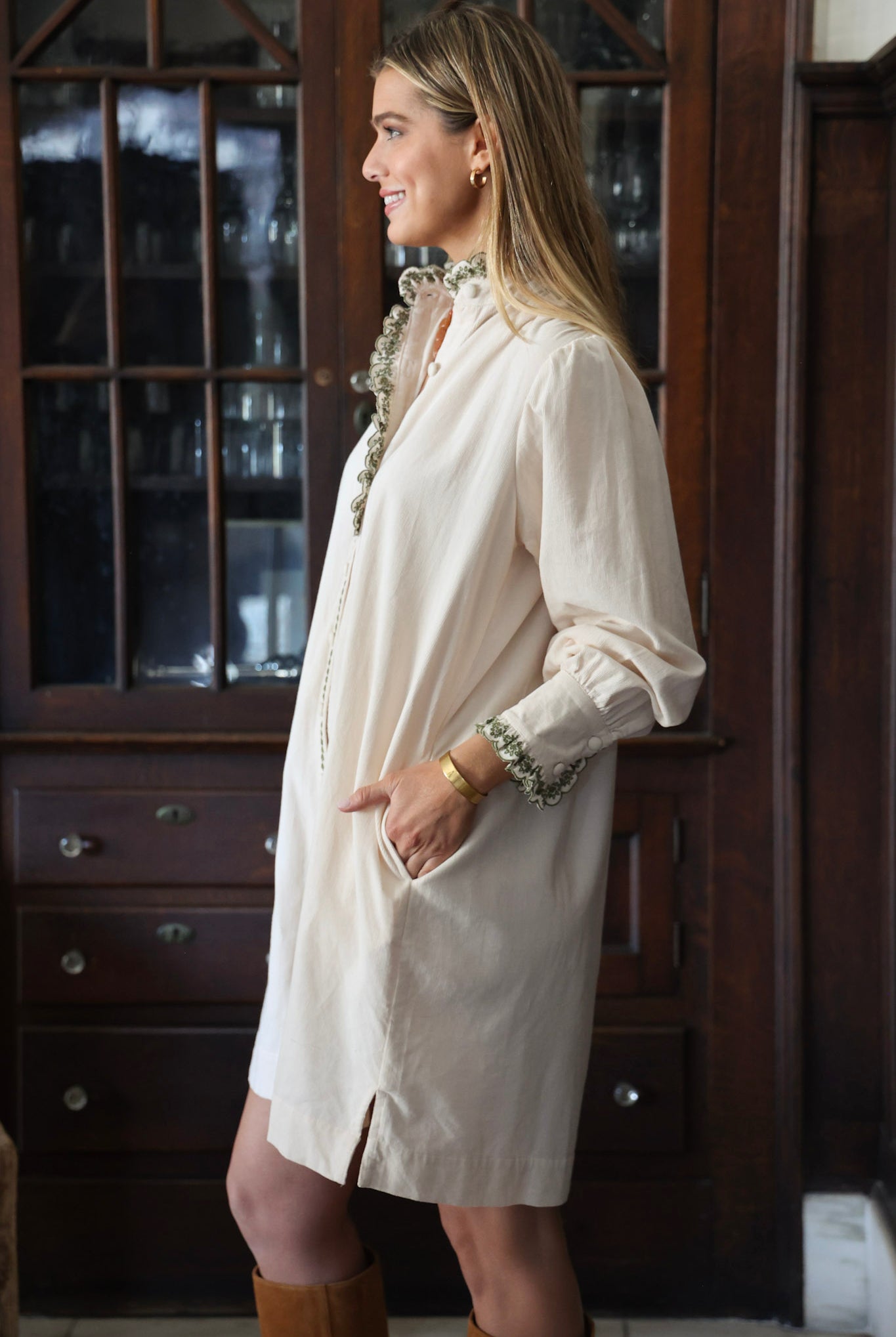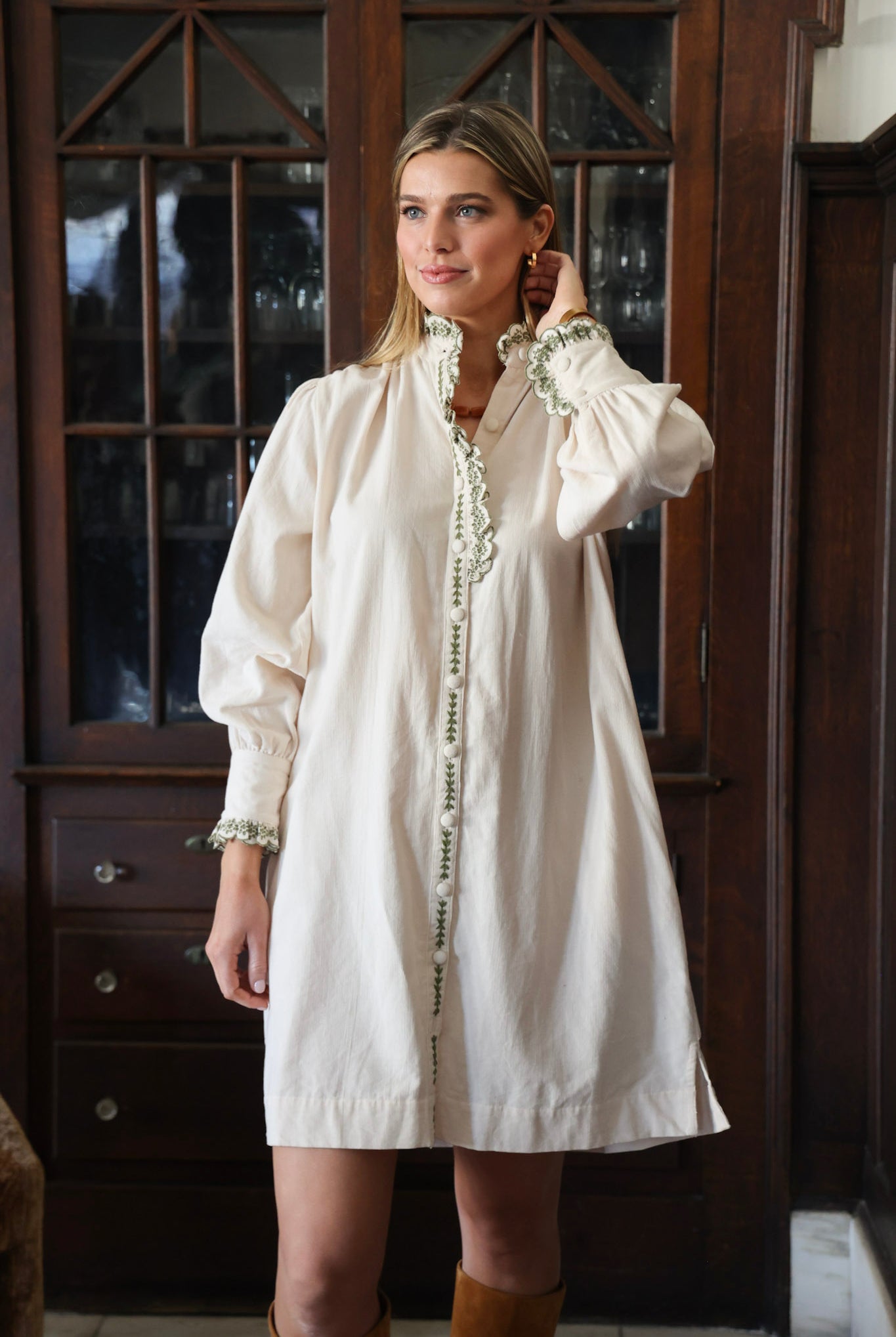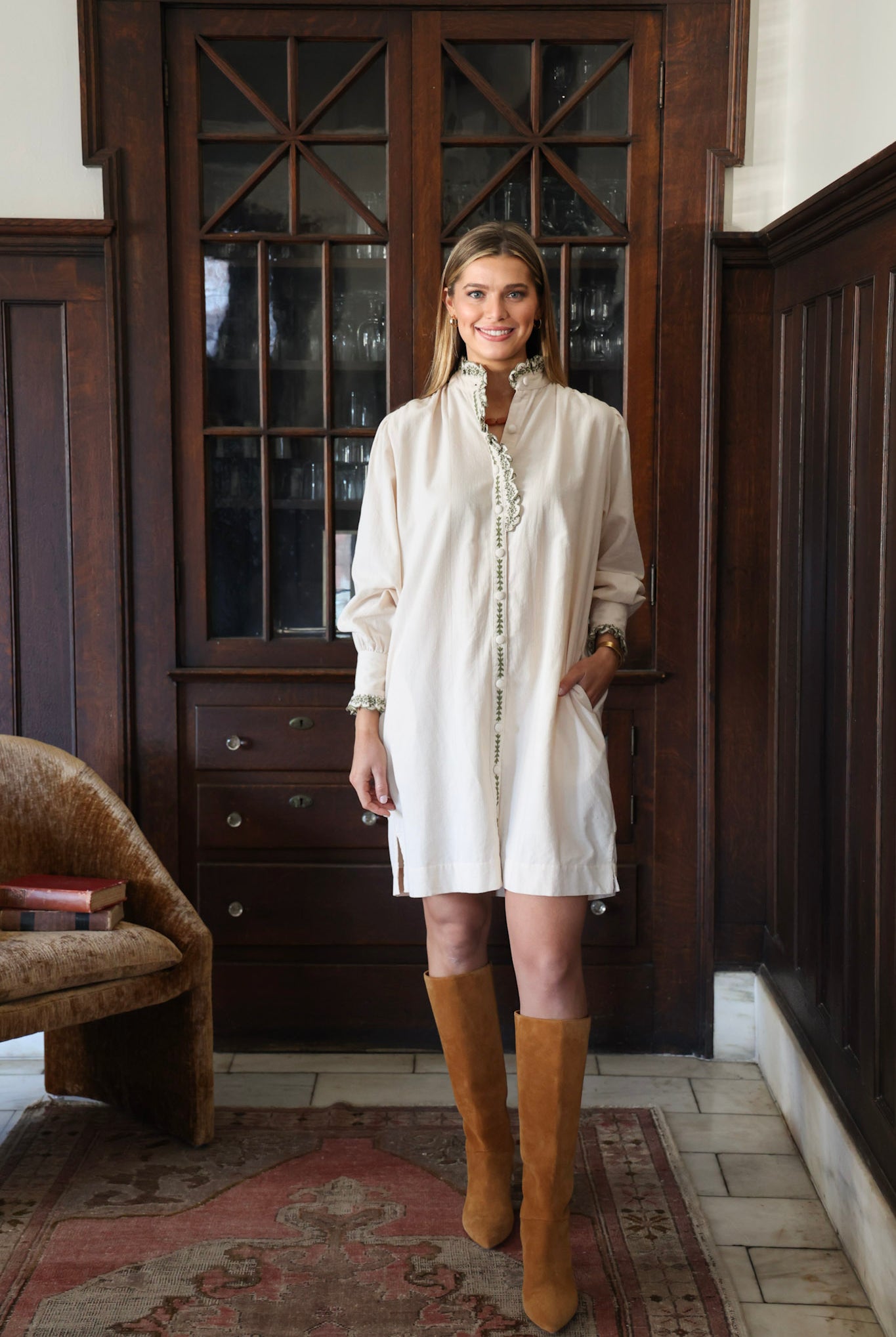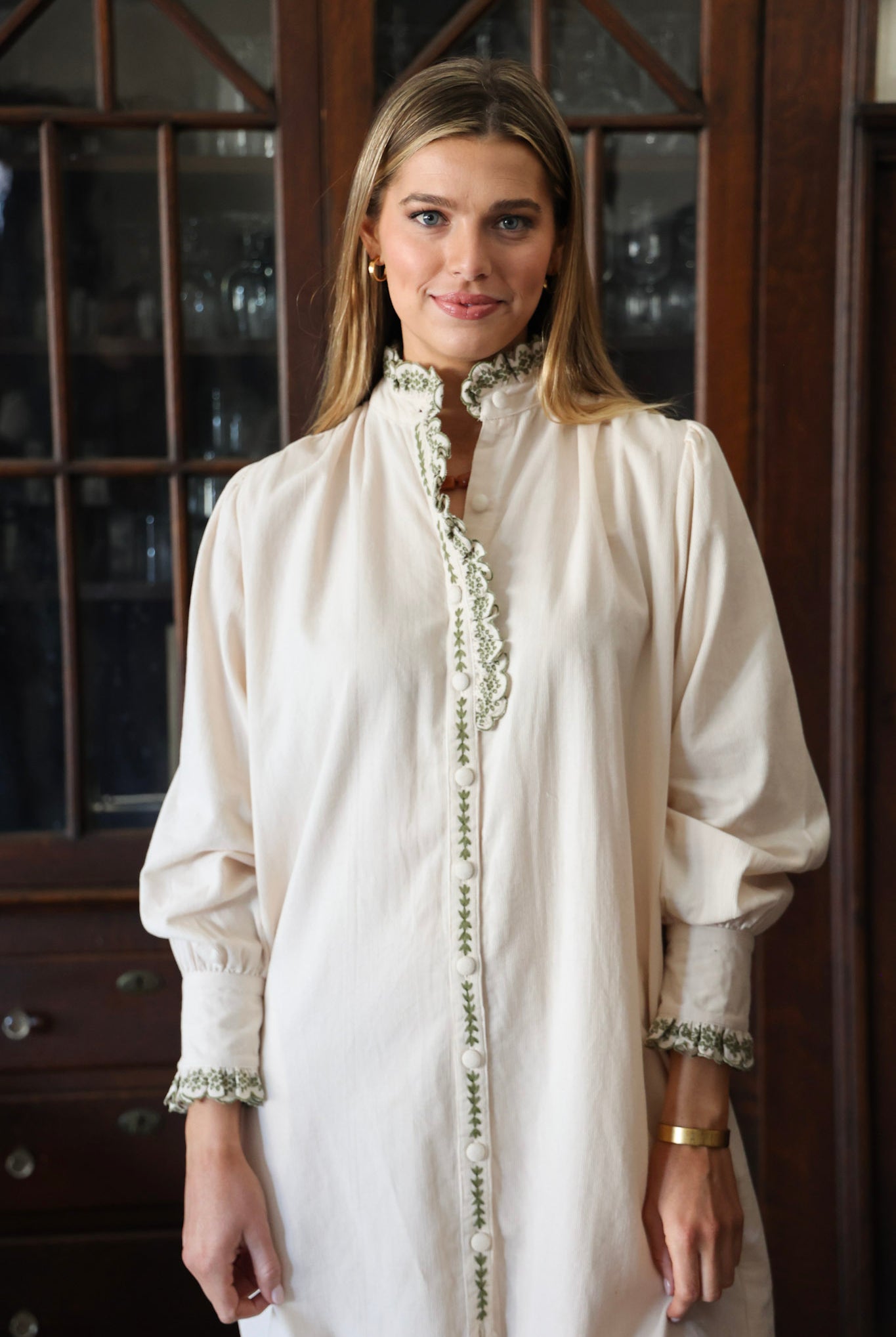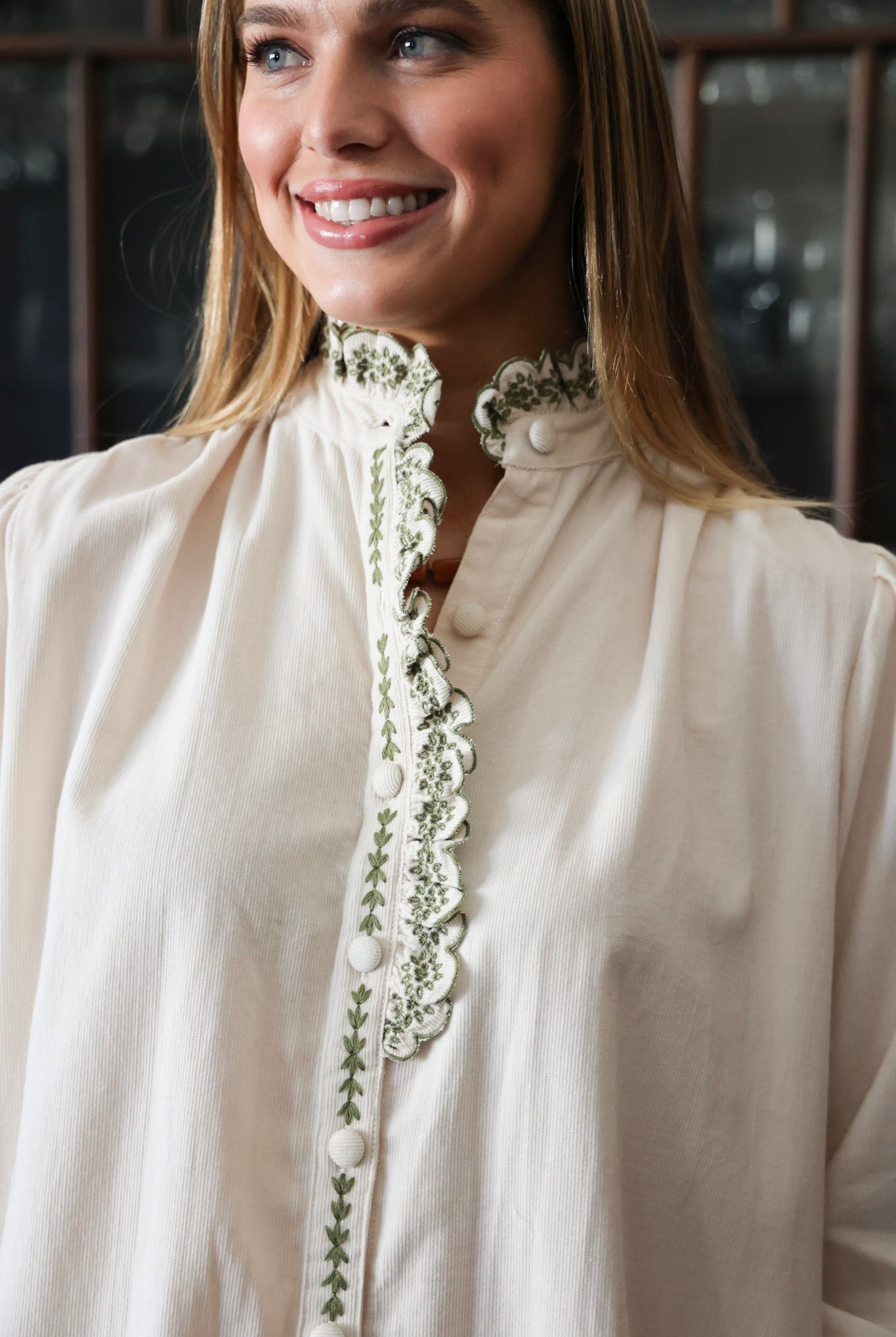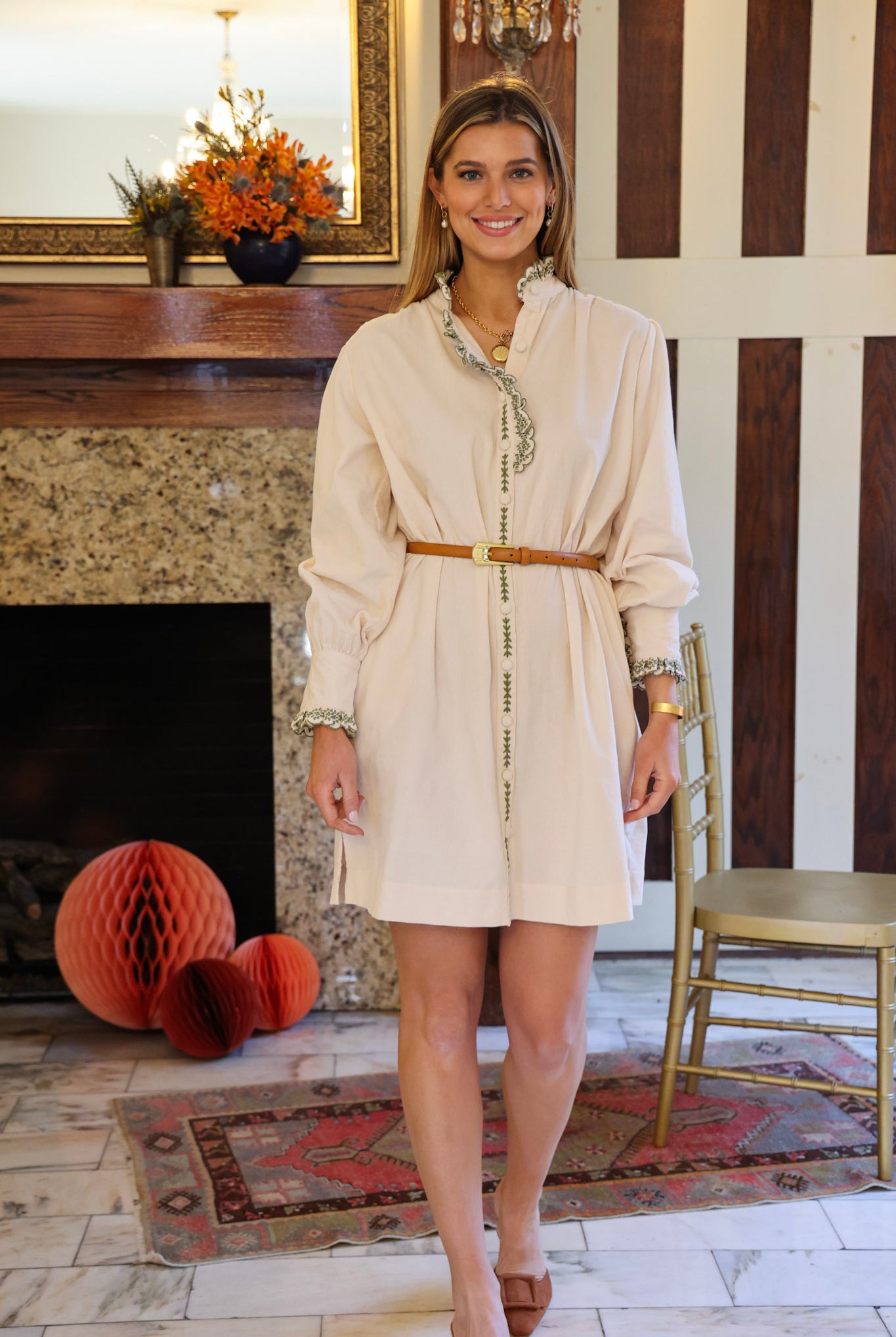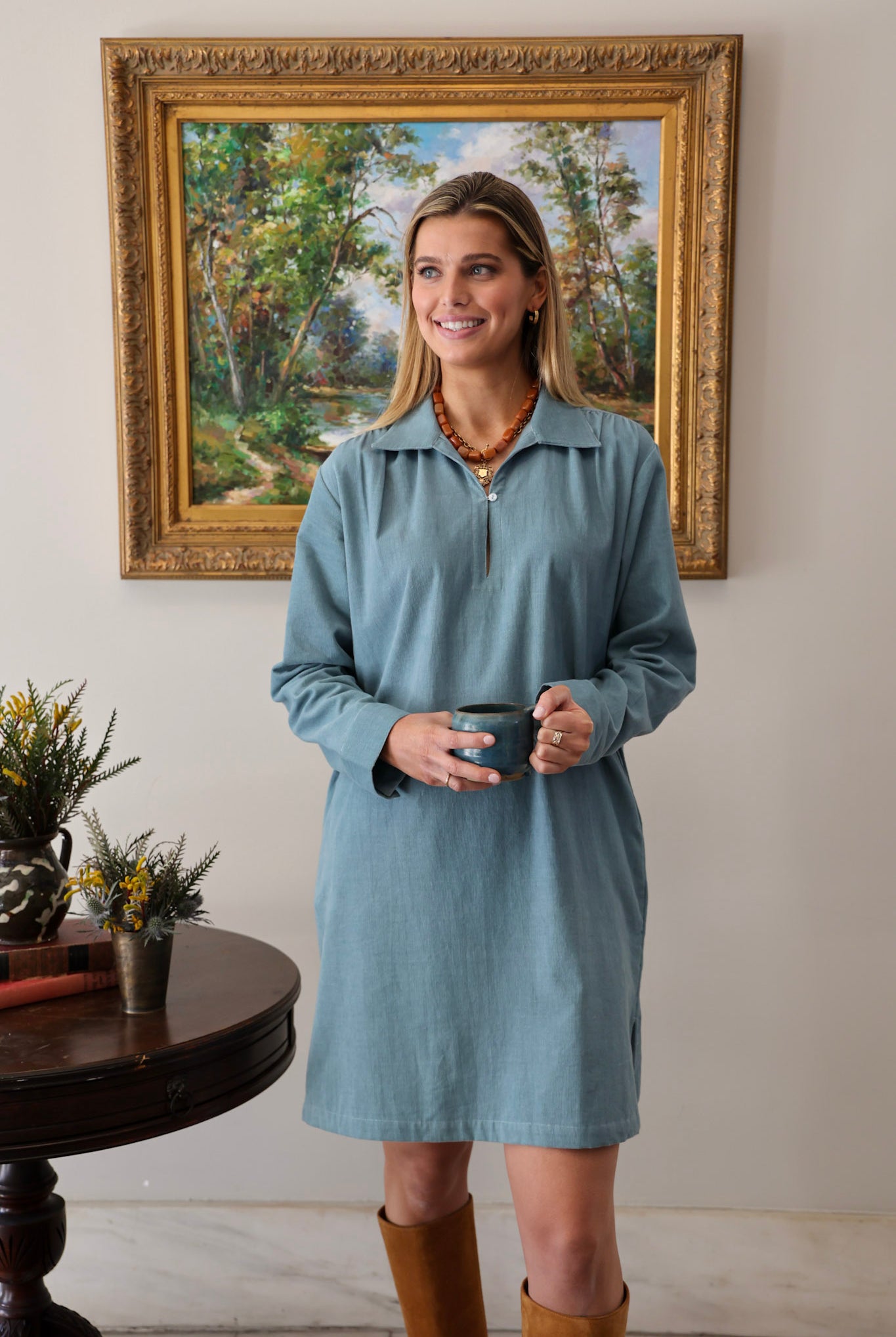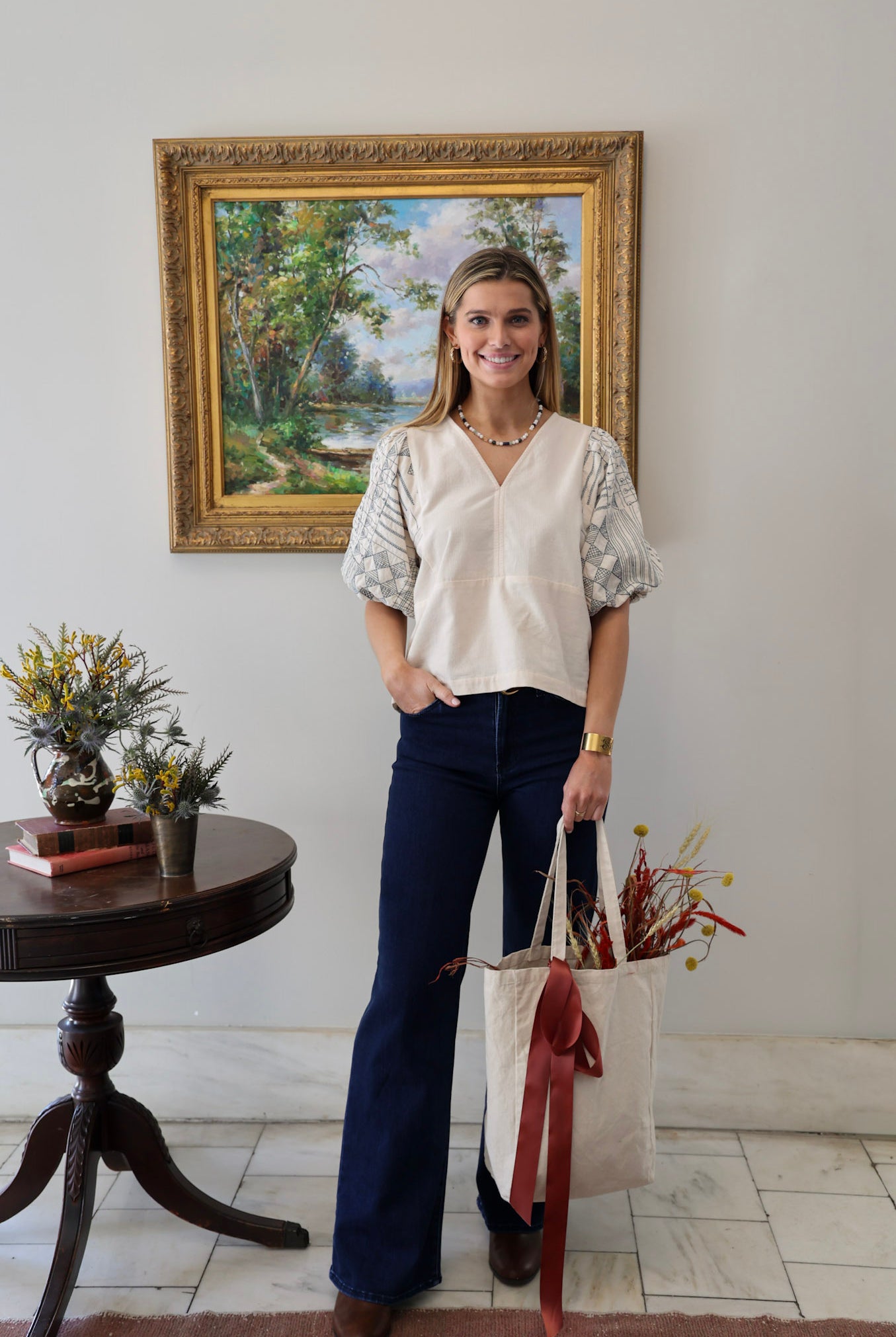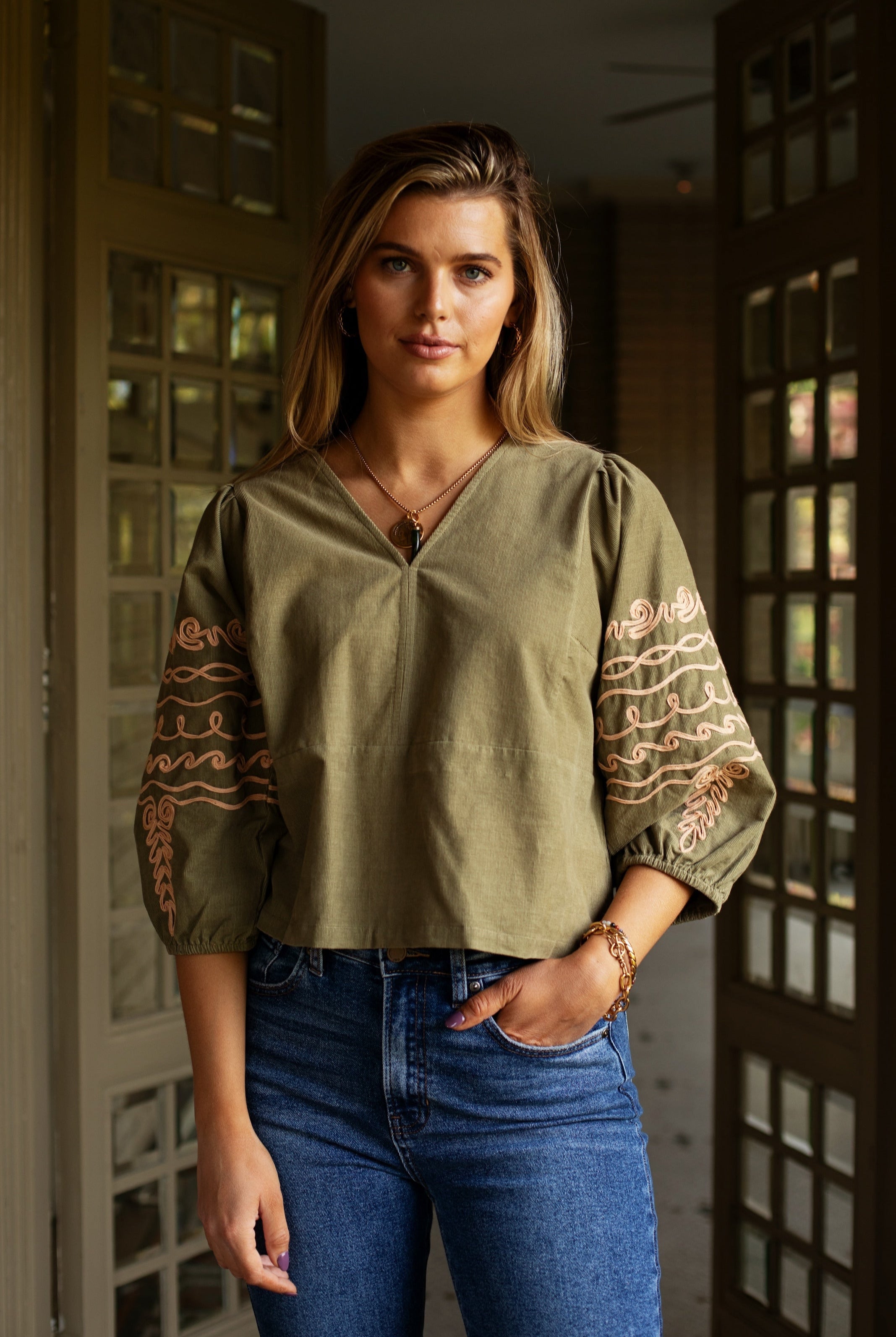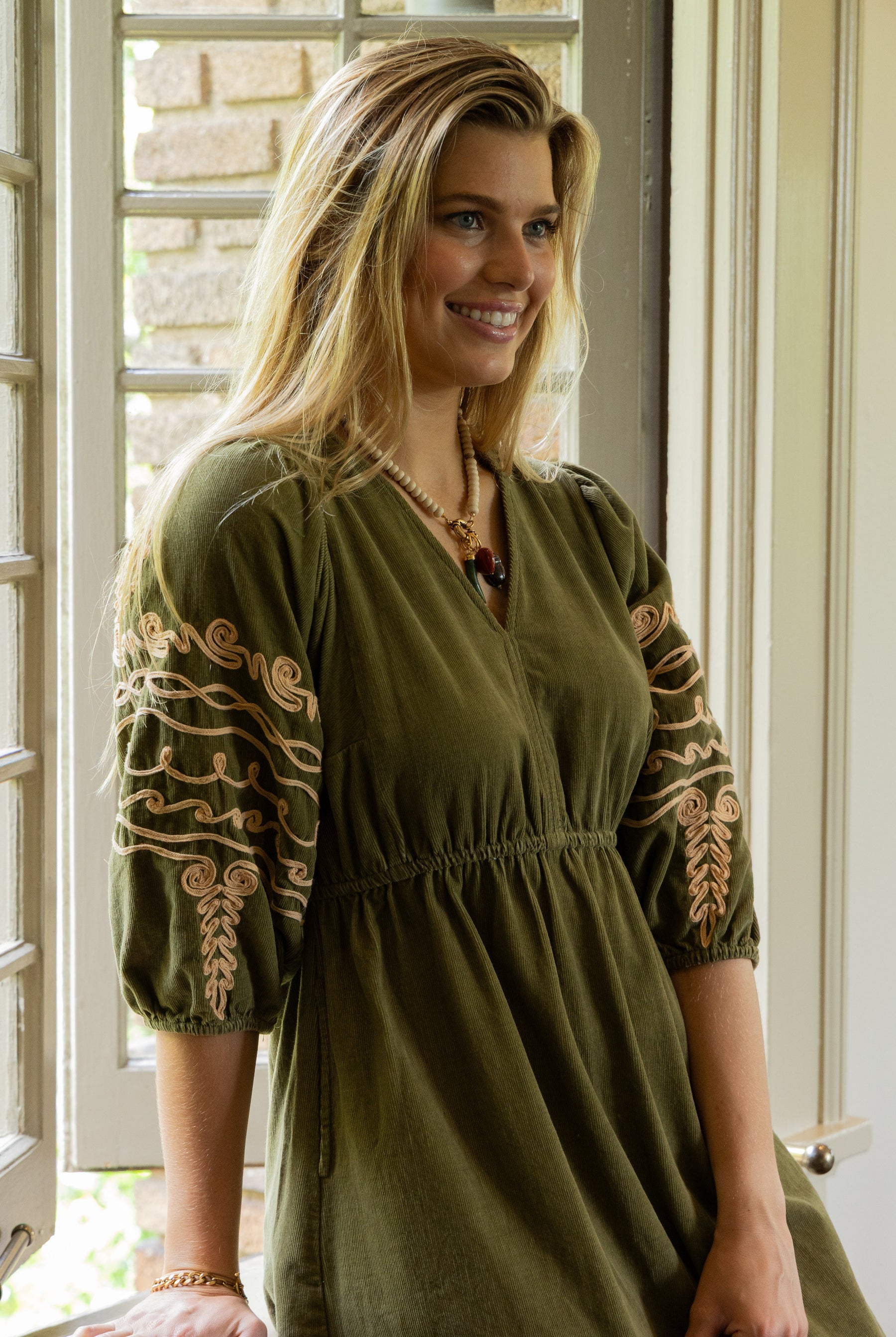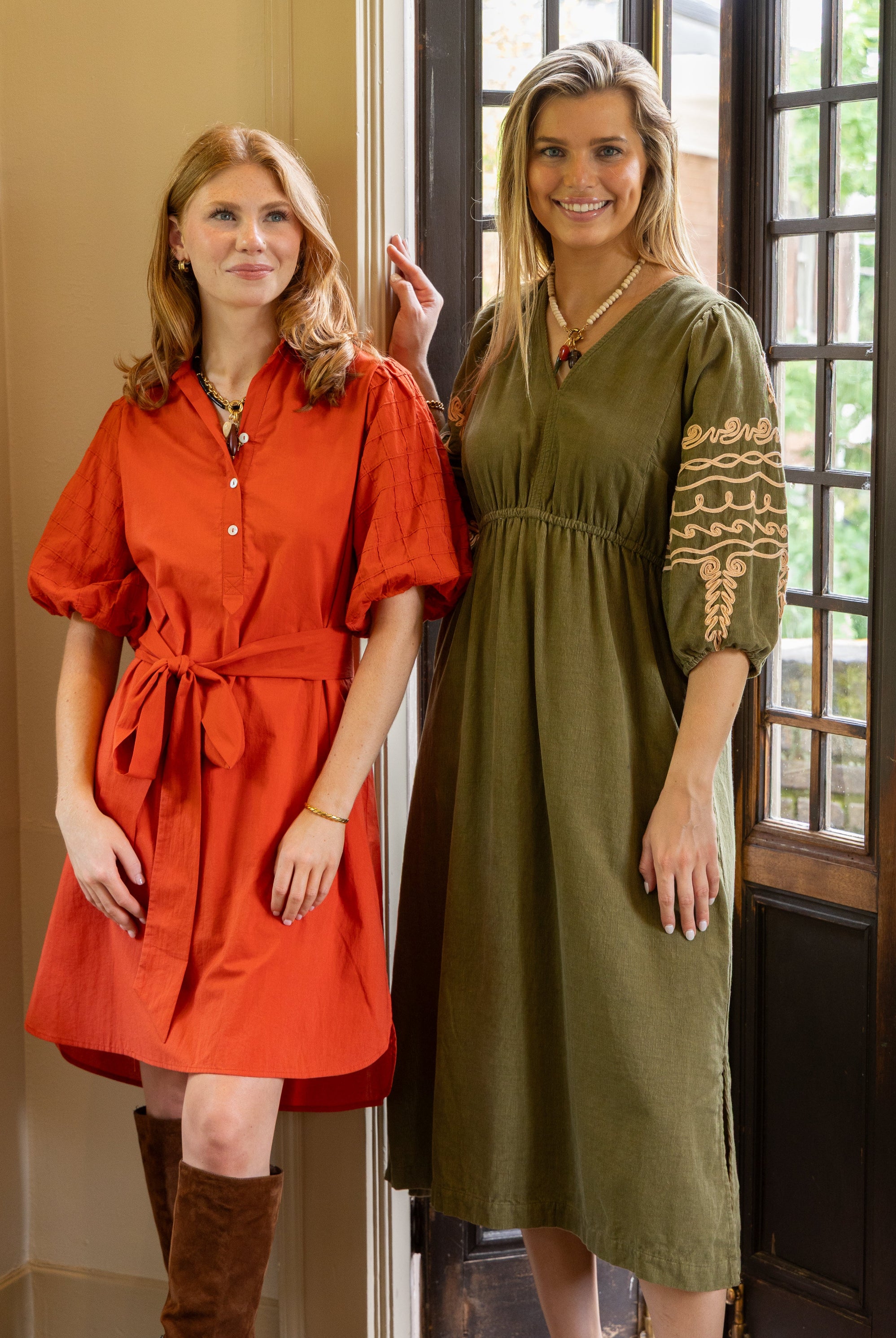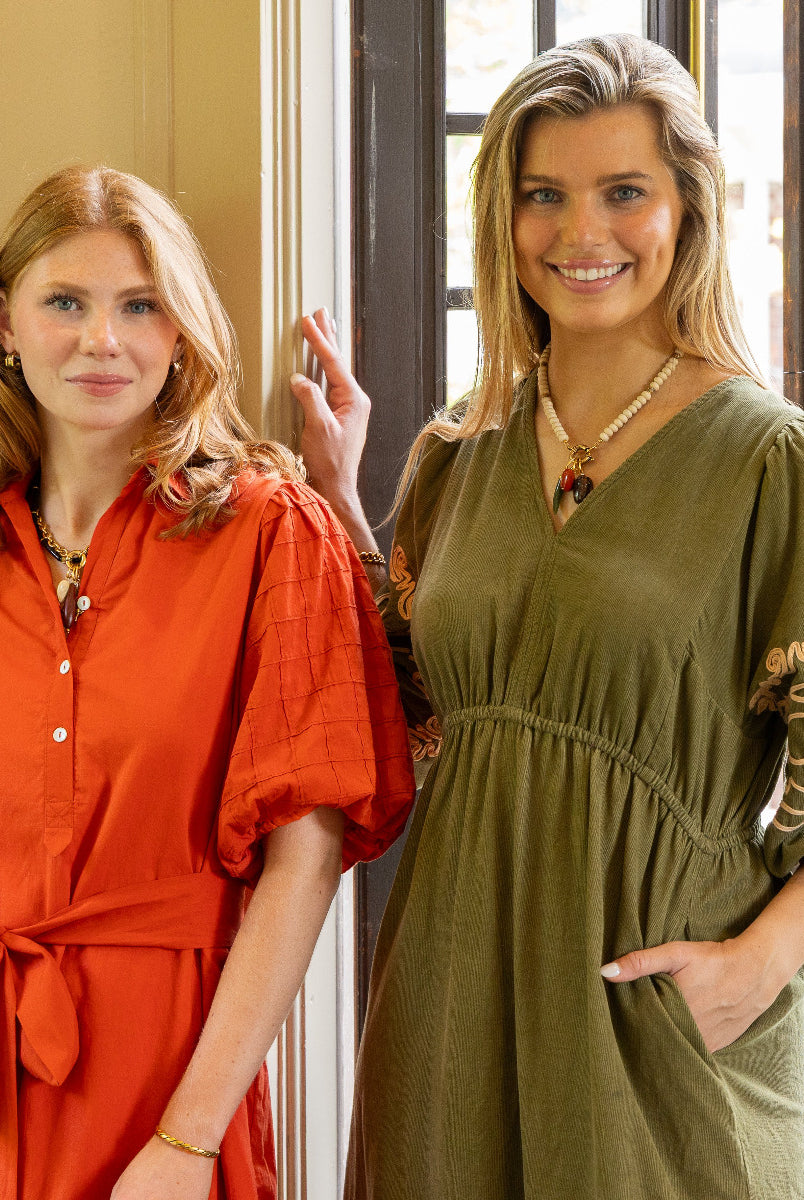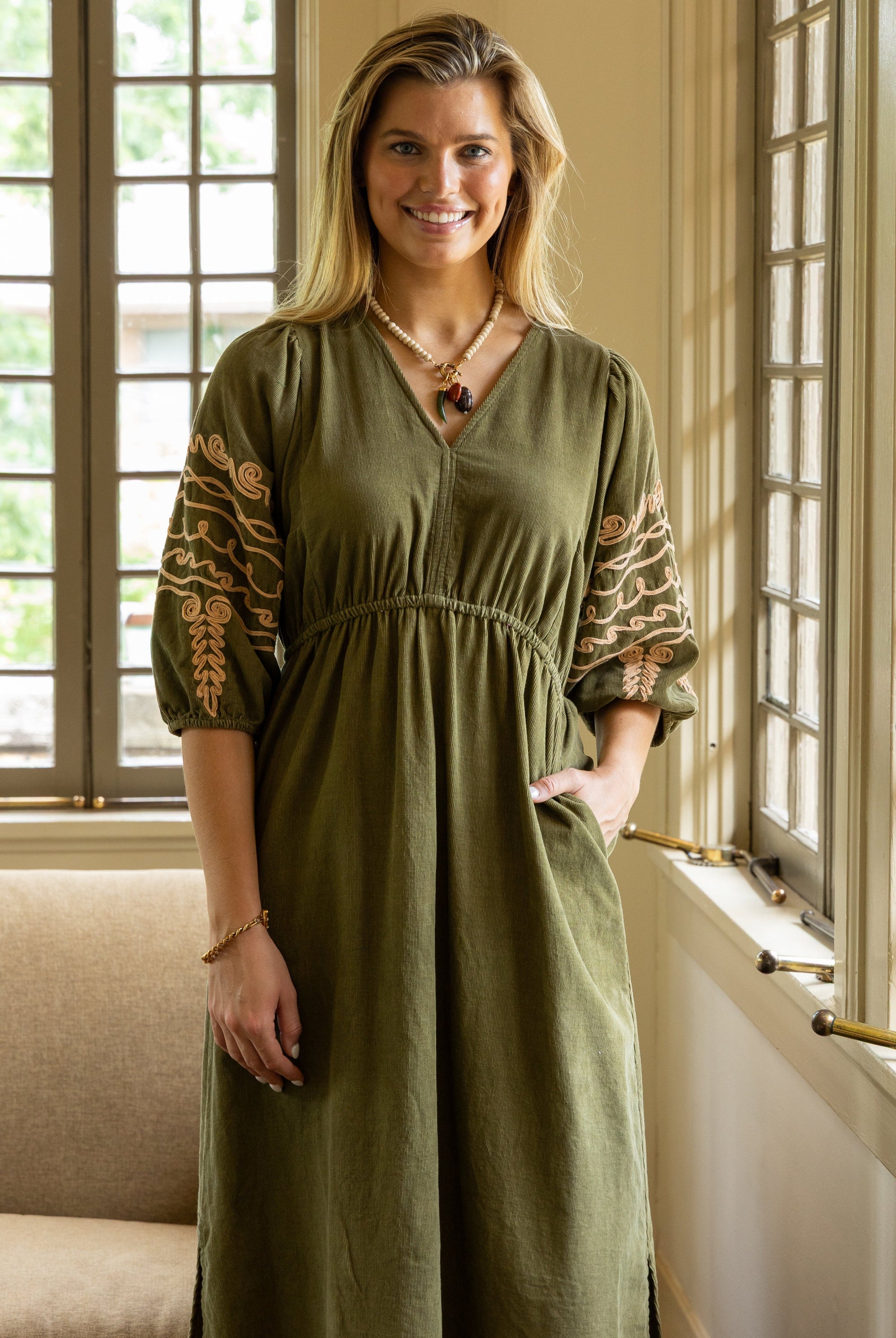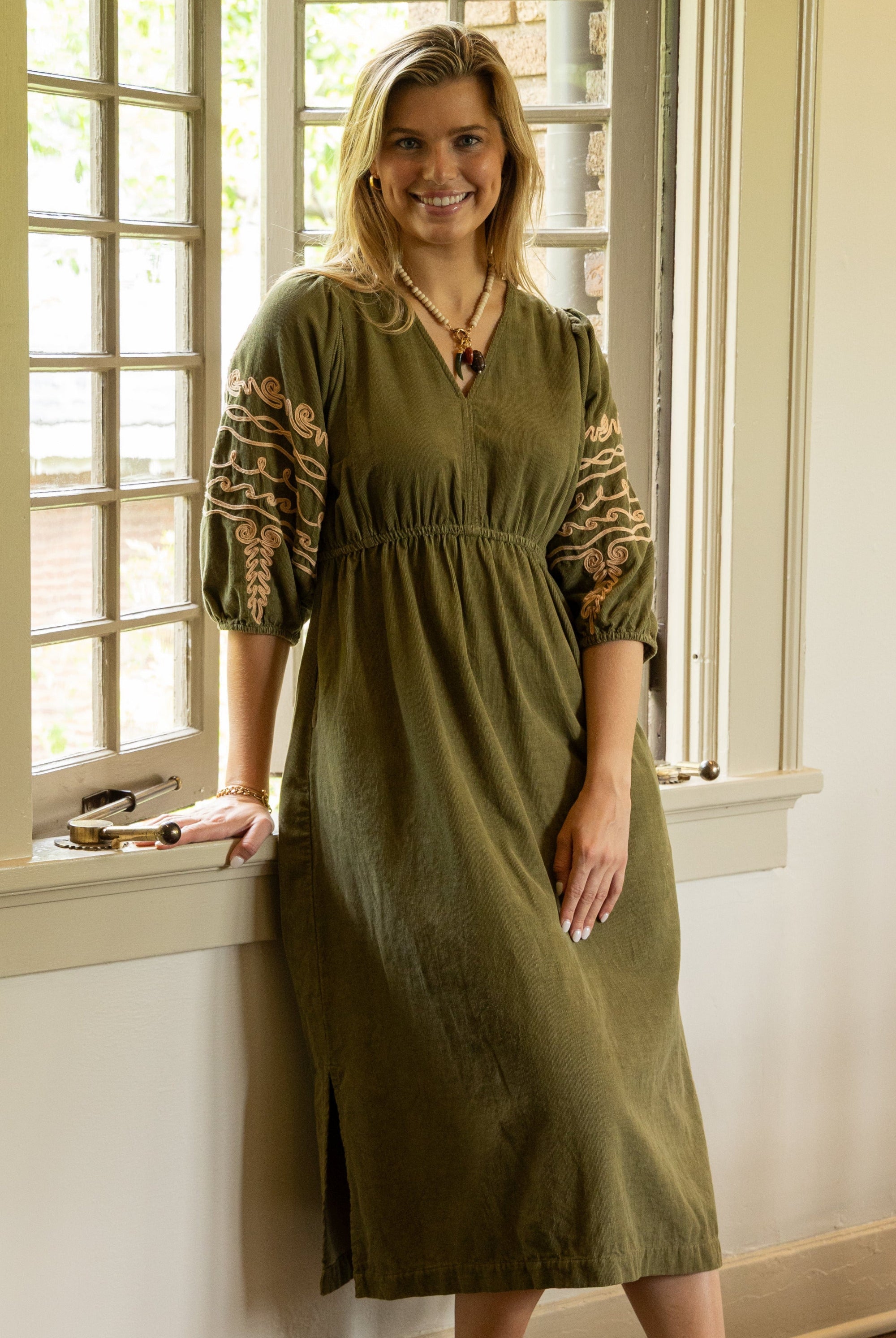

We believe in doing what is right instead of what is easy.
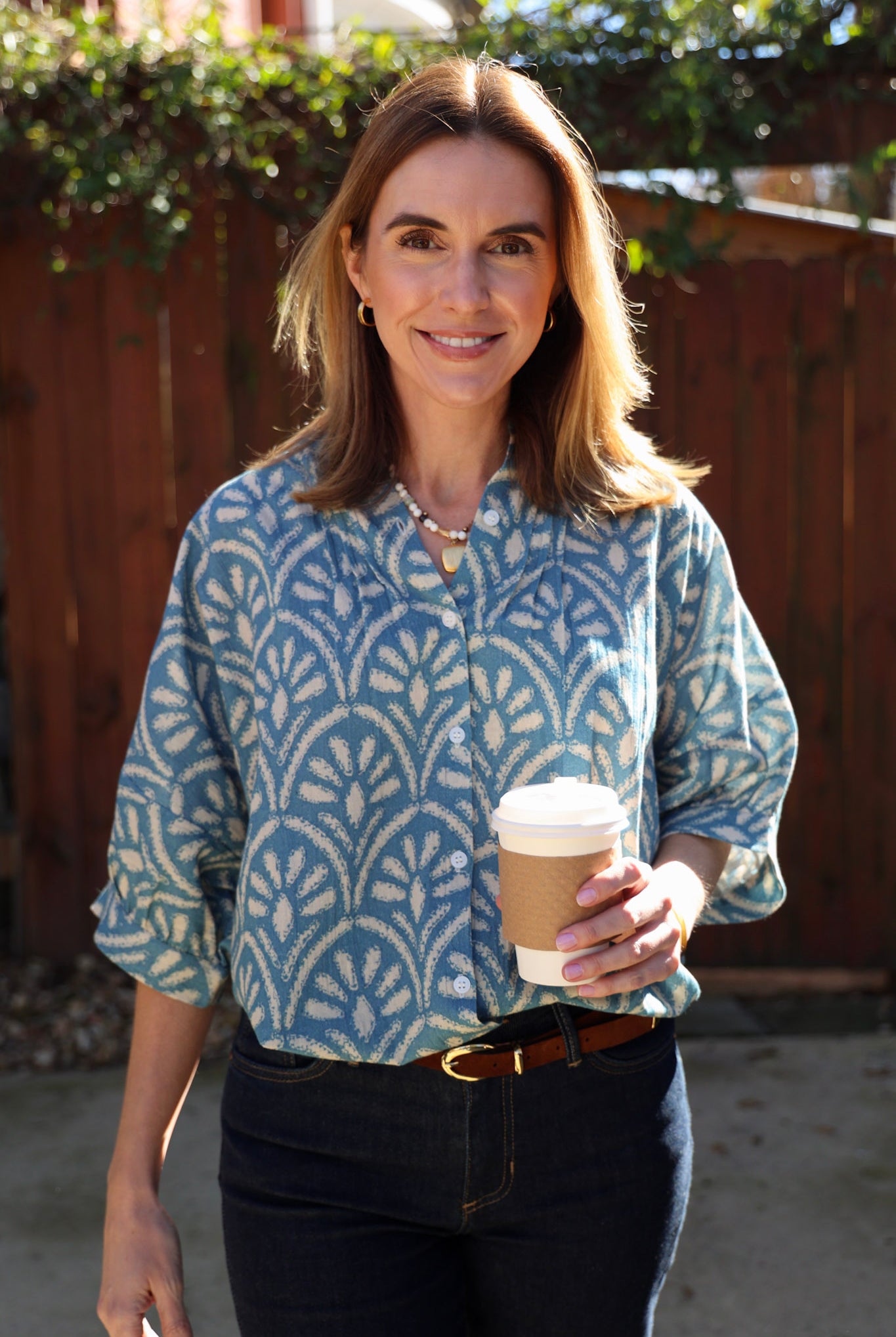
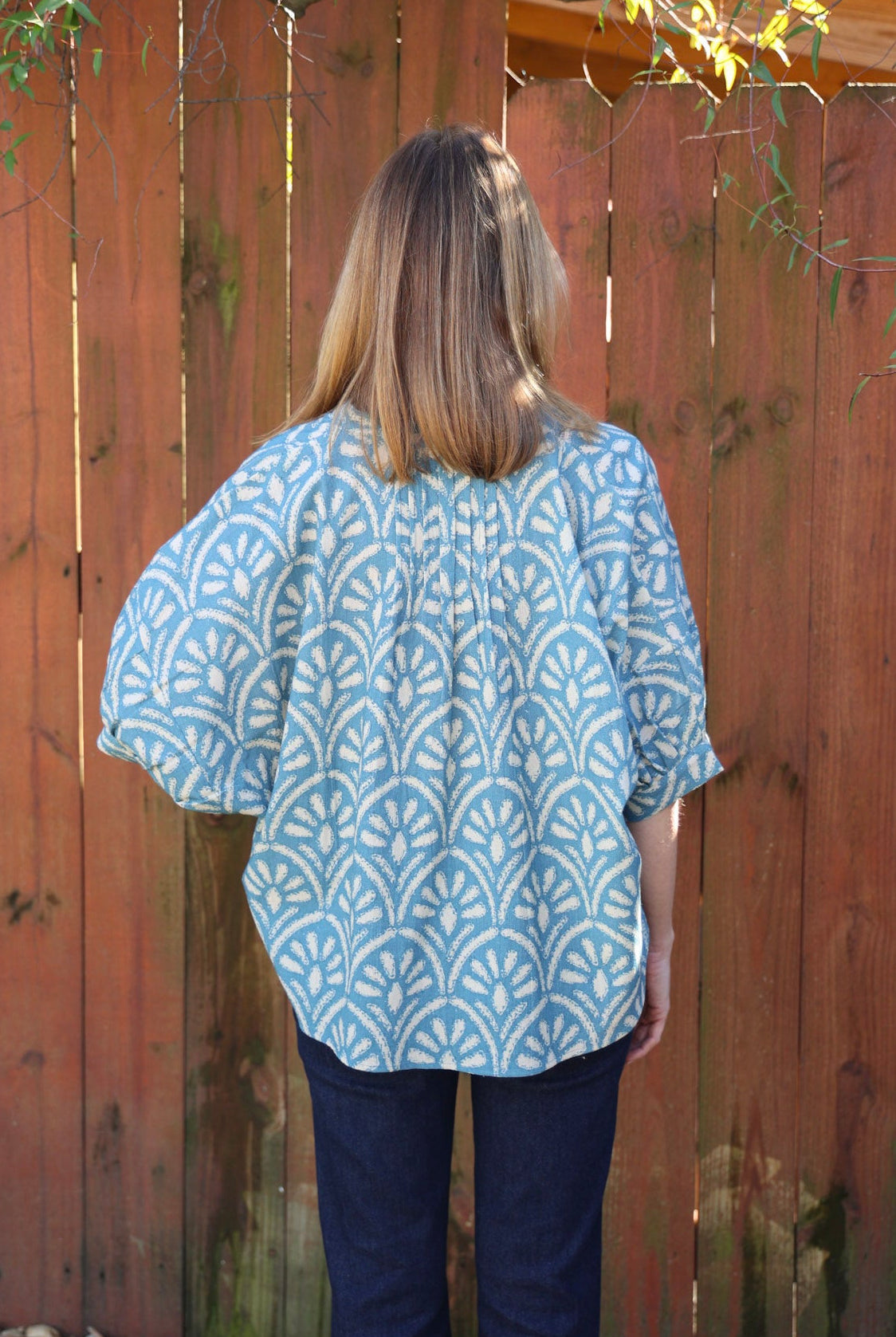
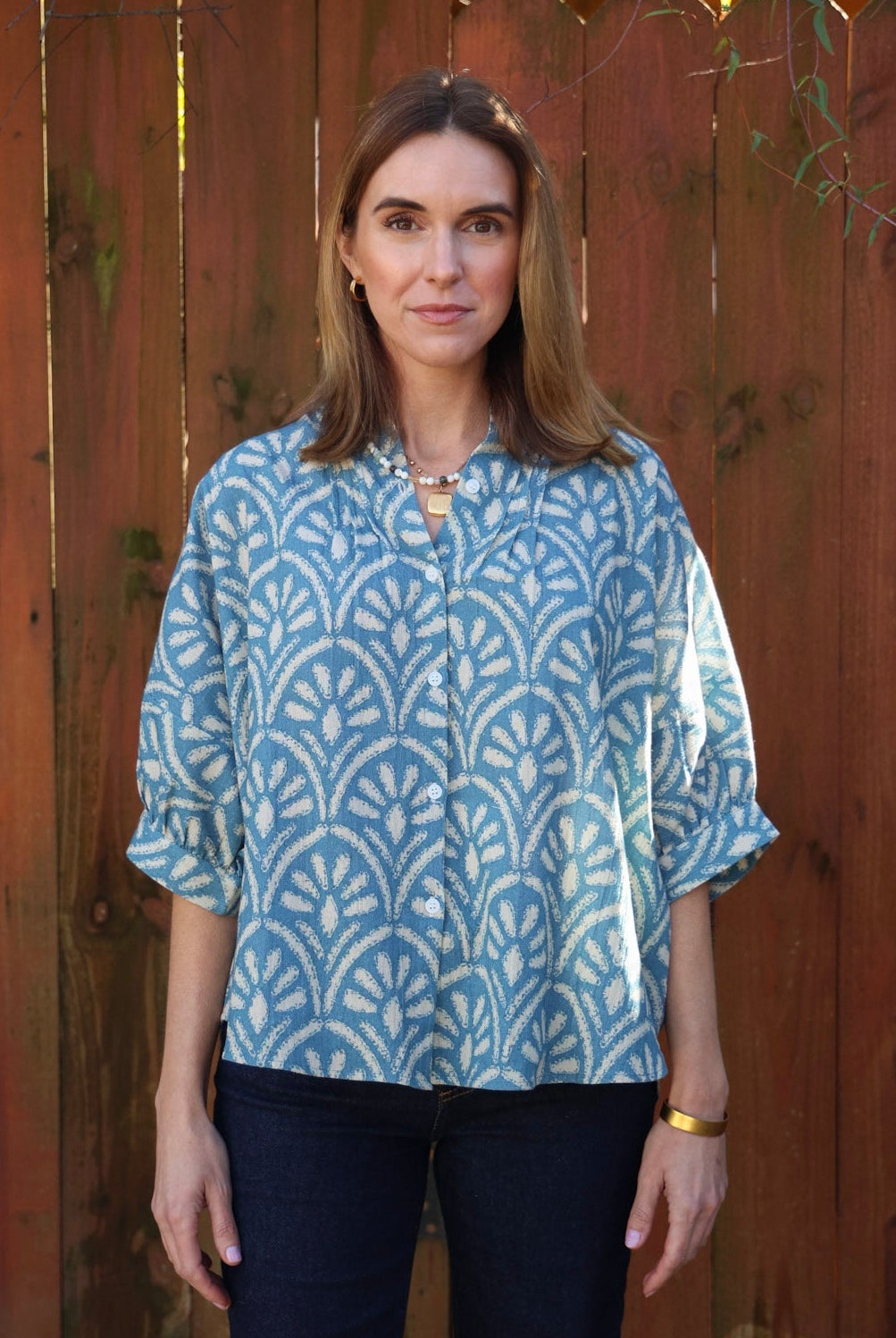
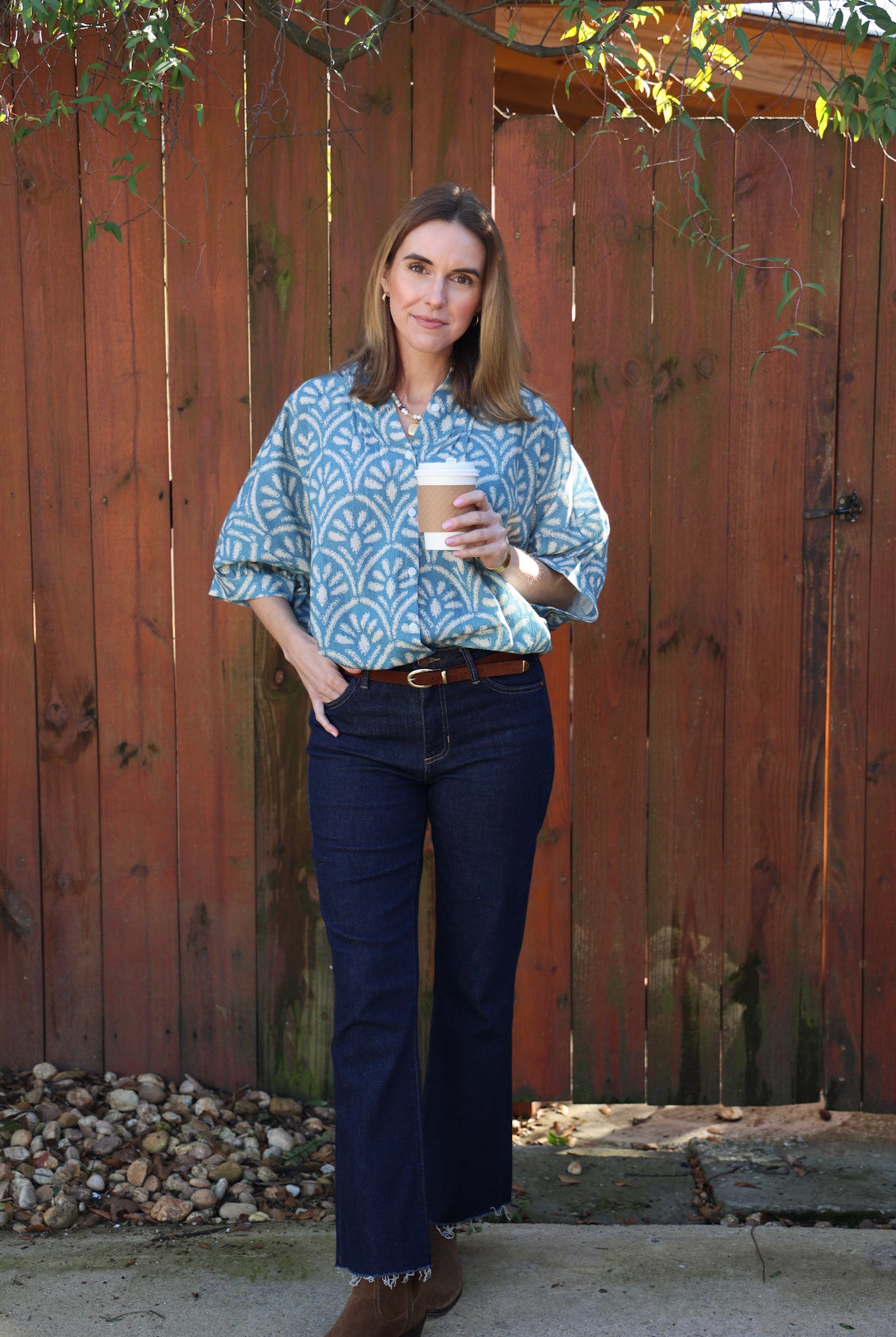
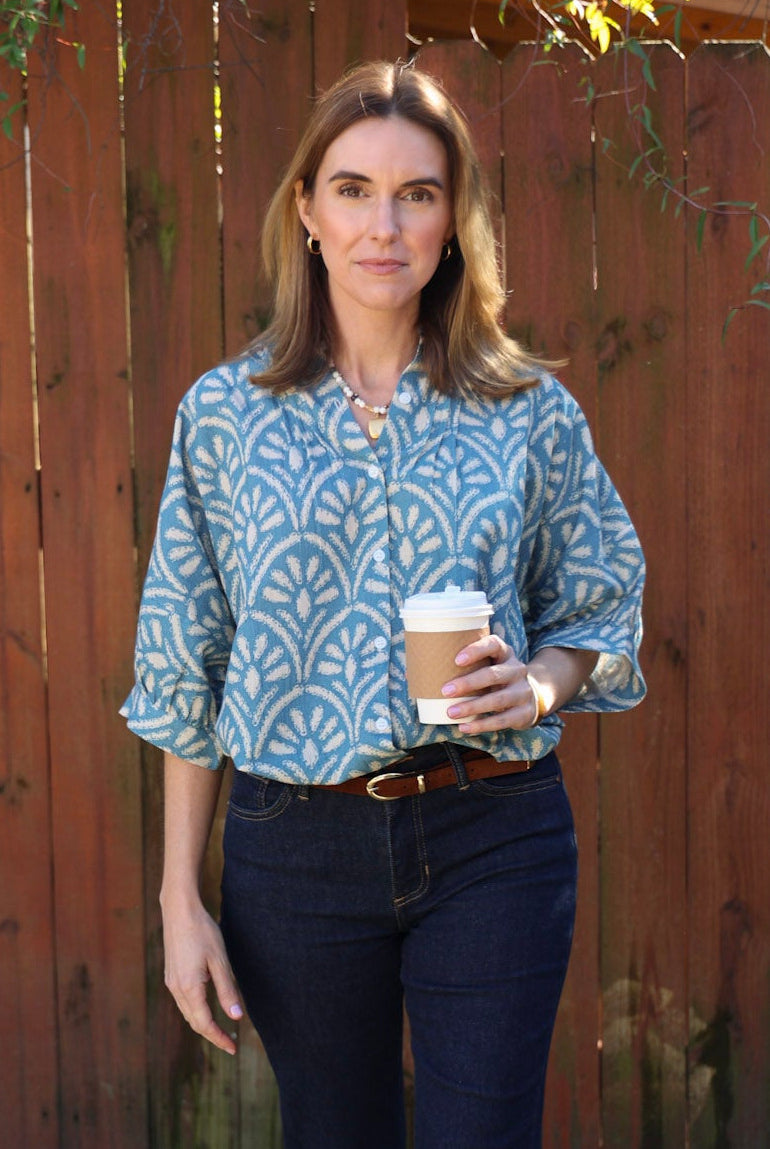
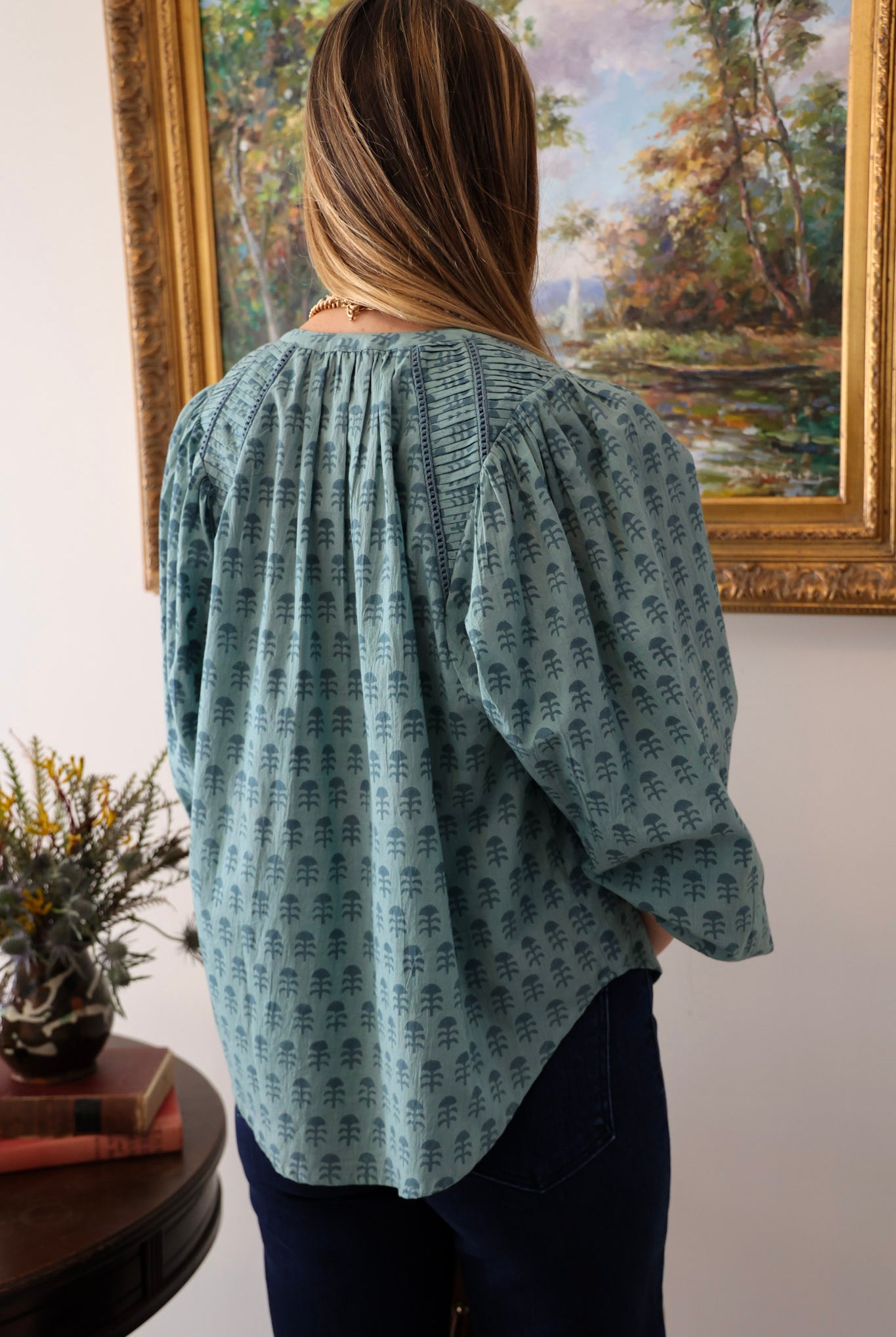
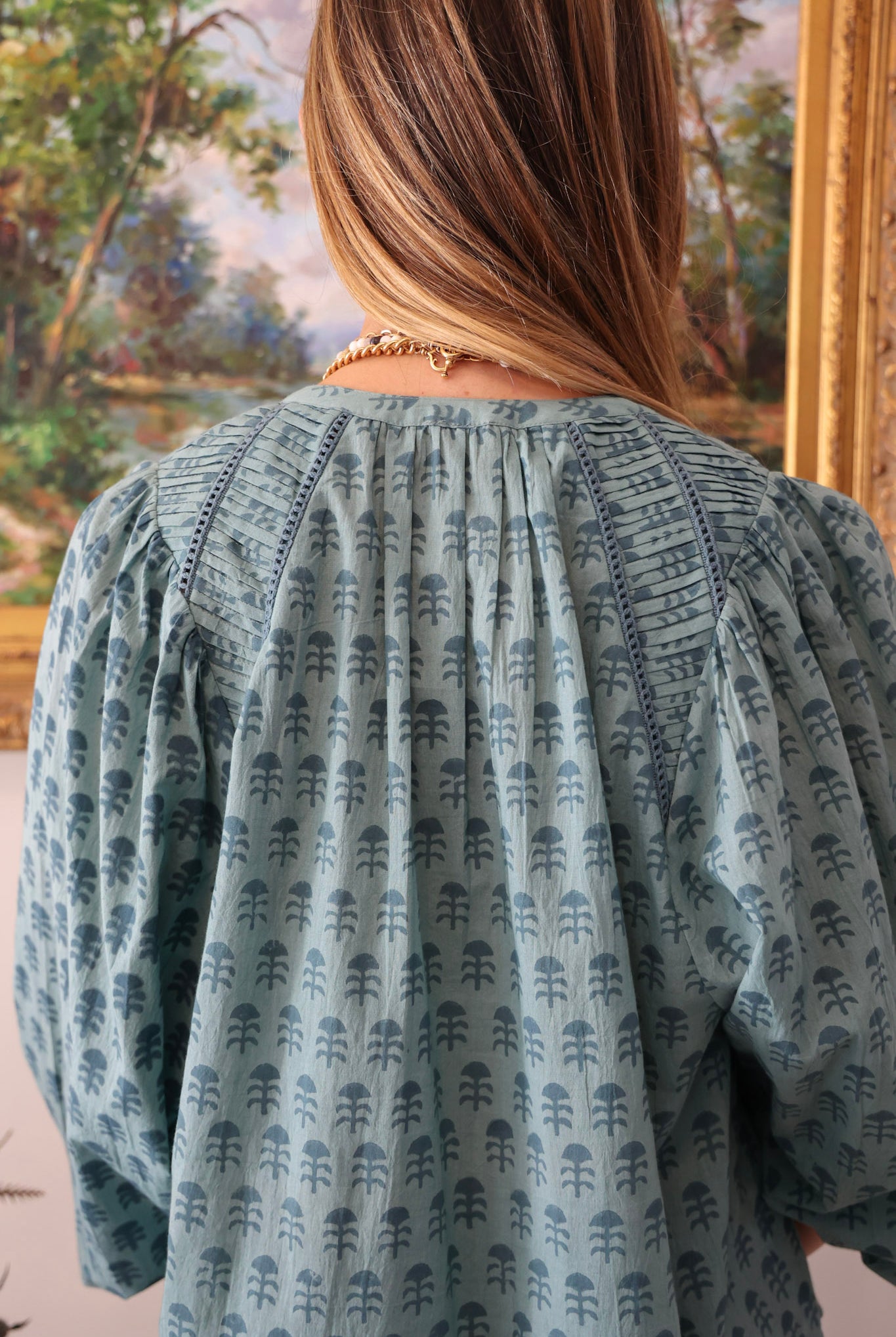
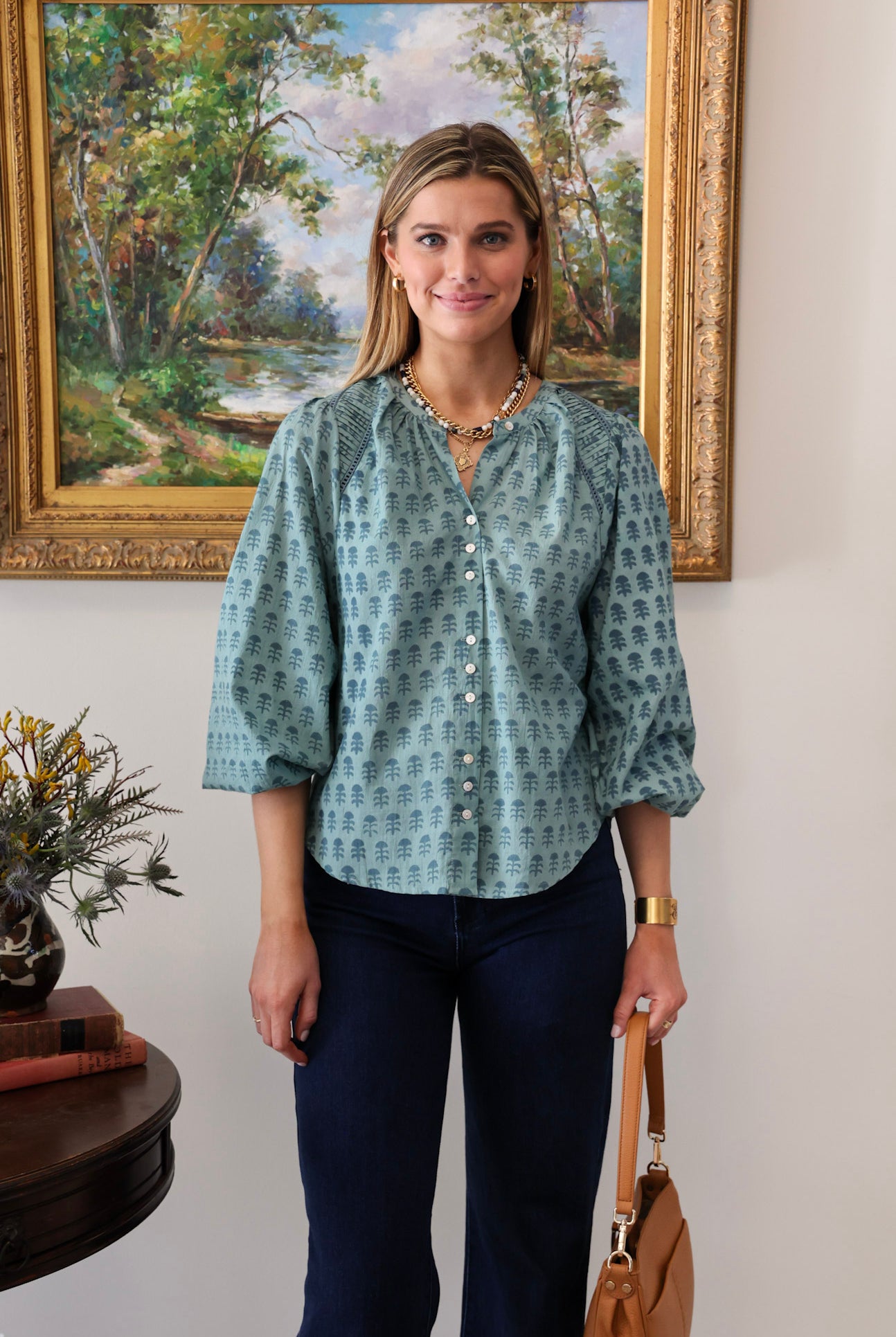
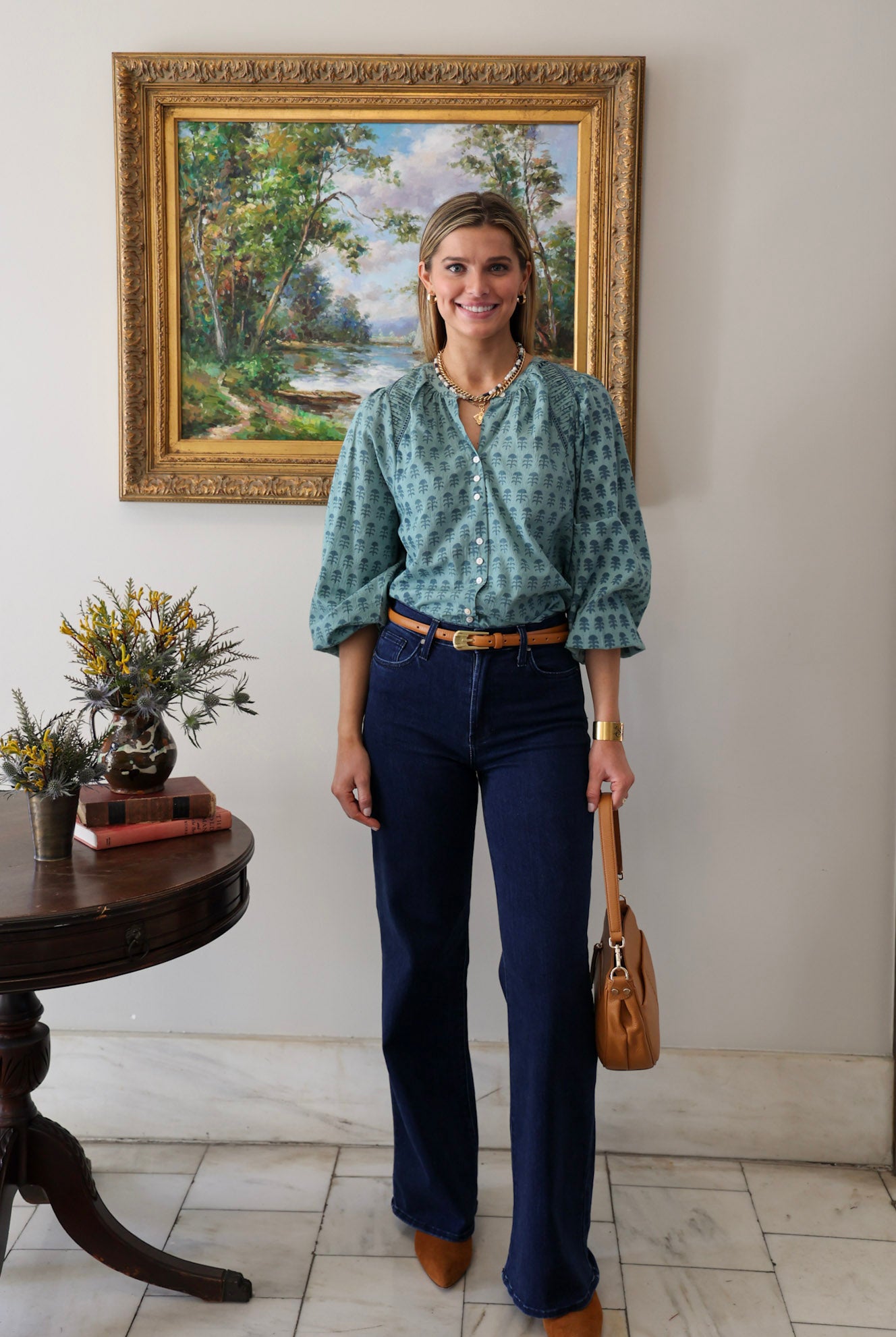
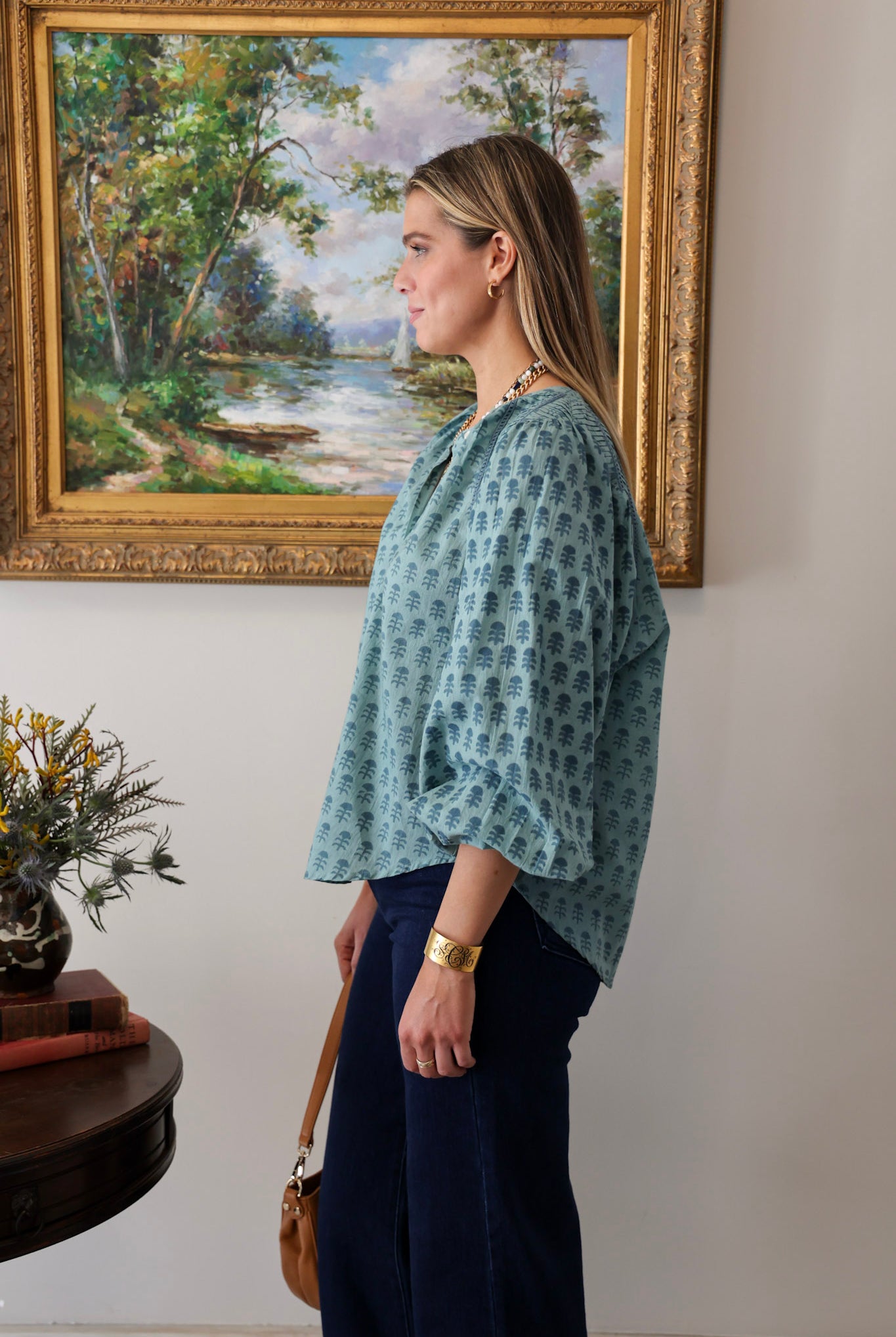
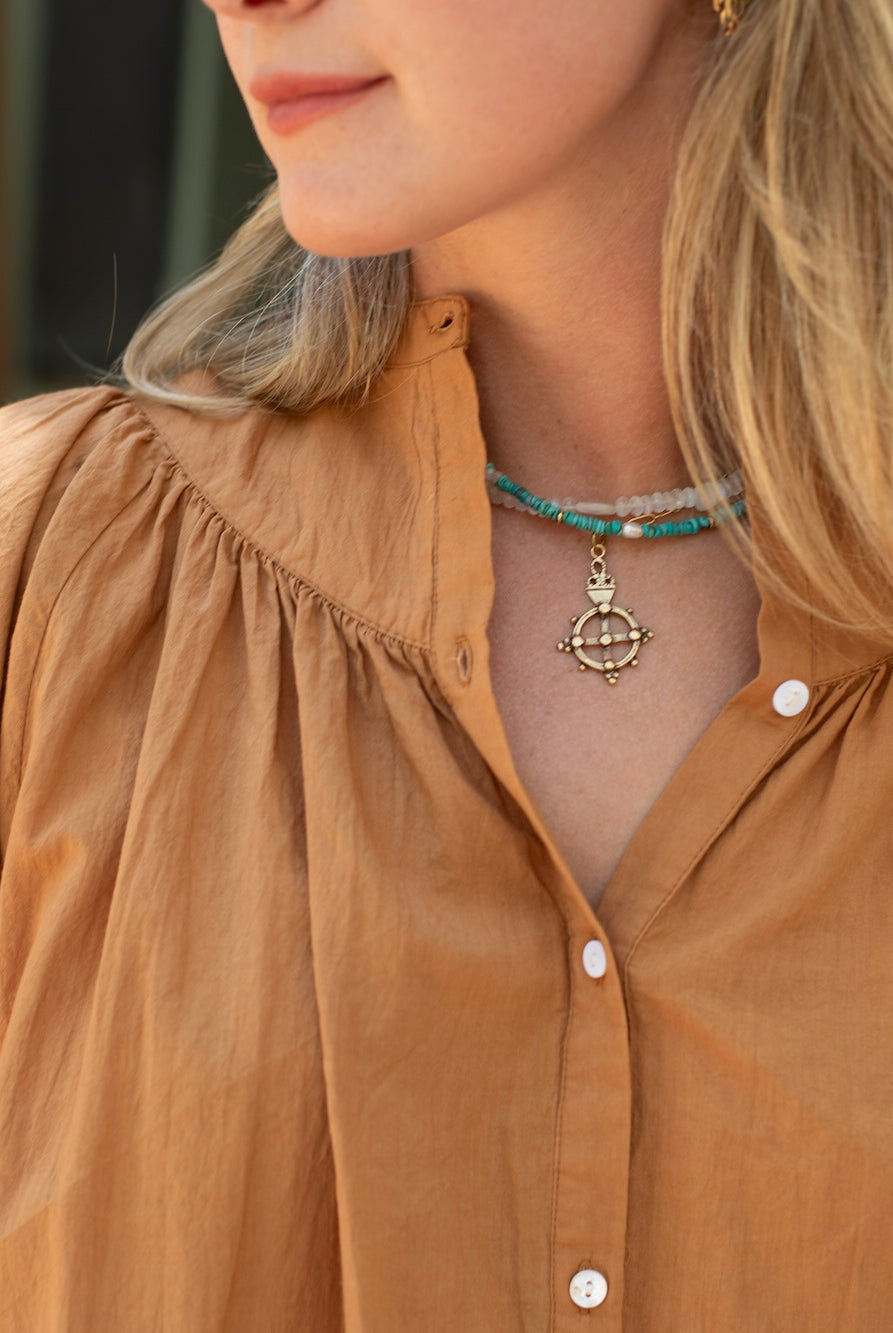
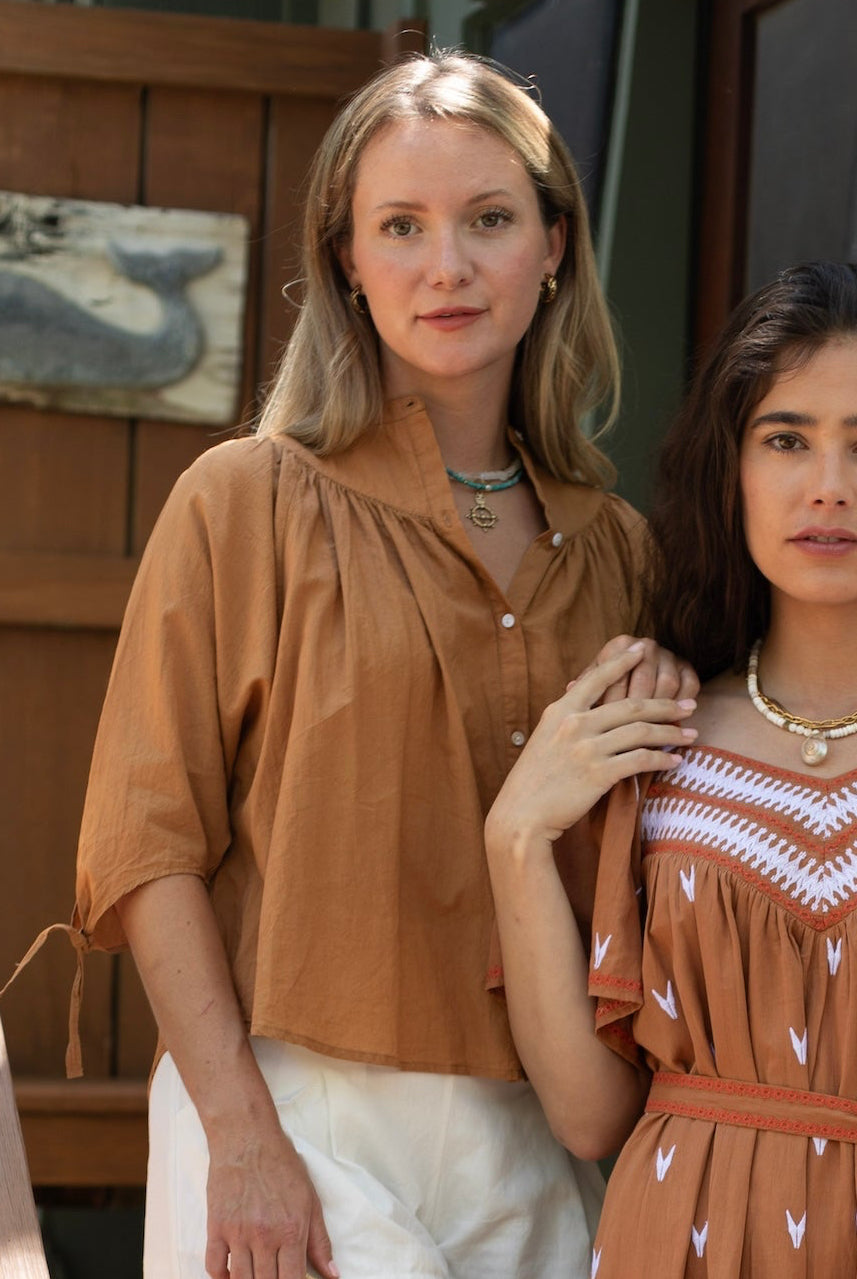
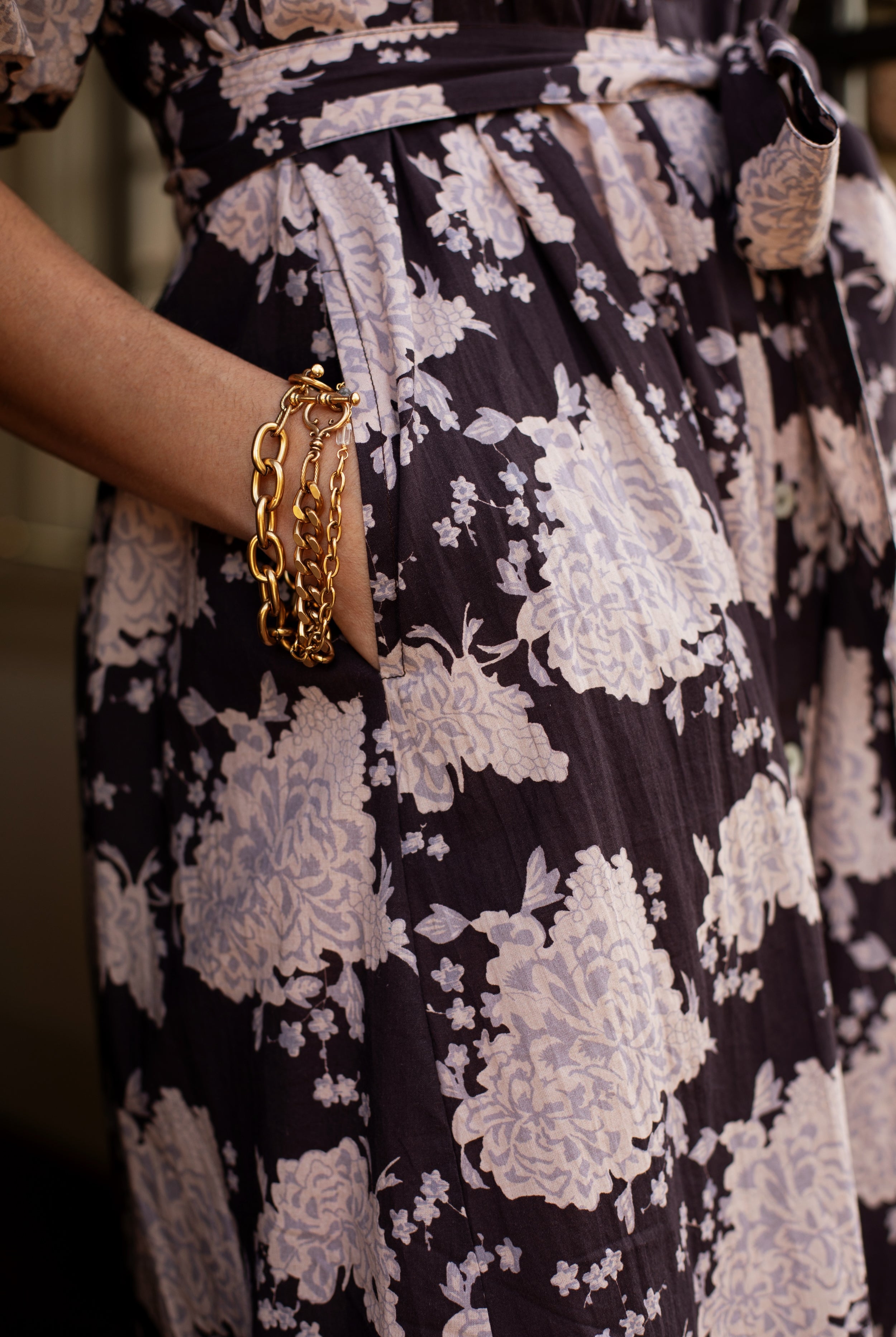
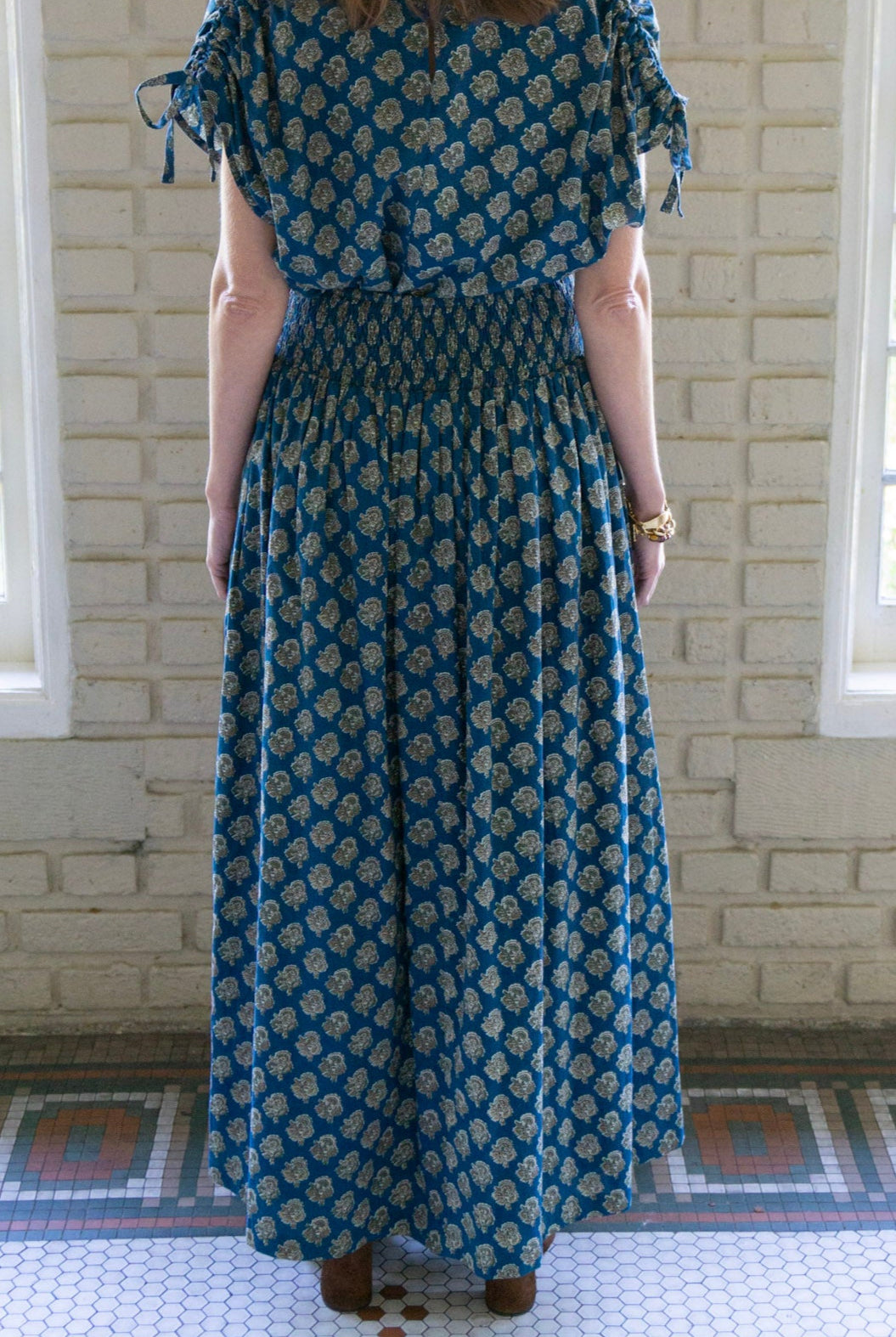
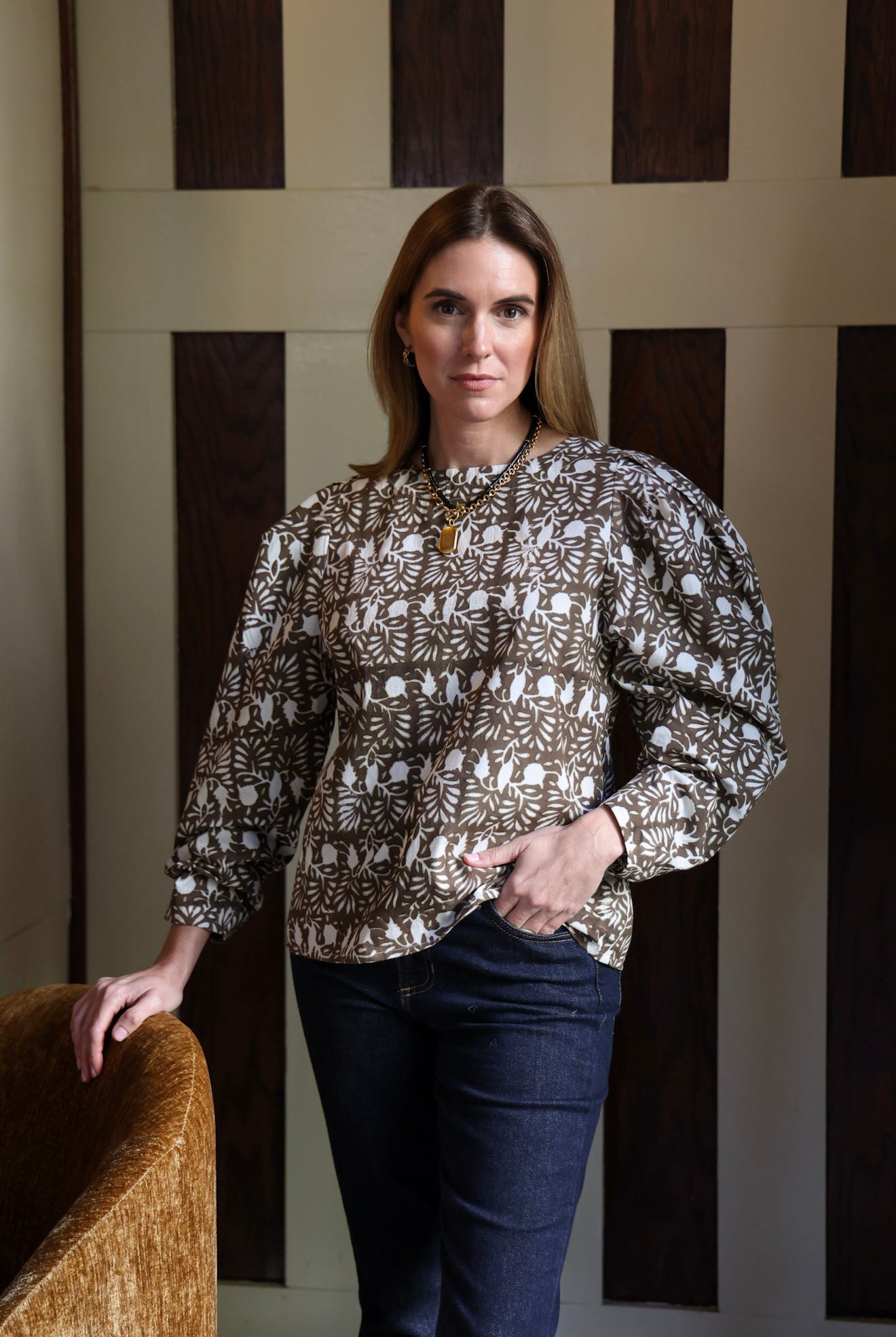
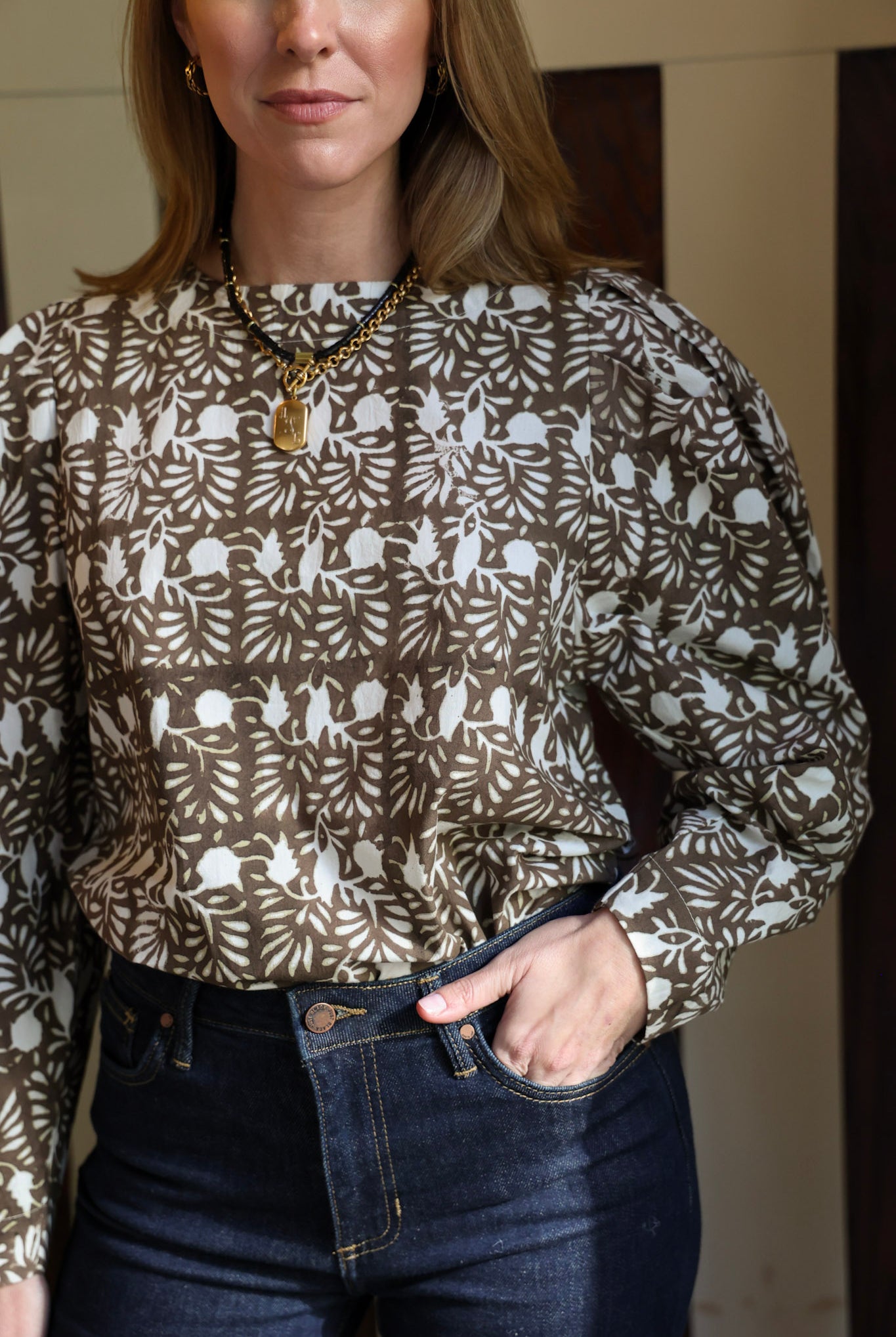
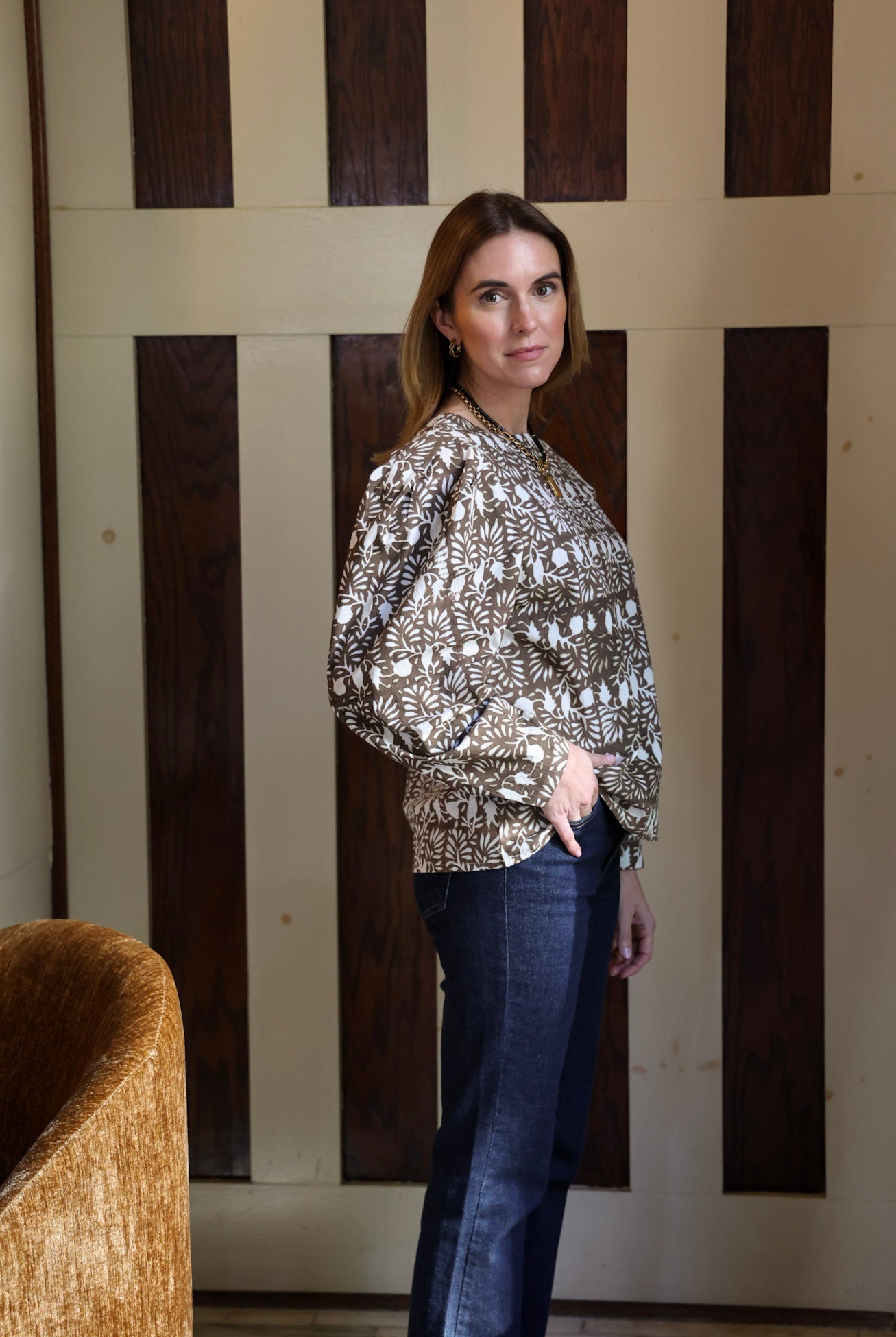
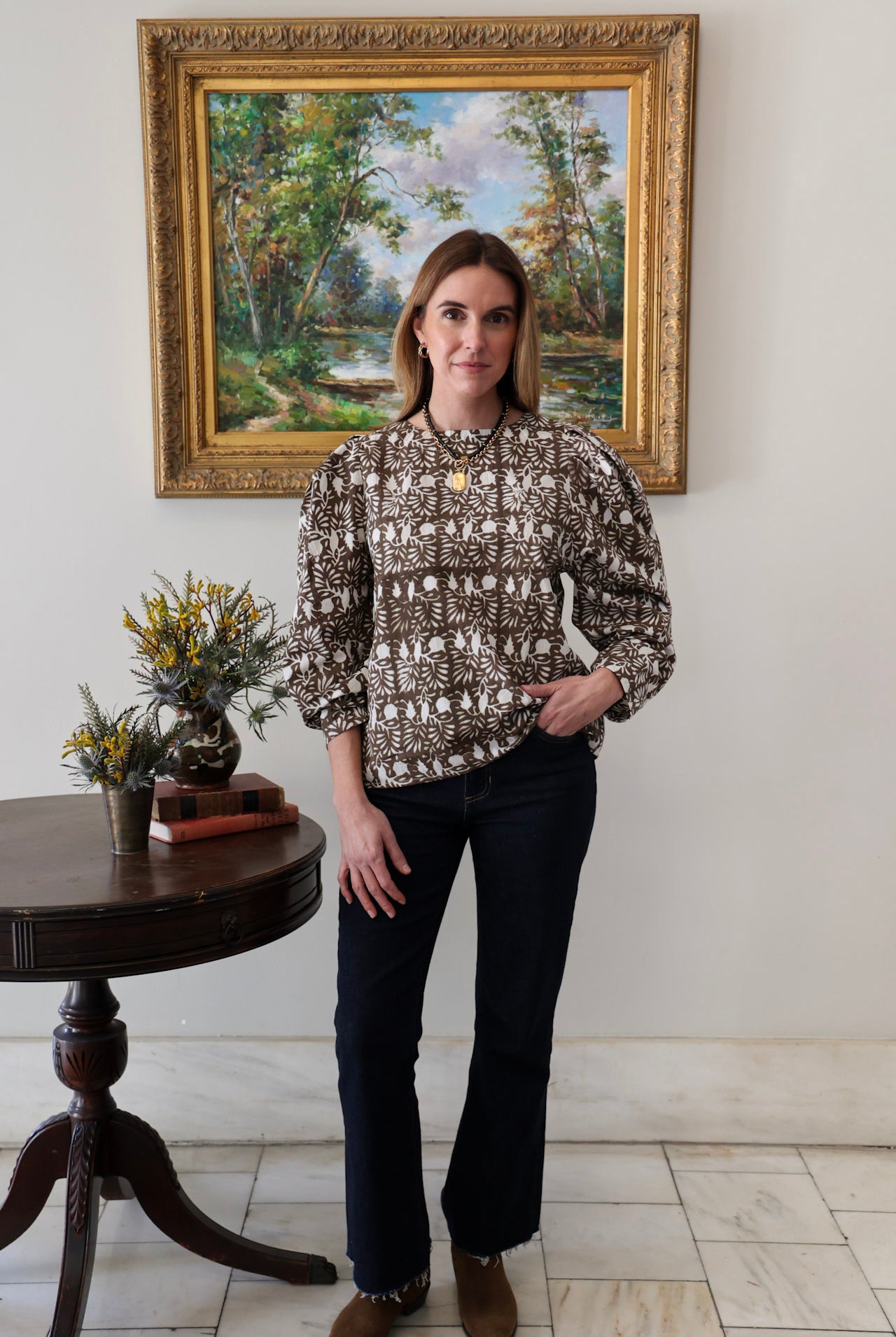
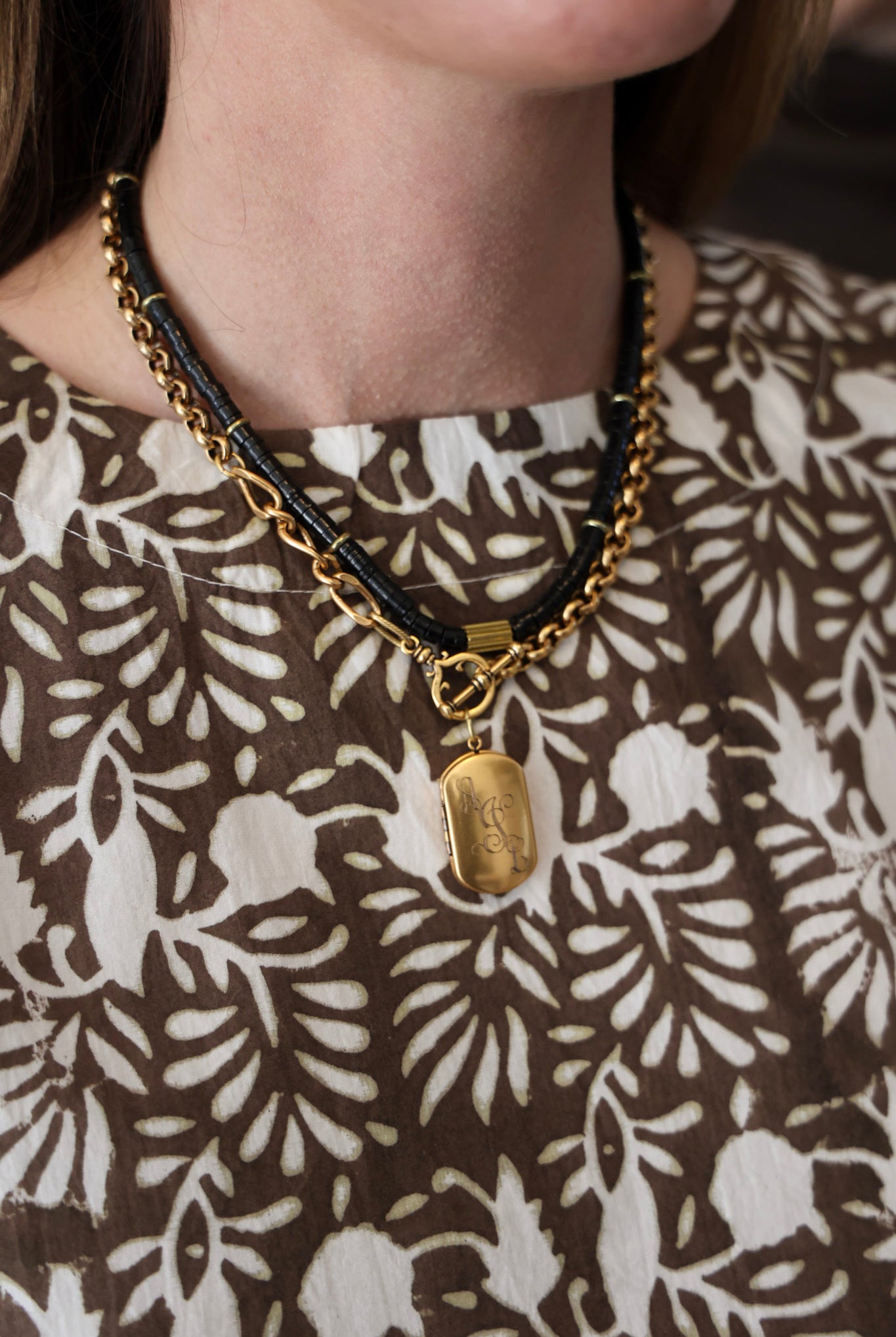
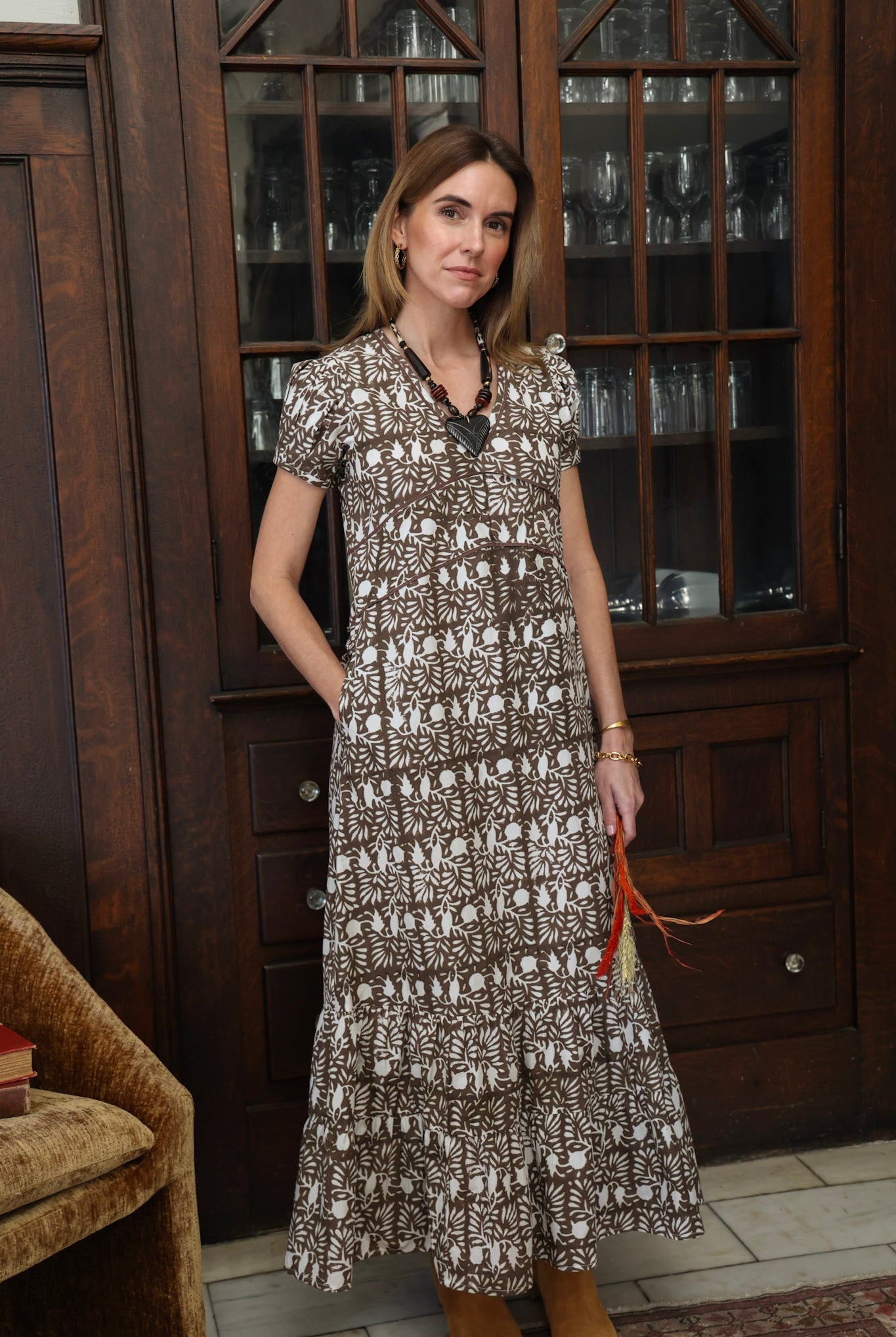
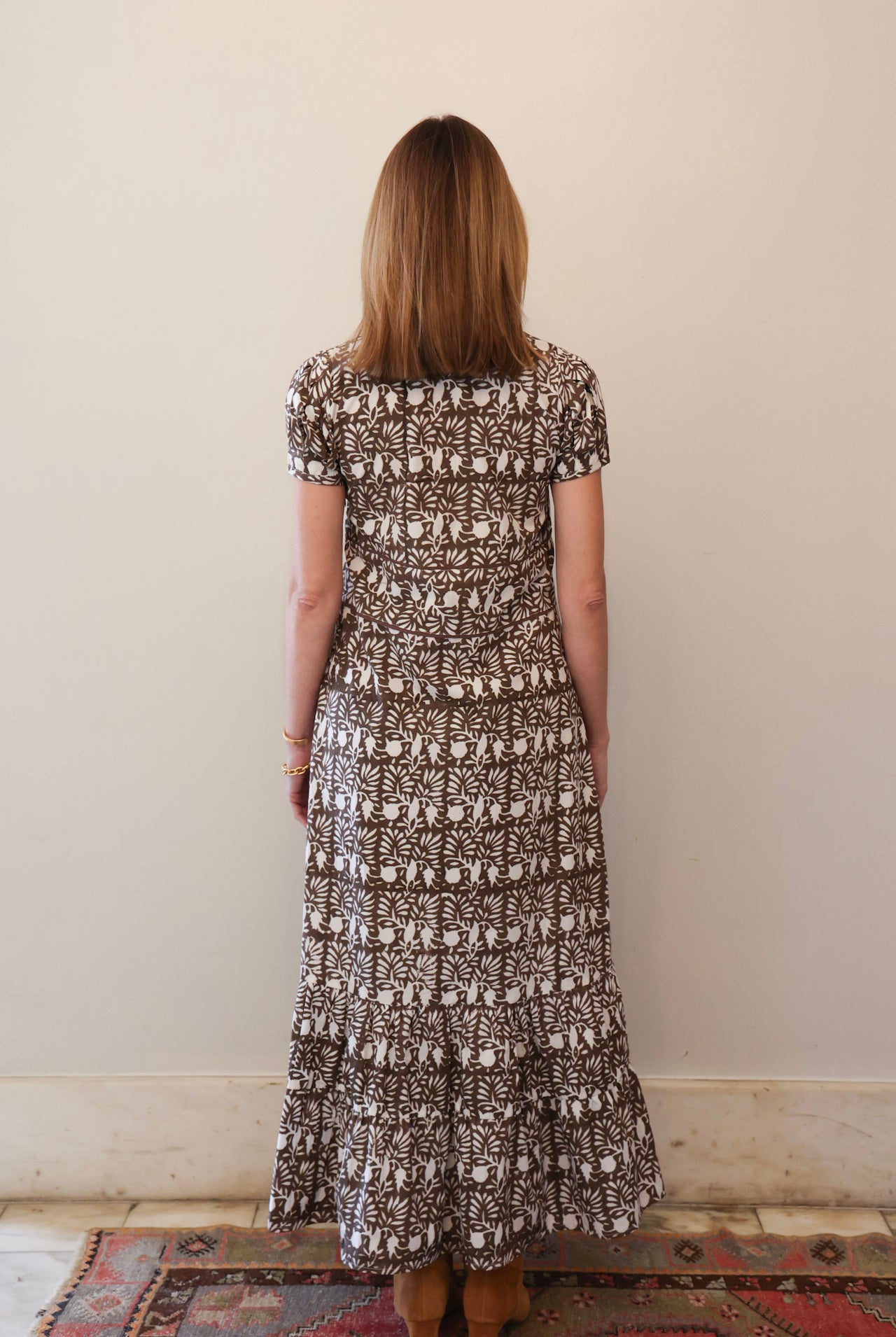
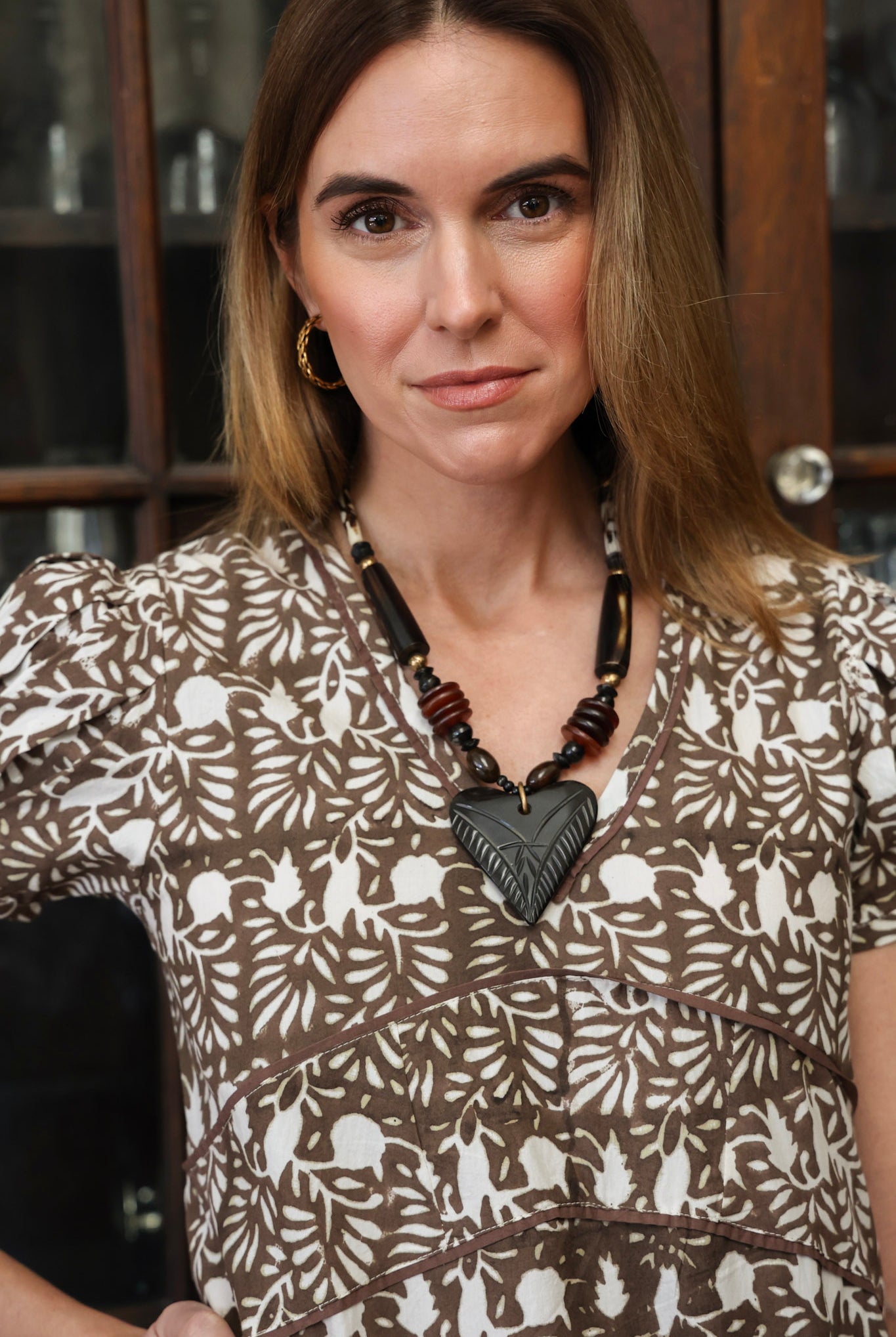
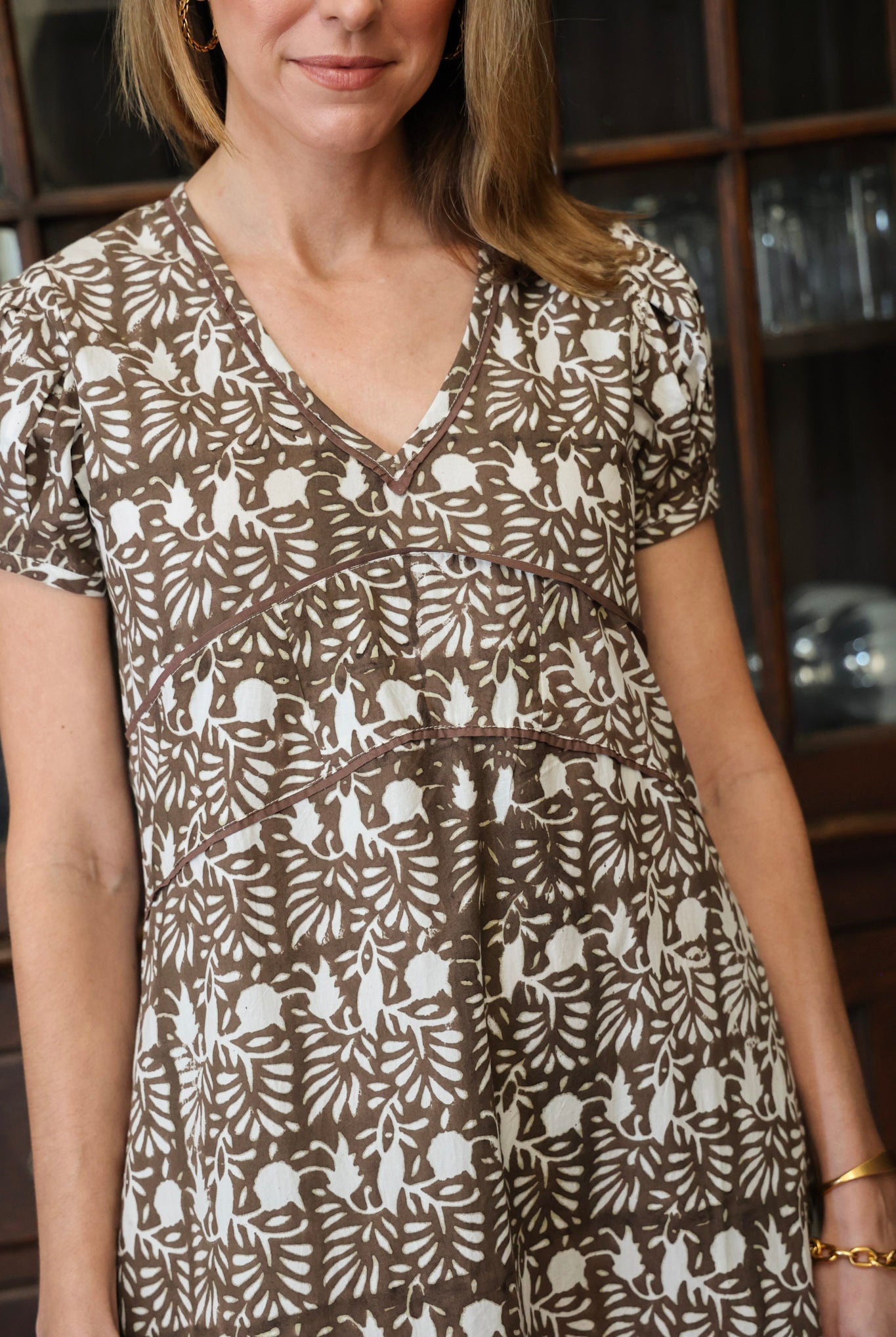
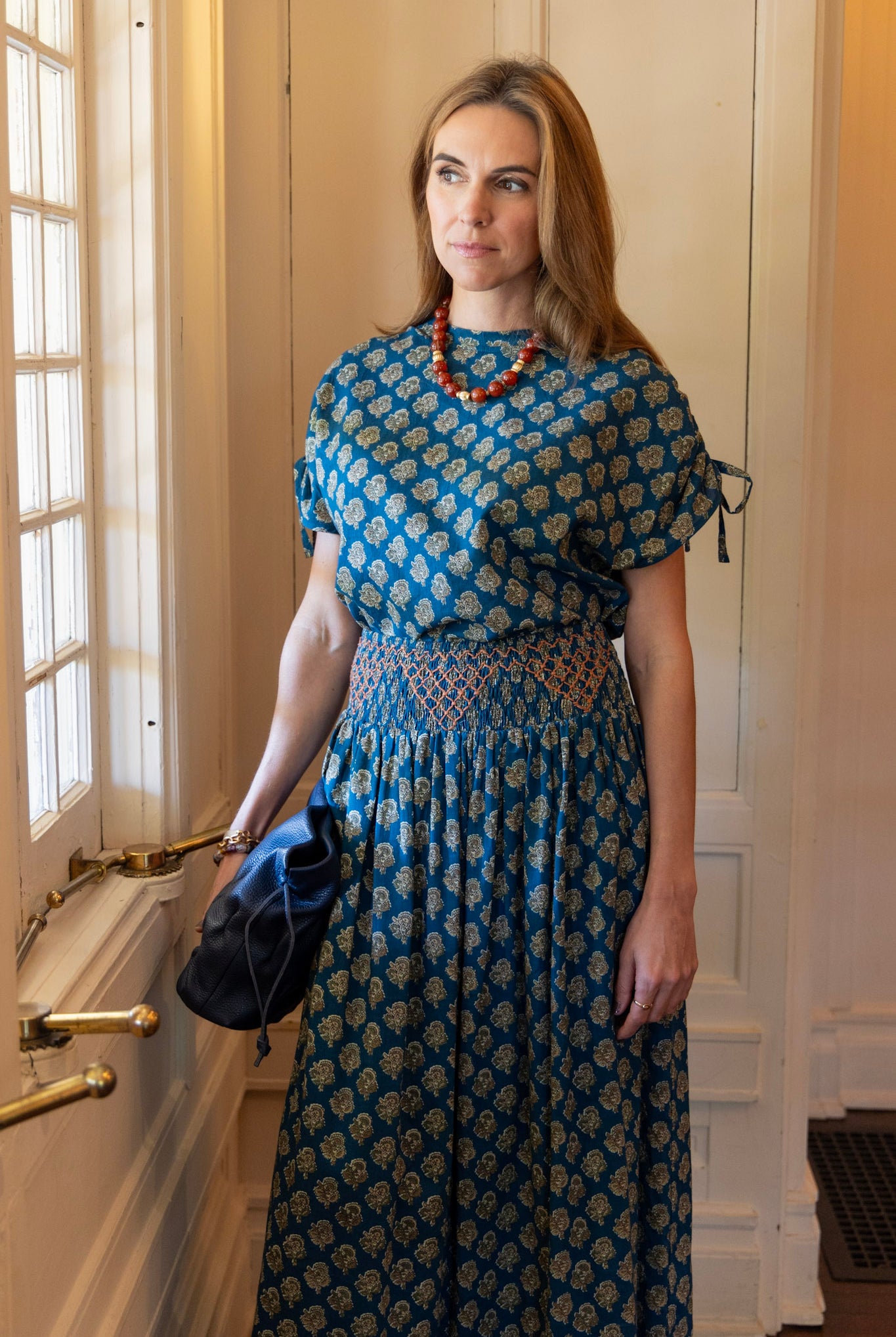
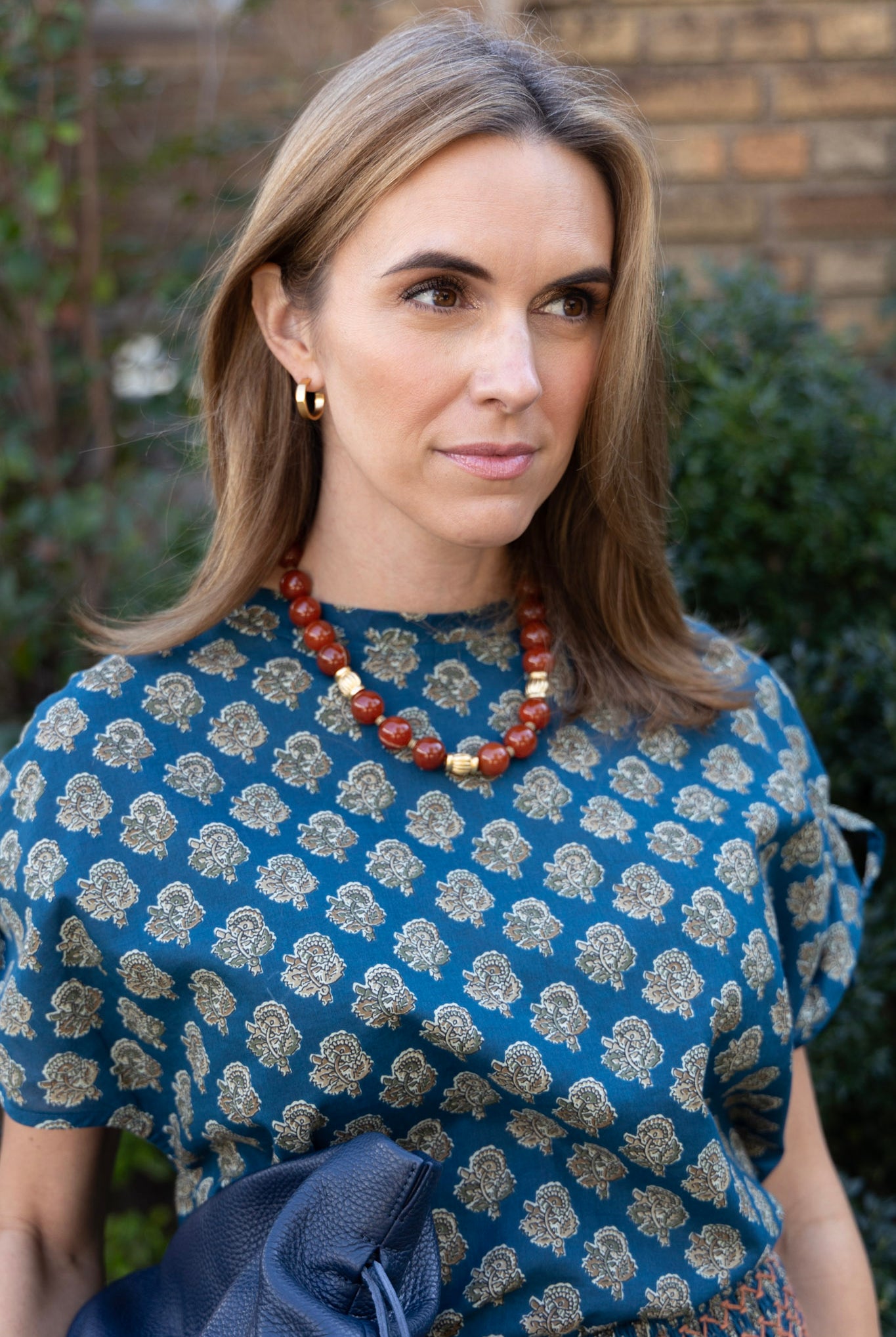
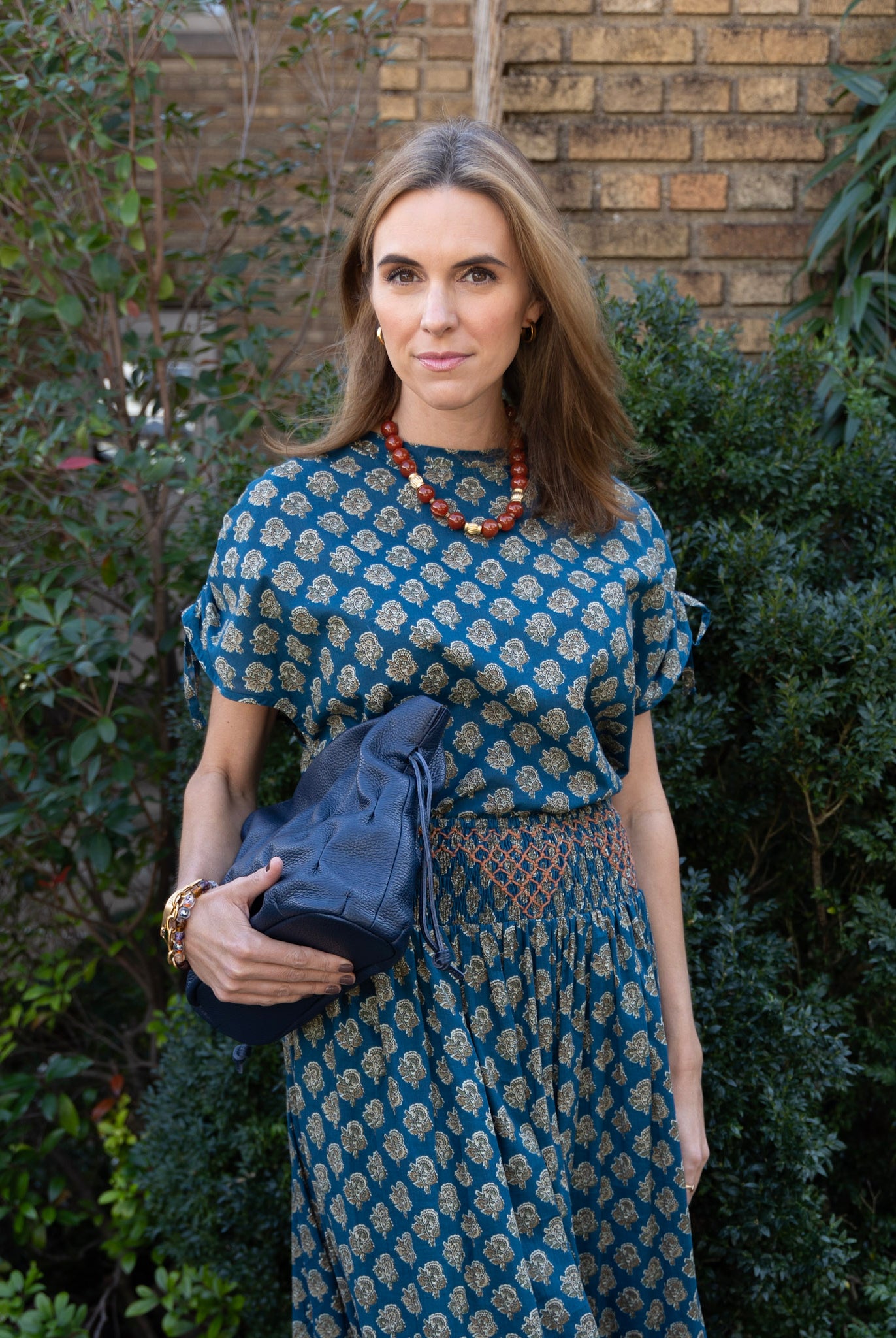
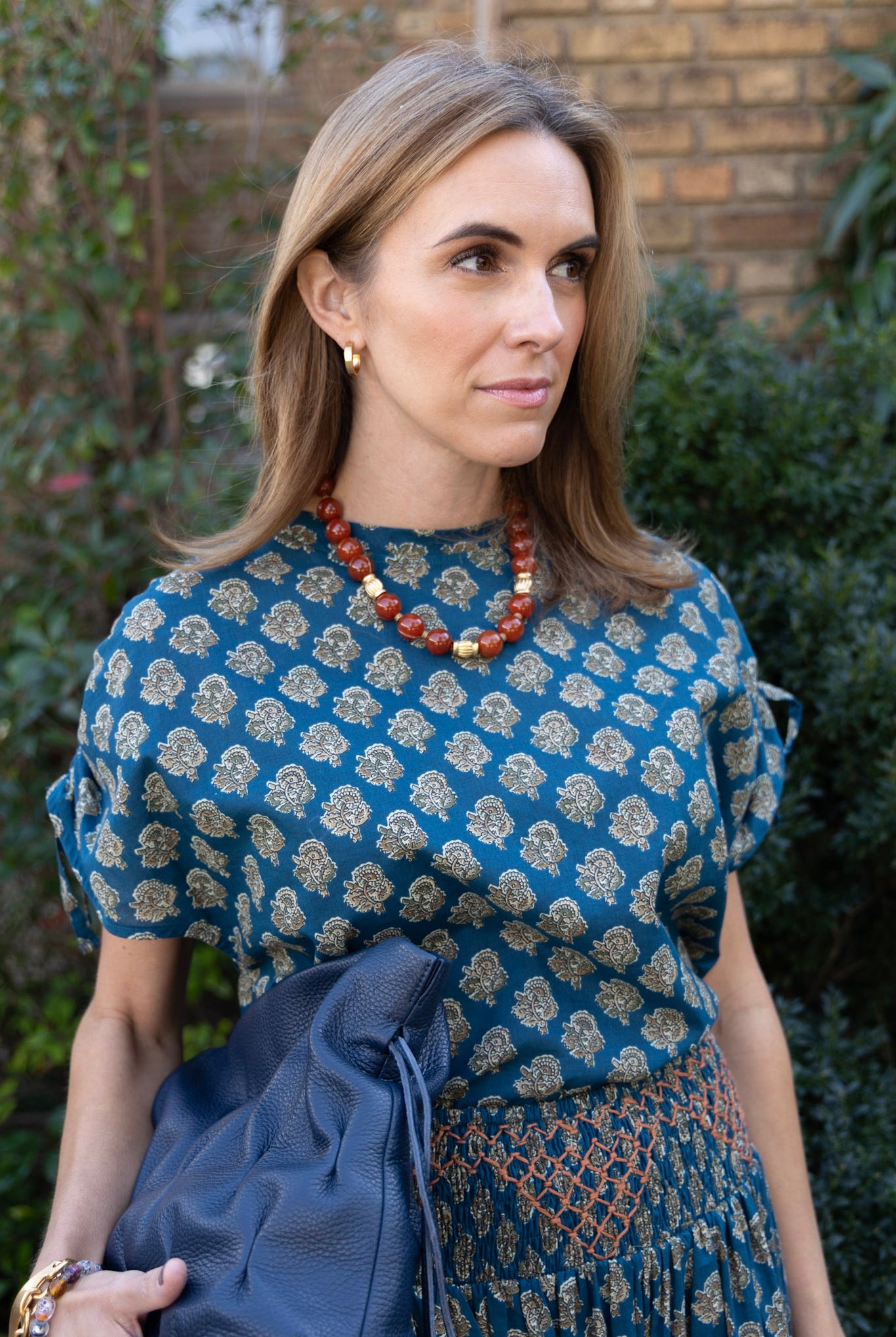
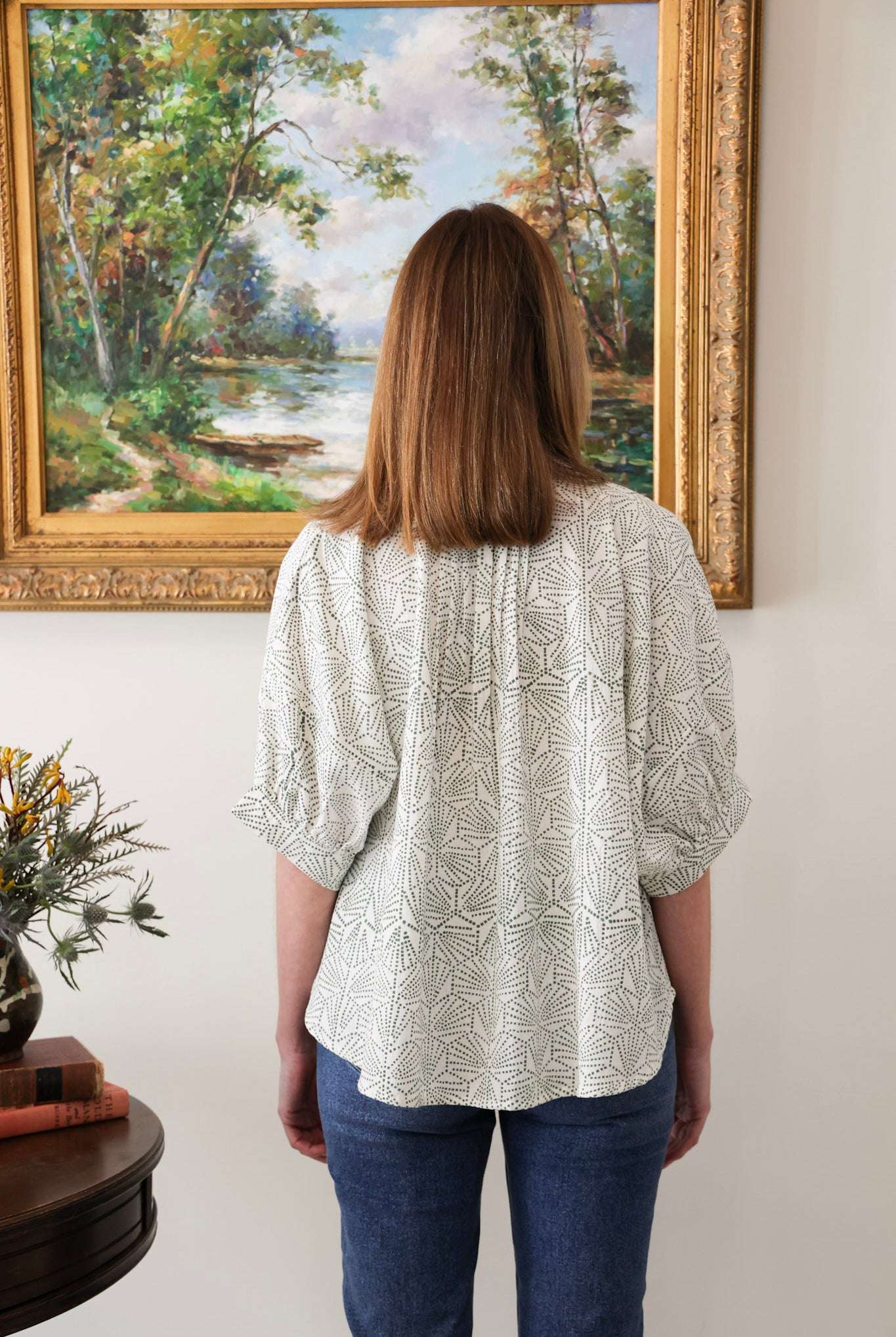
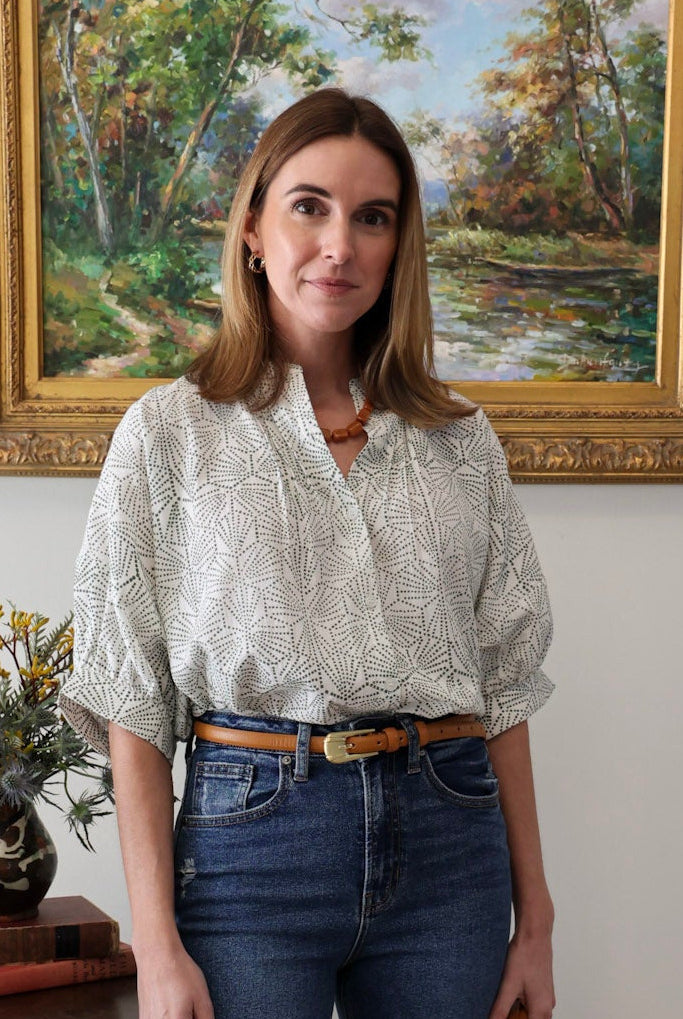
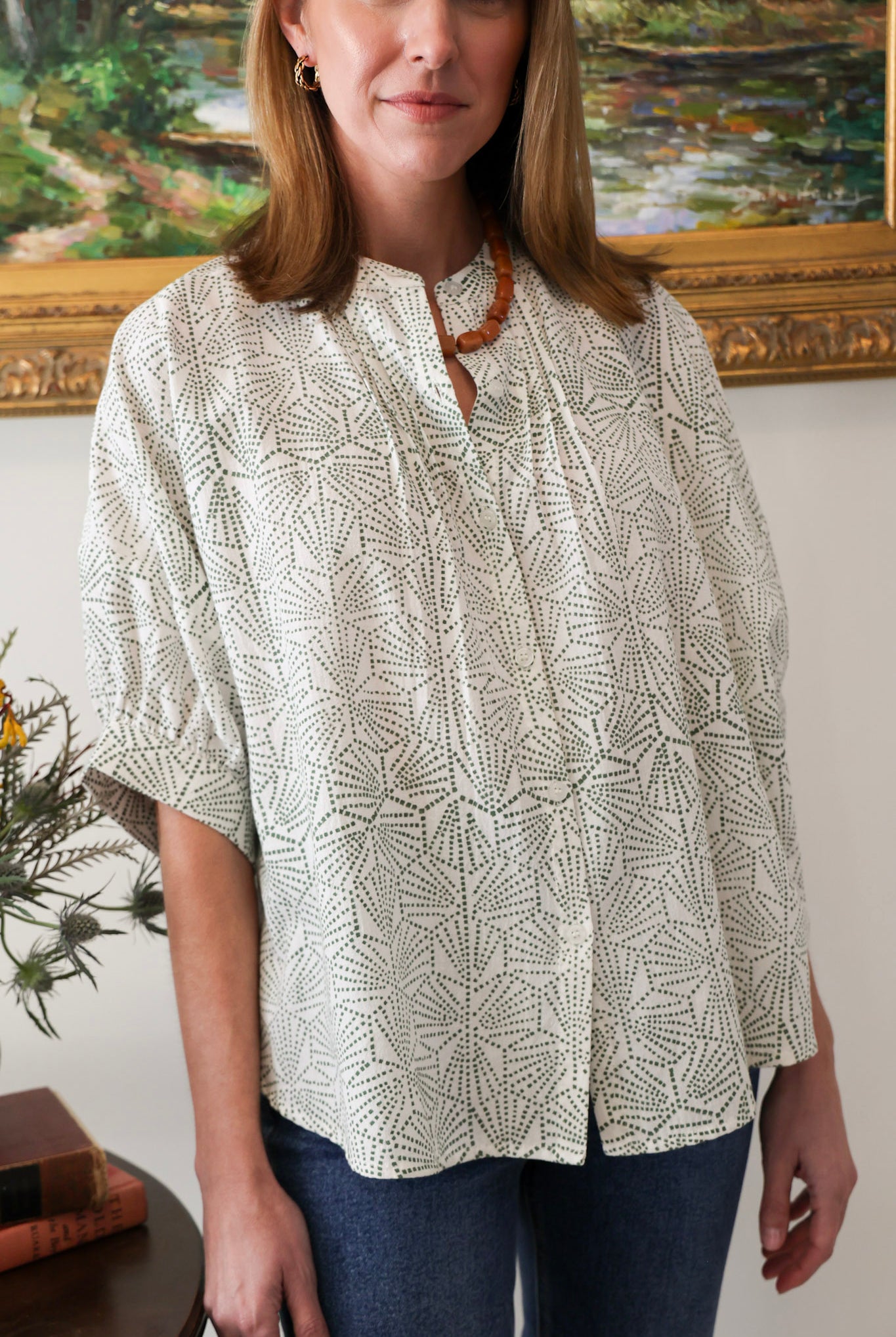
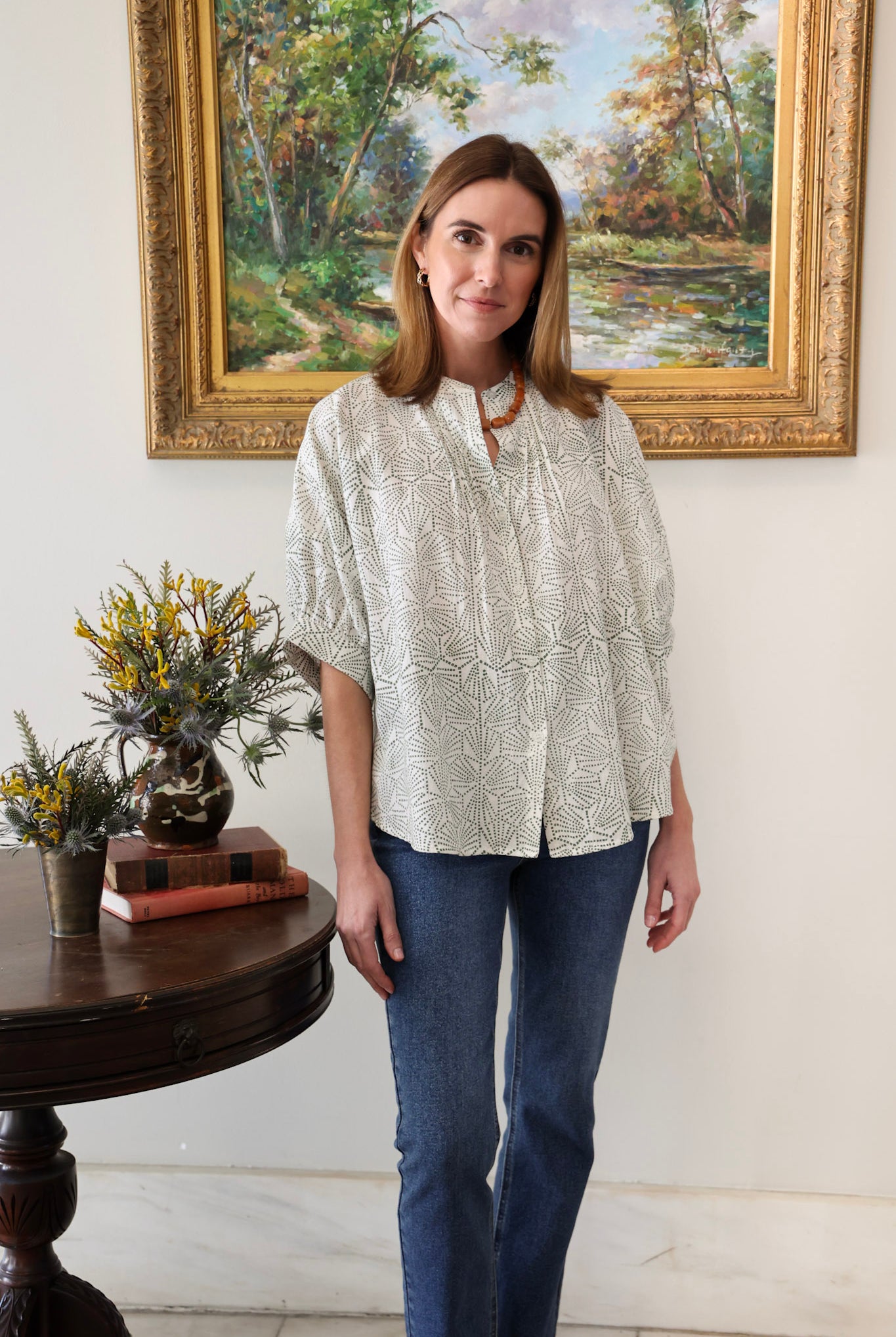
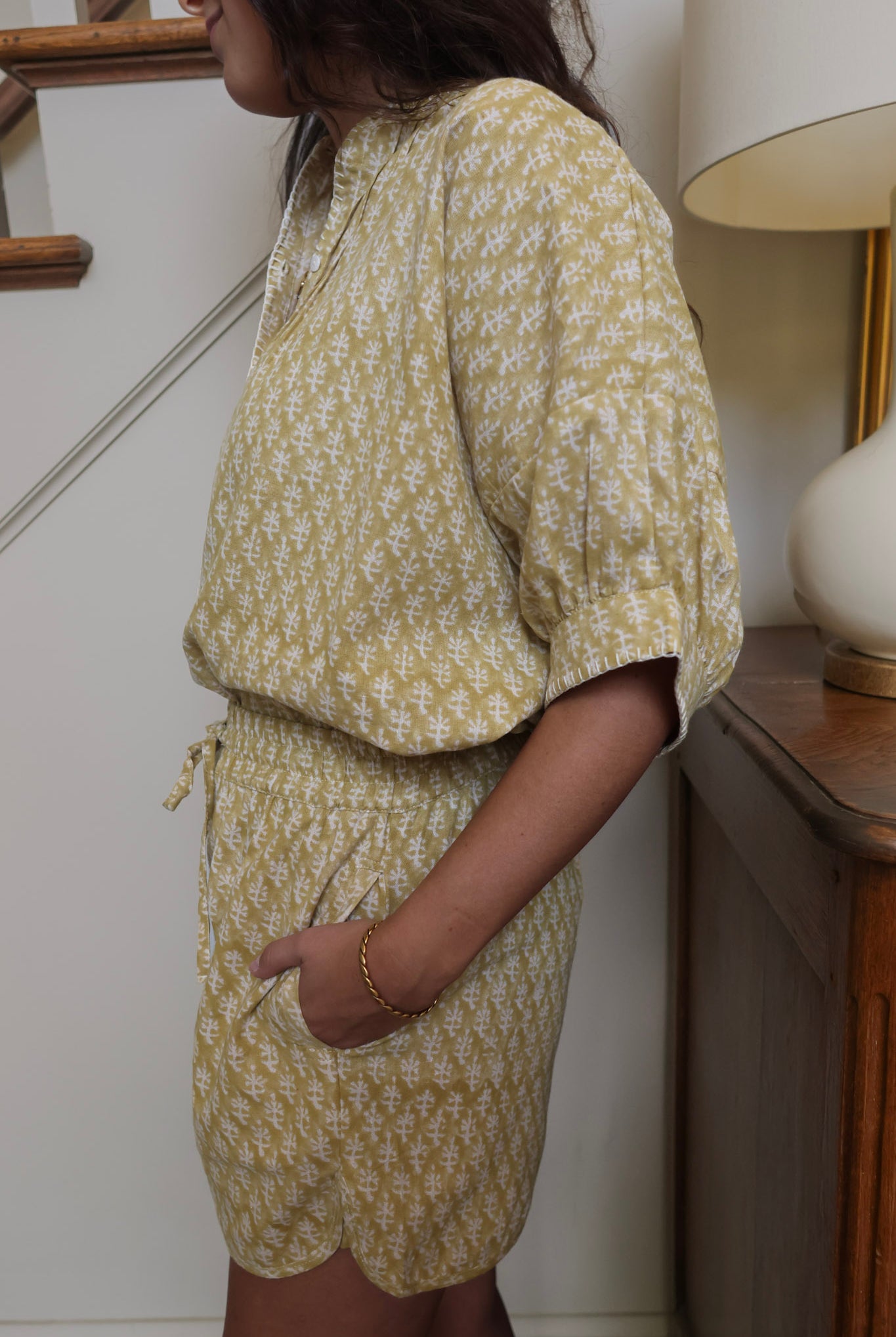
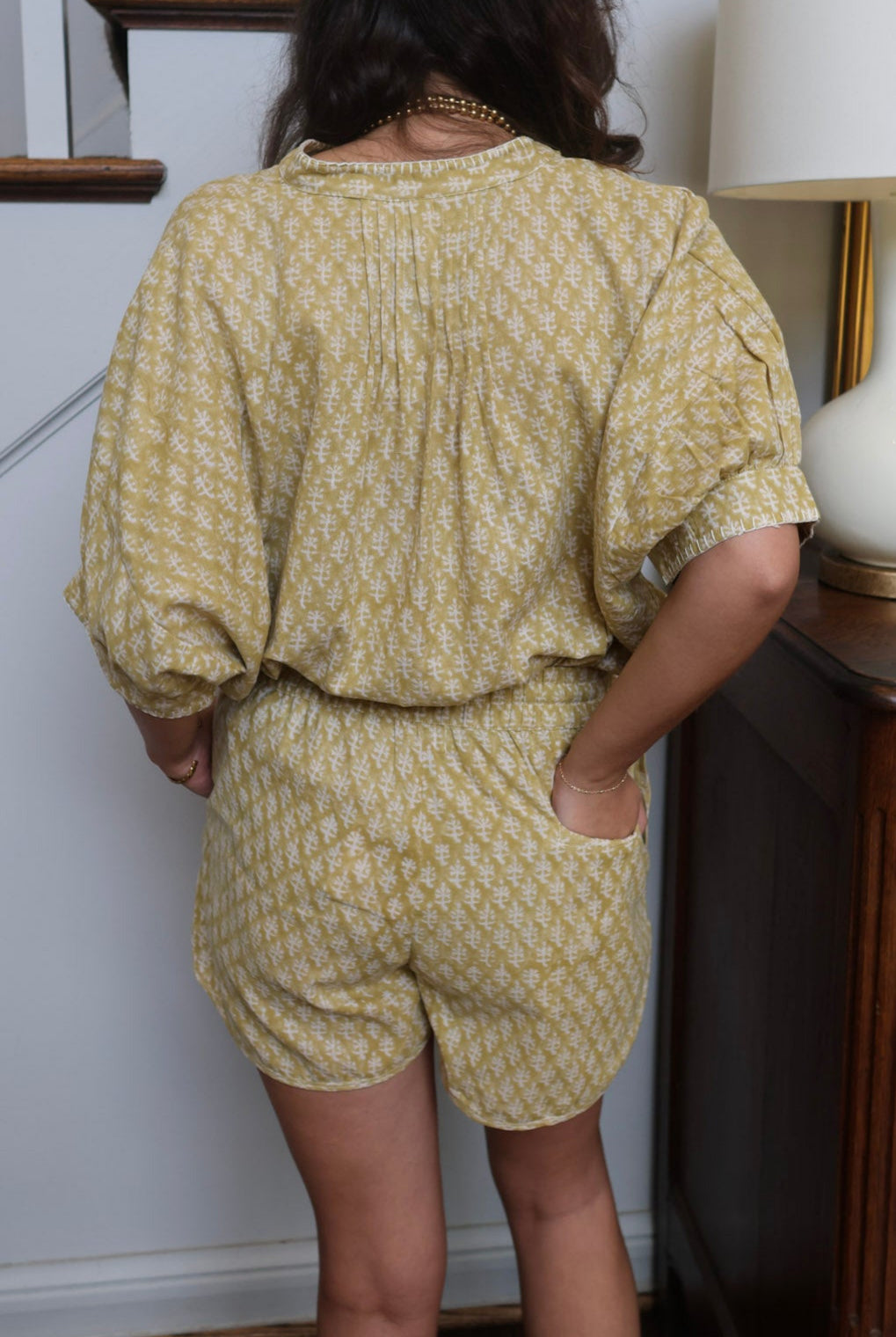
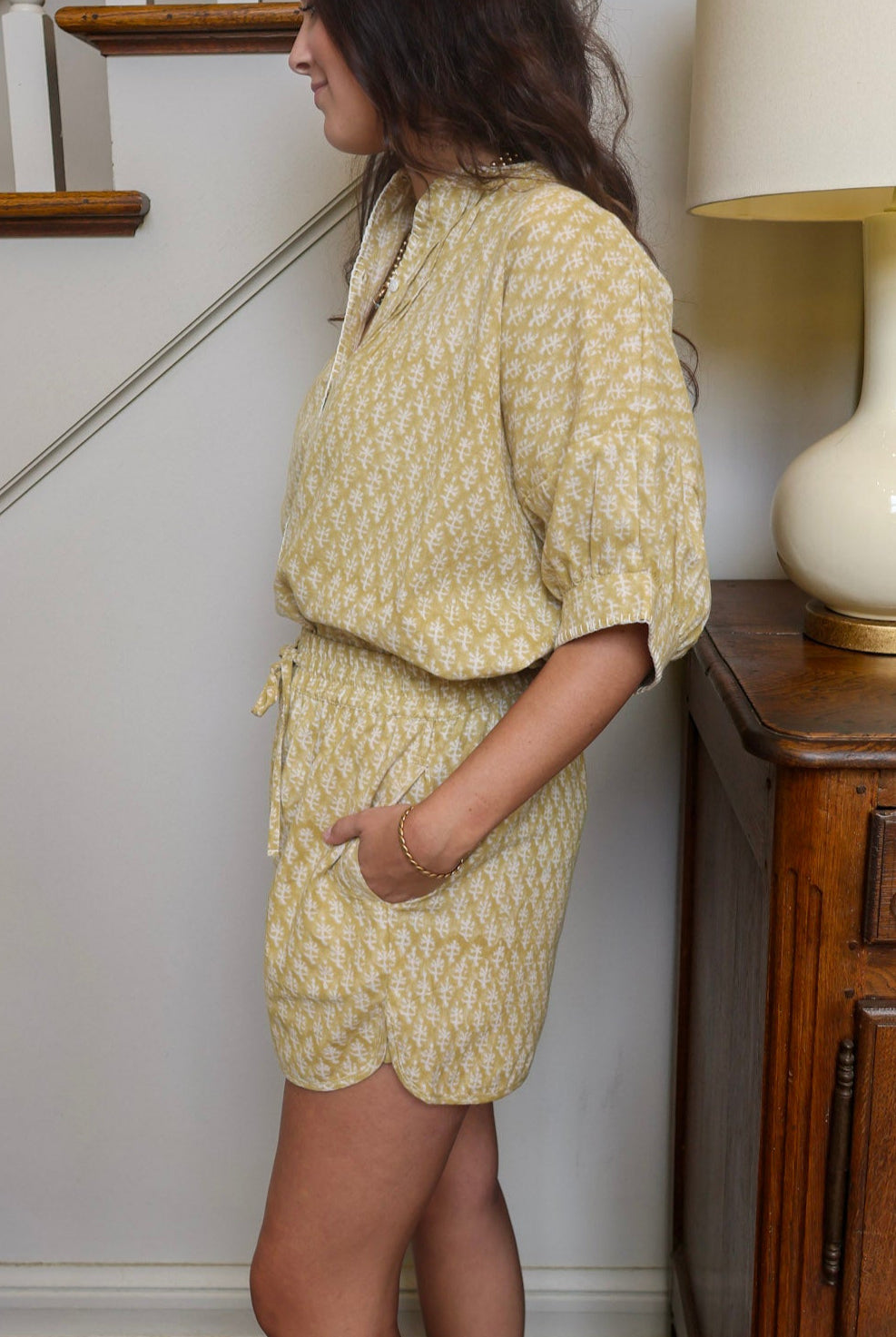
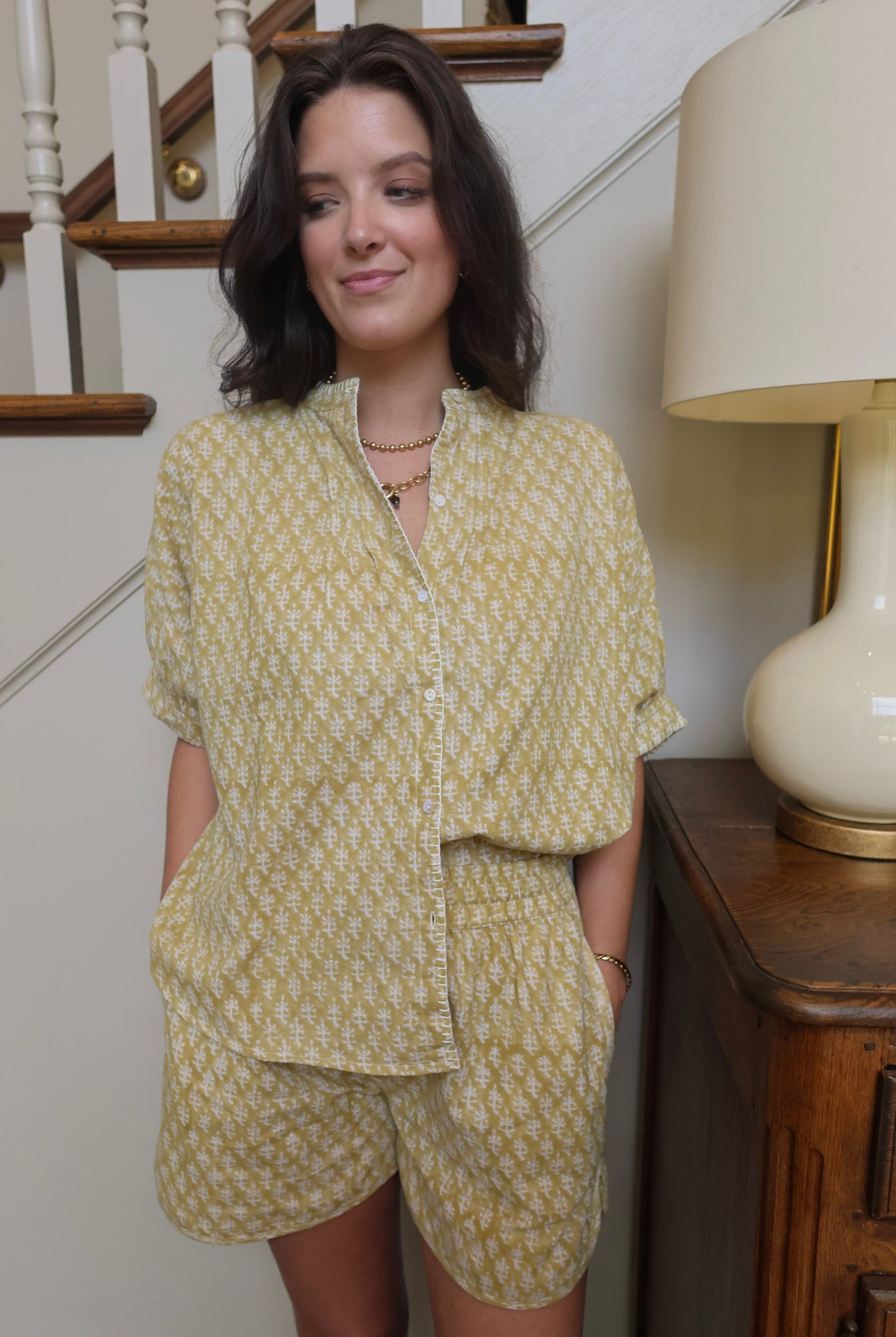
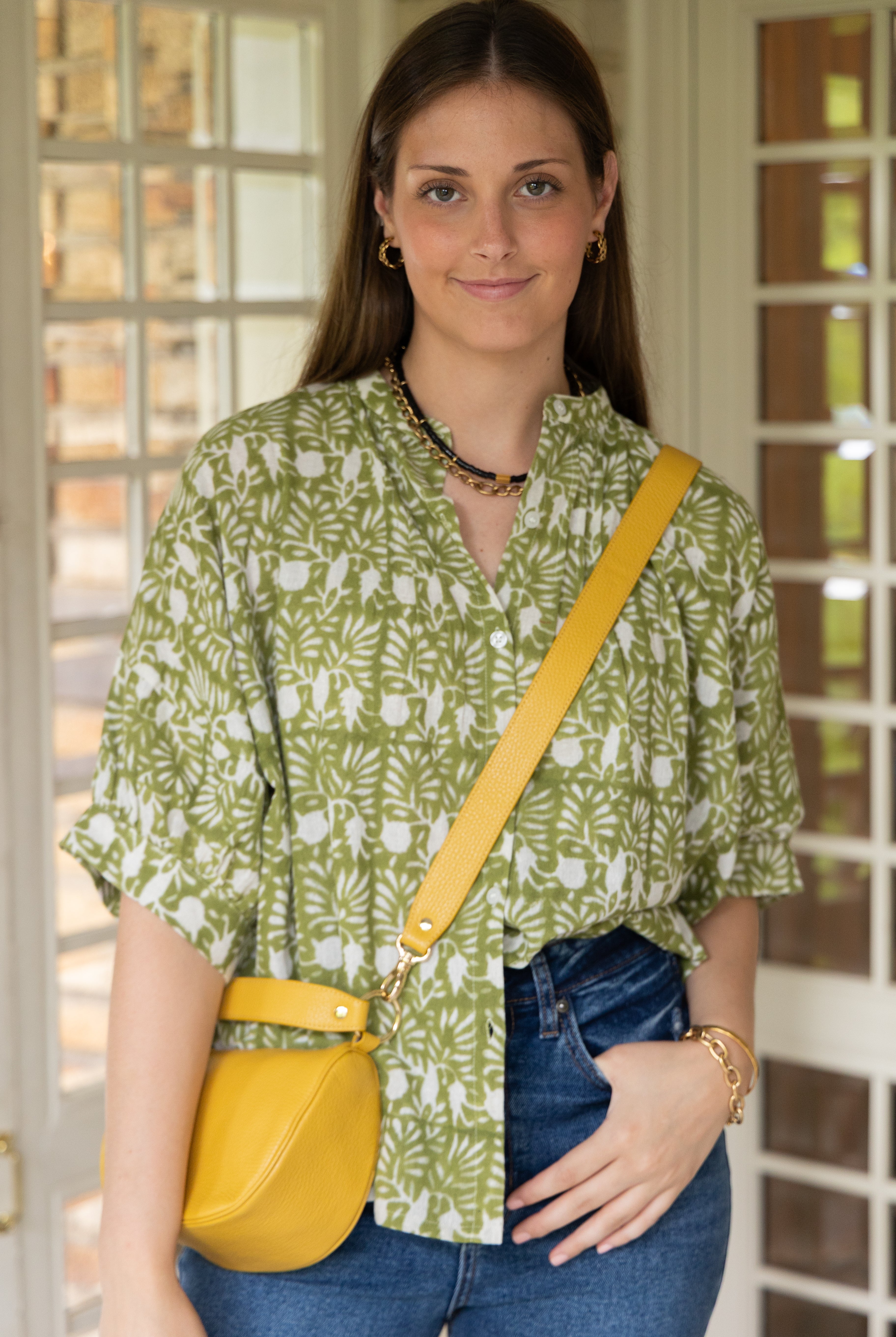
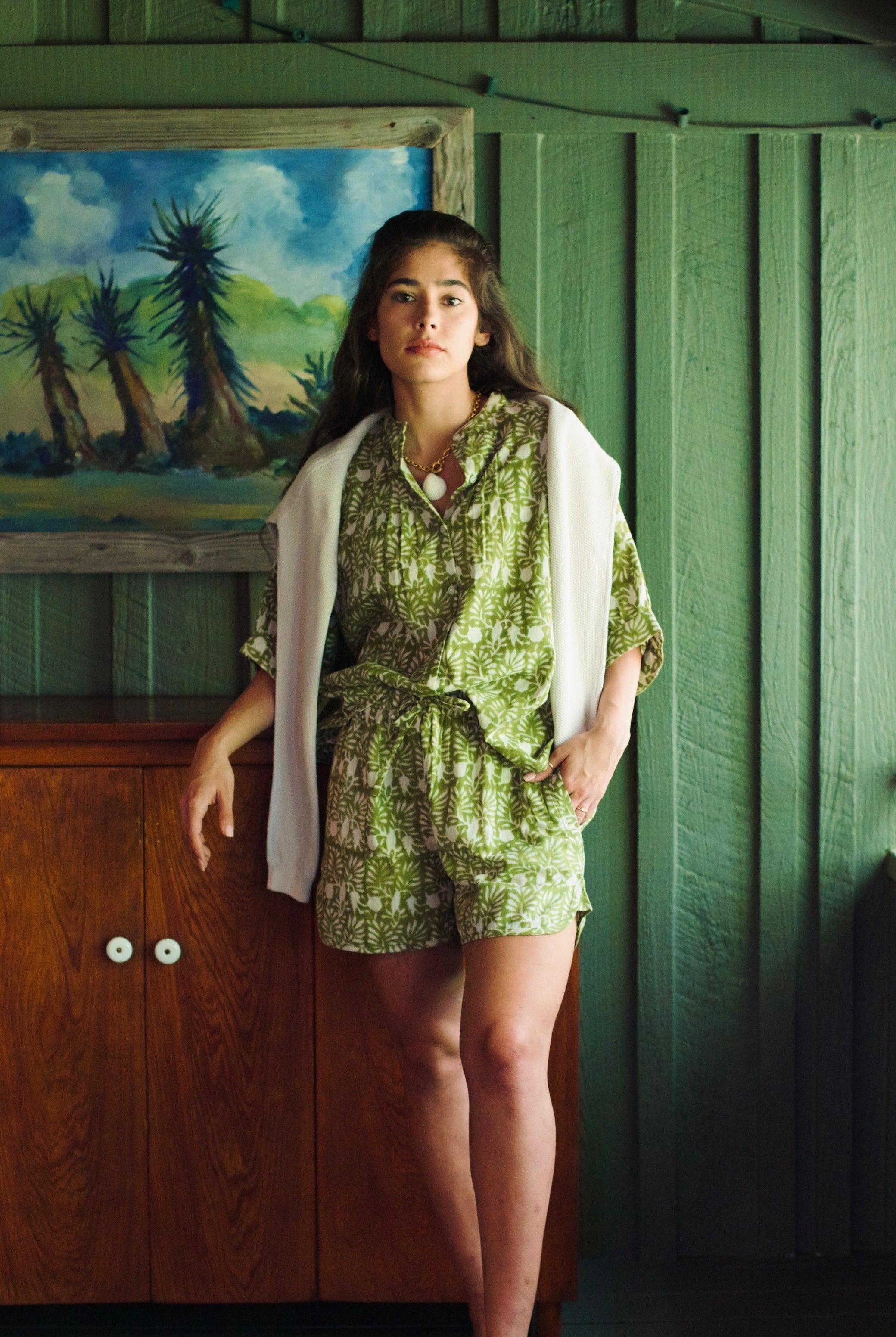
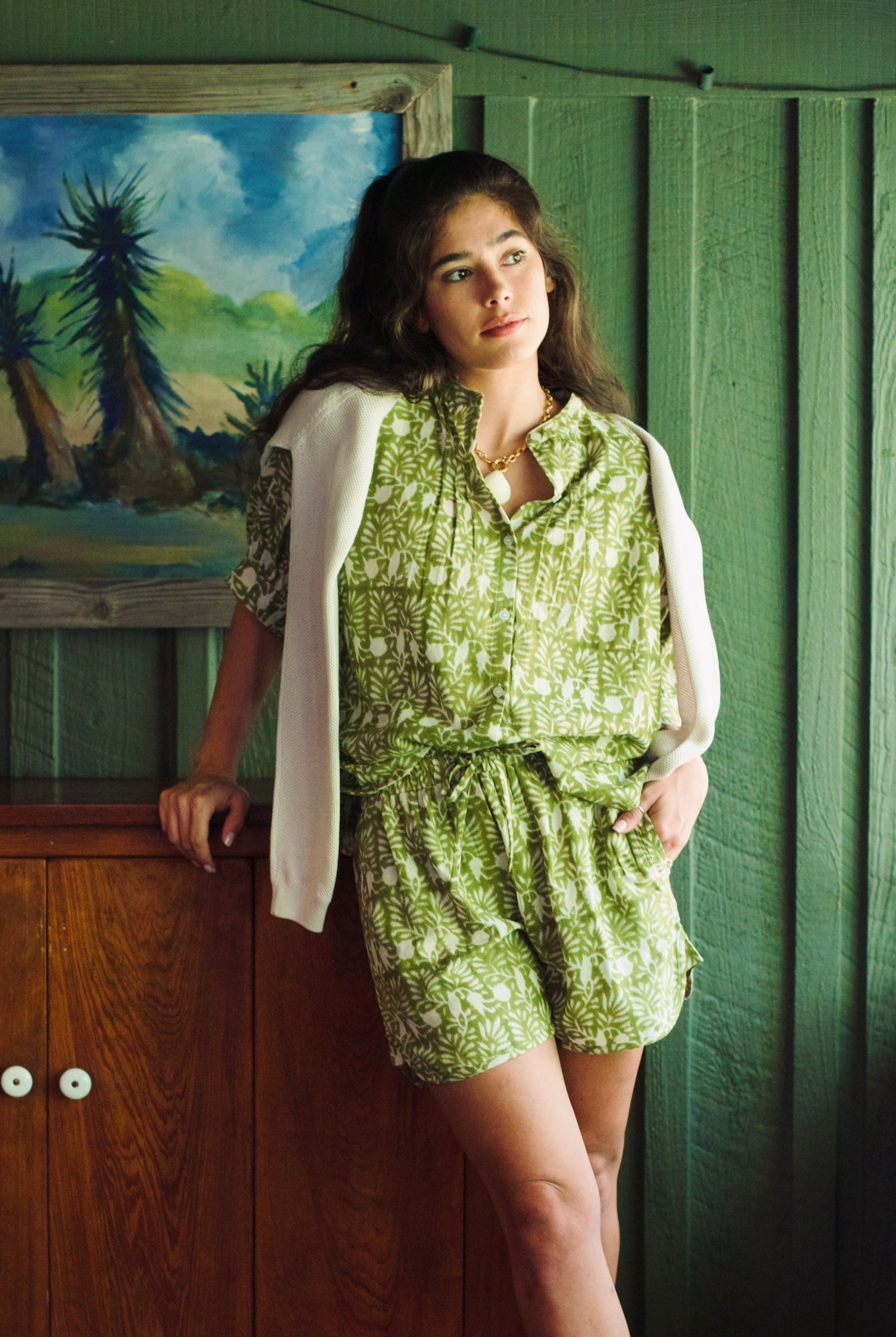
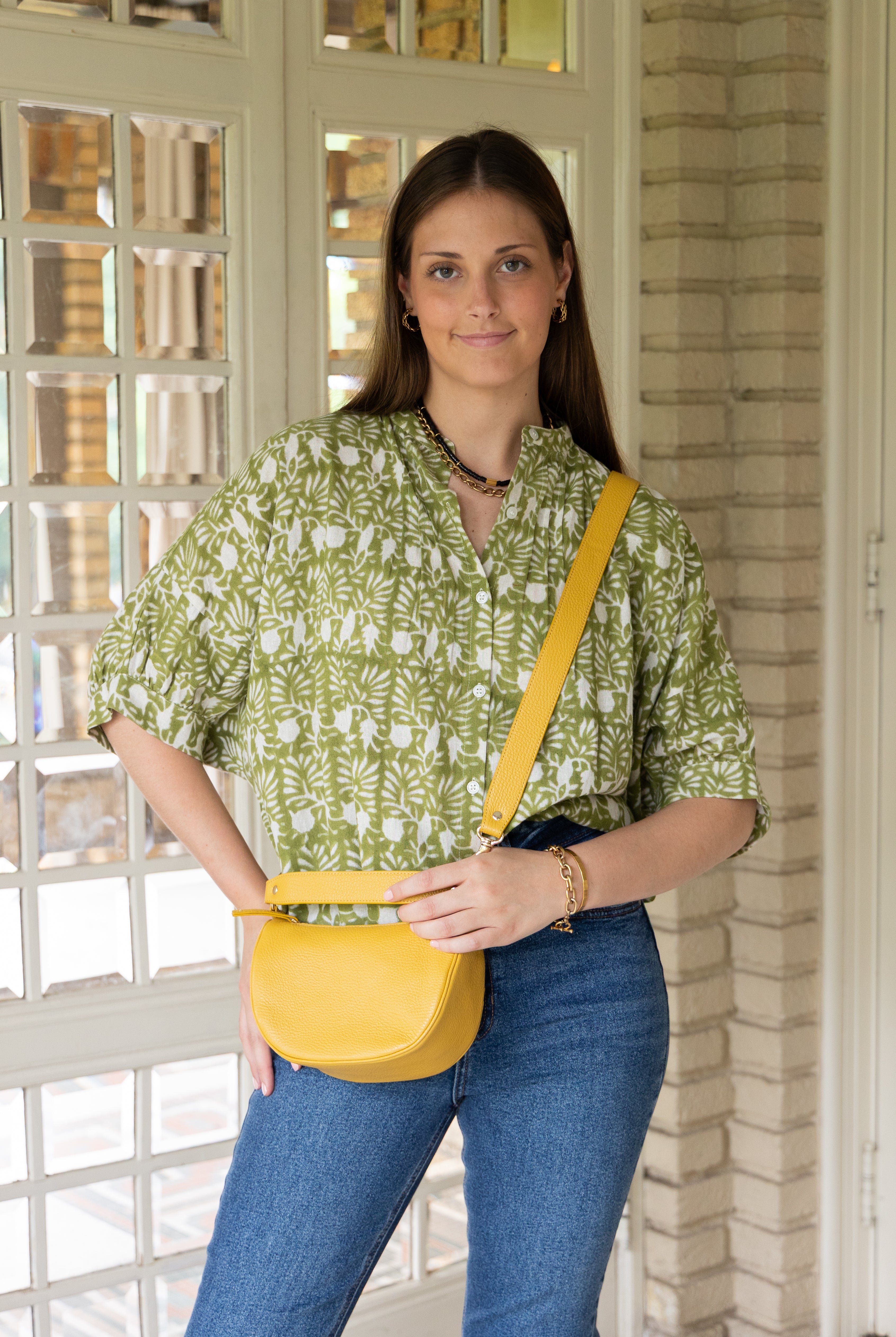
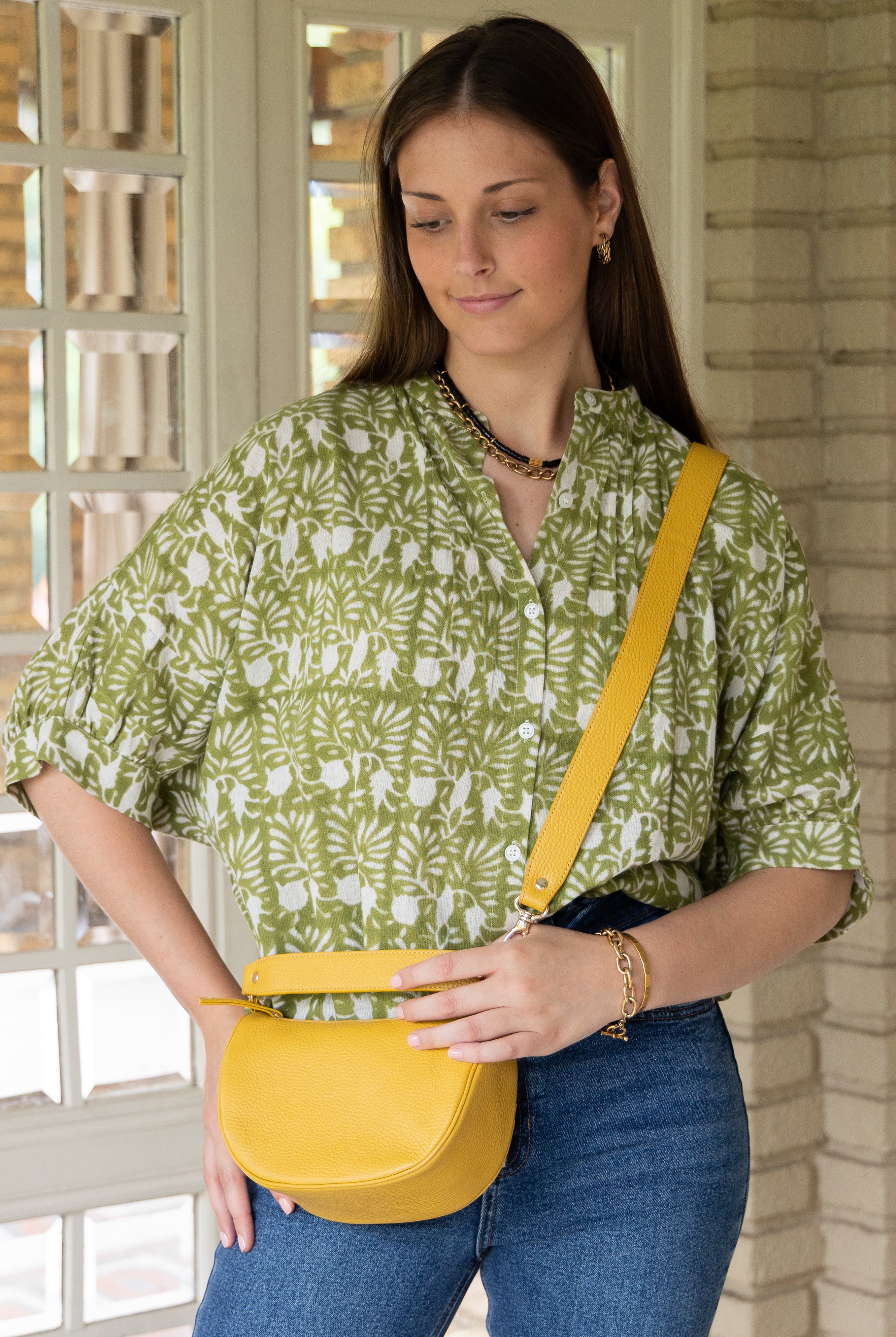
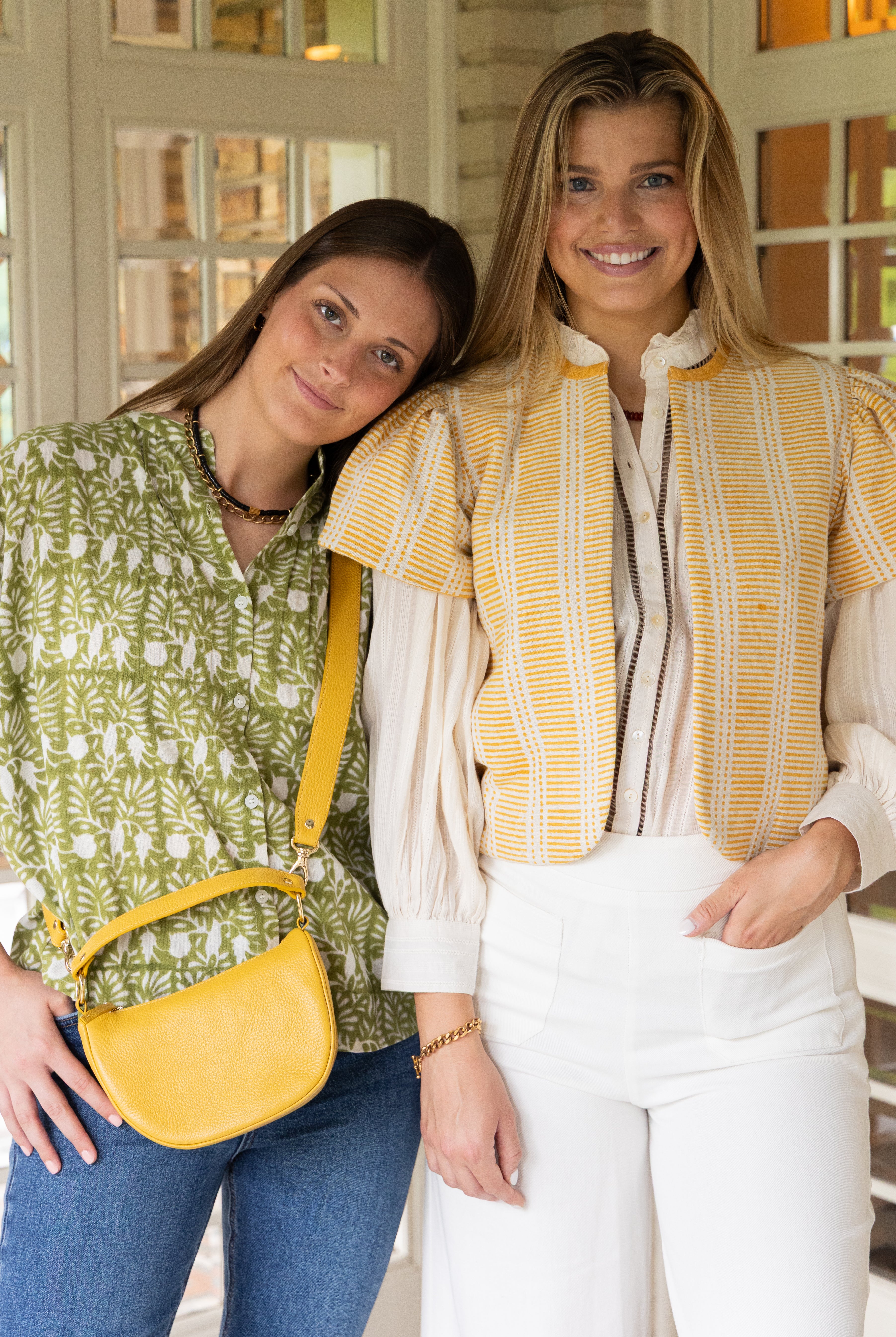
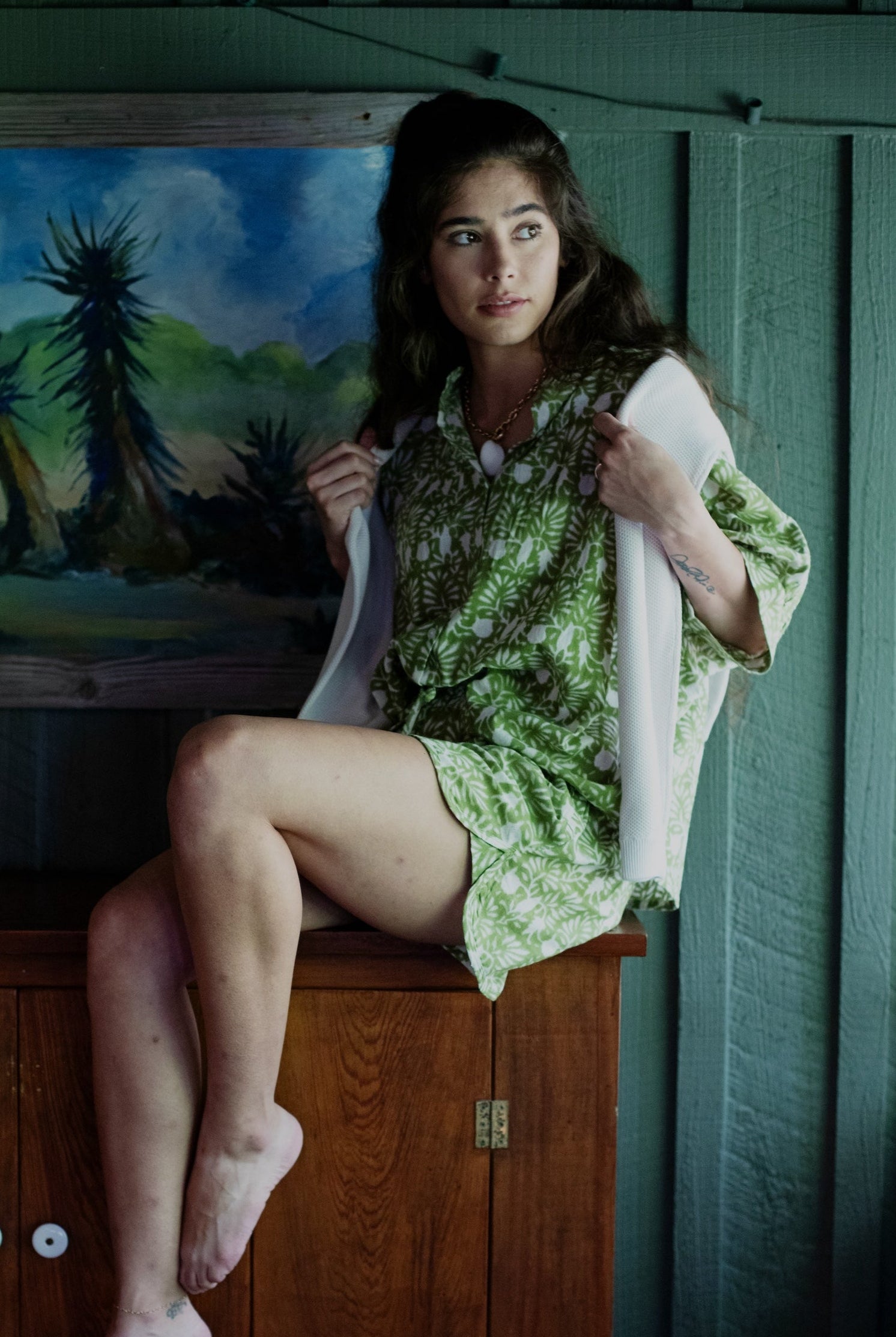
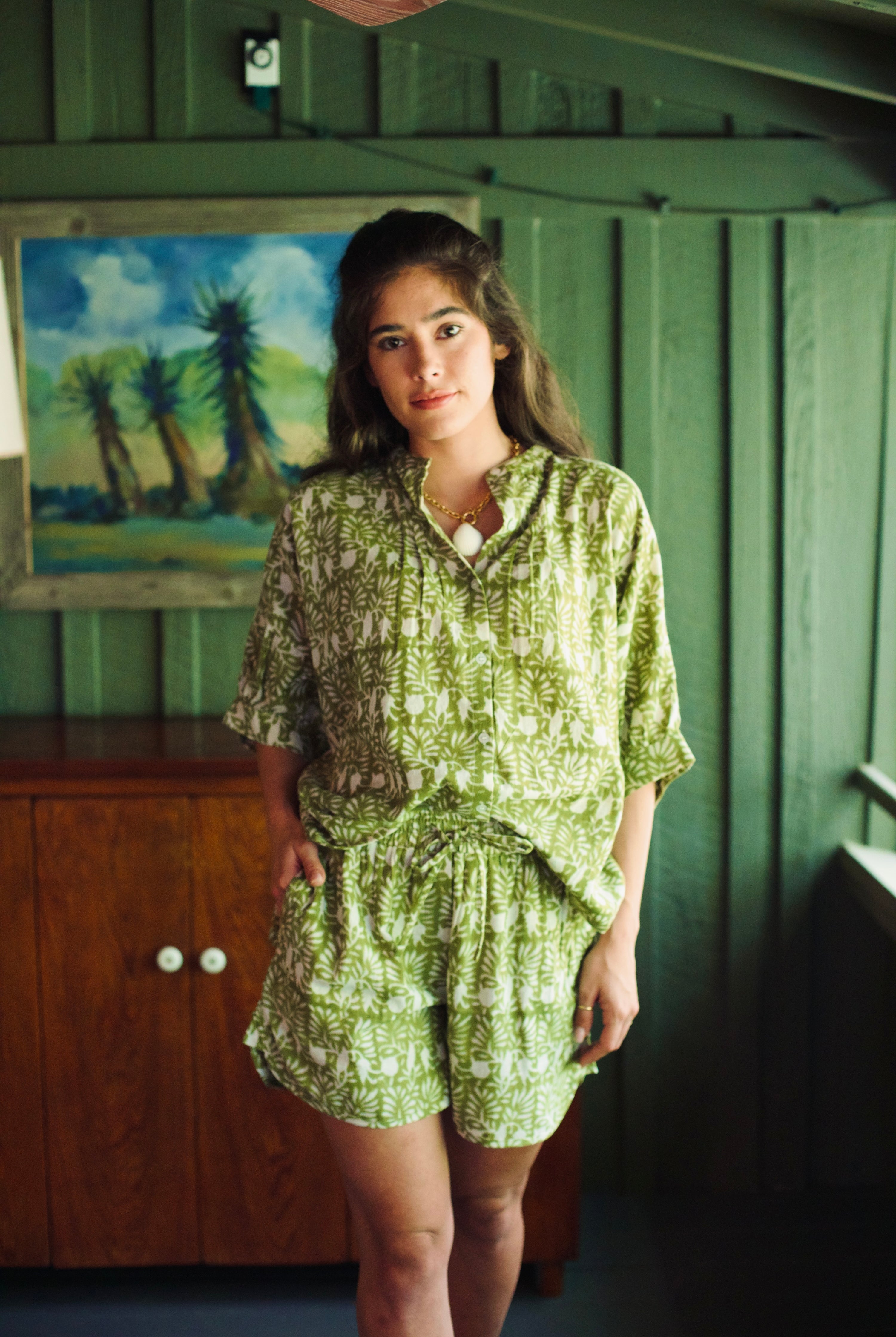
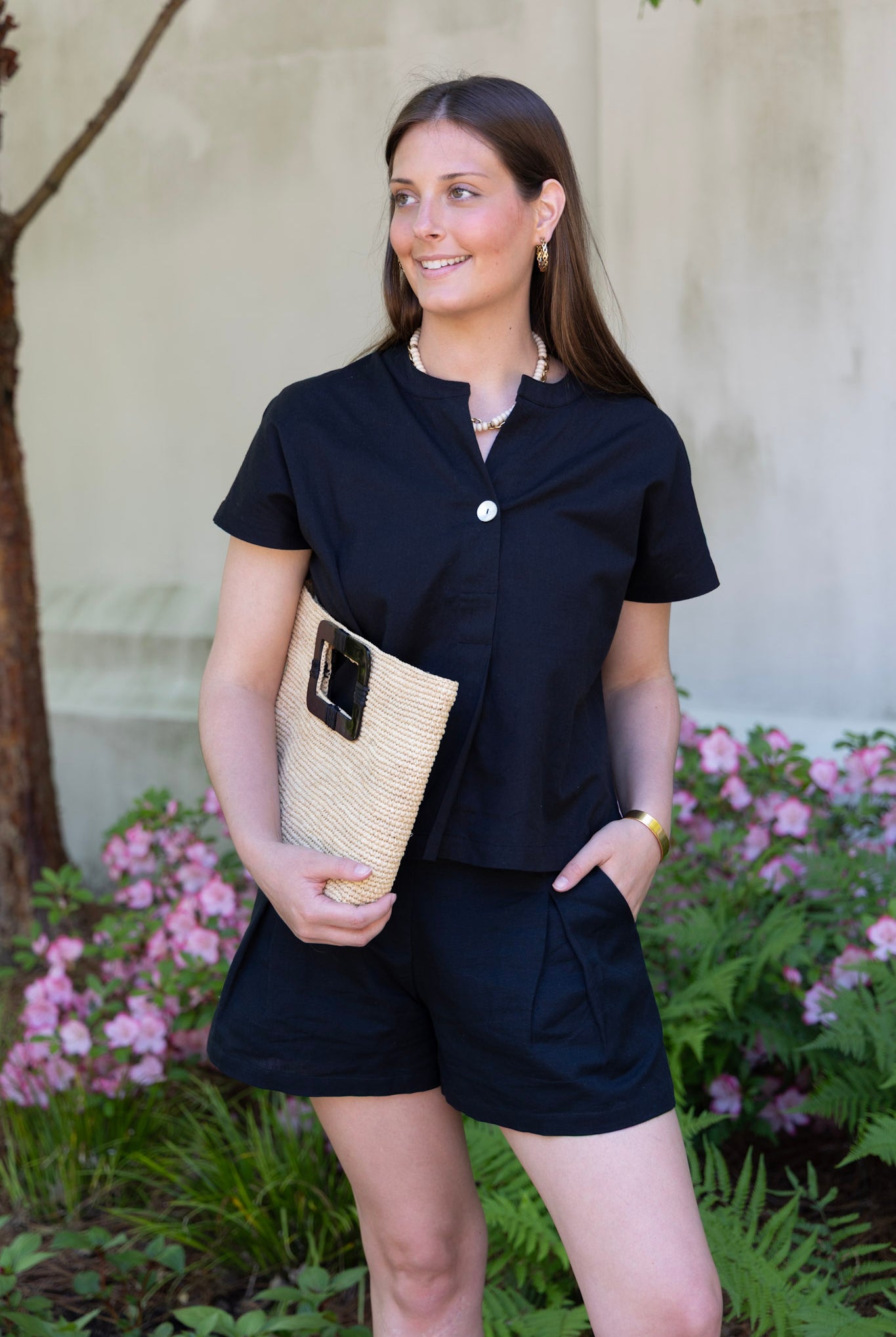
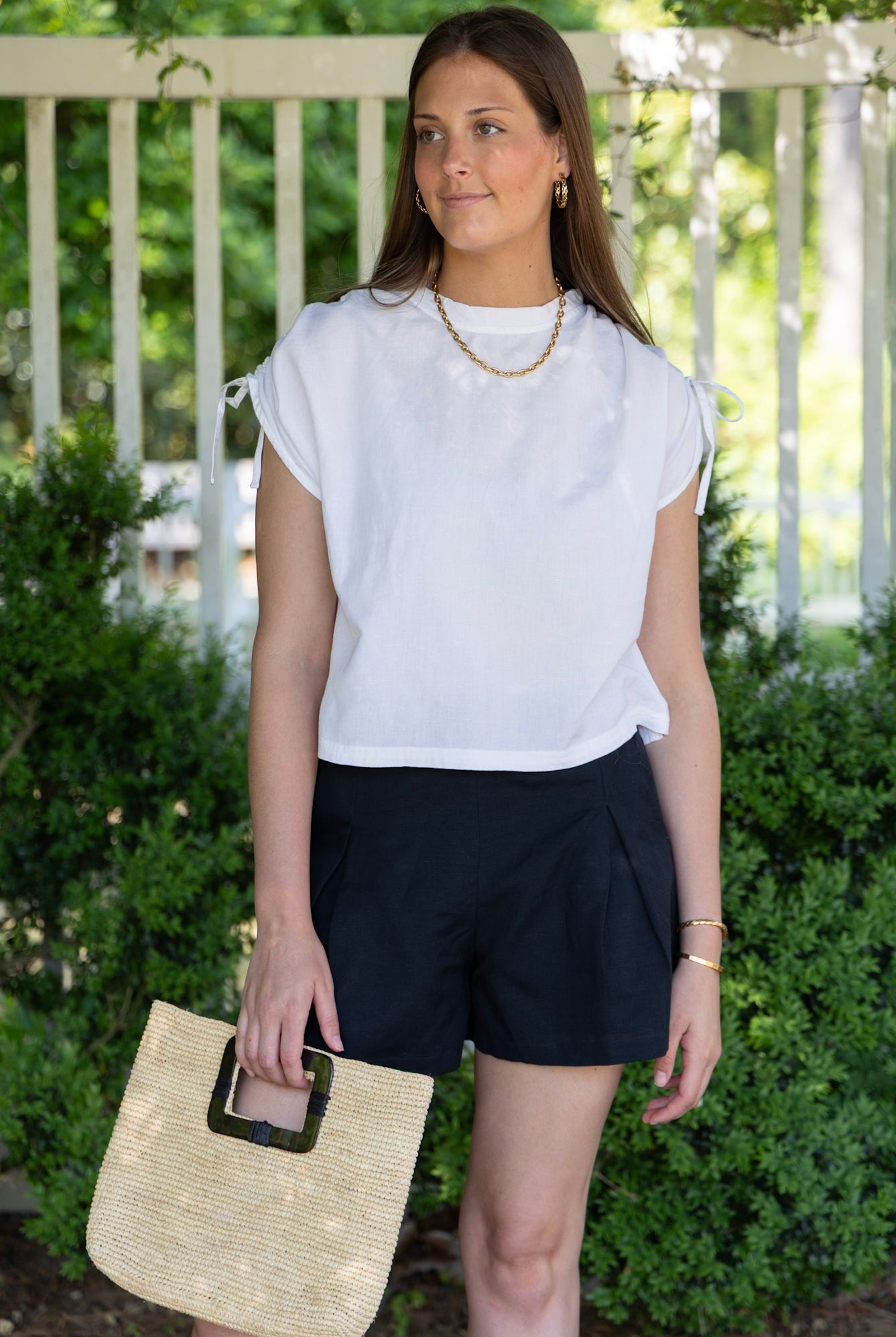
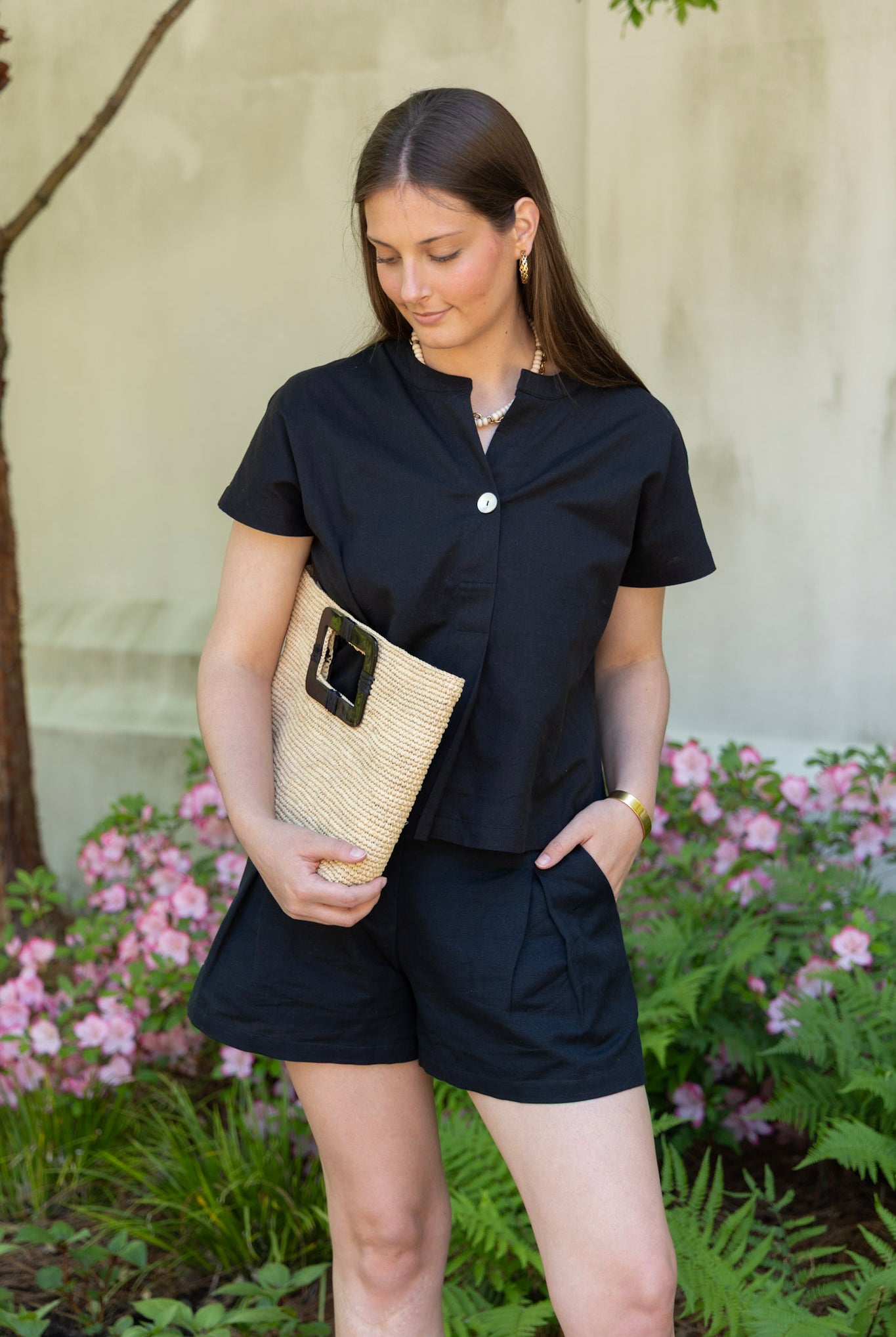
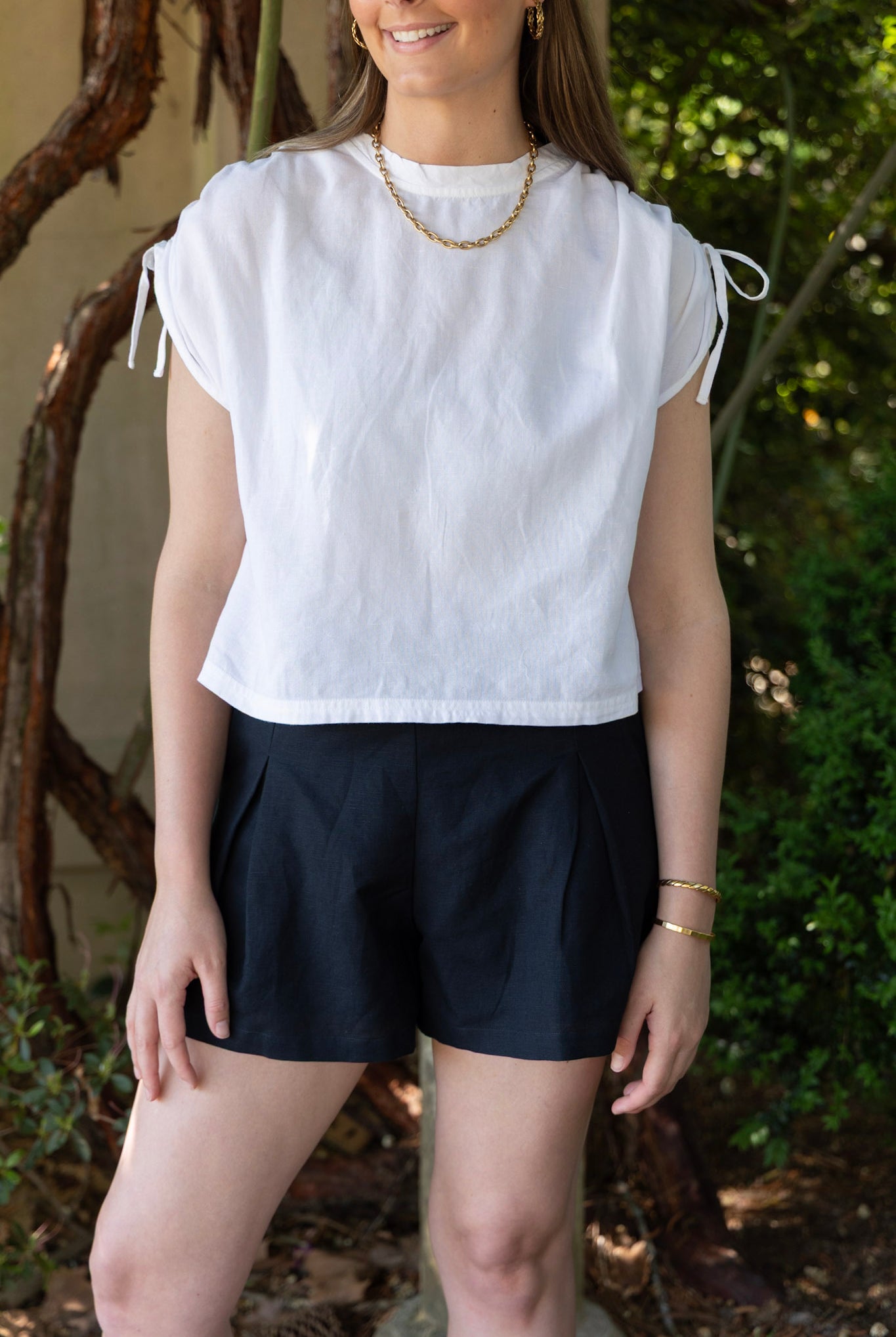
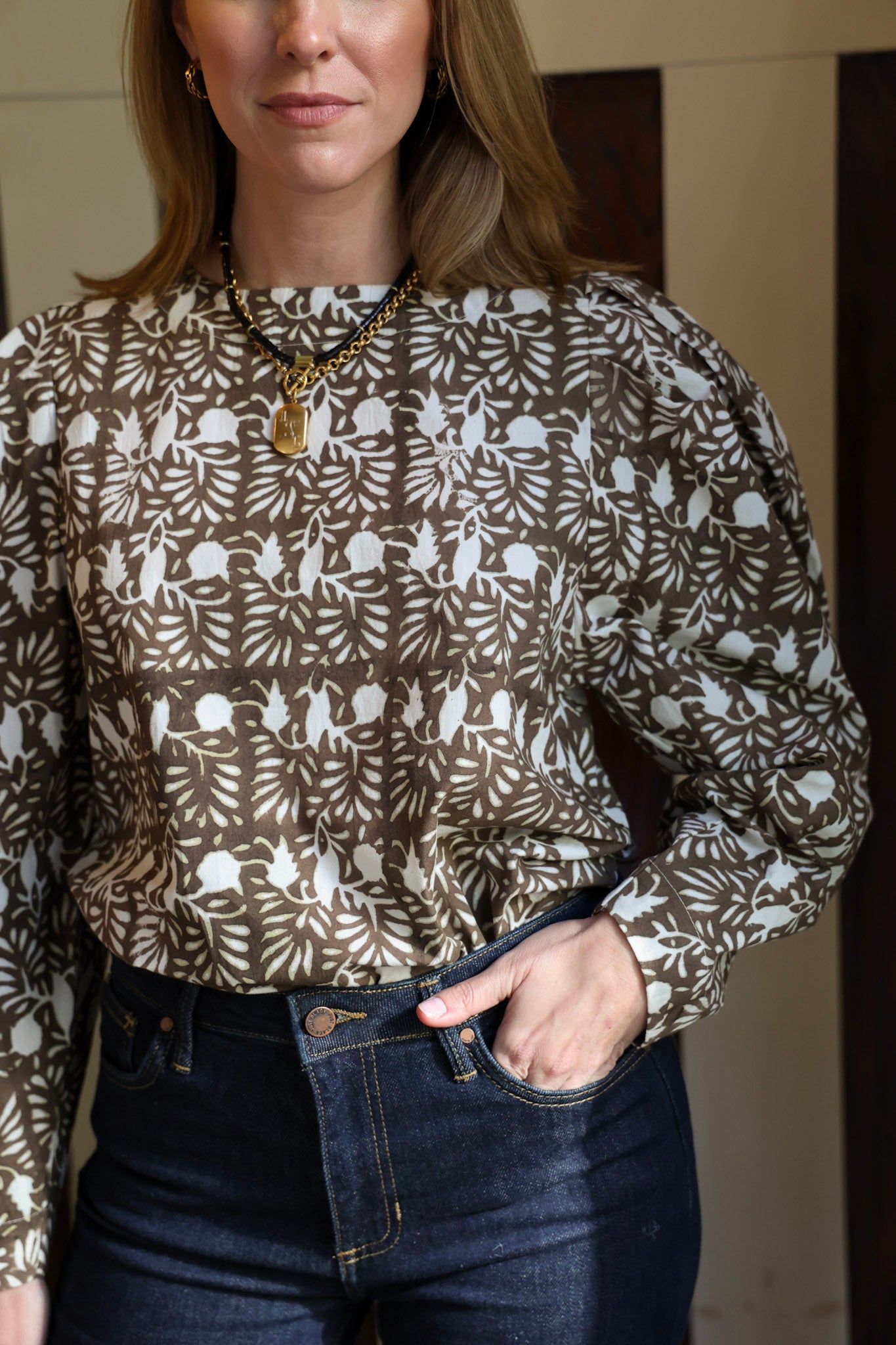
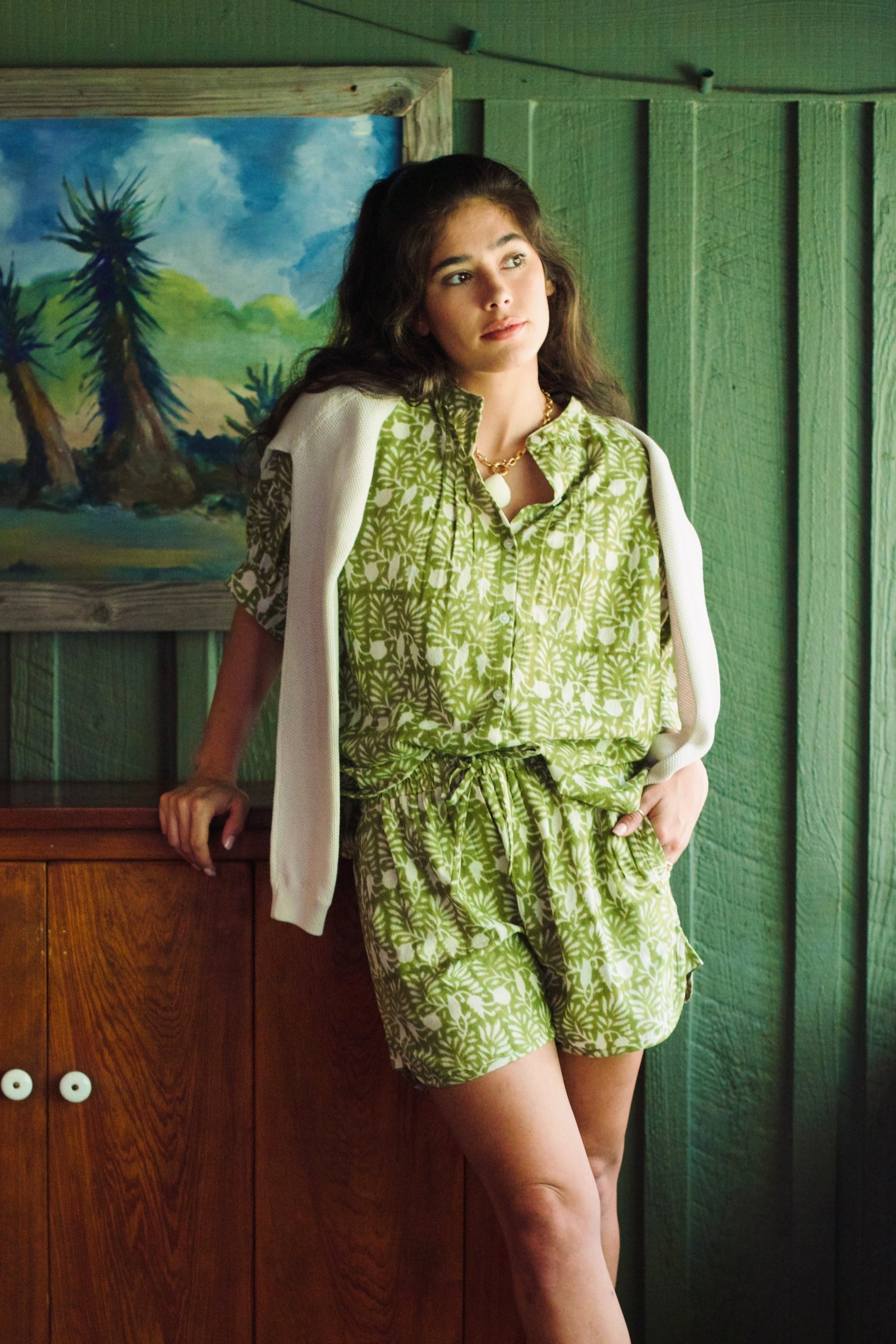
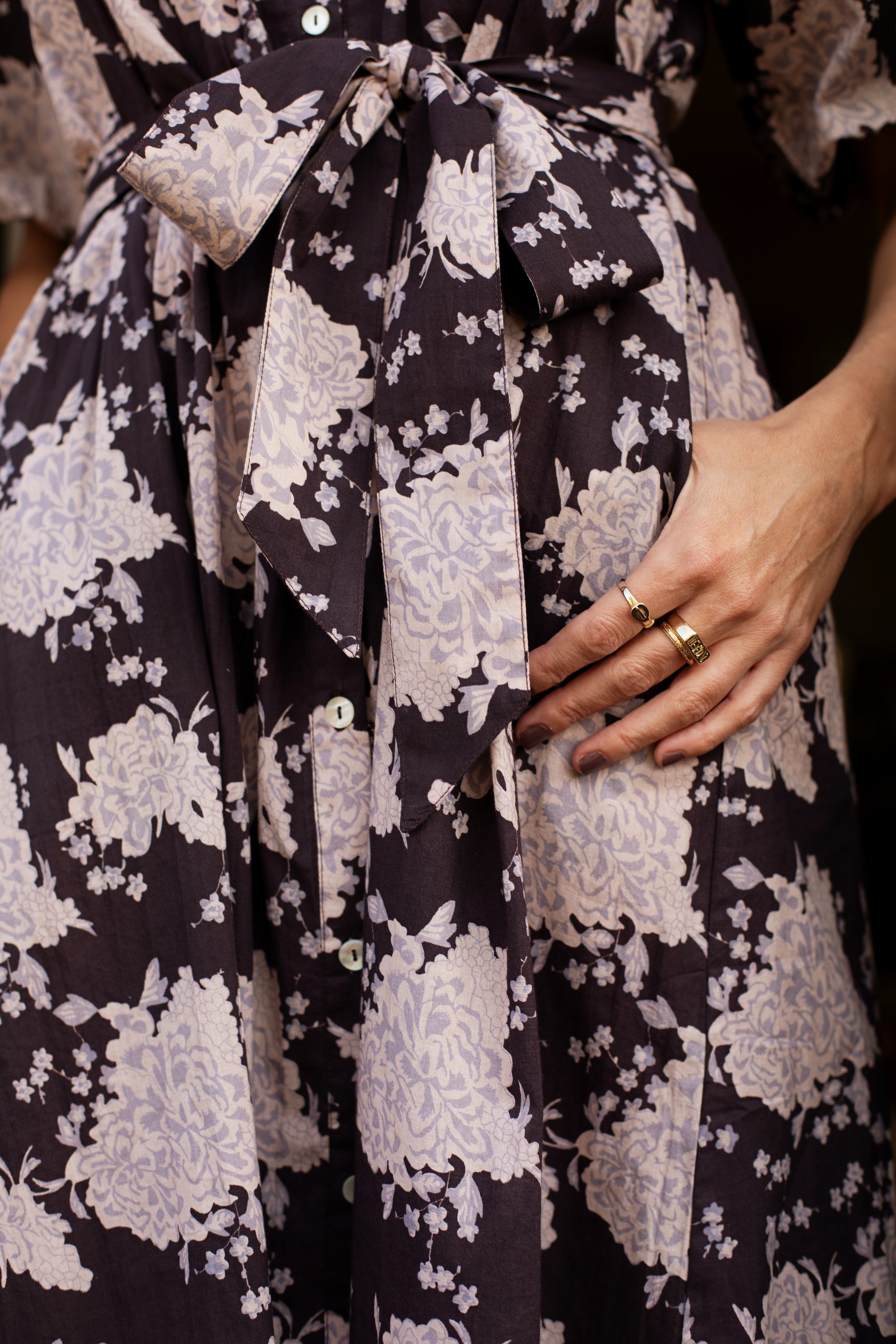
That comes down to fabric before anything else. Linen, cotton, silk — real, natural fibers behave differently than synthetic ones, and it's not really up for debate. They breathe. They soften instead of breaking down. They take a block print or a hand-dye the way it's meant to be taken, with all the richness and slight imperfection that makes it look intentional instead of printed on.
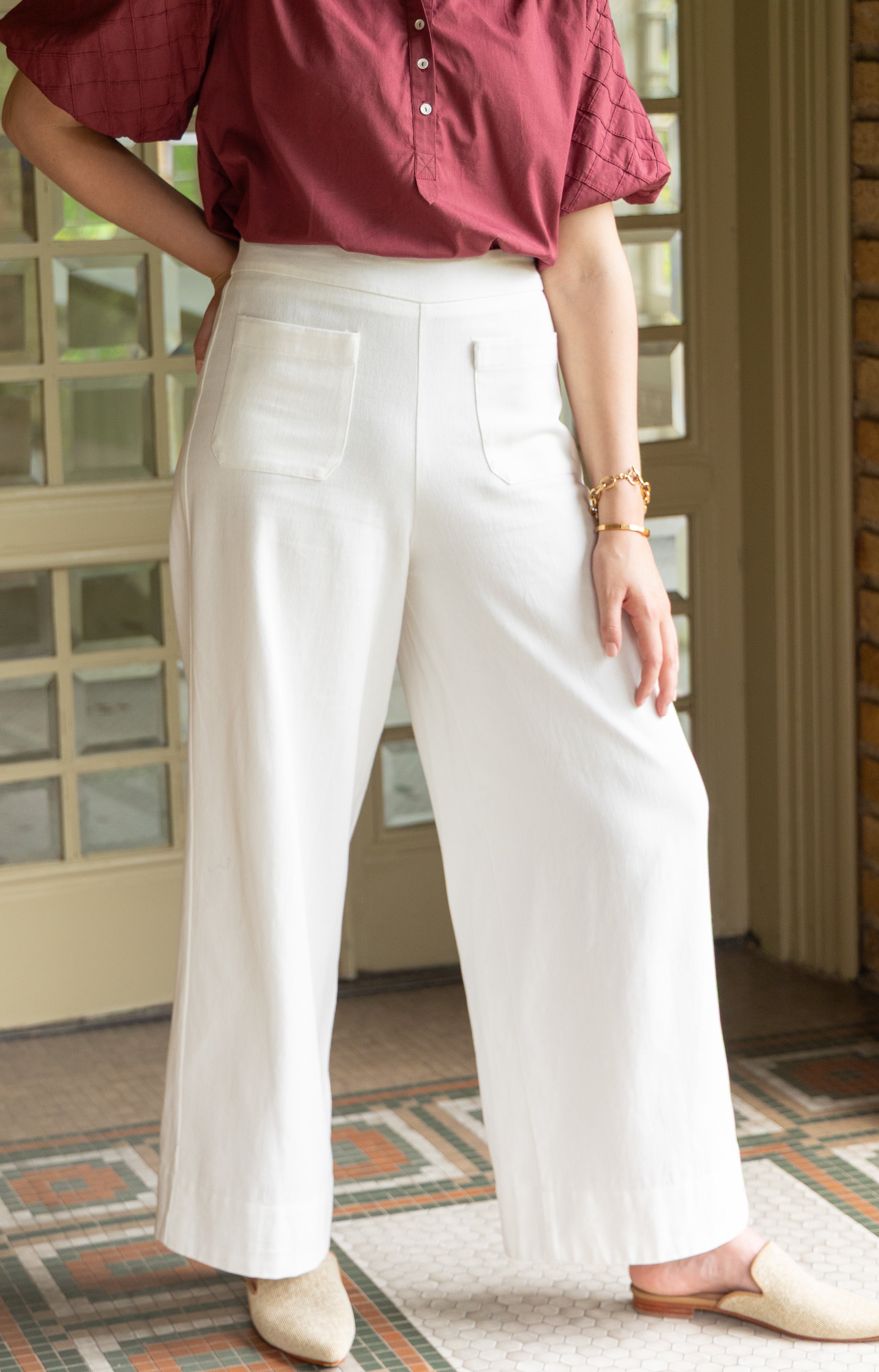
Natural Fibers vs. Synthetic Fabric
Natural fibers — linen, cotton, silk, wool — are grown, not manufactured. They come from flax fields and cotton plants, spun and woven using techniques passed down for generations. They breathe. They soften with age instead of breaking down. They hold color, drape, and dye the way nature intended, which is why block prints and hand-dyed patterns look so rich on natural cloth in the first place.
Synthetic fibers — polyester, nylon, acrylic — are made from petroleum. They're engineered for speed and cost, not character. They can mimic the look of a natural fabric on a hanger, but they wear differently, age differently, and rarely improve with time the way a well-made natural piece does.

Why the difference shows up in quality
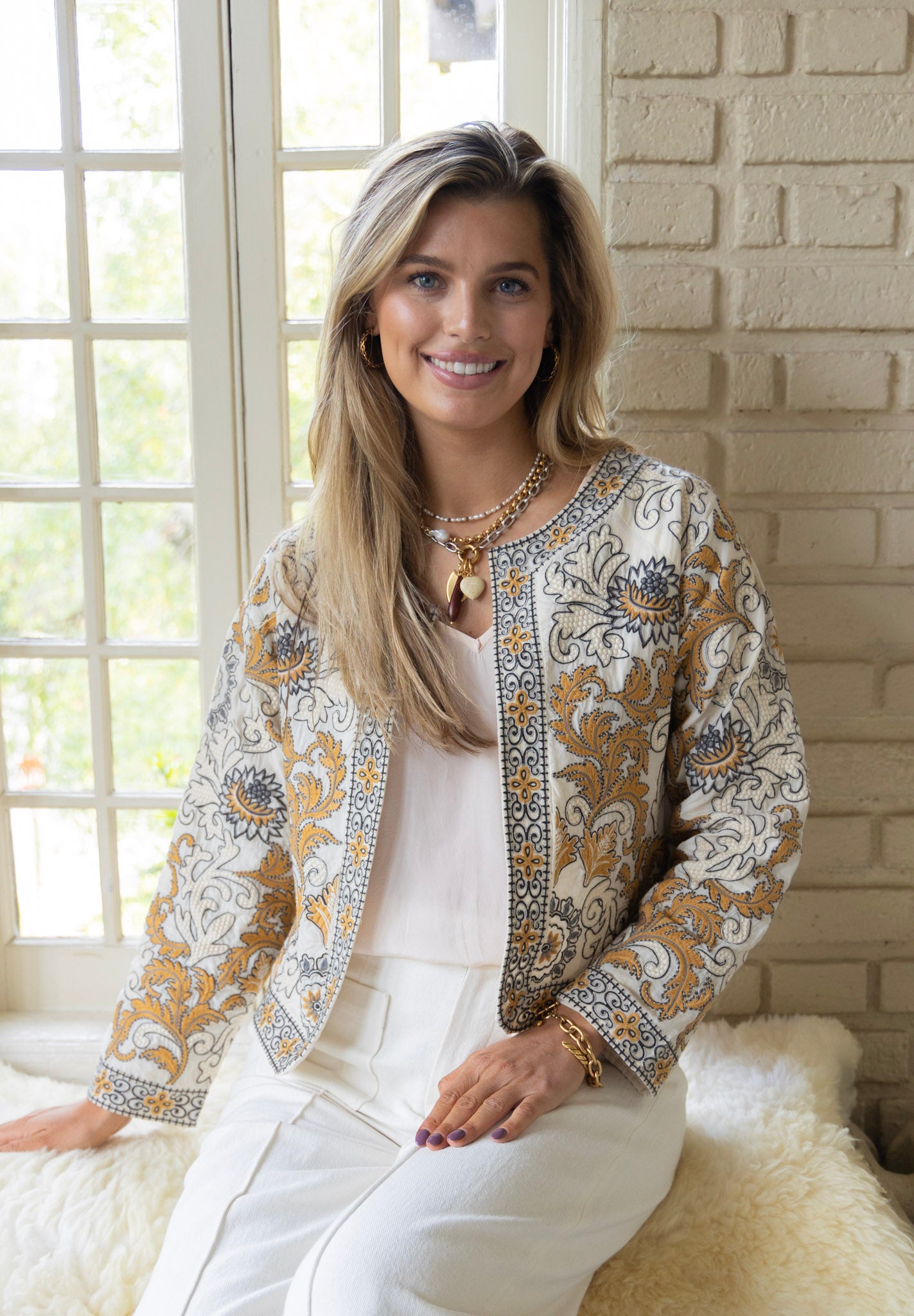
Run your hand across linen and you feel texture — the slight irregularity of a fiber that came from a plant, not a lab. That same texture is what gives natural fabric its ability to breathe with your body, soften through washes, and move the way real fabric should.
Synthetics, by contrast, are built for uniformity. They don't breathe the same way, they tend to hold odor and heat, and that telltale sheen or static cling is often the first sign a garment is cutting corners. Quality isn't just about how something looks on day one. It's about how it behaves on day one hundred.
Why it shows up in value
A lower price tag on a synthetic piece can feel like the easy choice. But value isn't what you pay at checkout — it's what you get for every wear after. A natural fiber garment, cared for well, can outlast several fast-fashion replacements combined. Cost per wear tells a very different story than cost per item.
This is the whole idea behind pieces that are, as we say, versatile and built to last. We'd rather you buy one blouse you wear for ten years than ten you wear for one season each.
Our Part in the Story
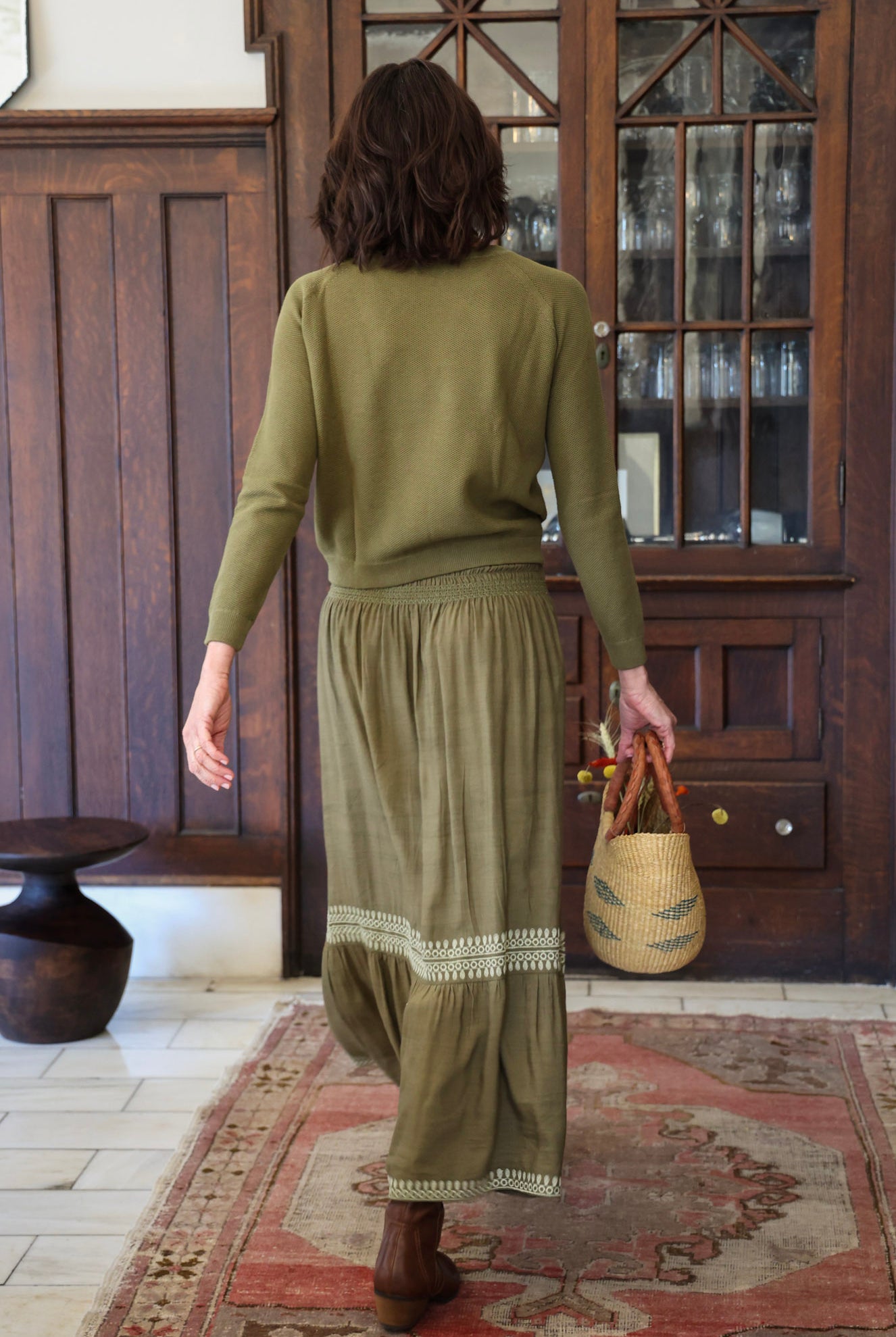
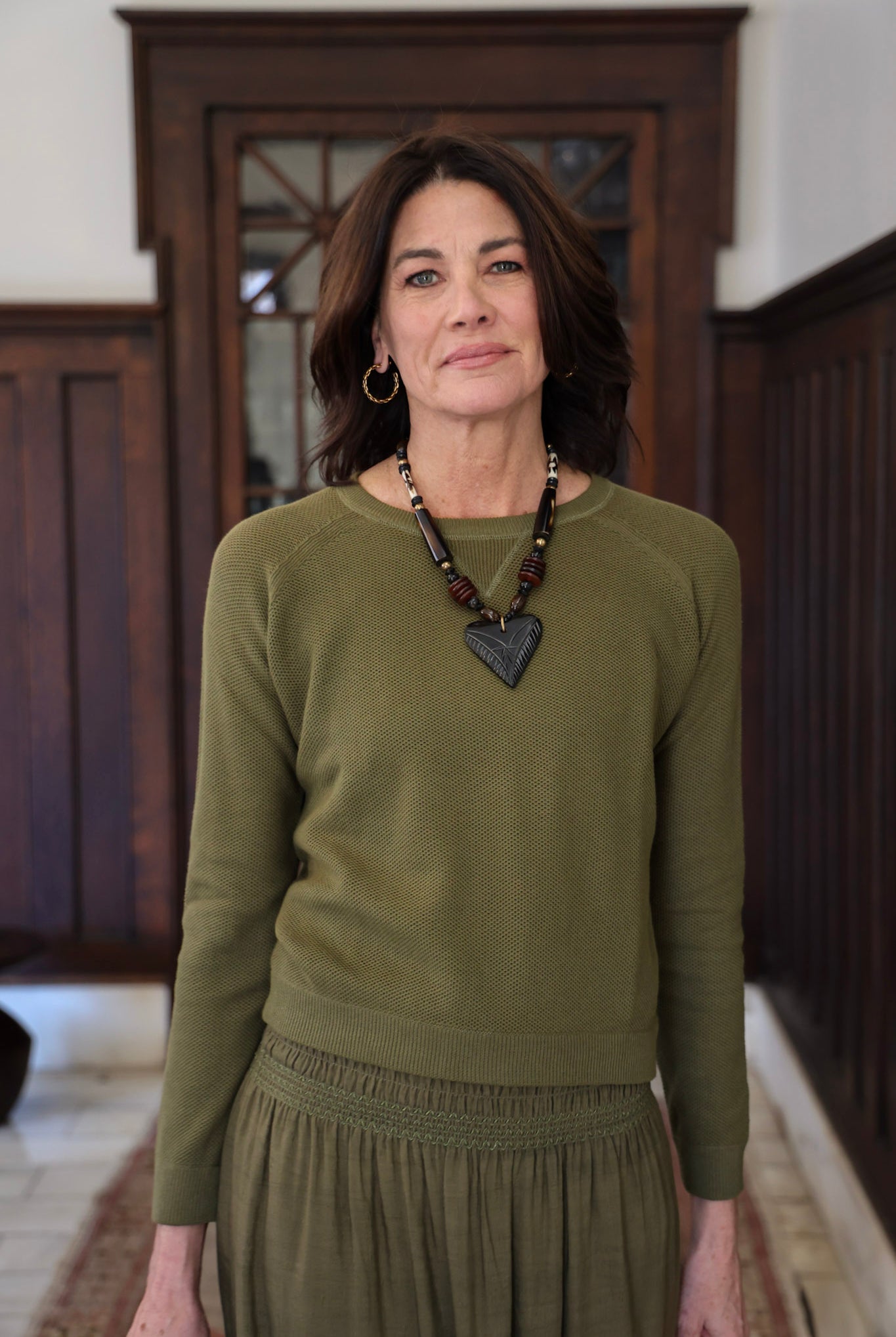
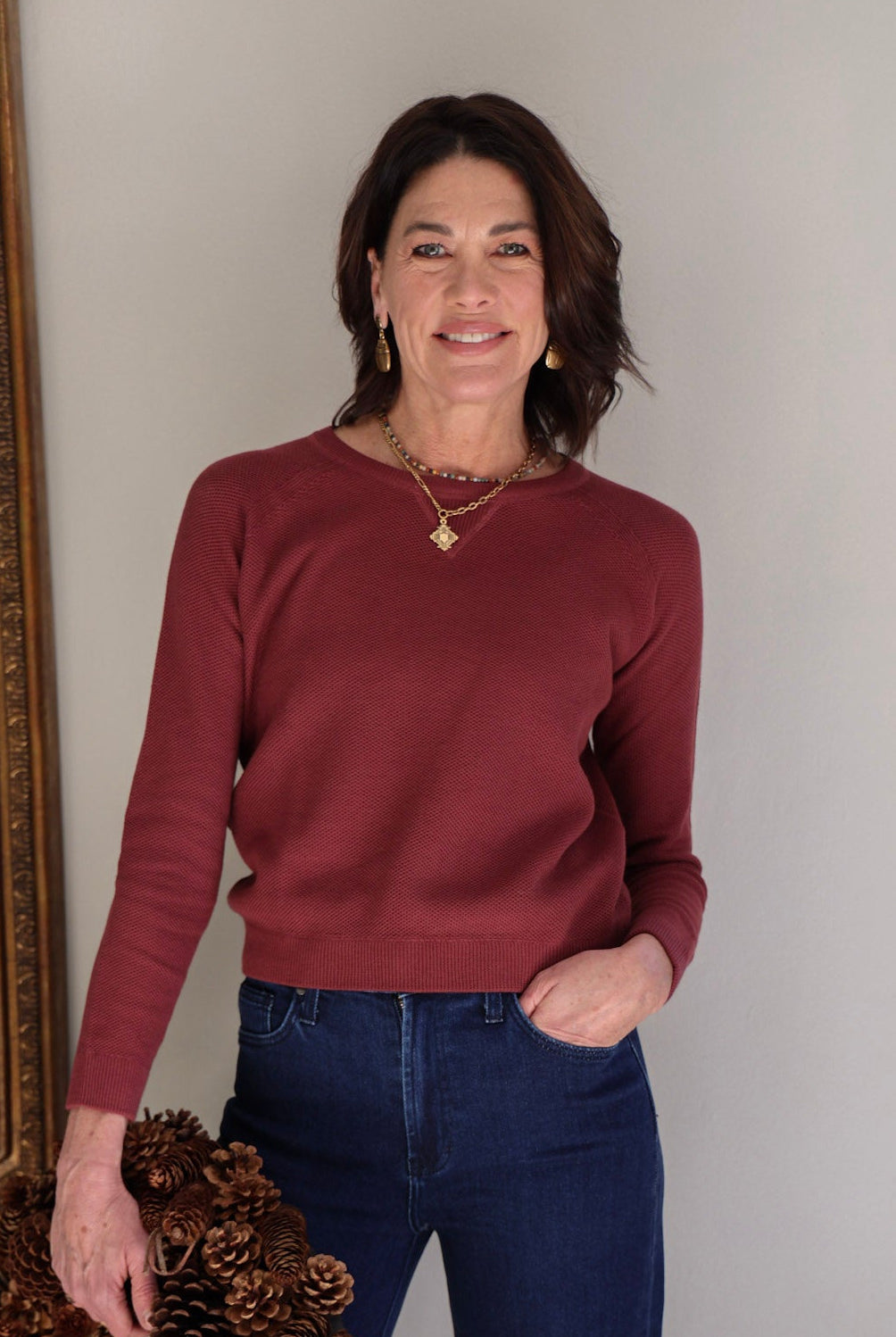
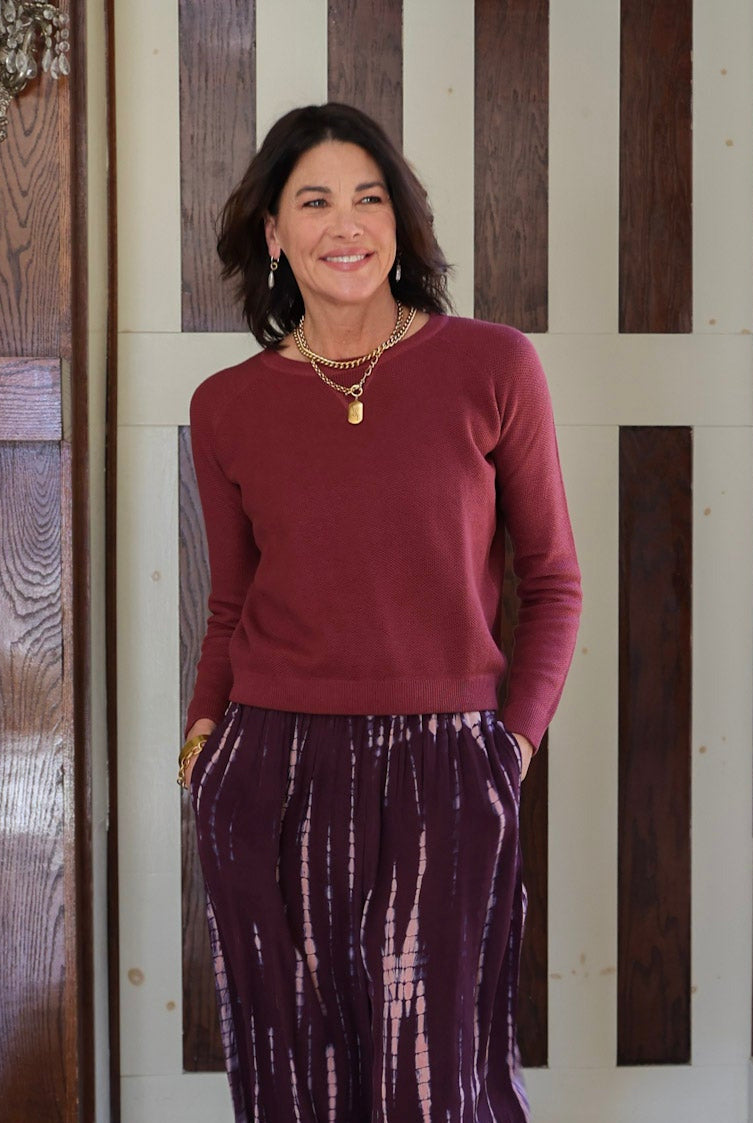
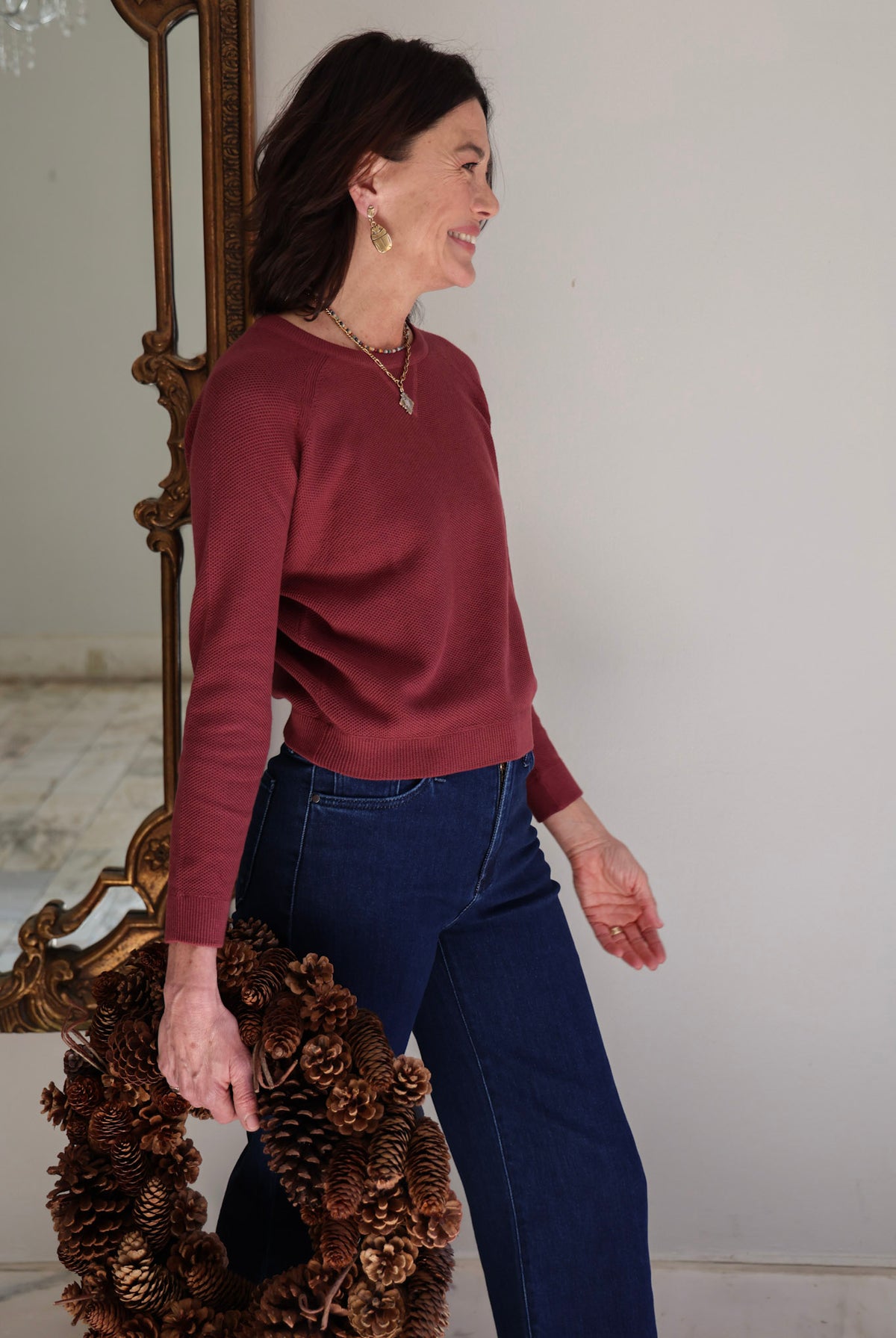
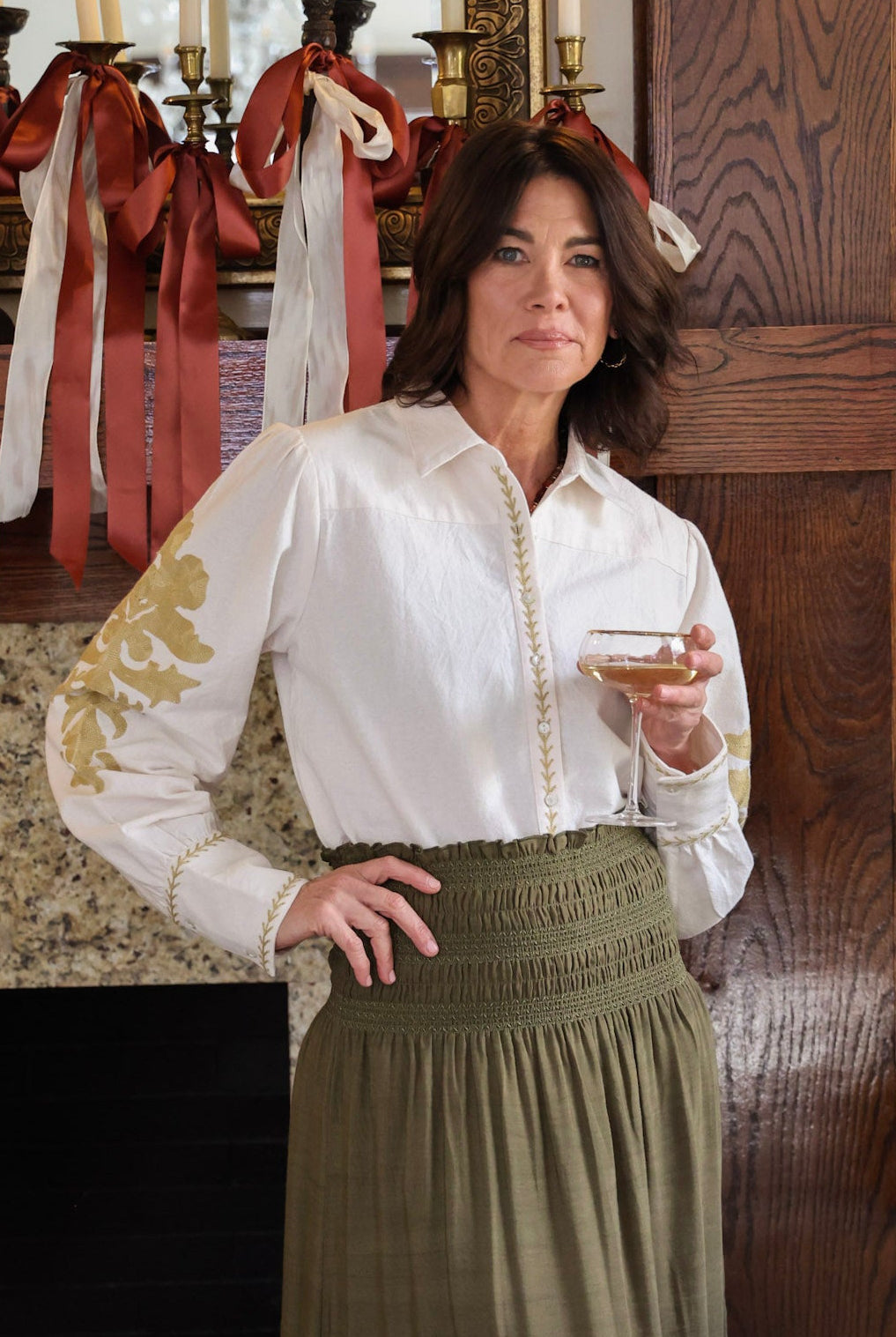
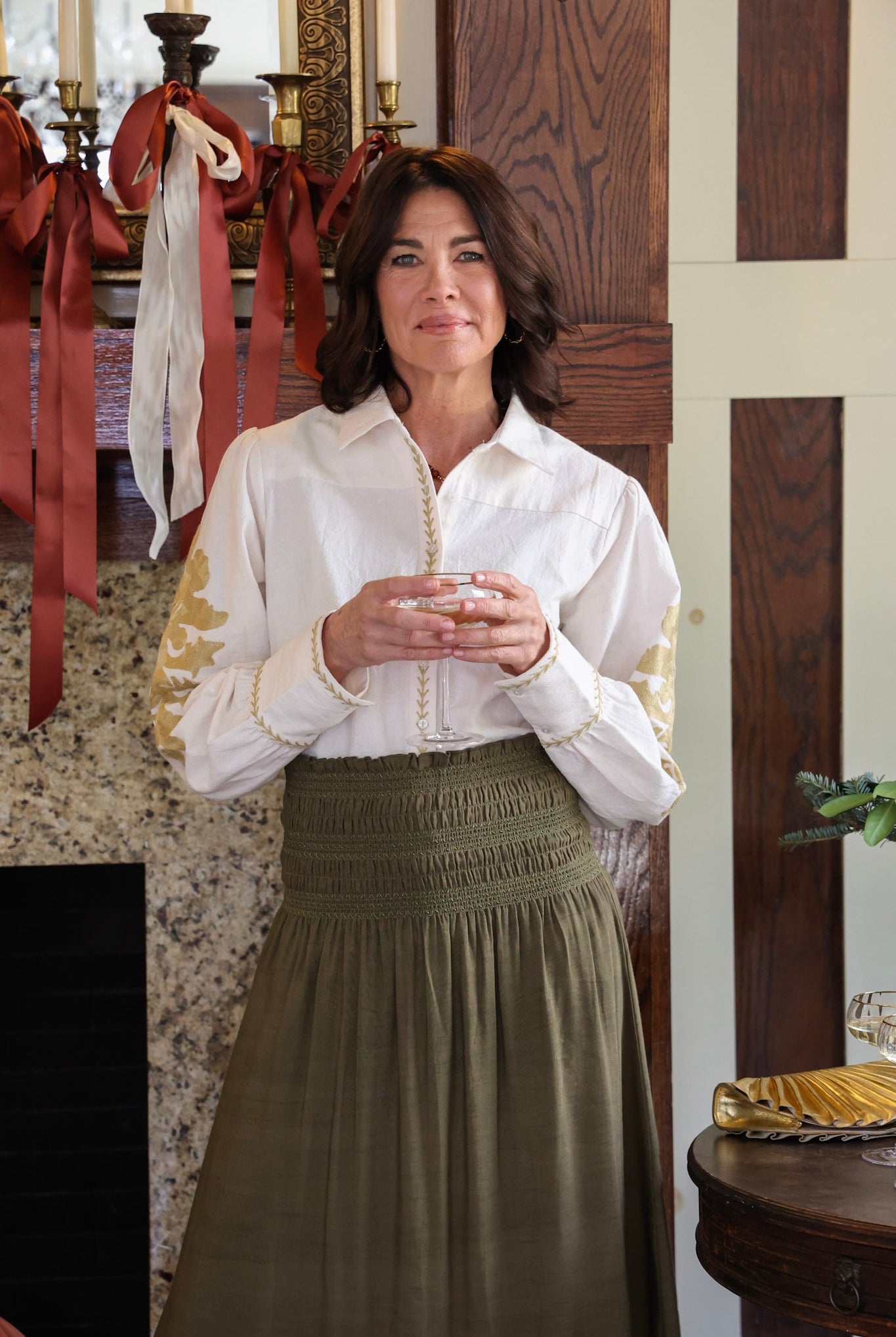
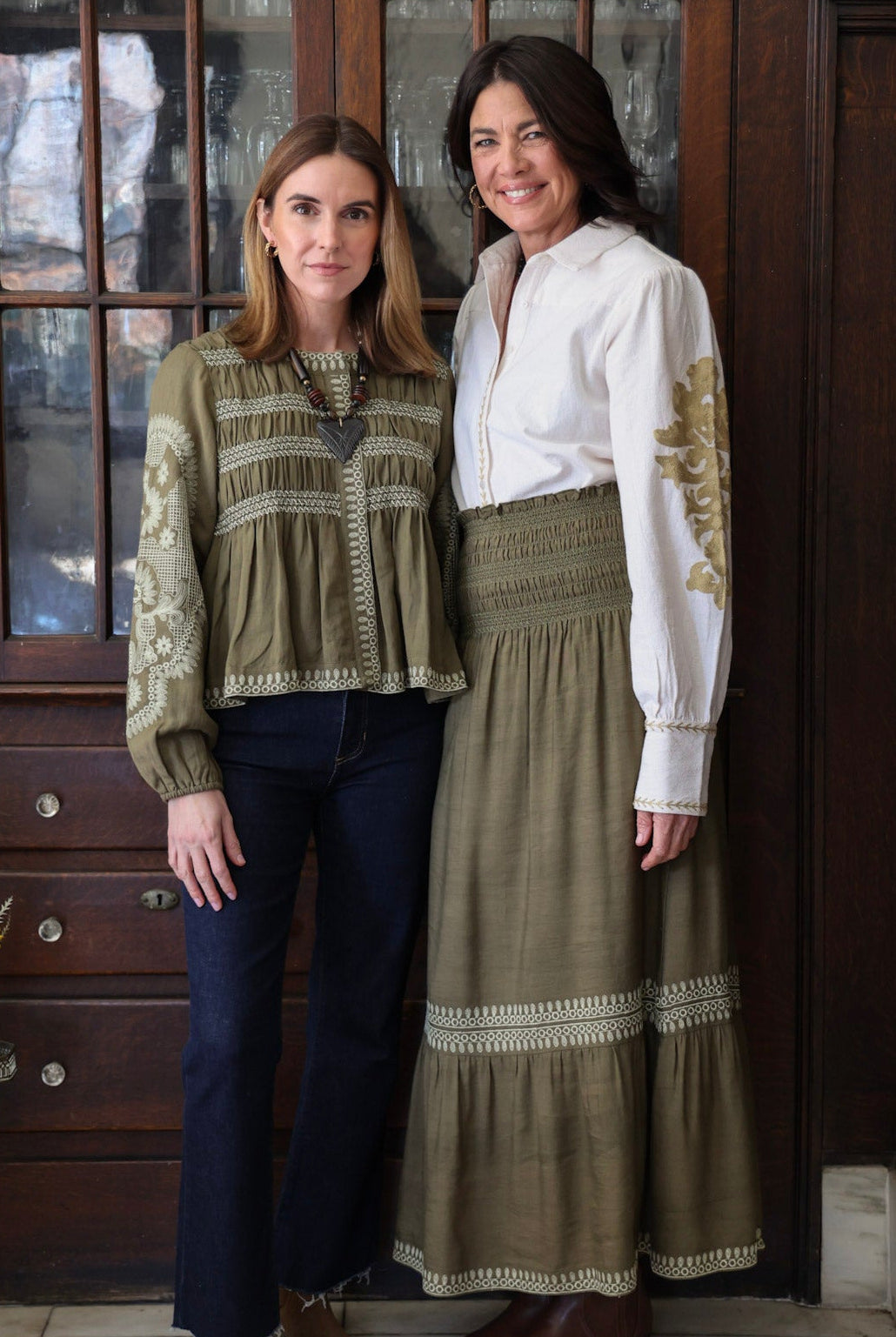
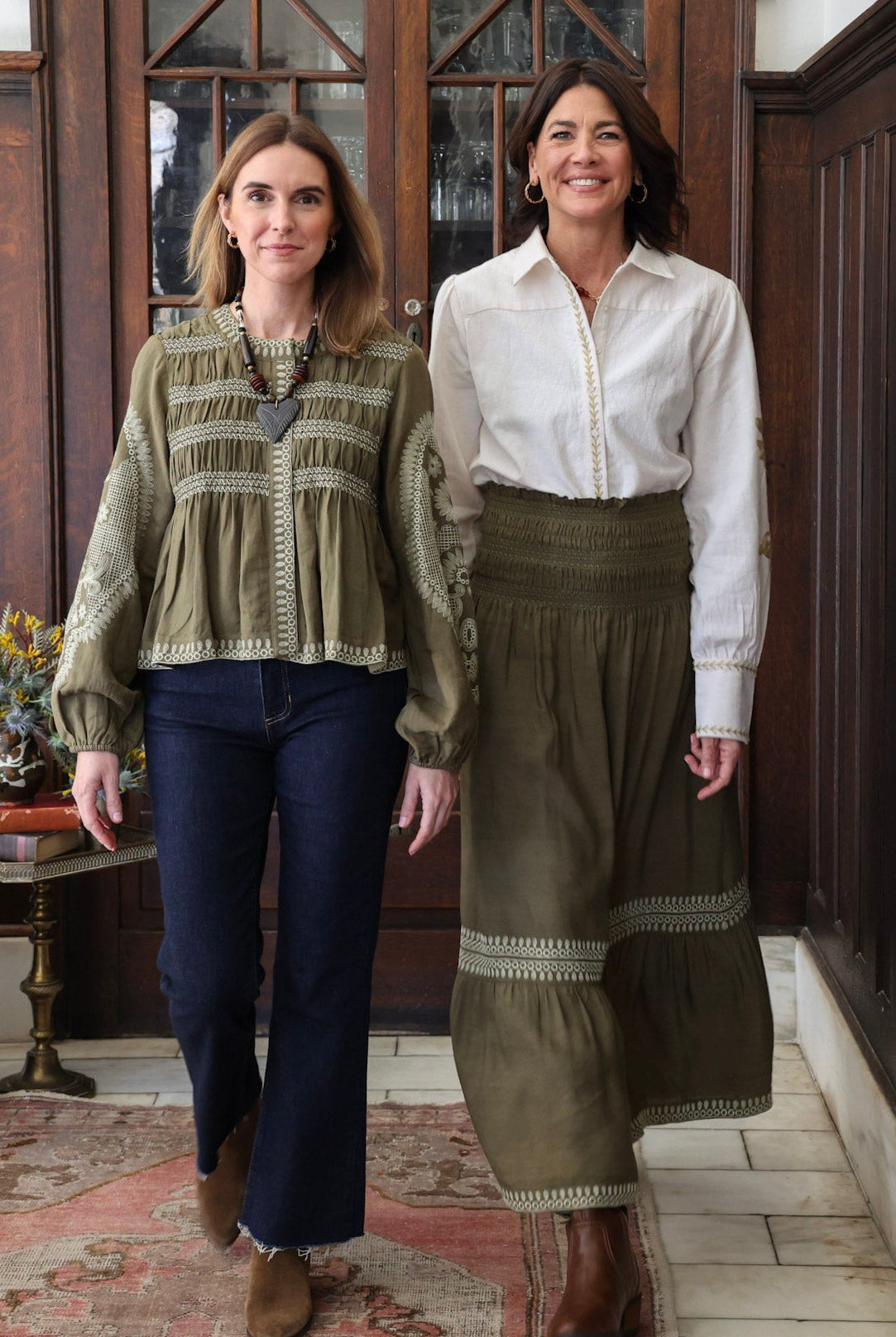
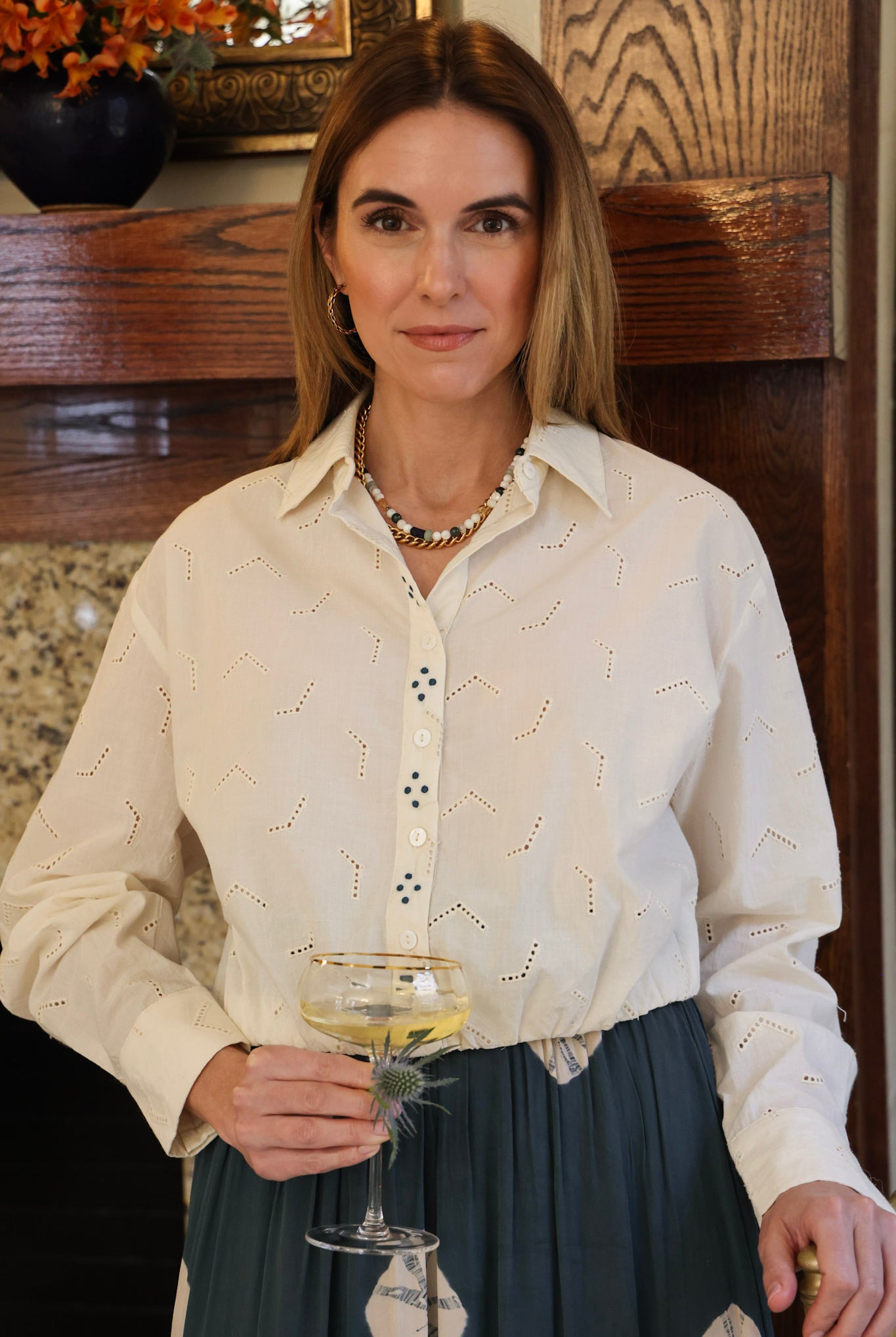
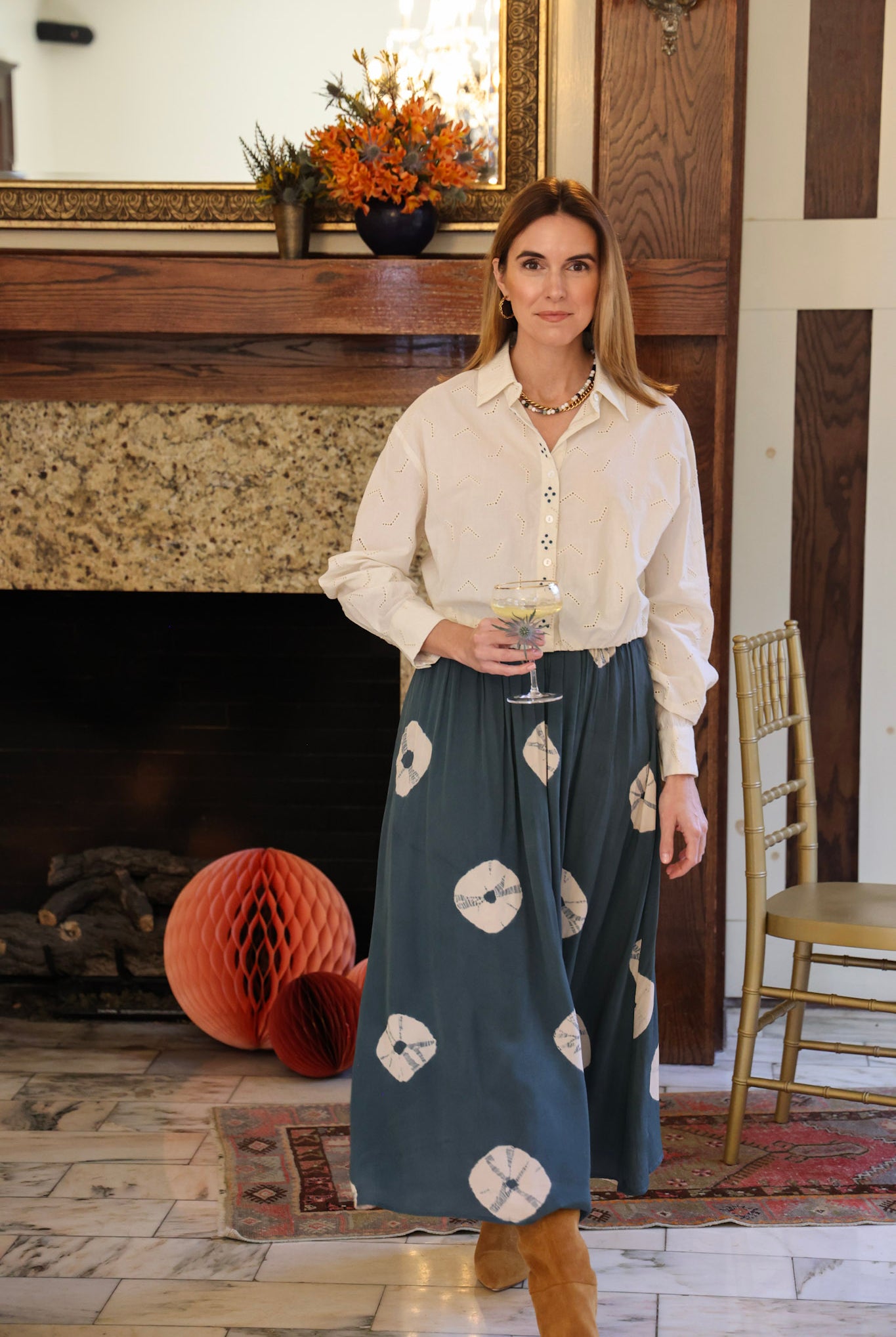
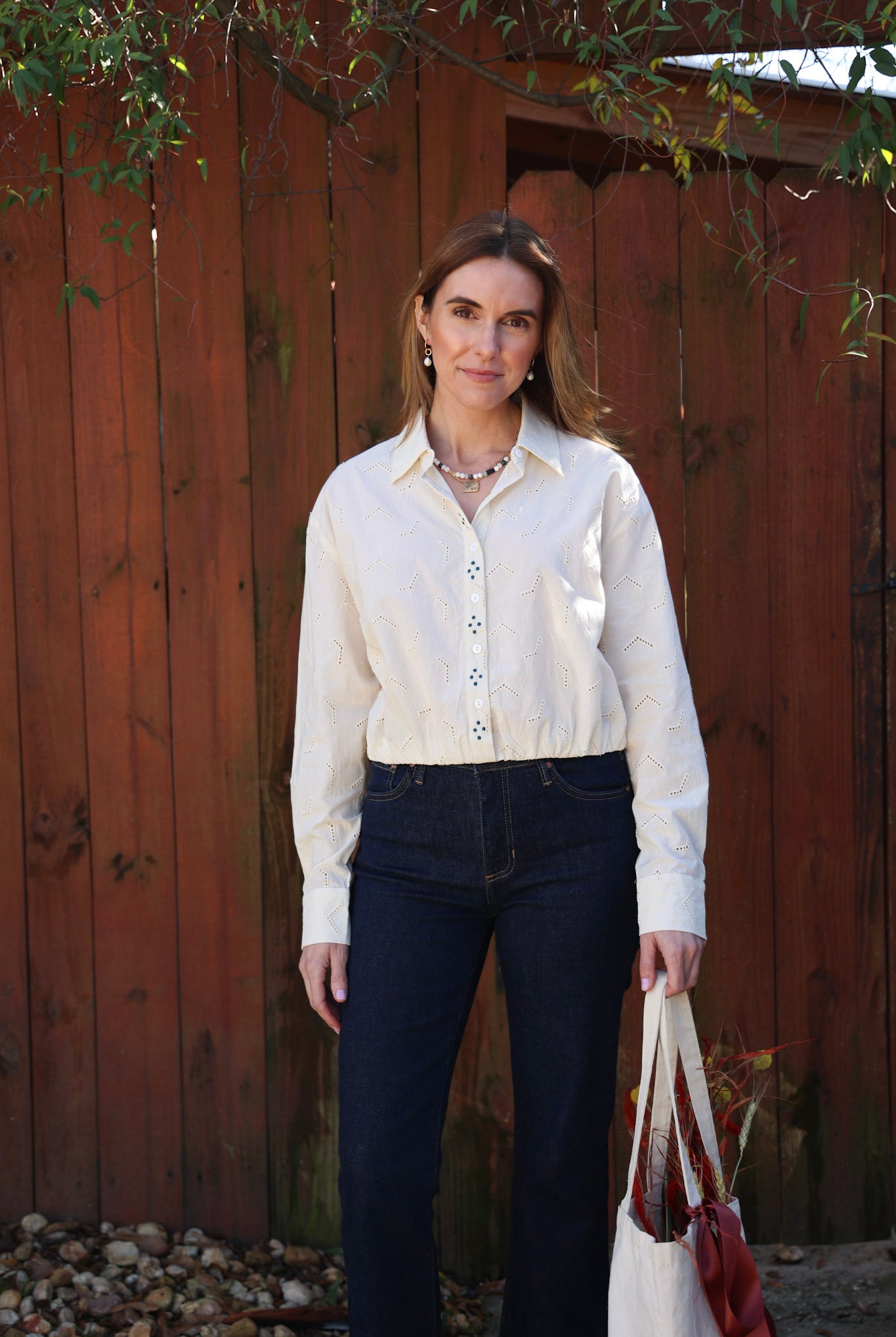
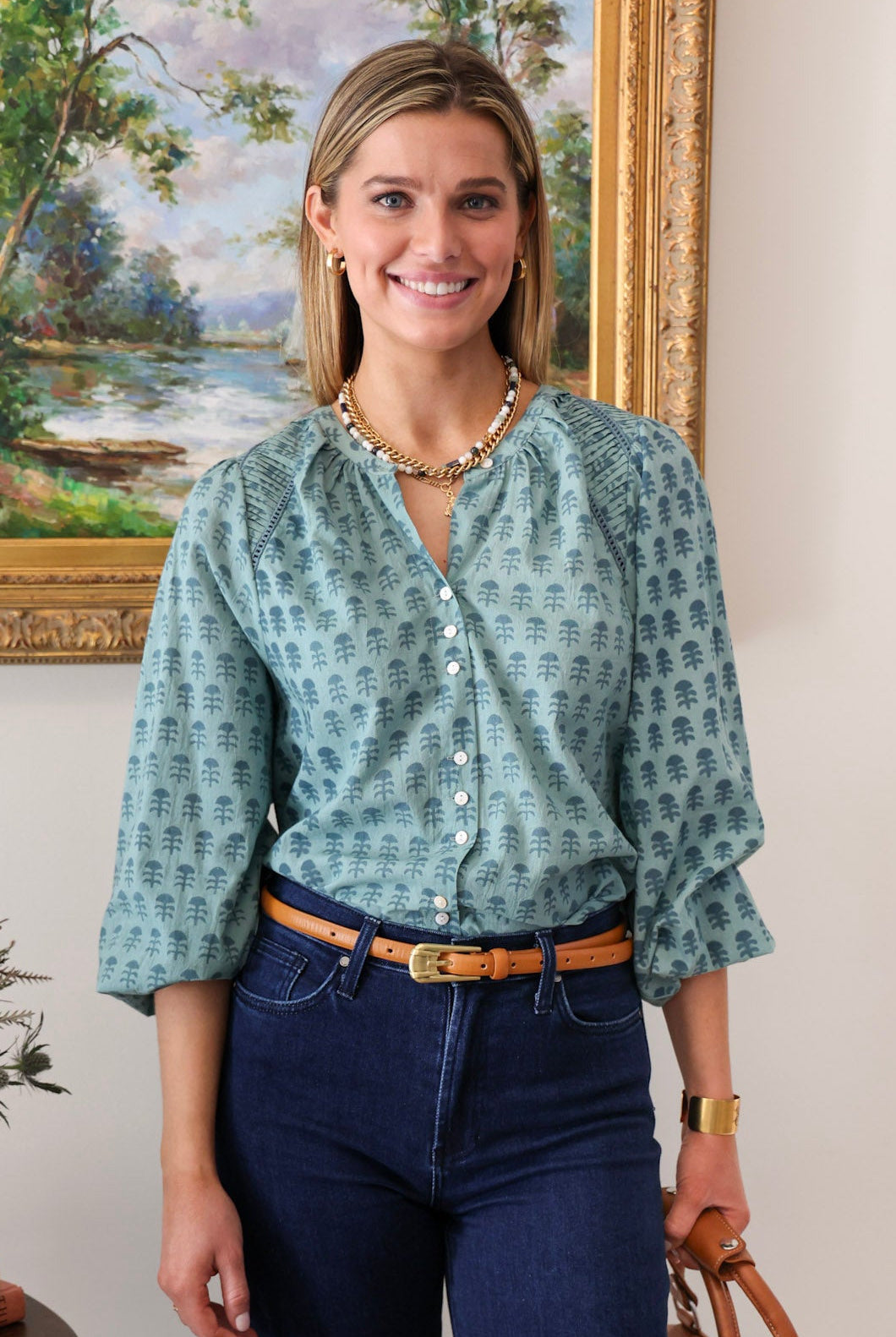
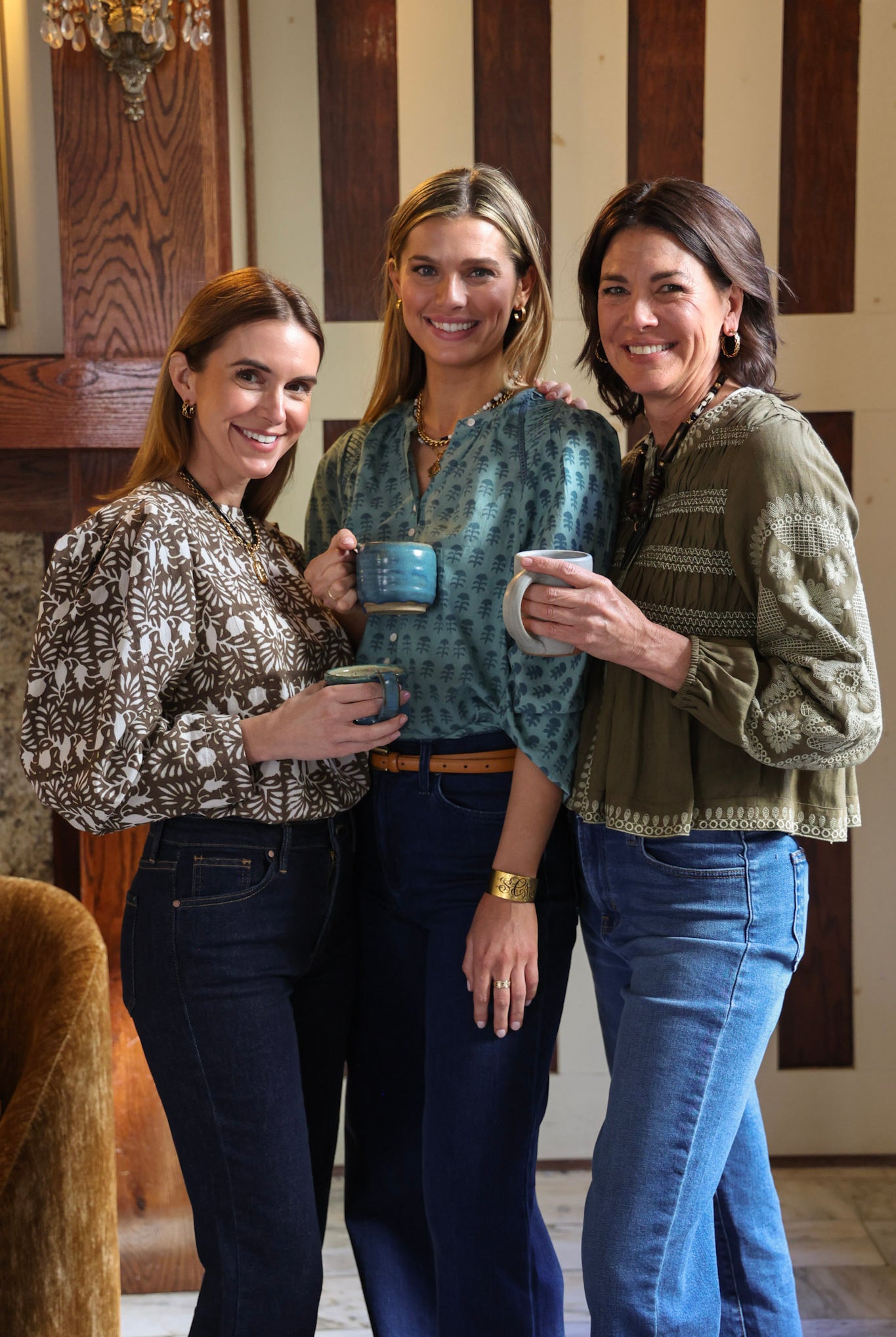
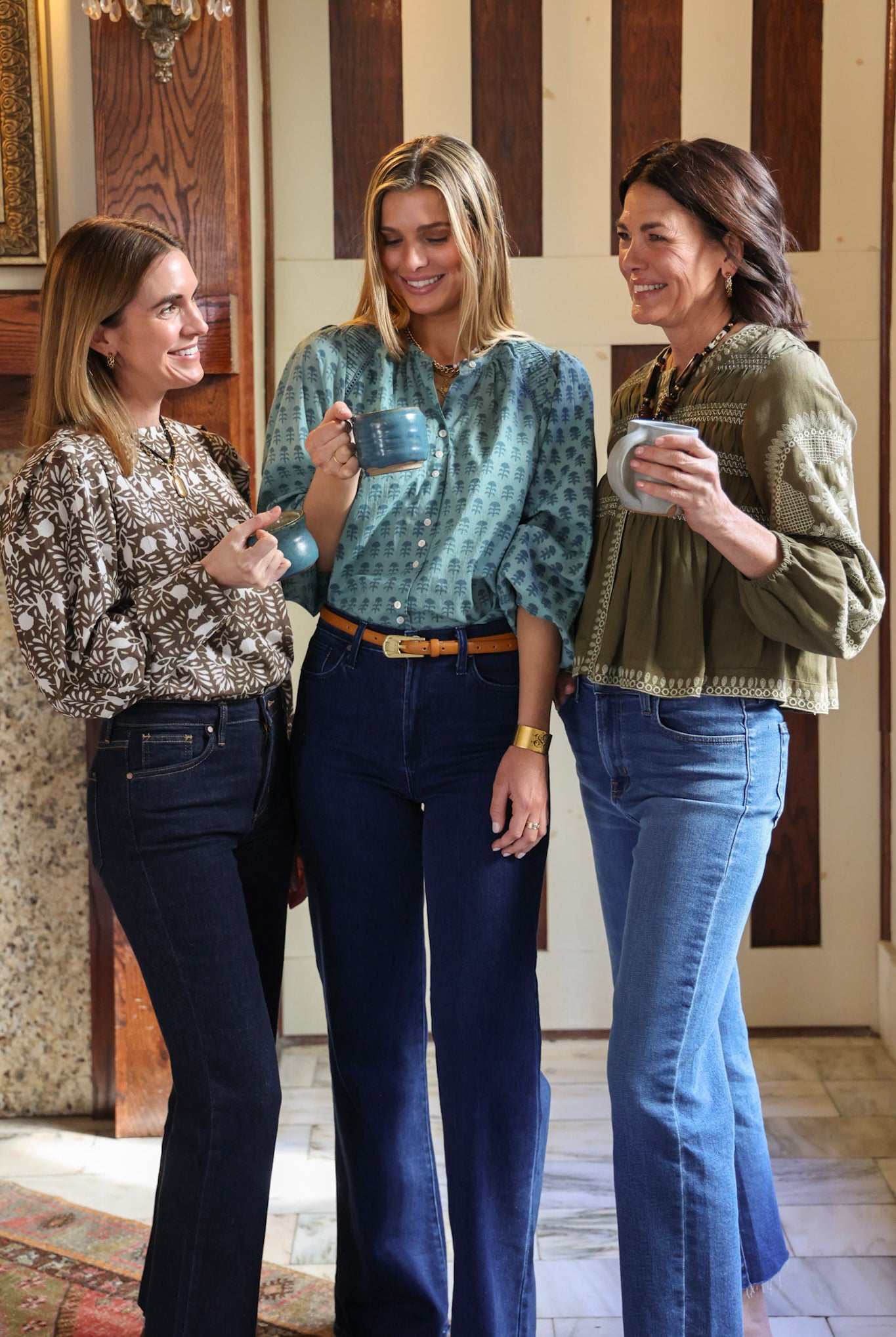
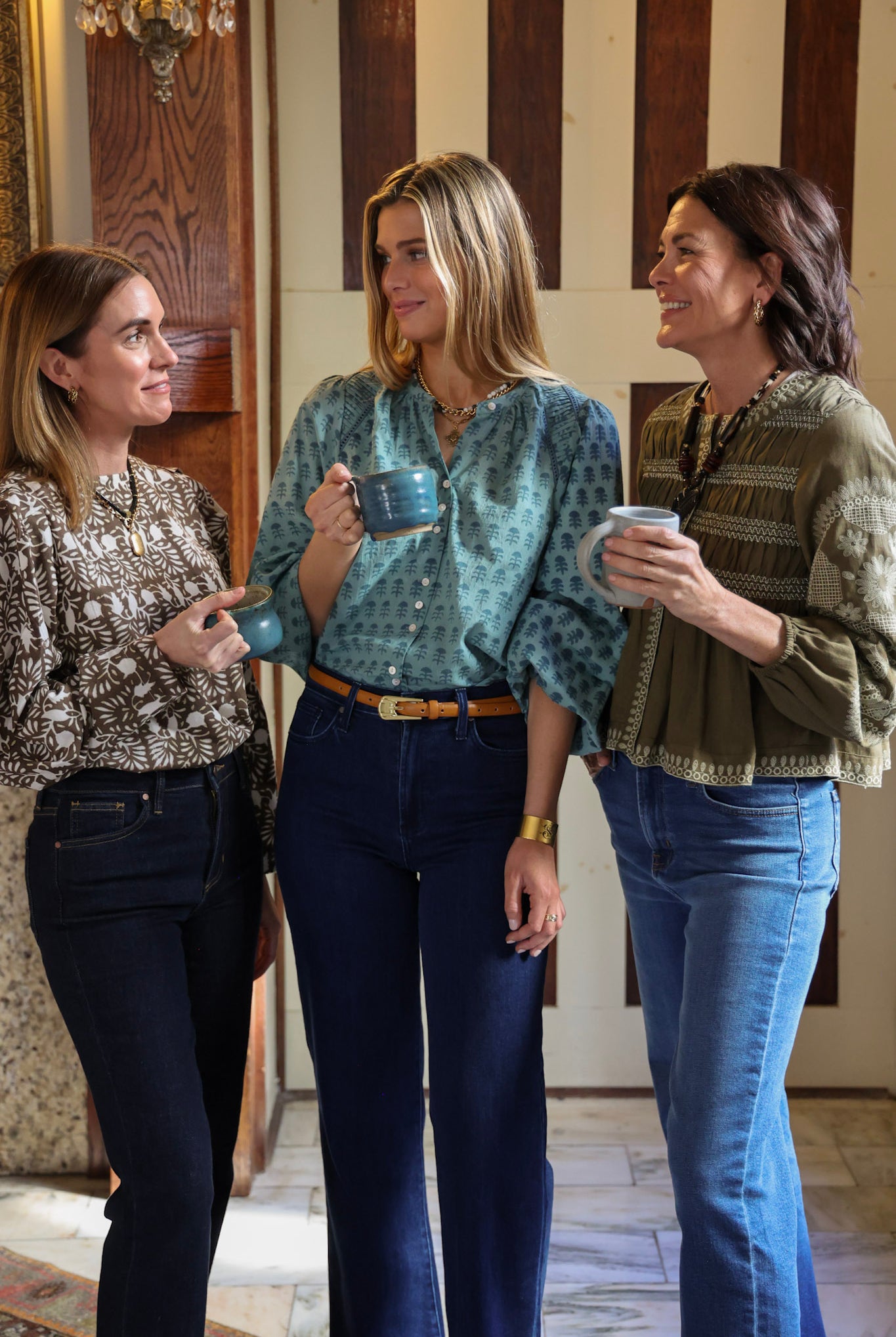
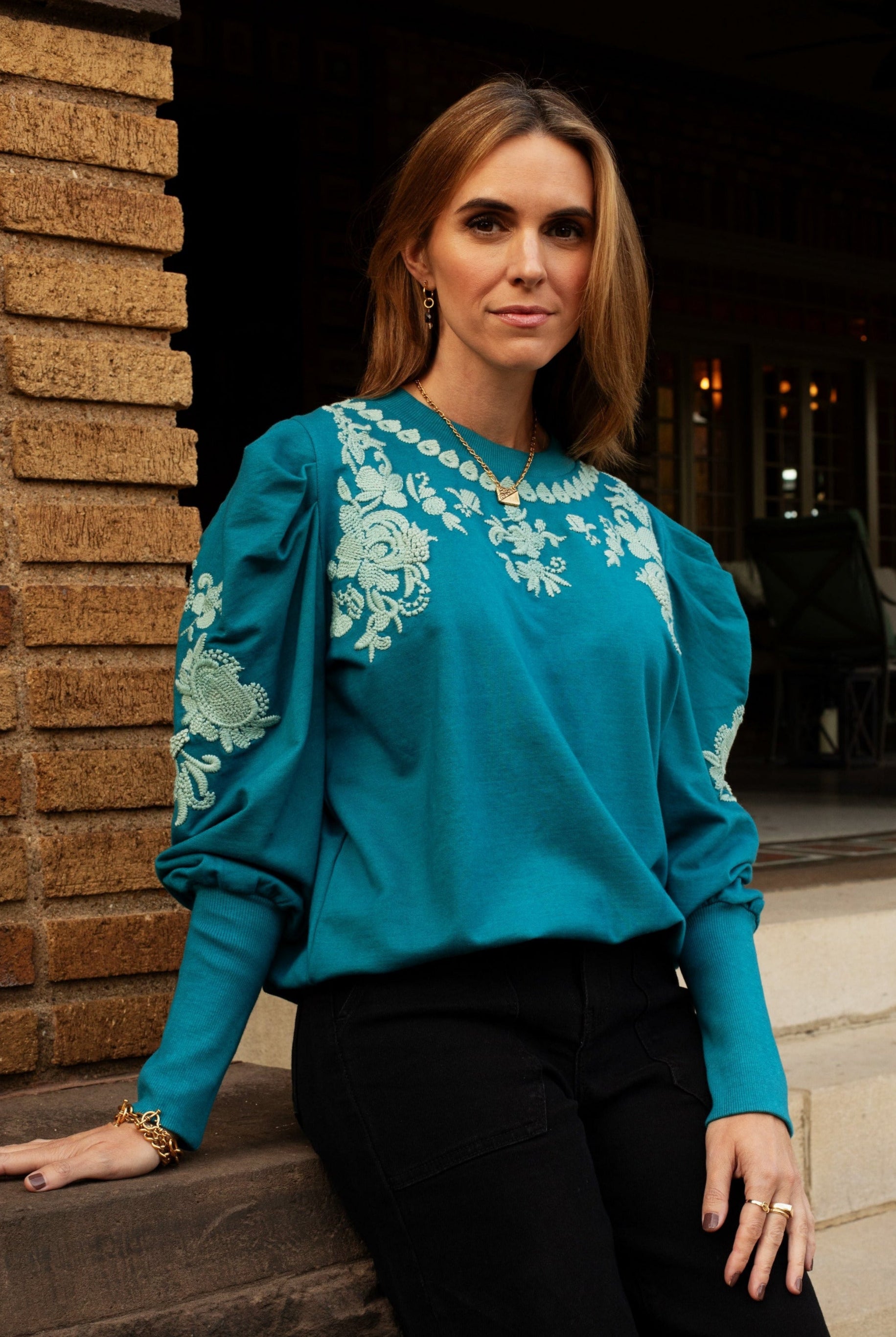
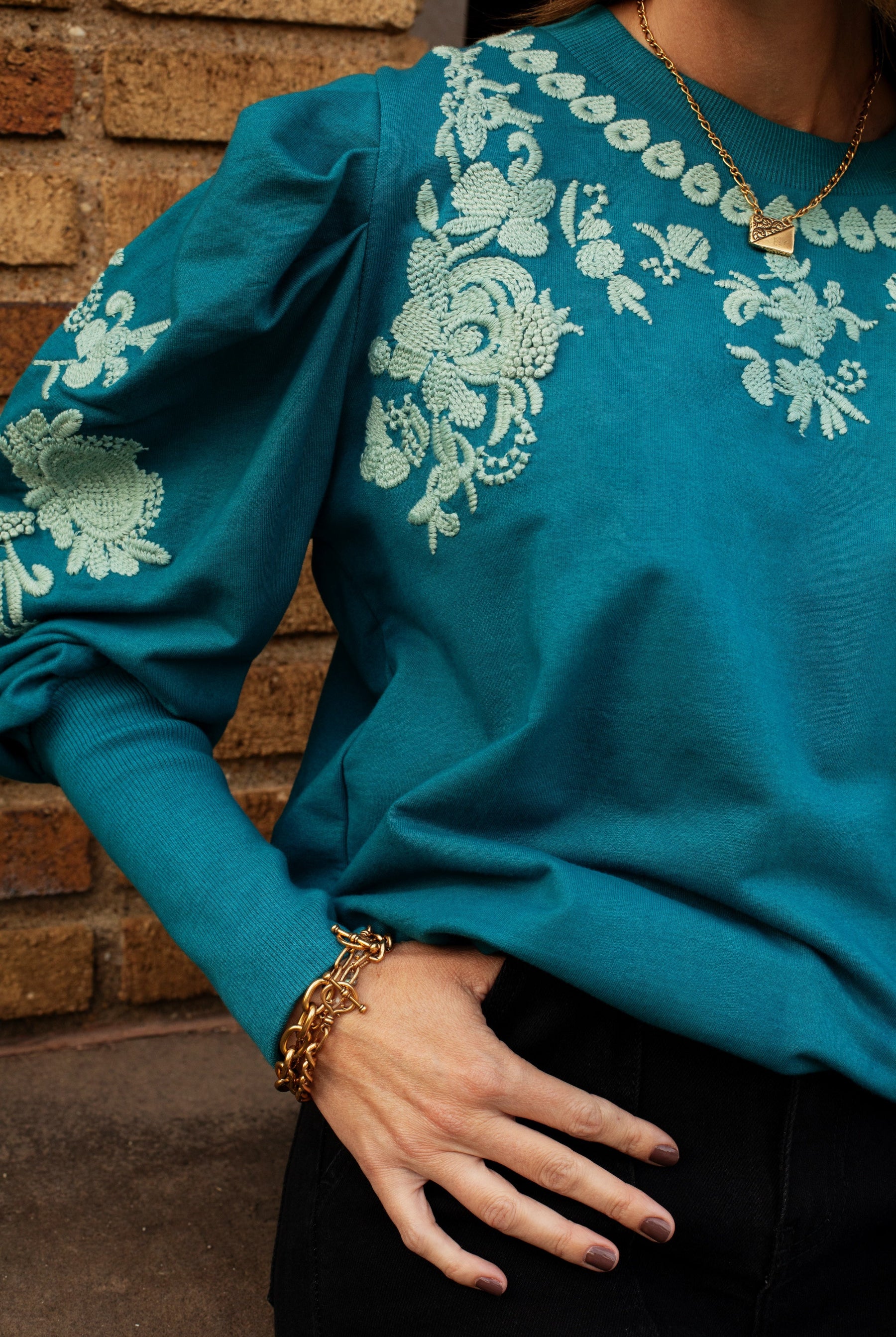
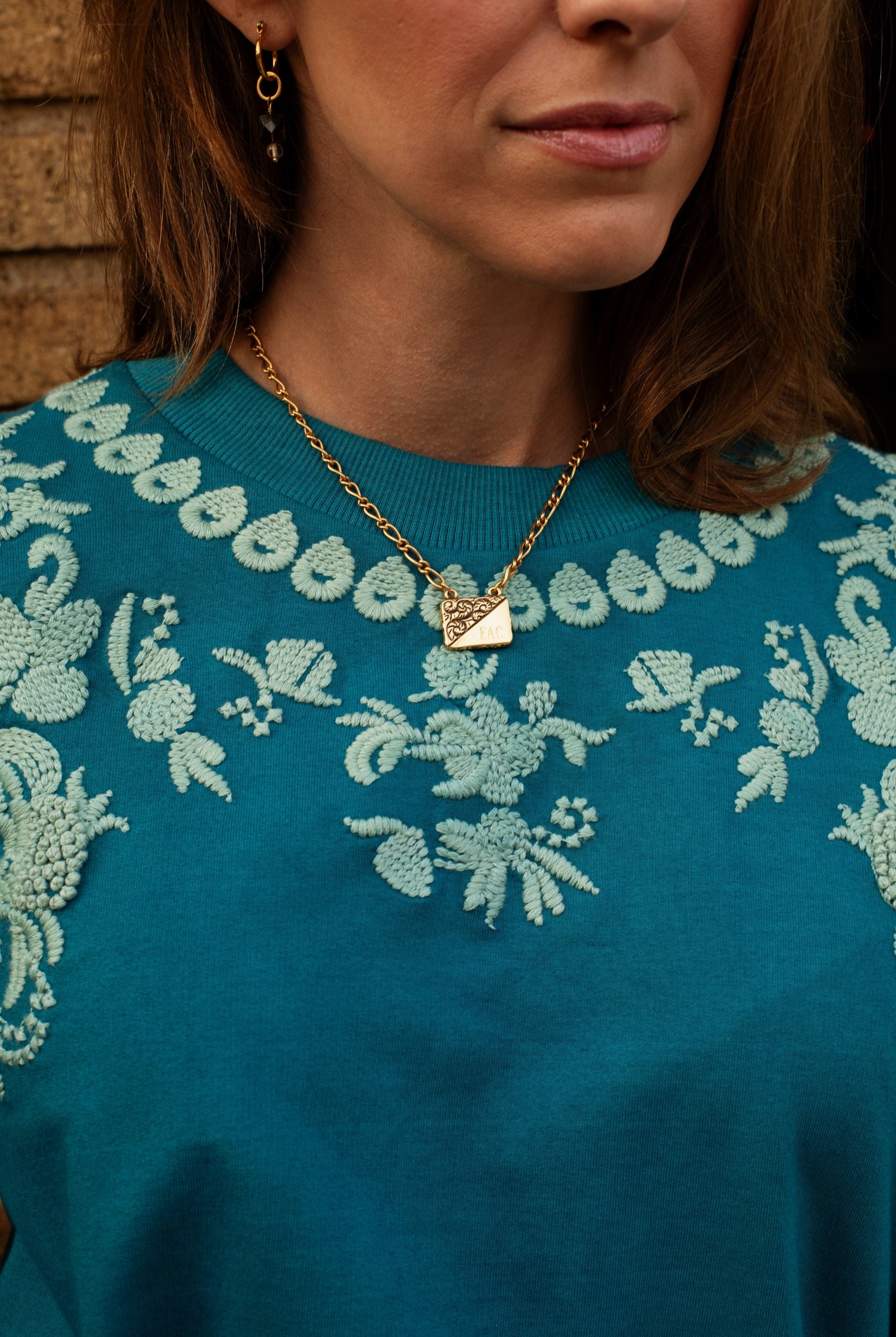
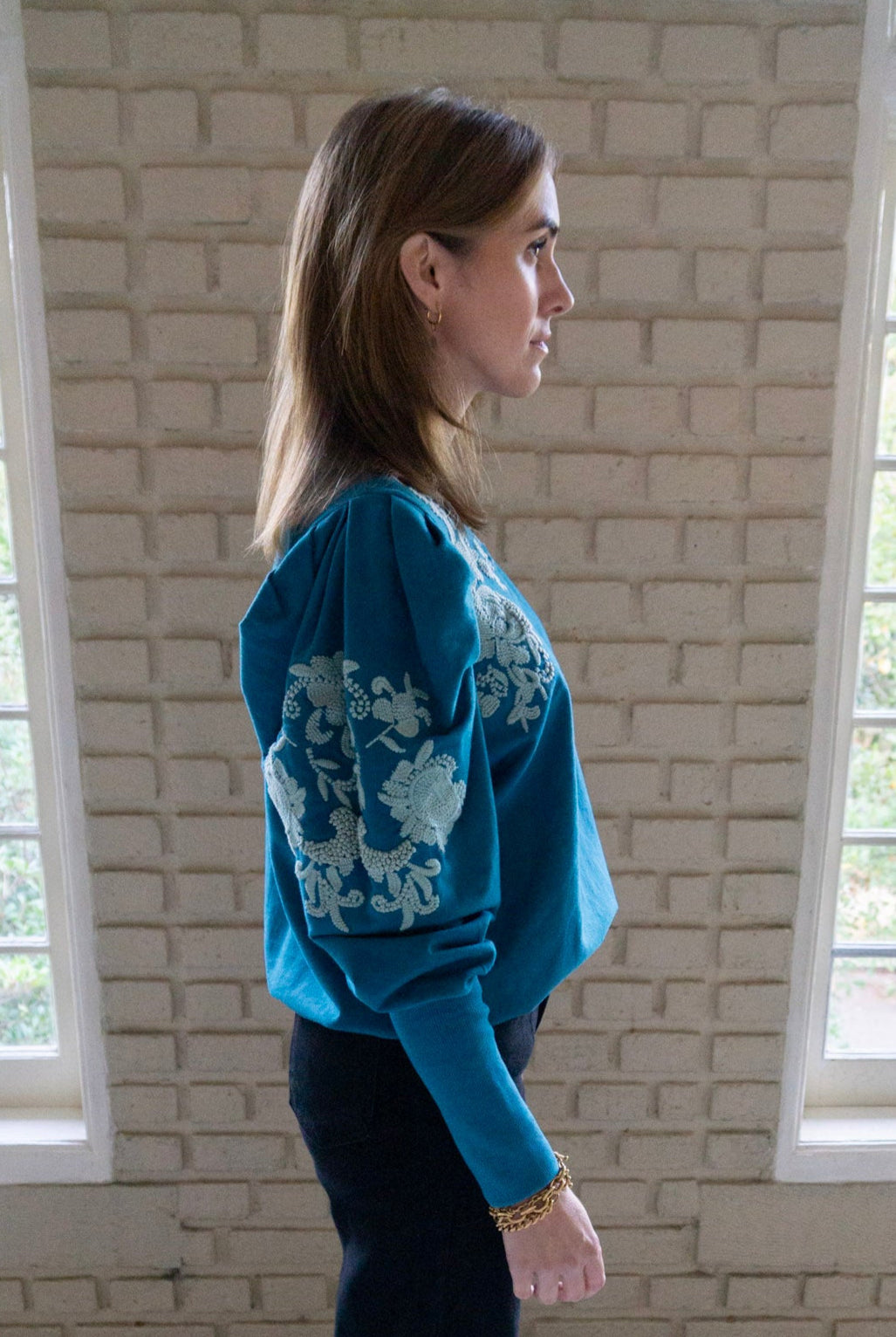
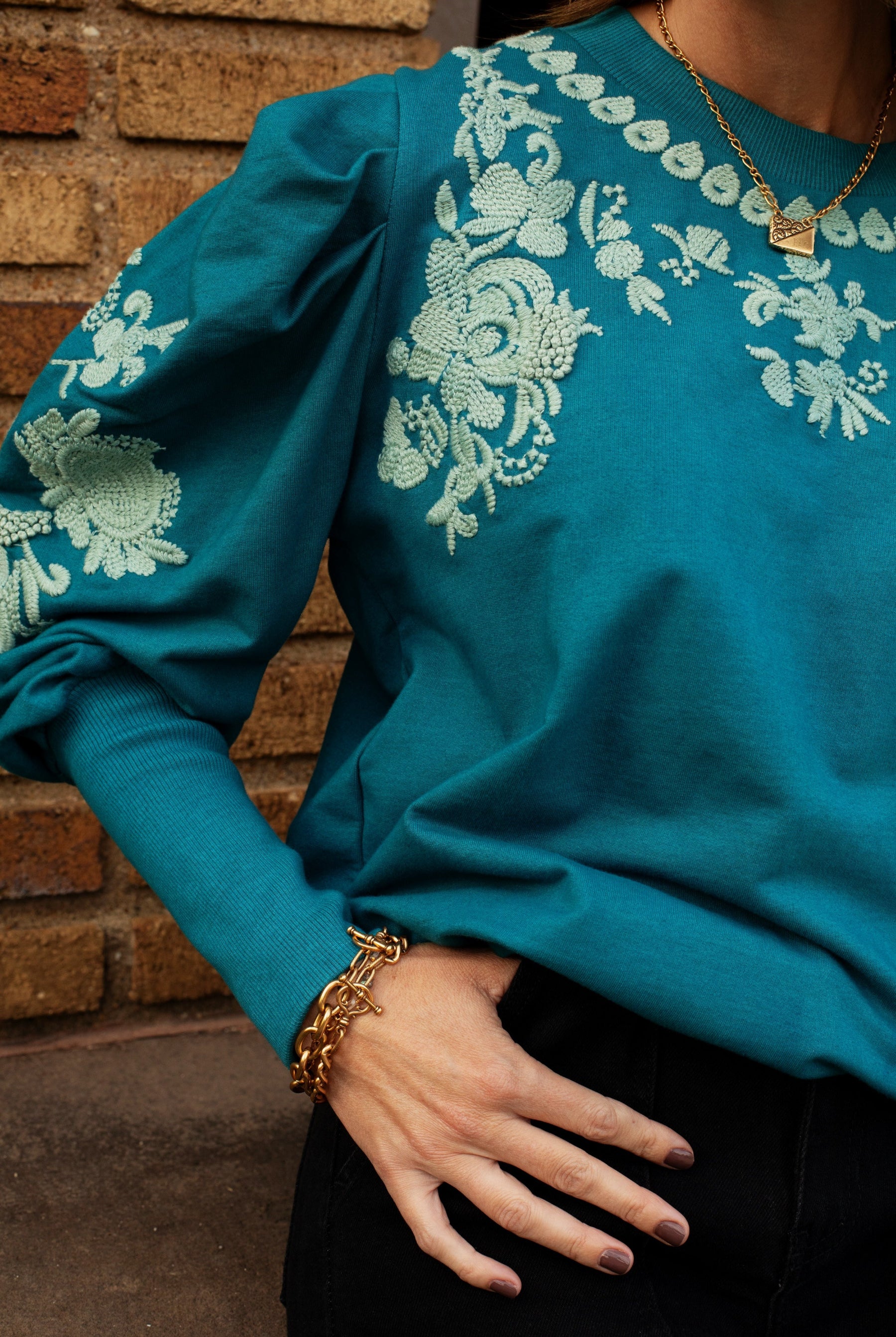
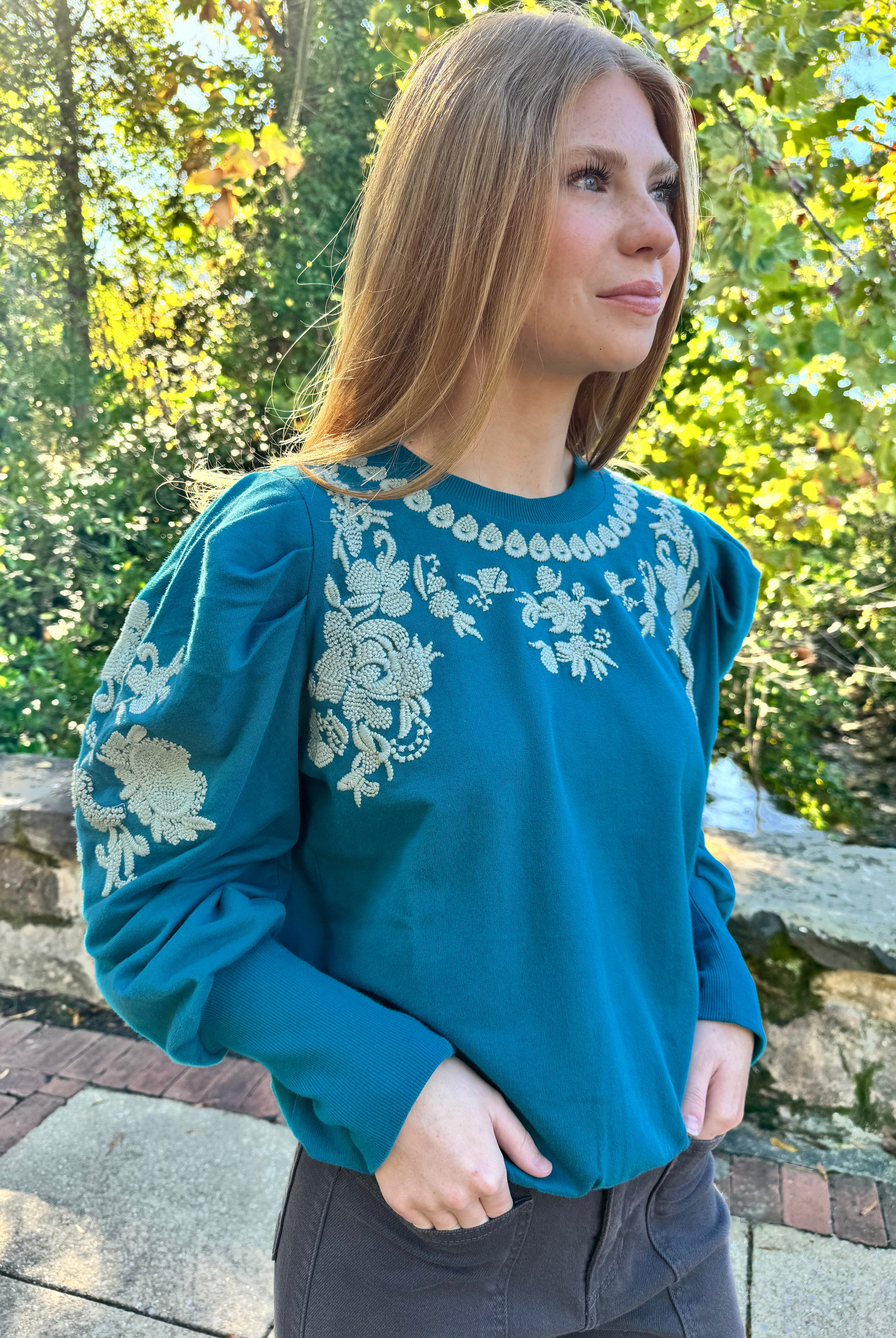
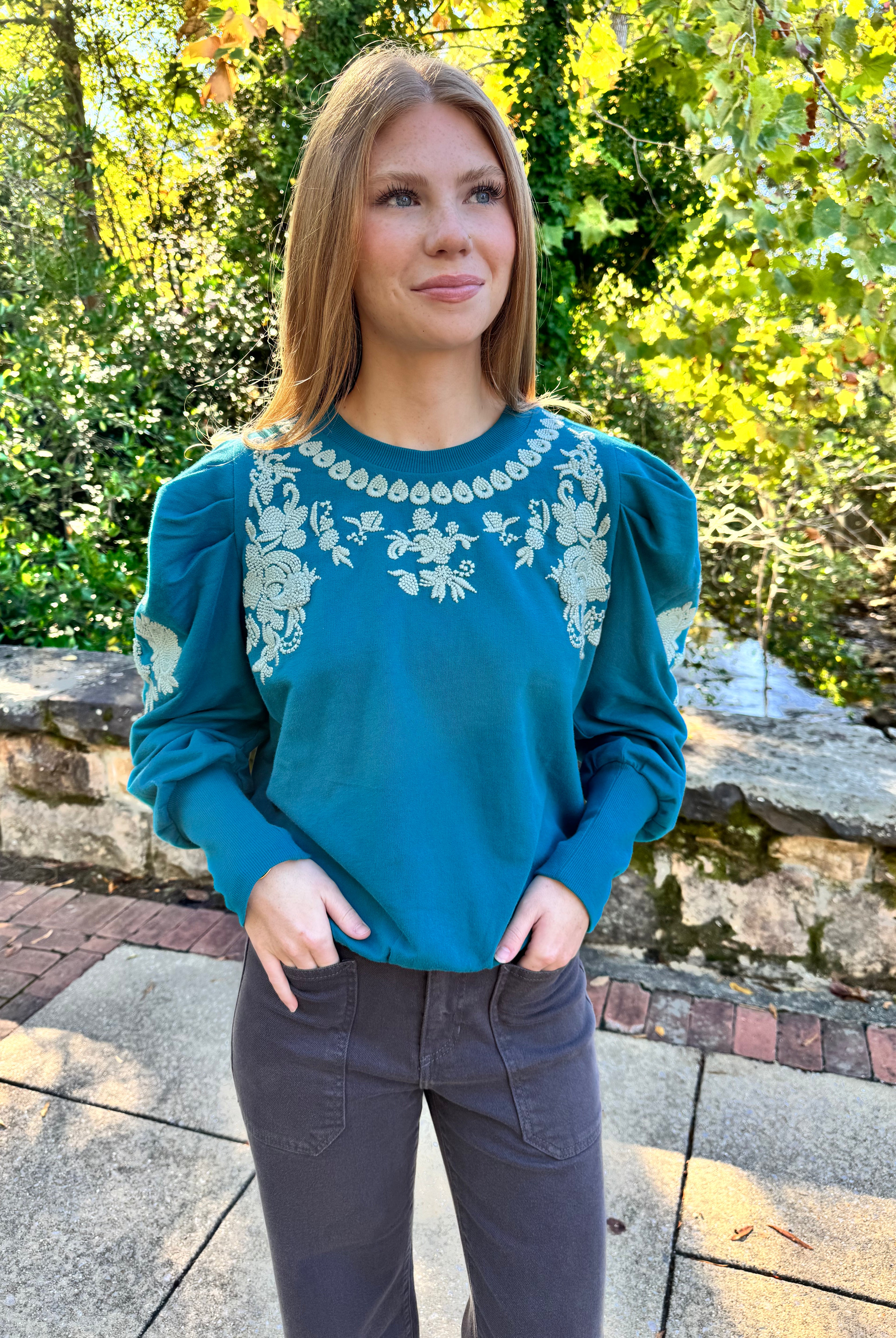
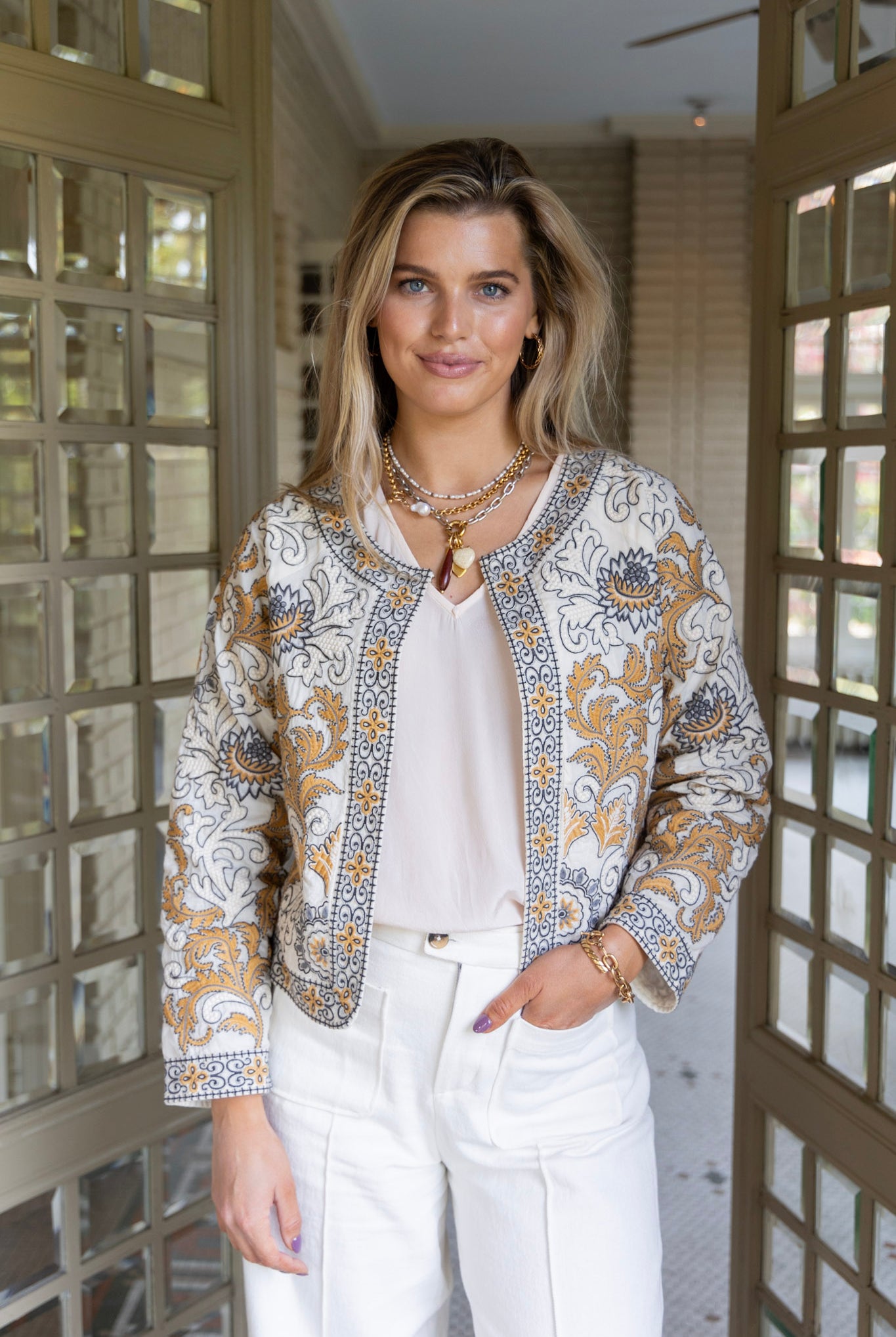
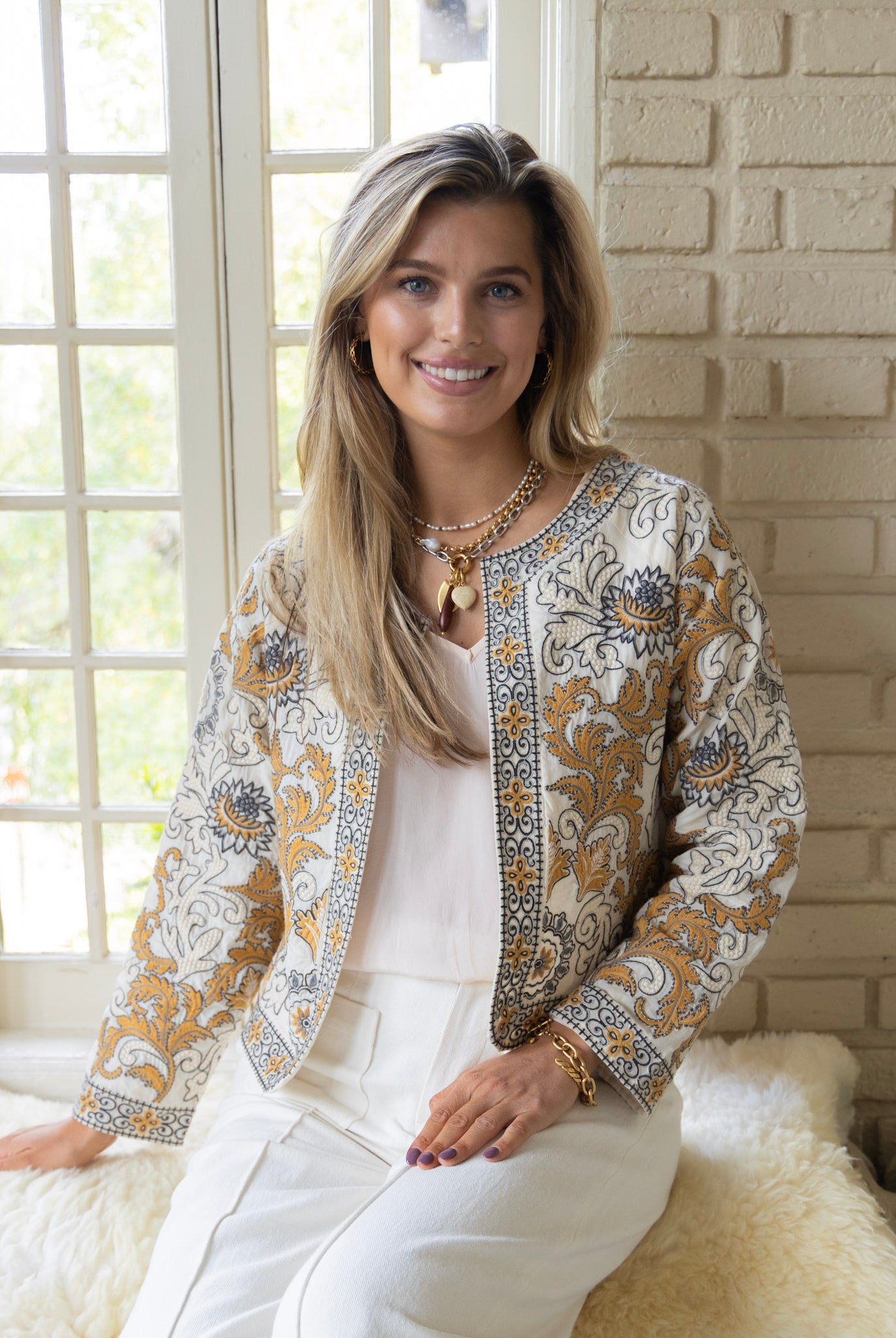
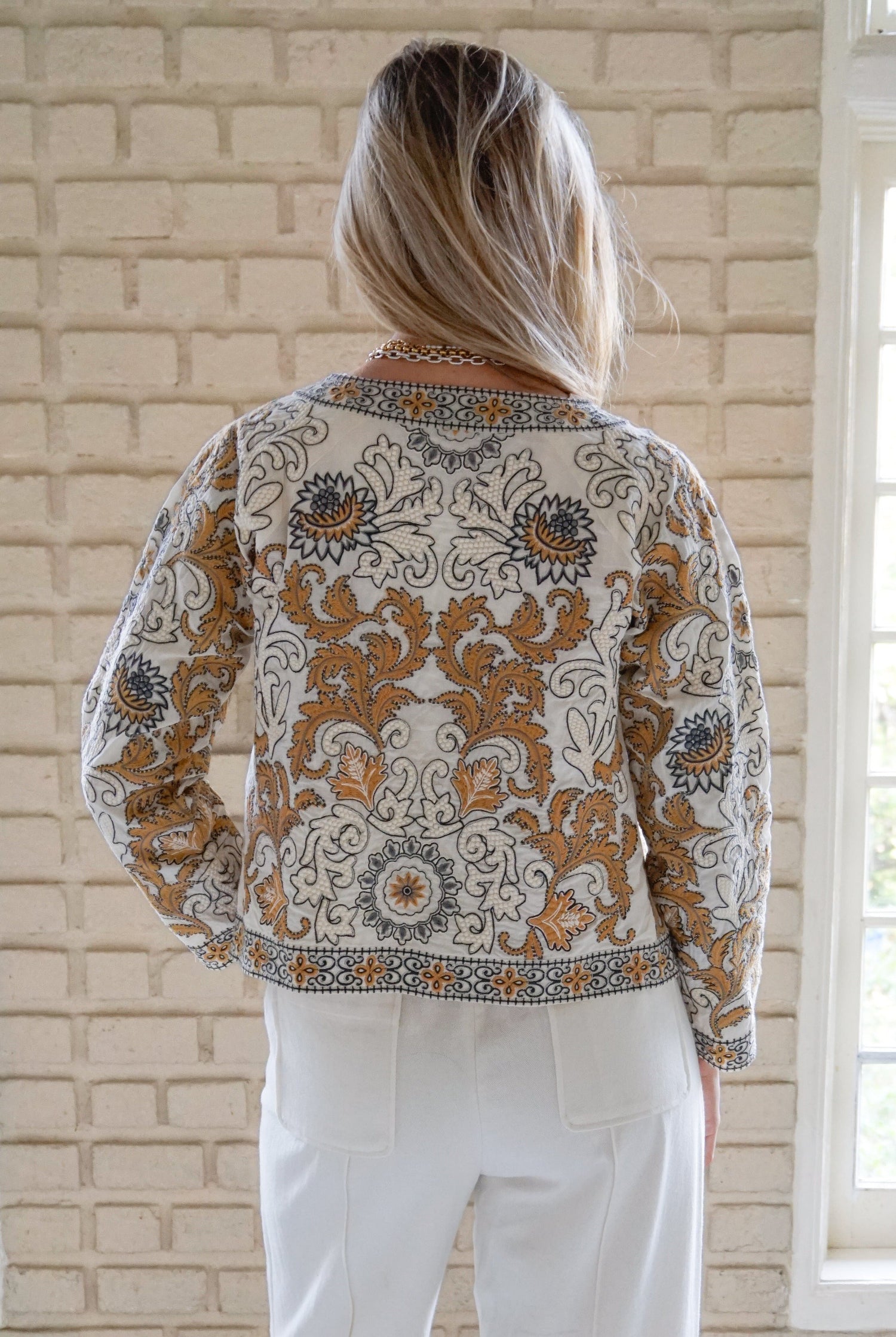
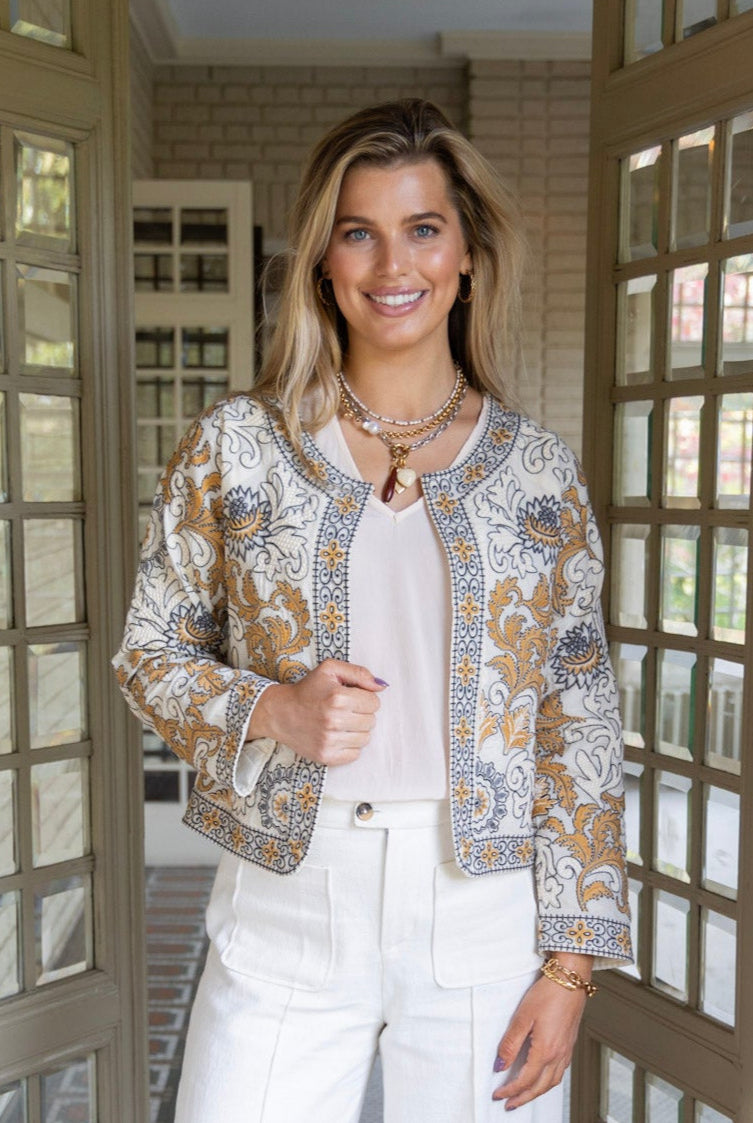
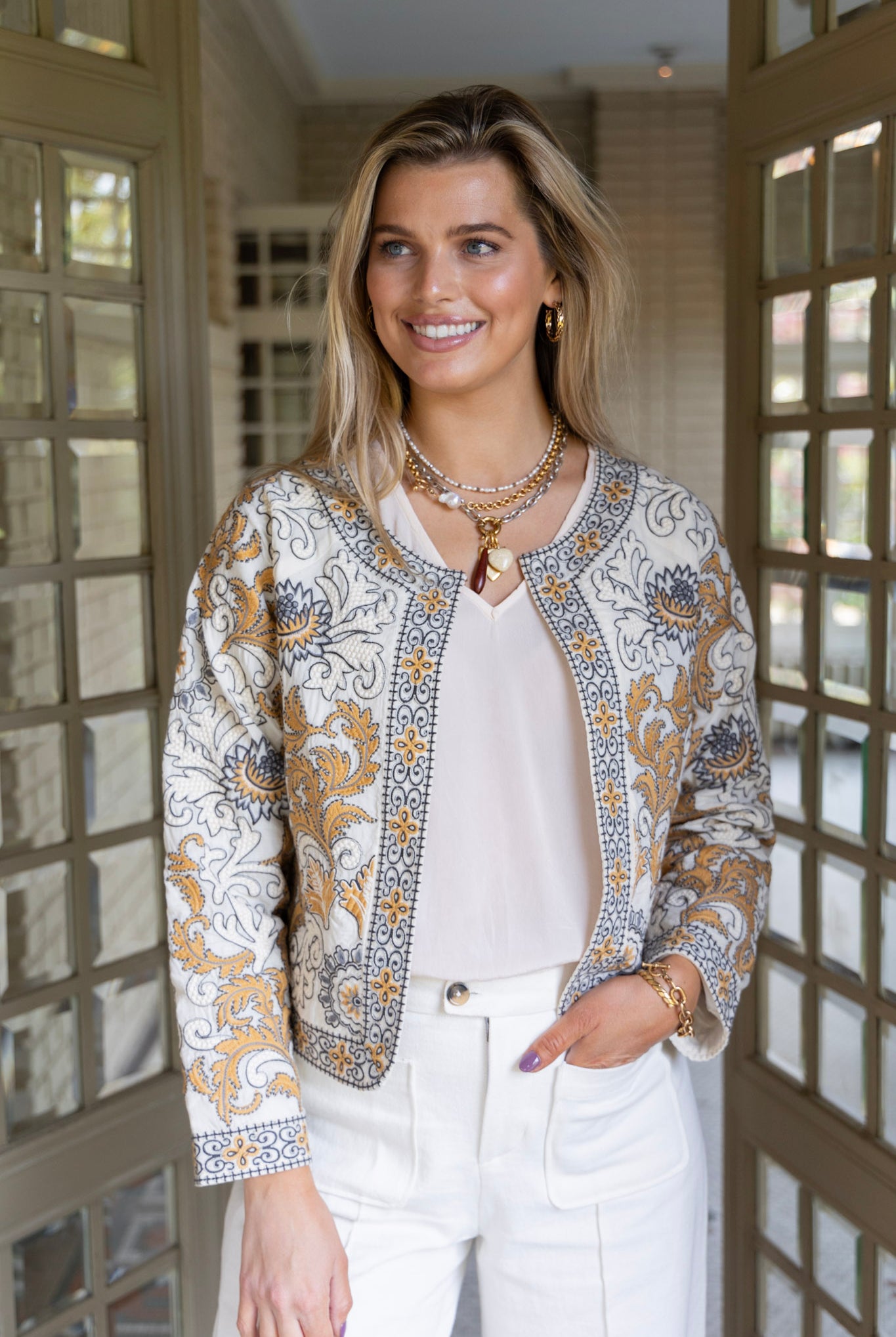
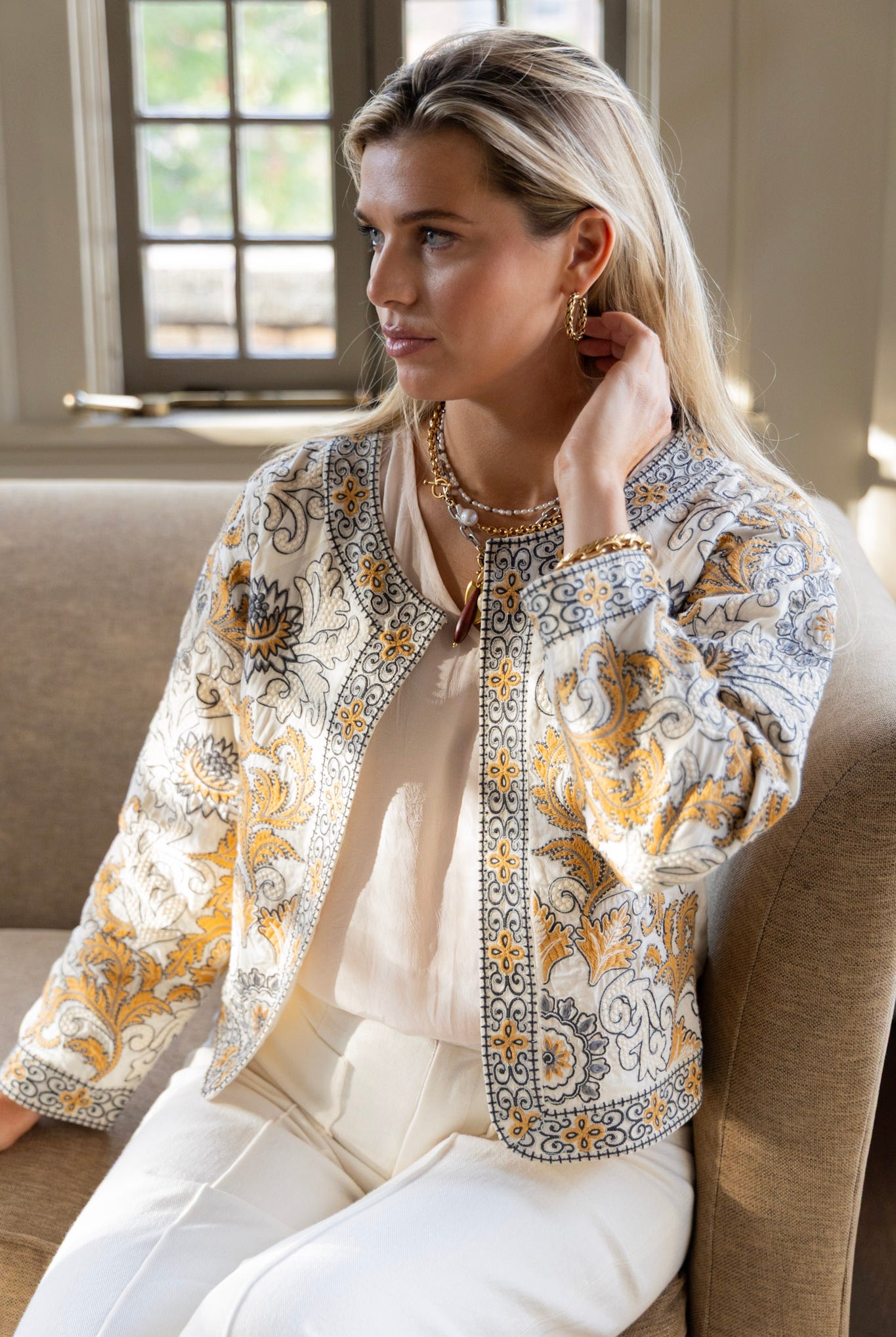
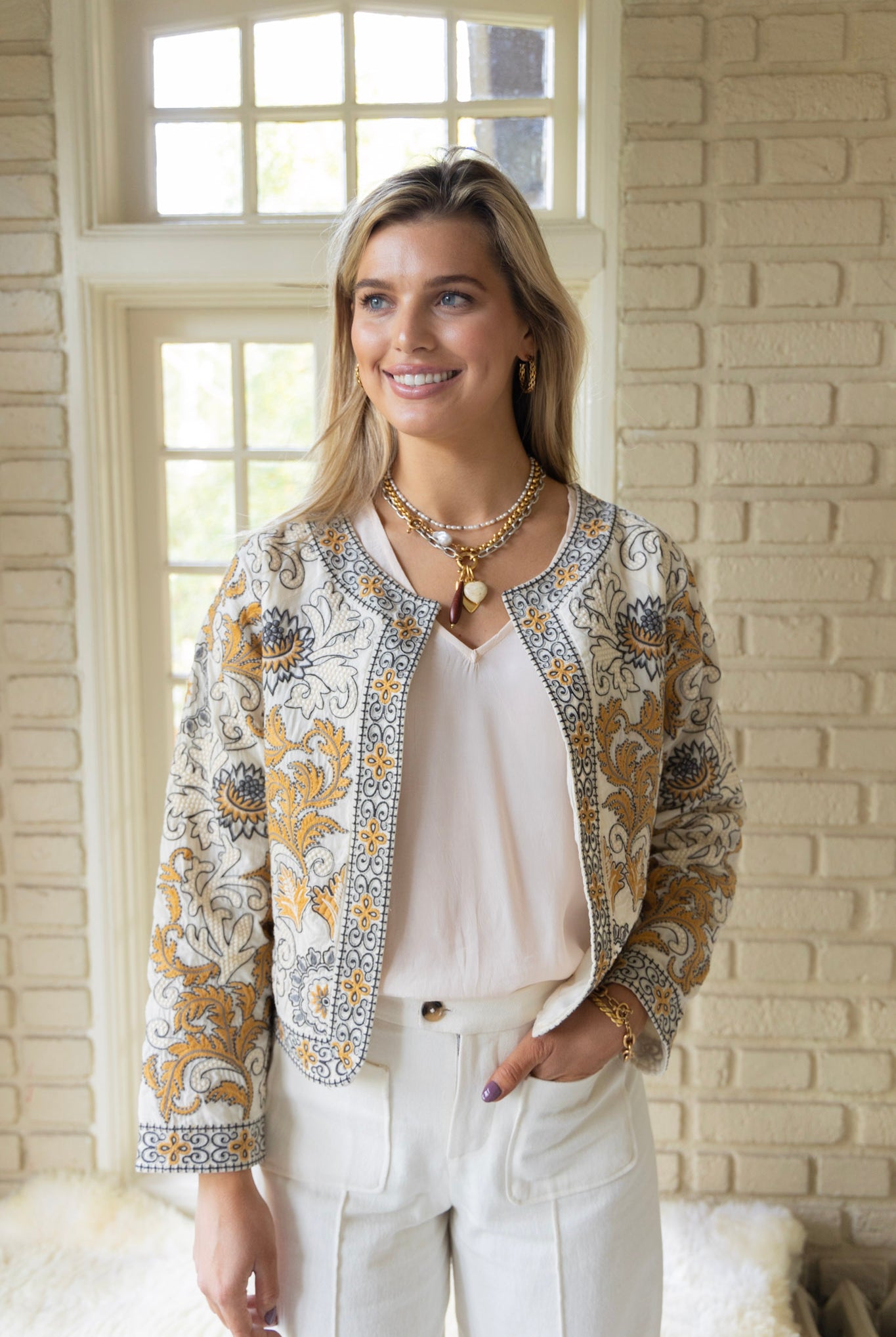
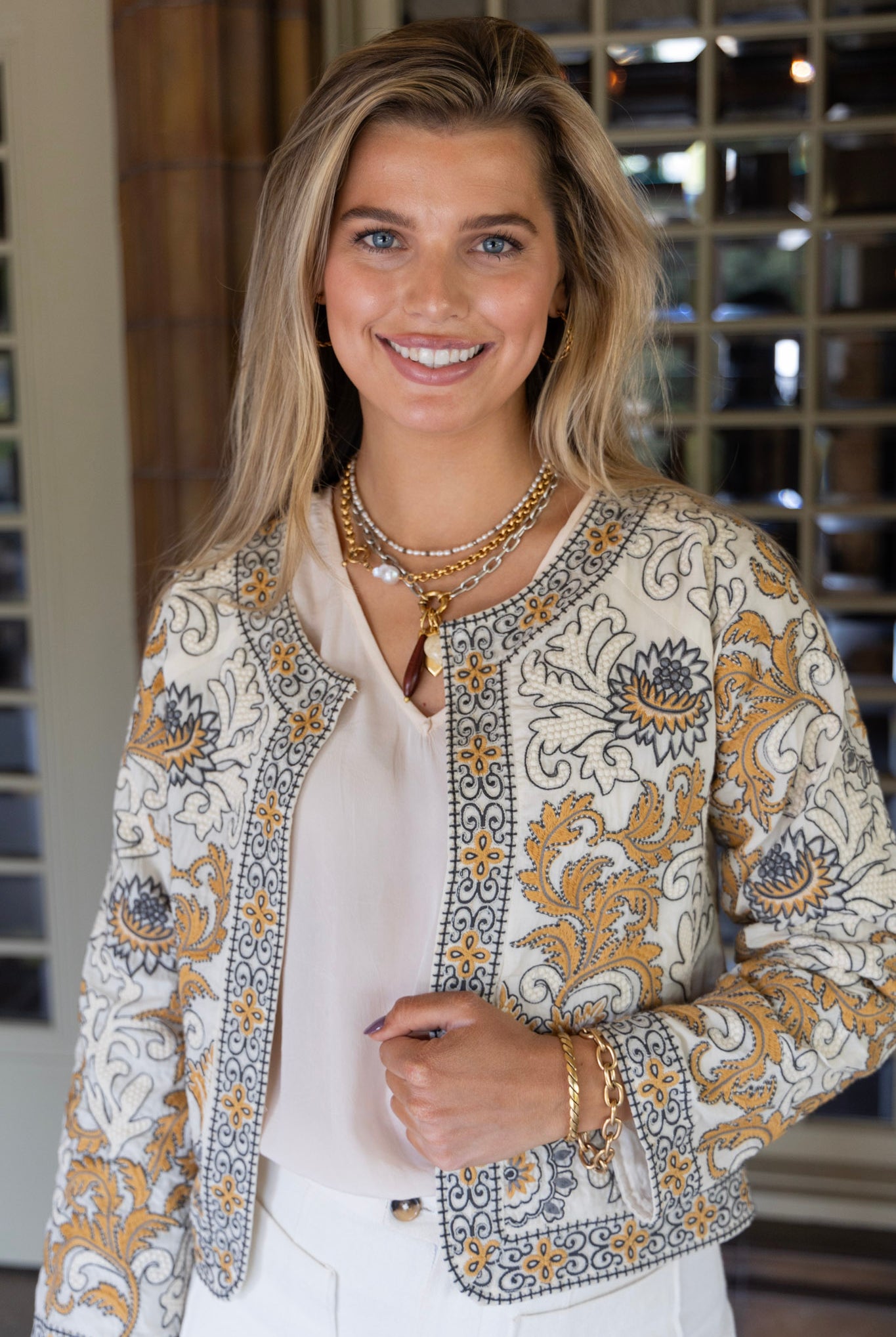
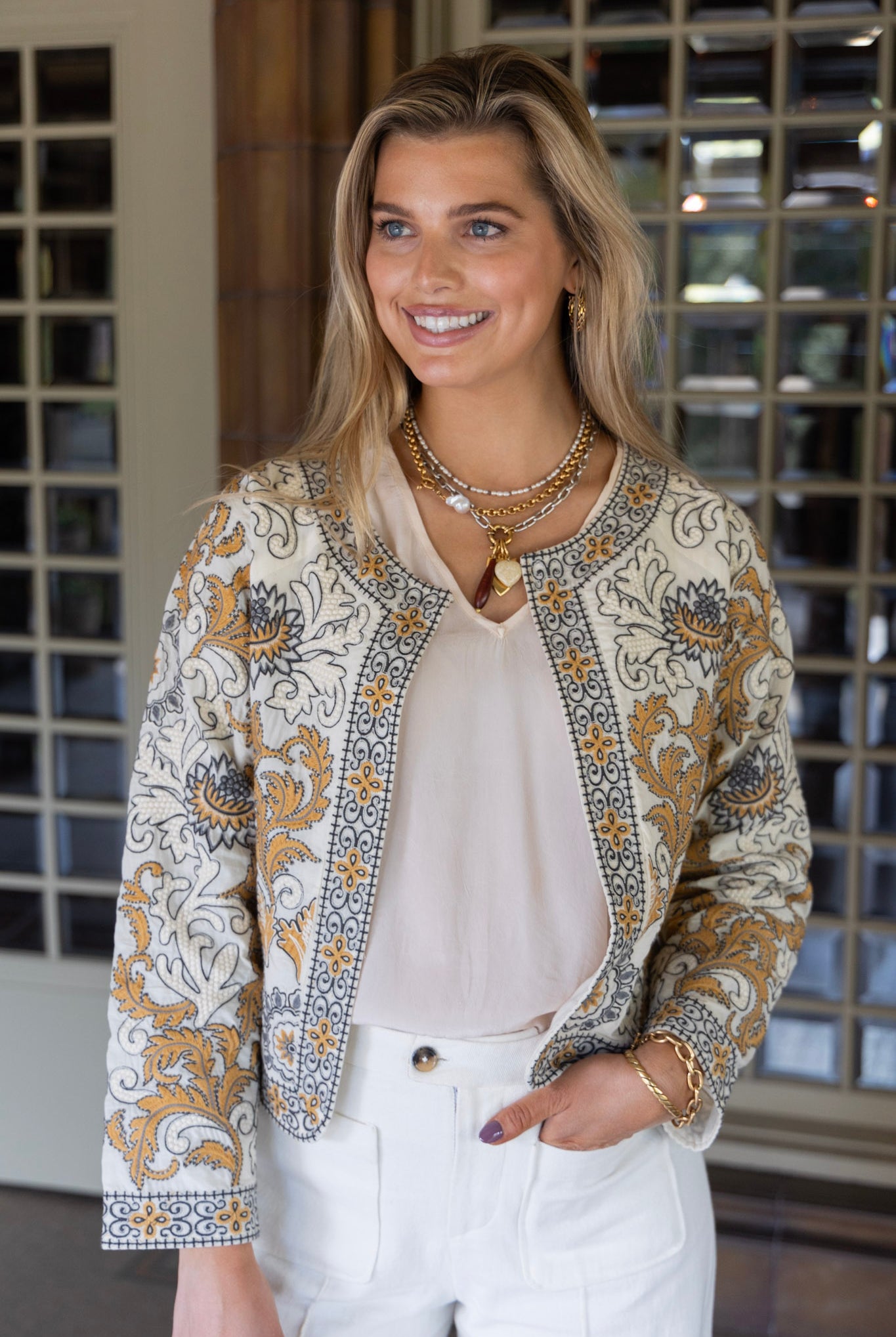
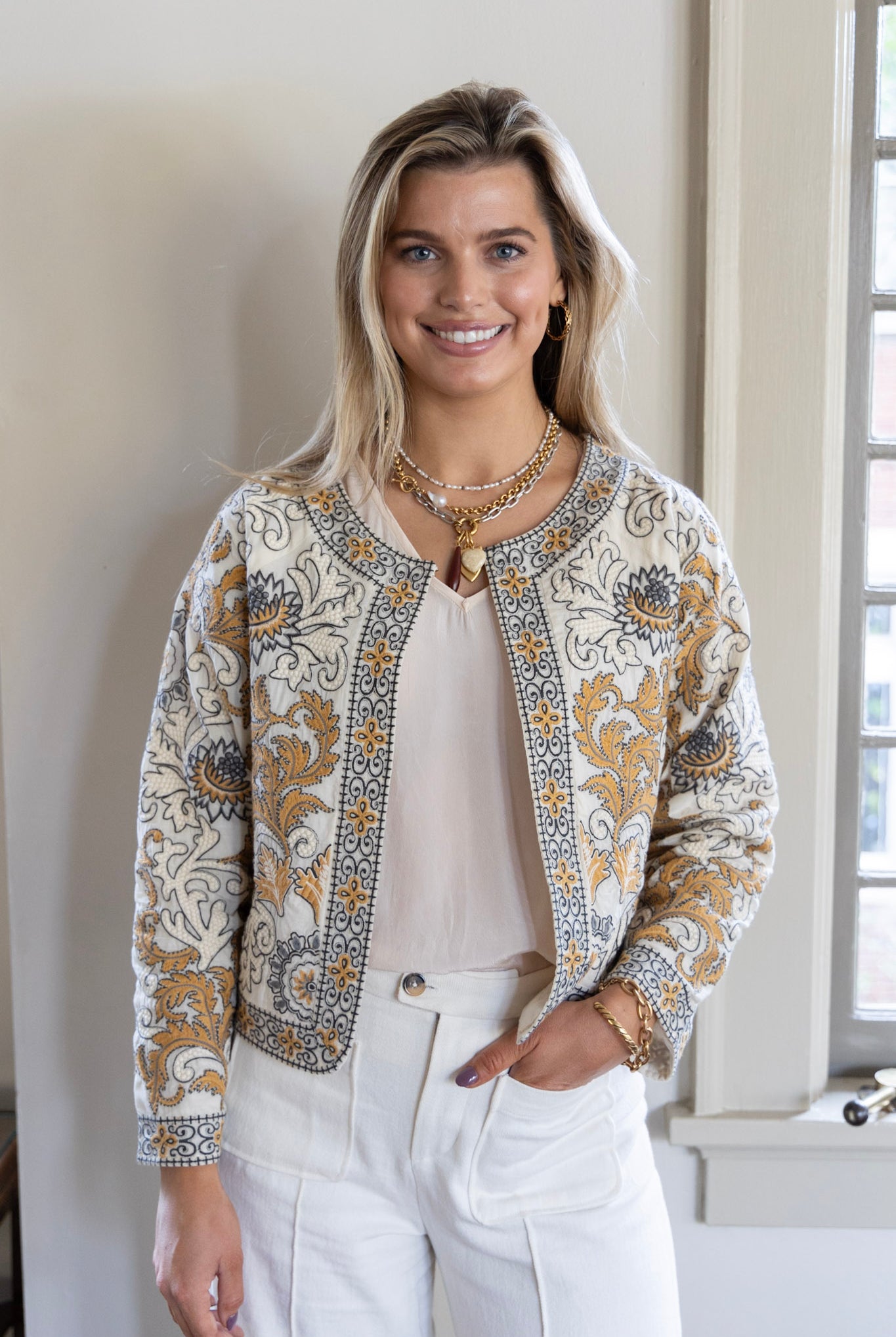
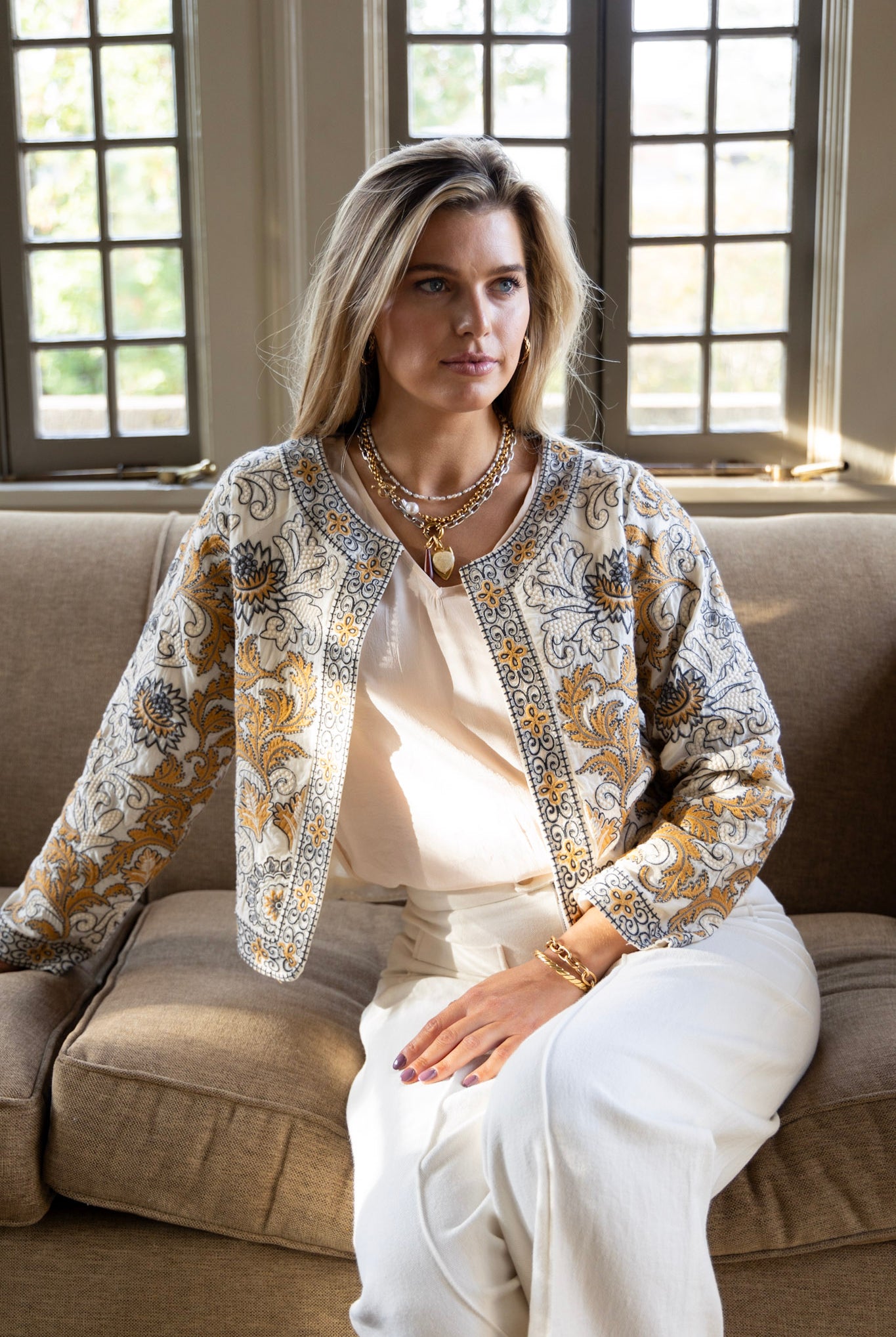
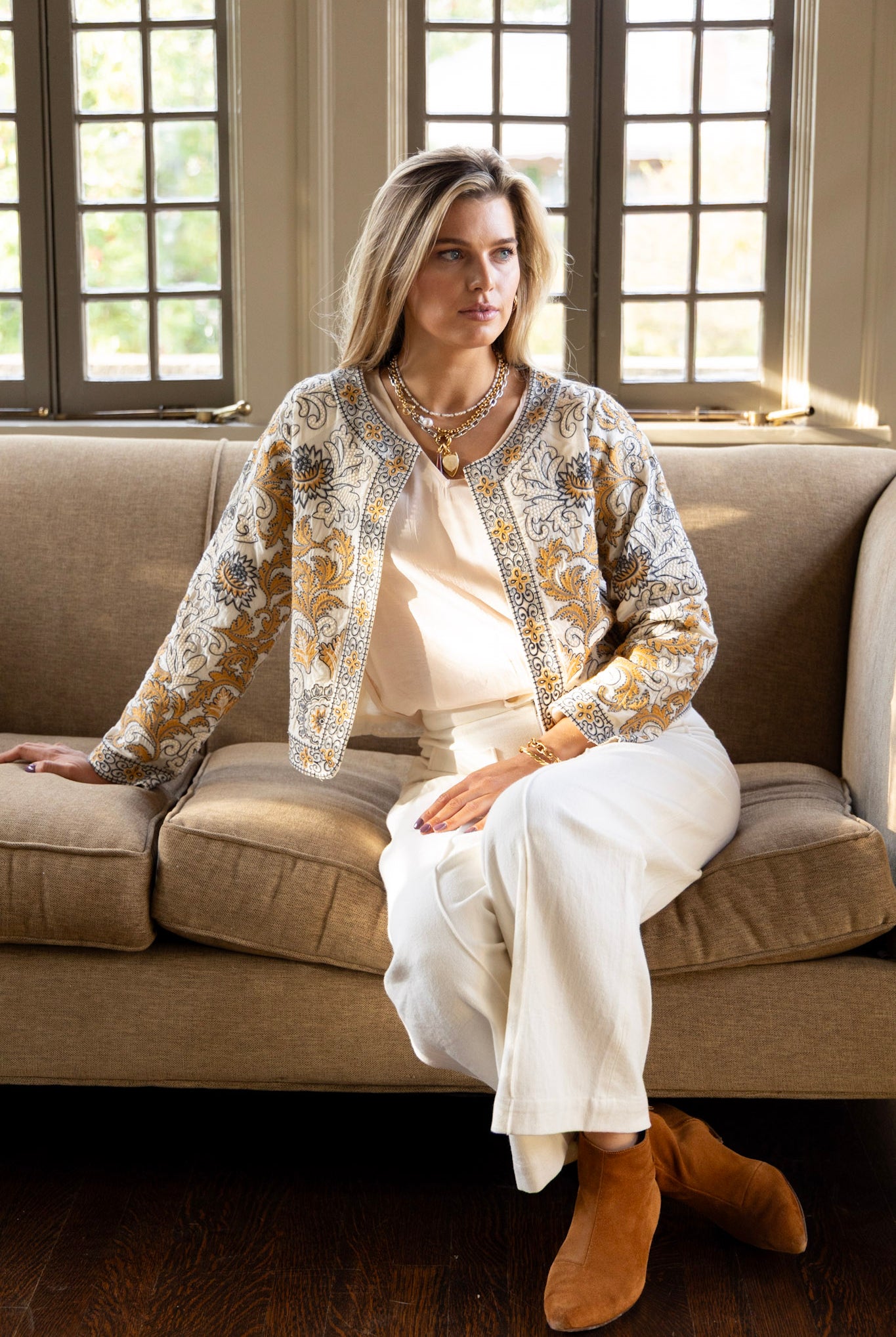
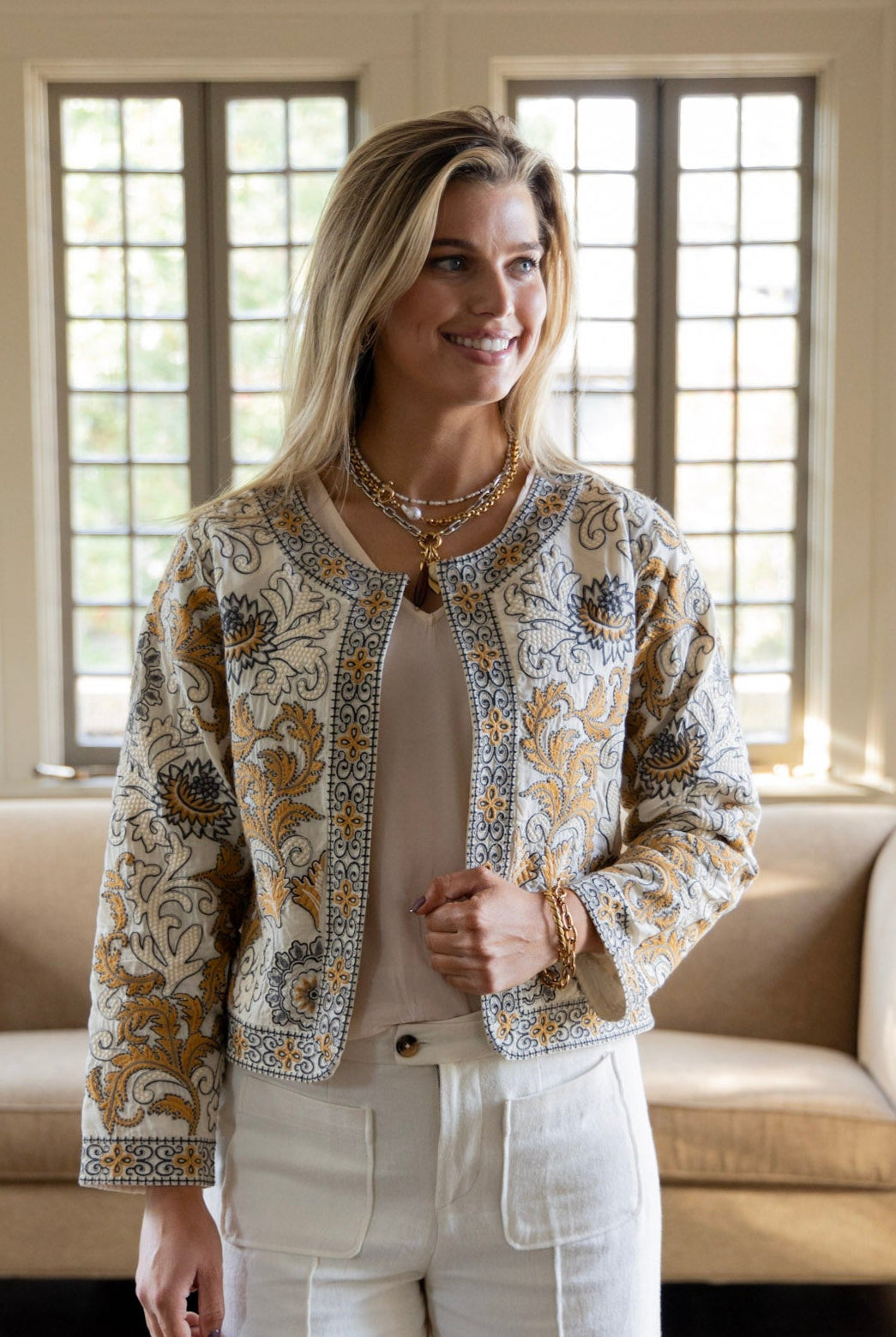
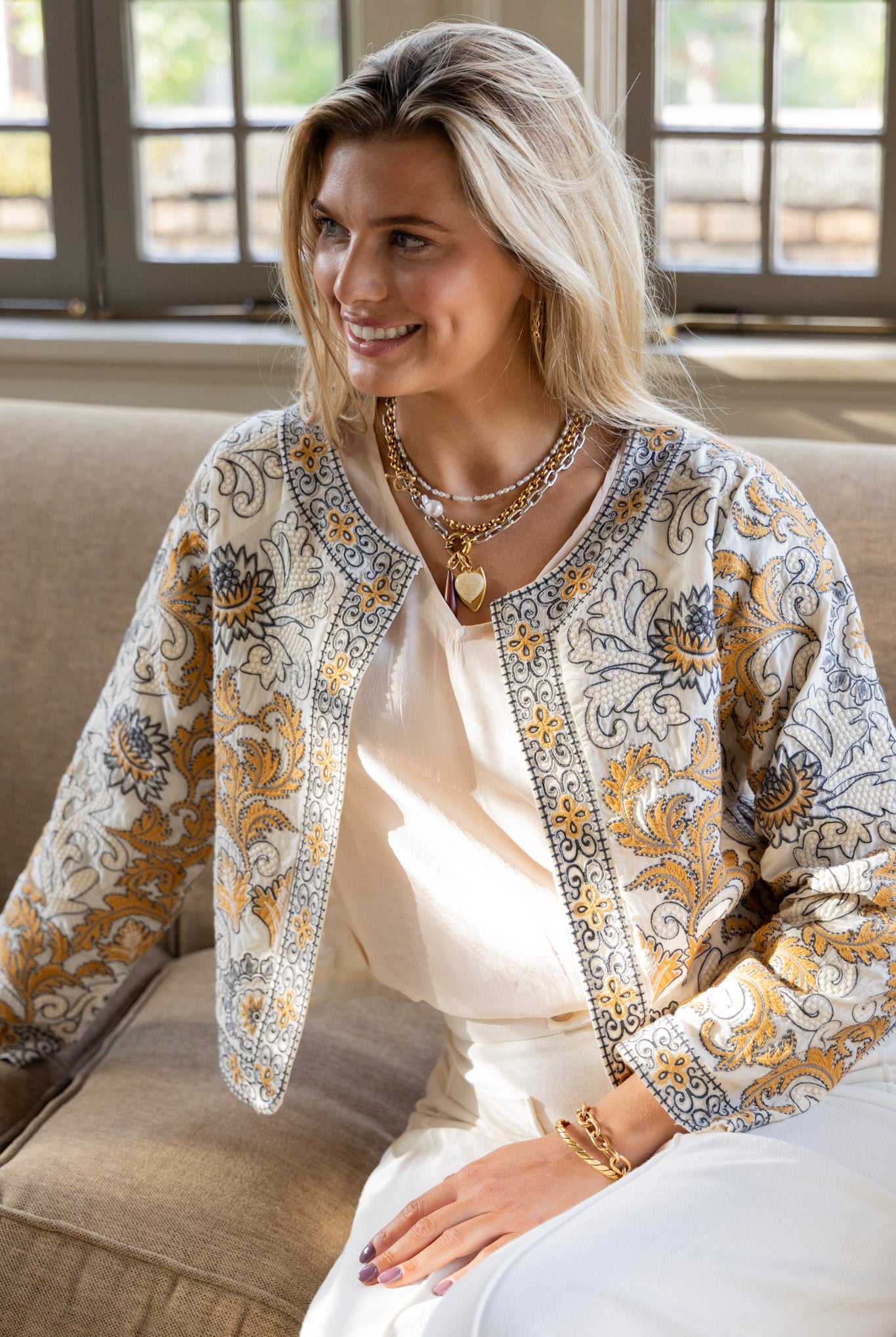
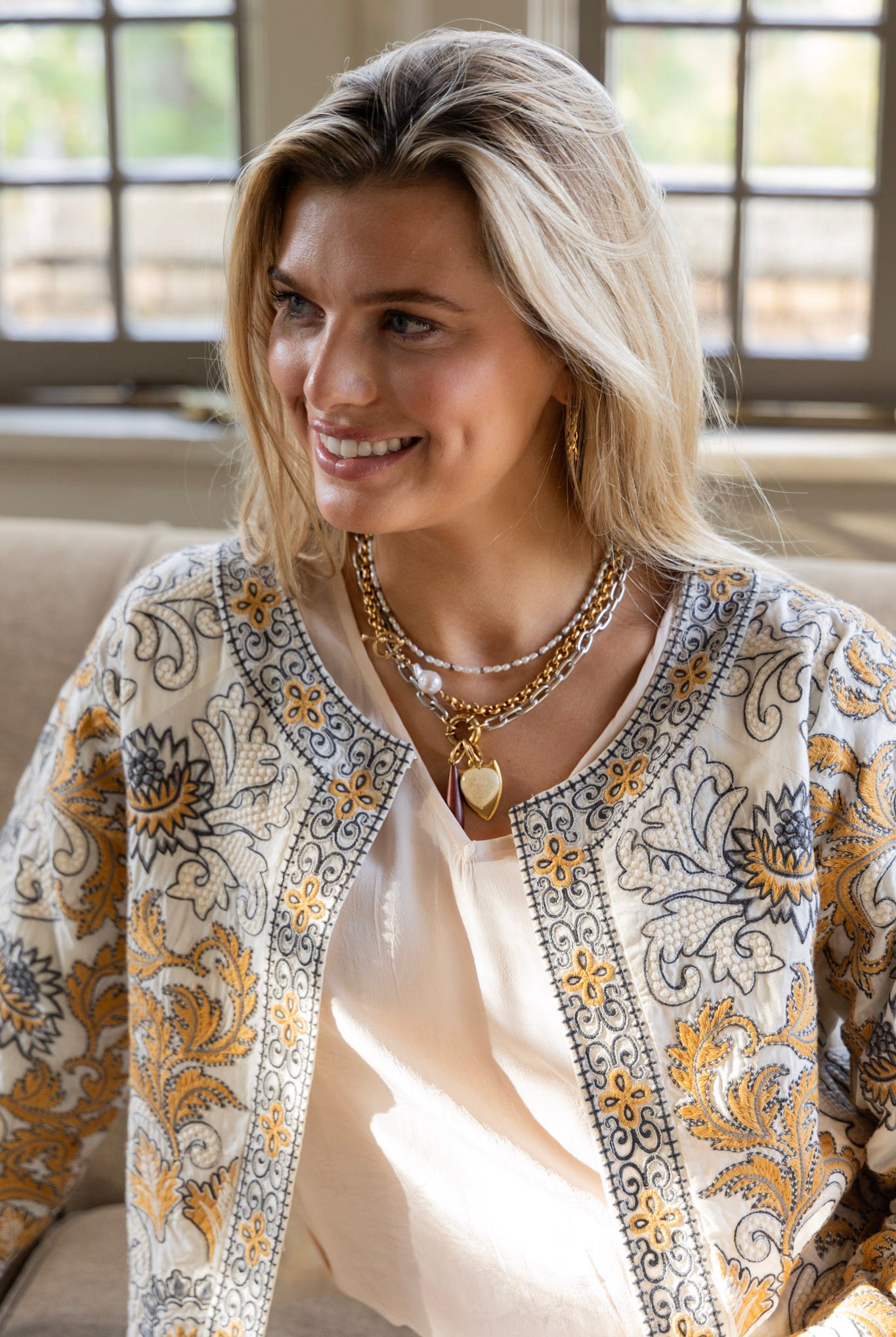
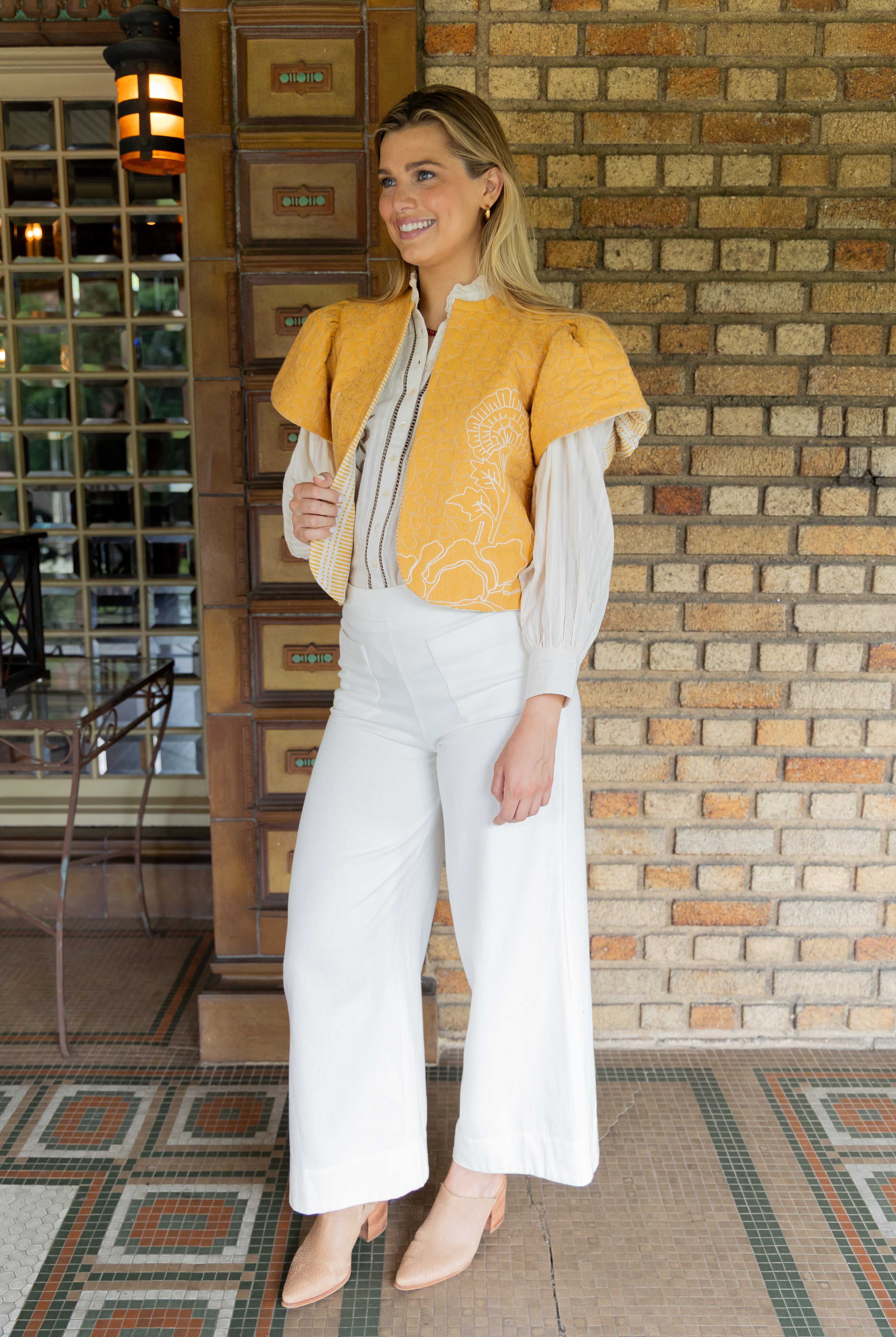
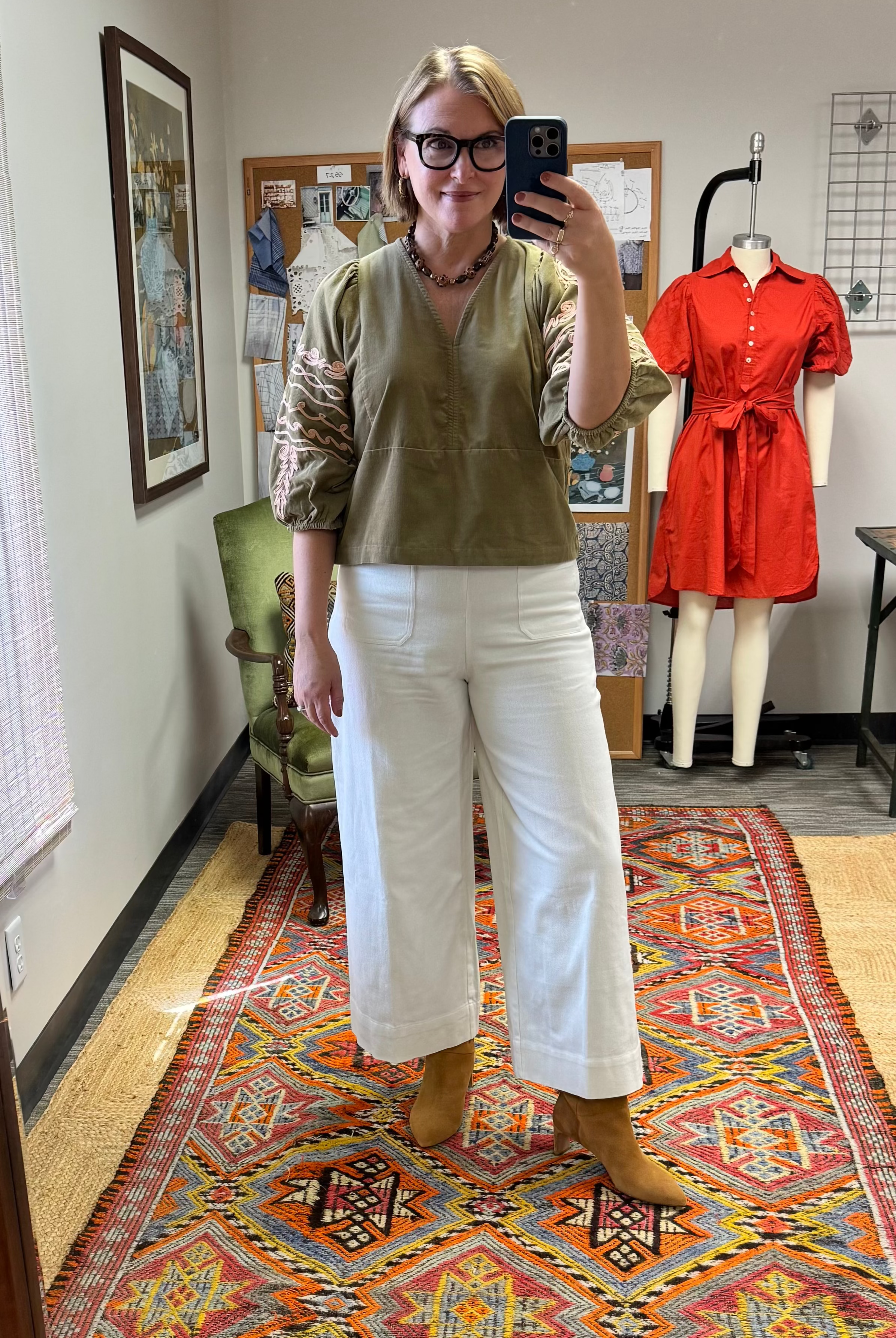
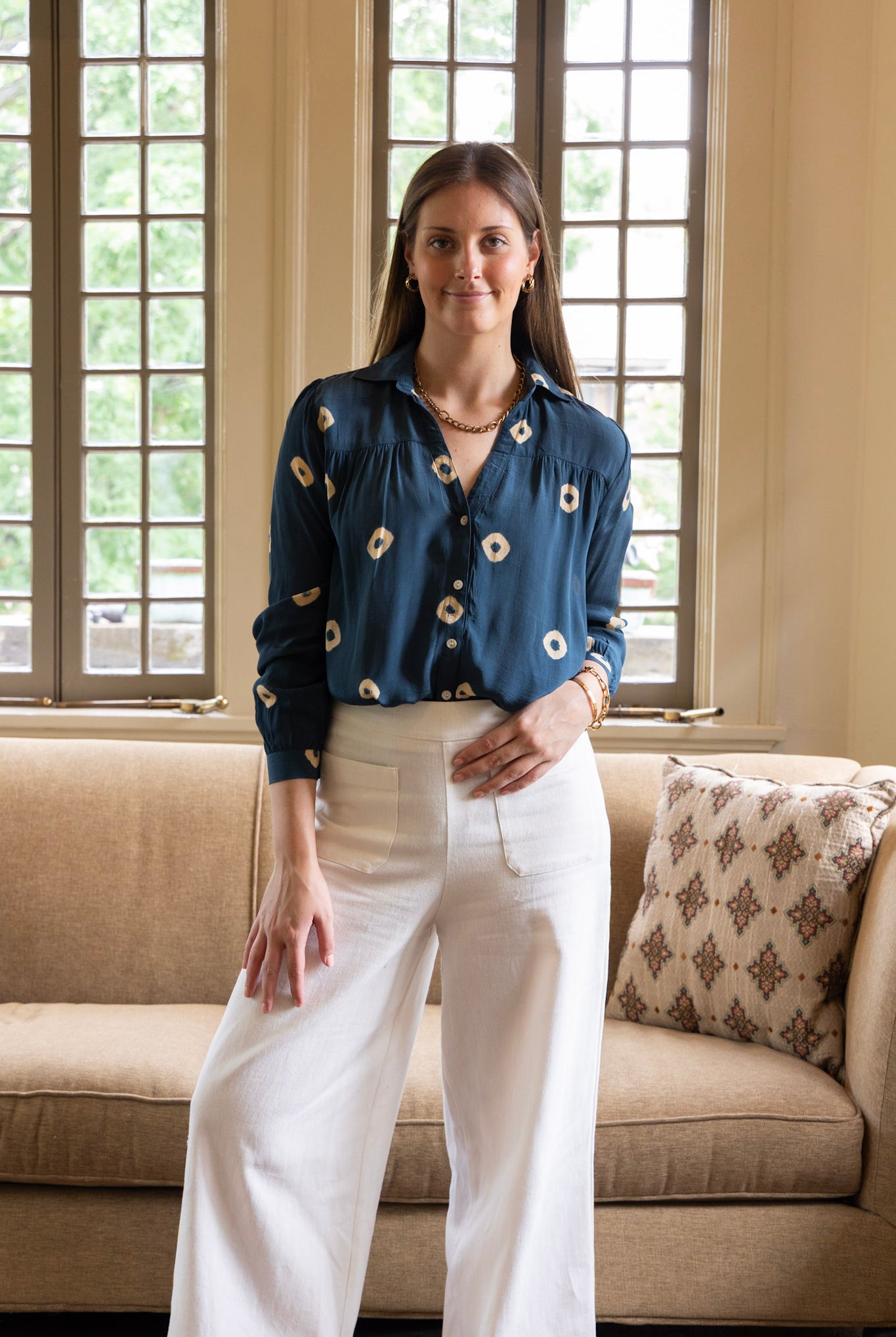
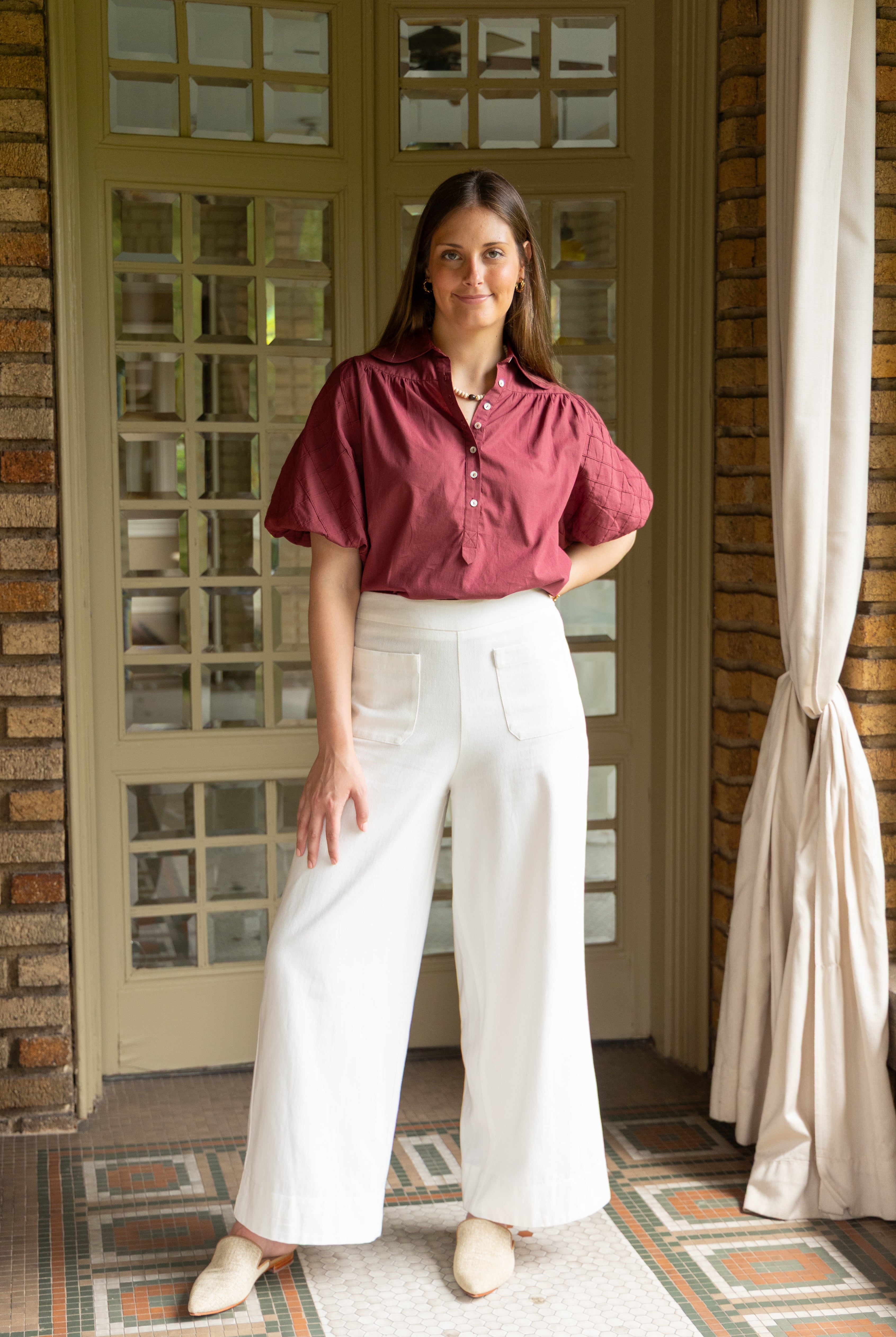
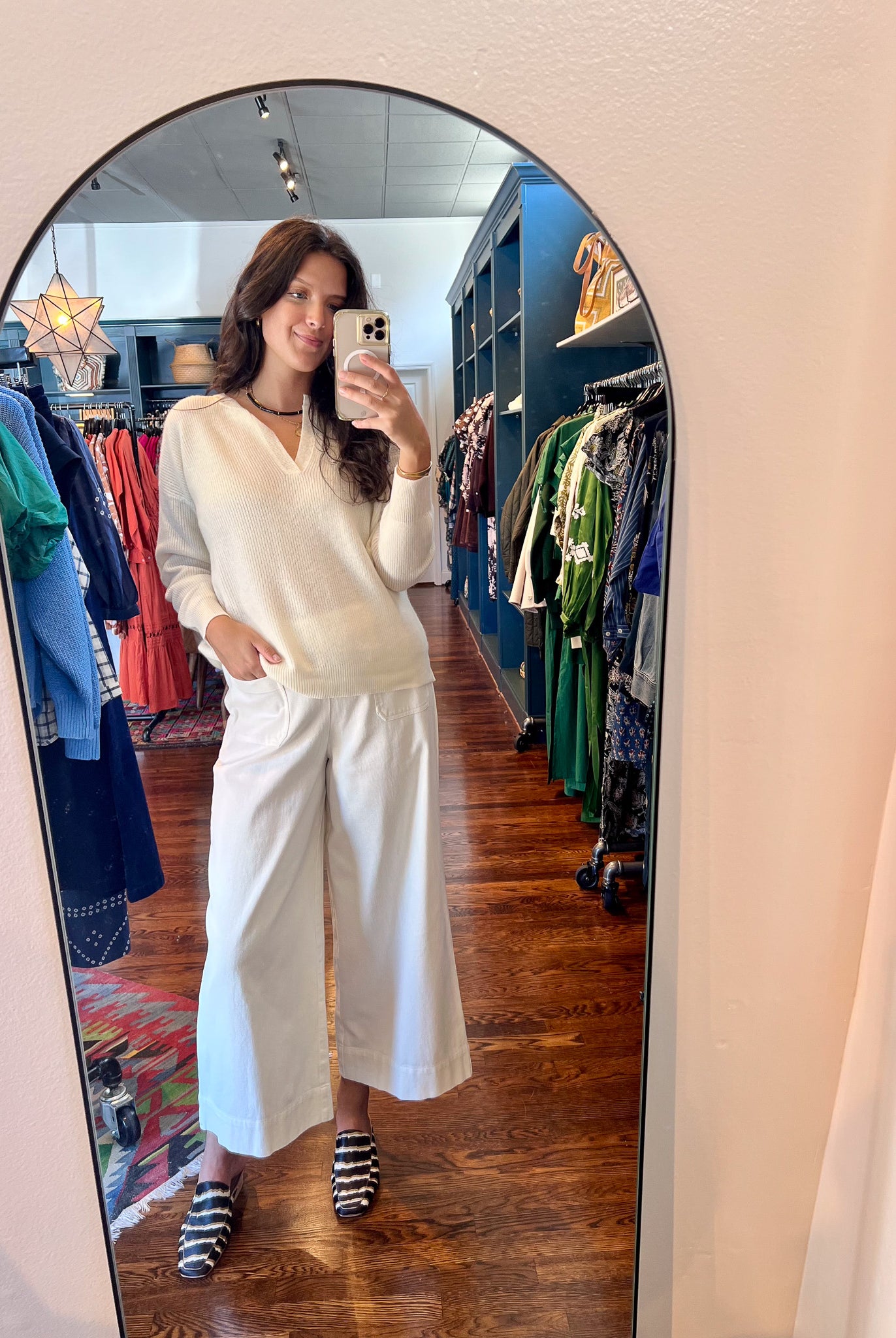
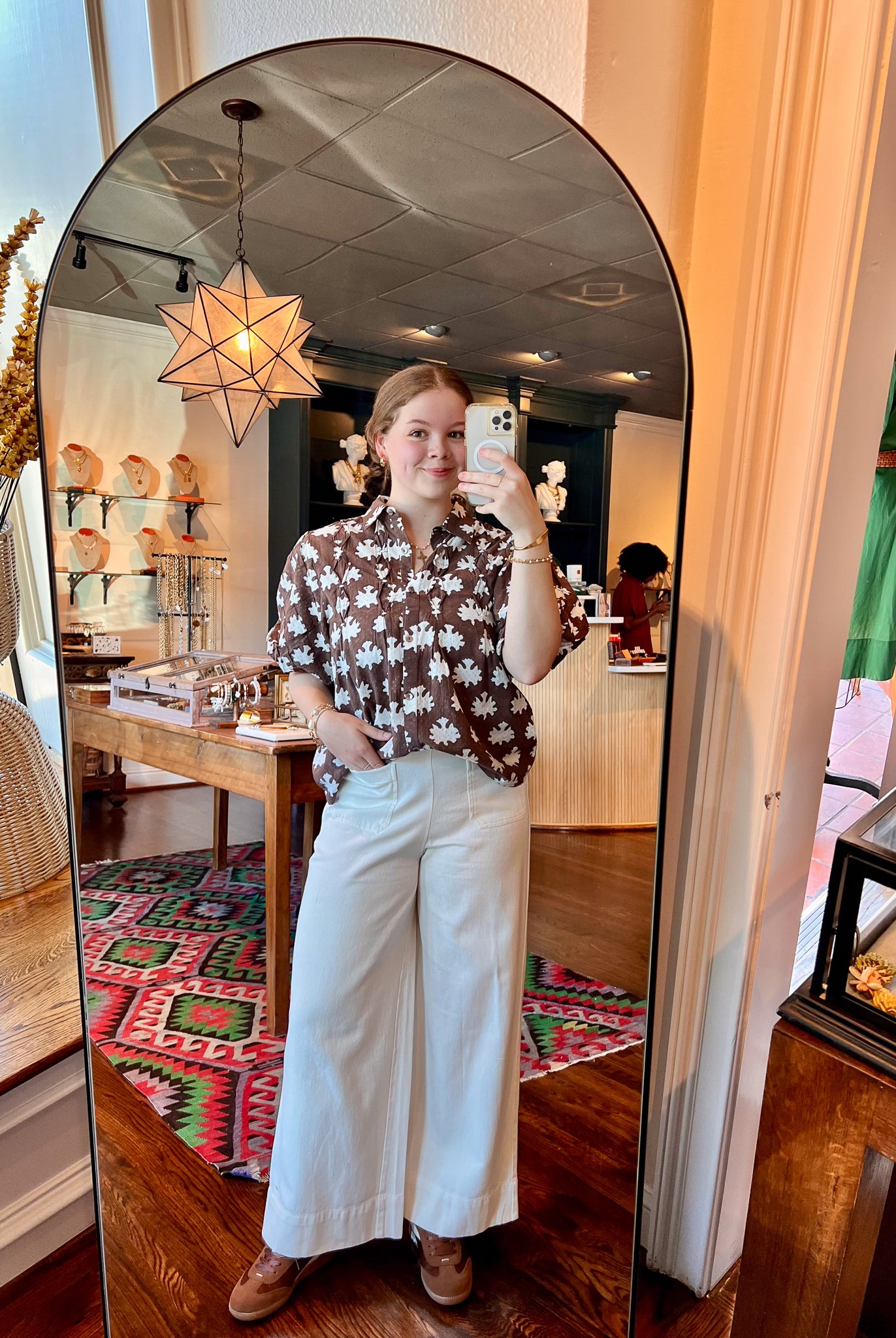
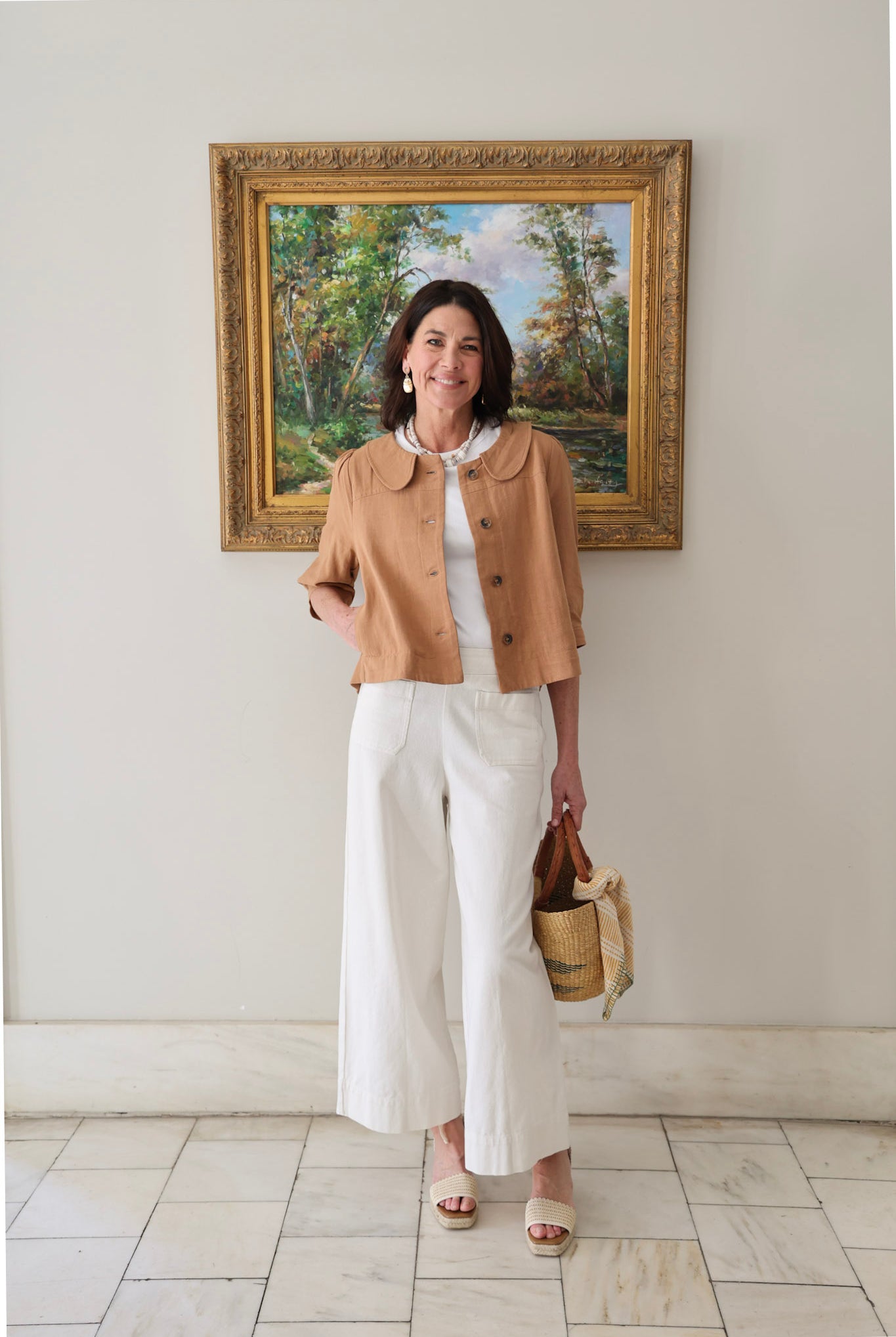
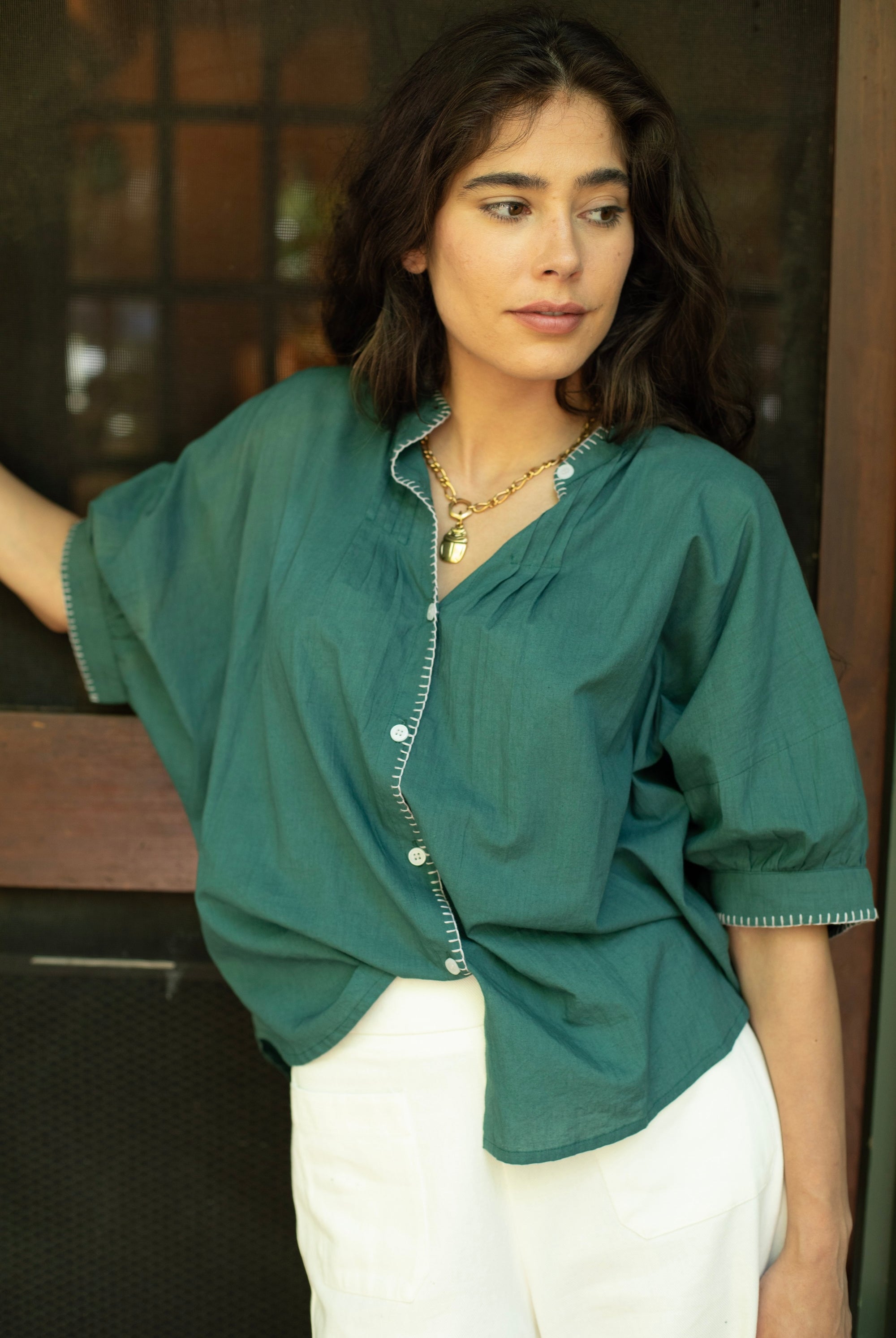
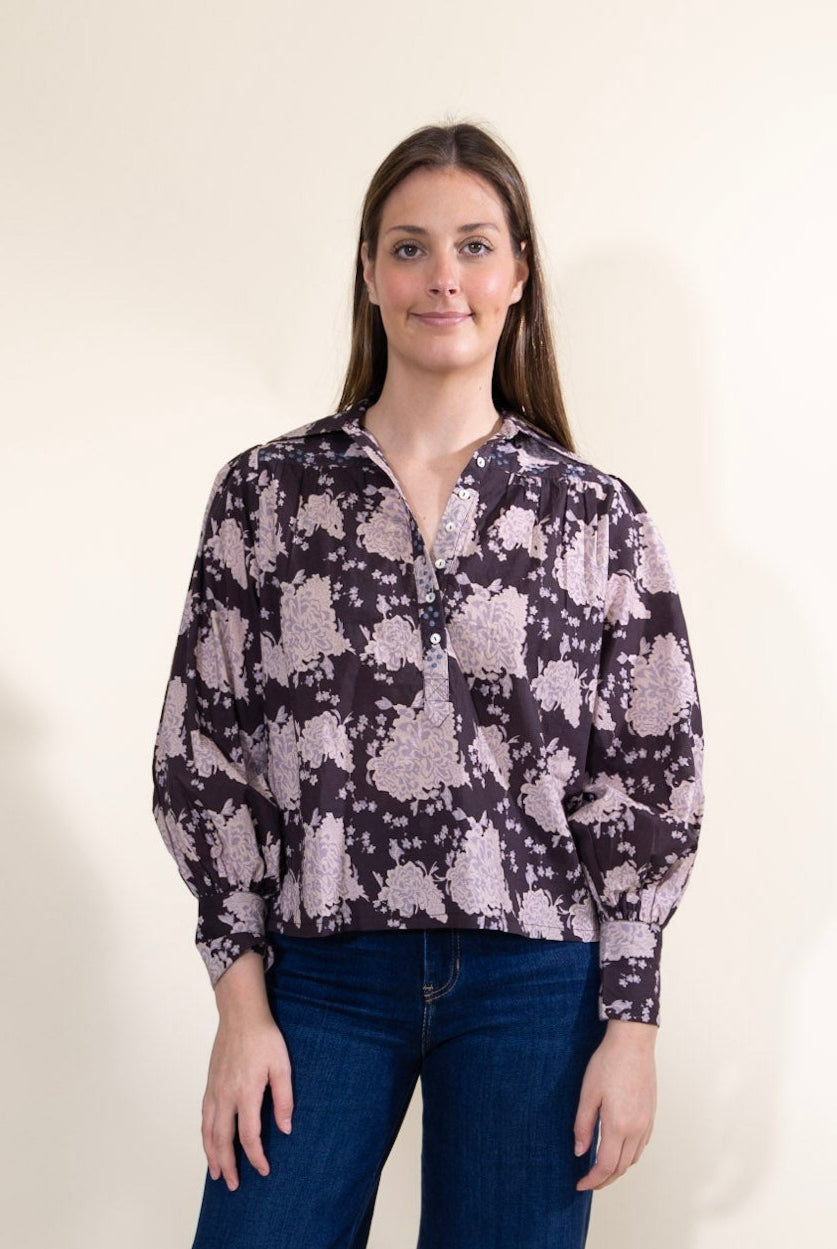
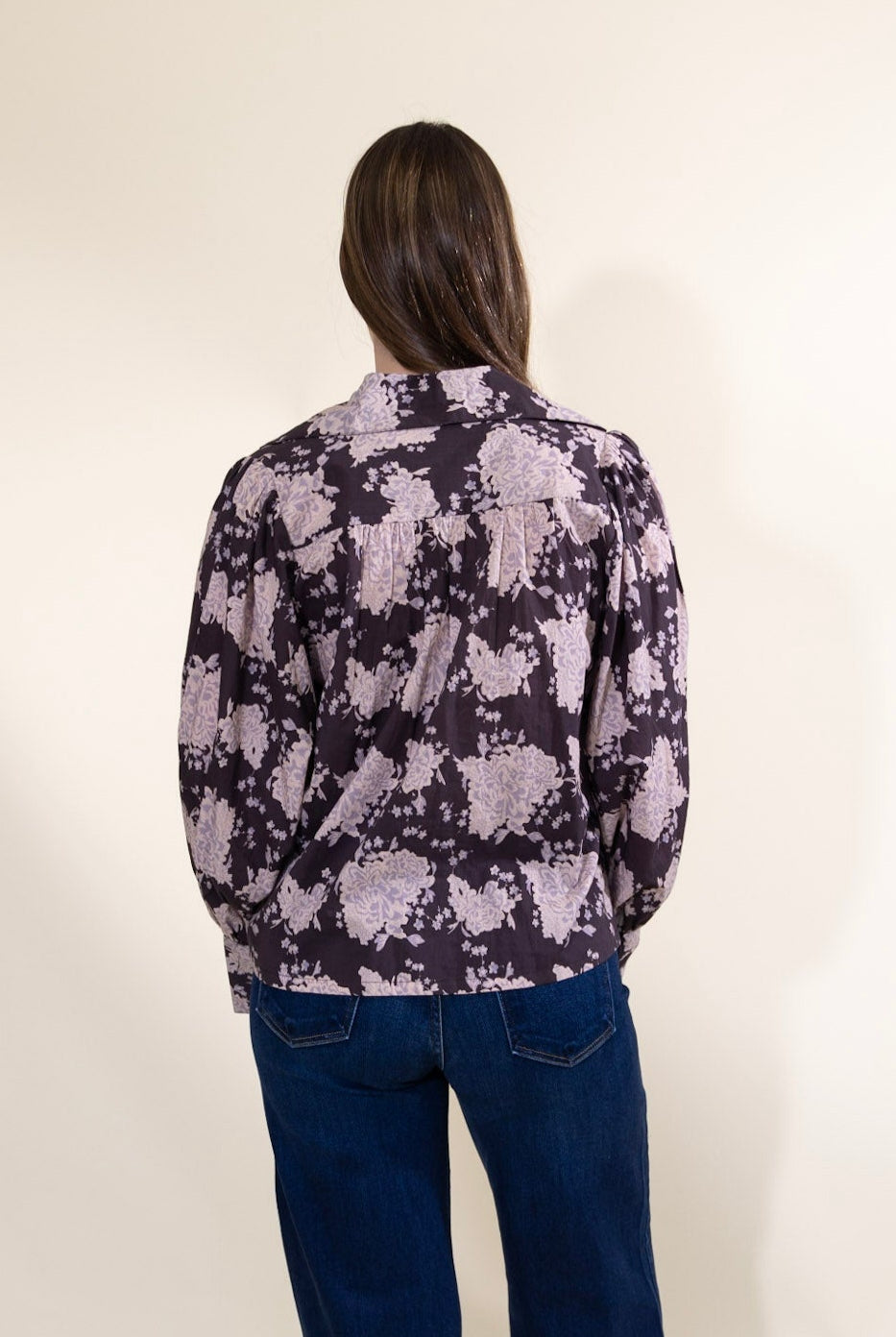
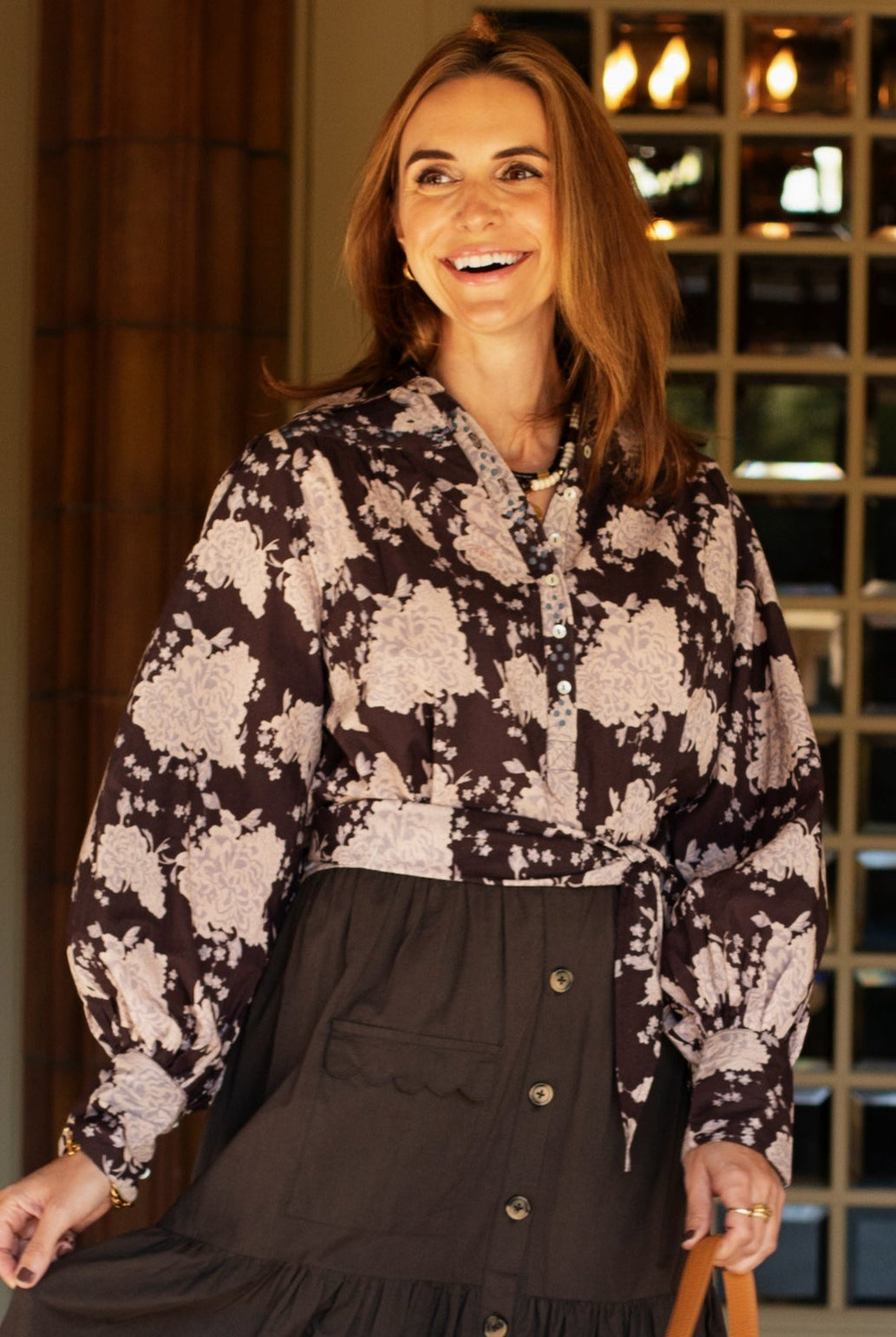
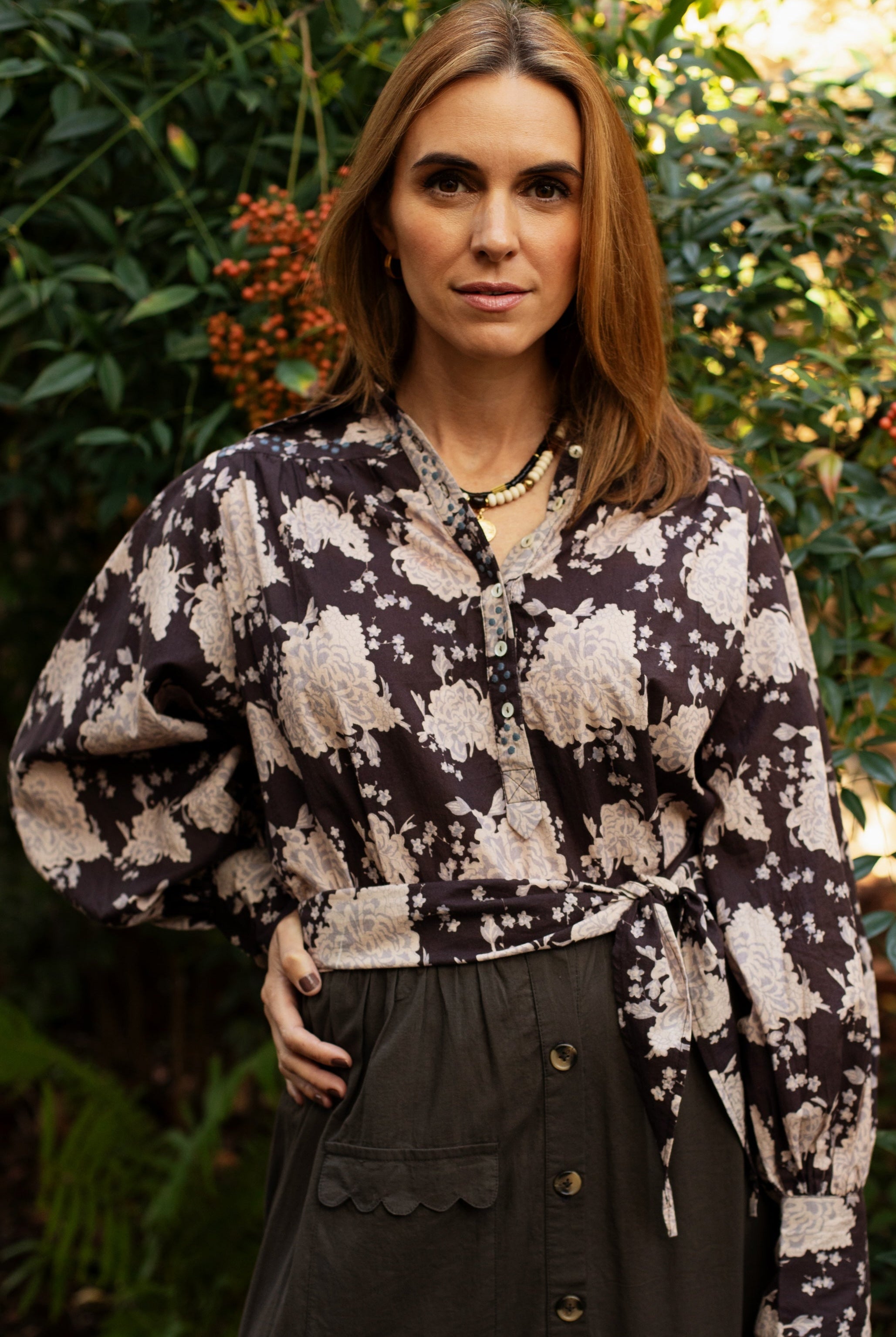
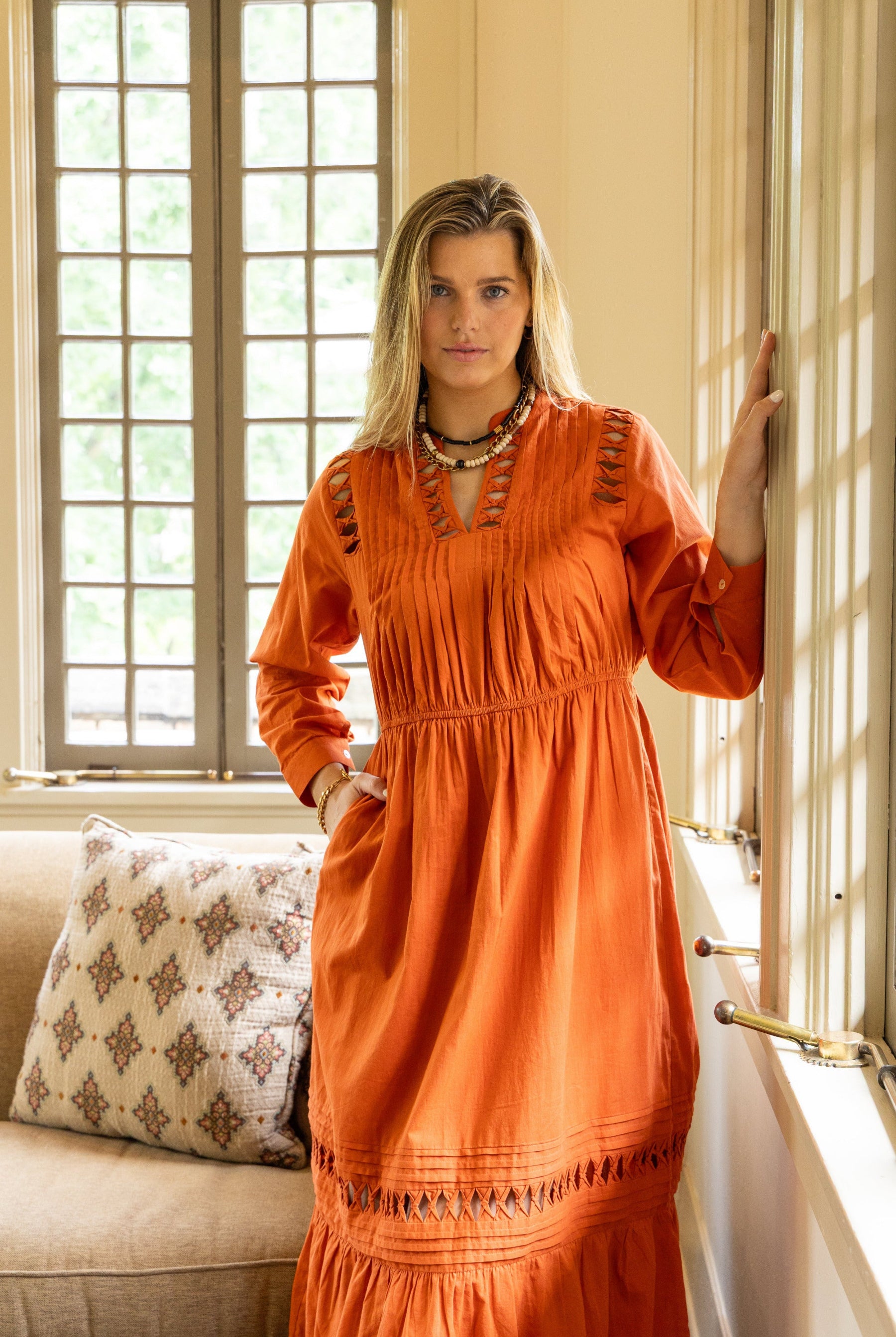
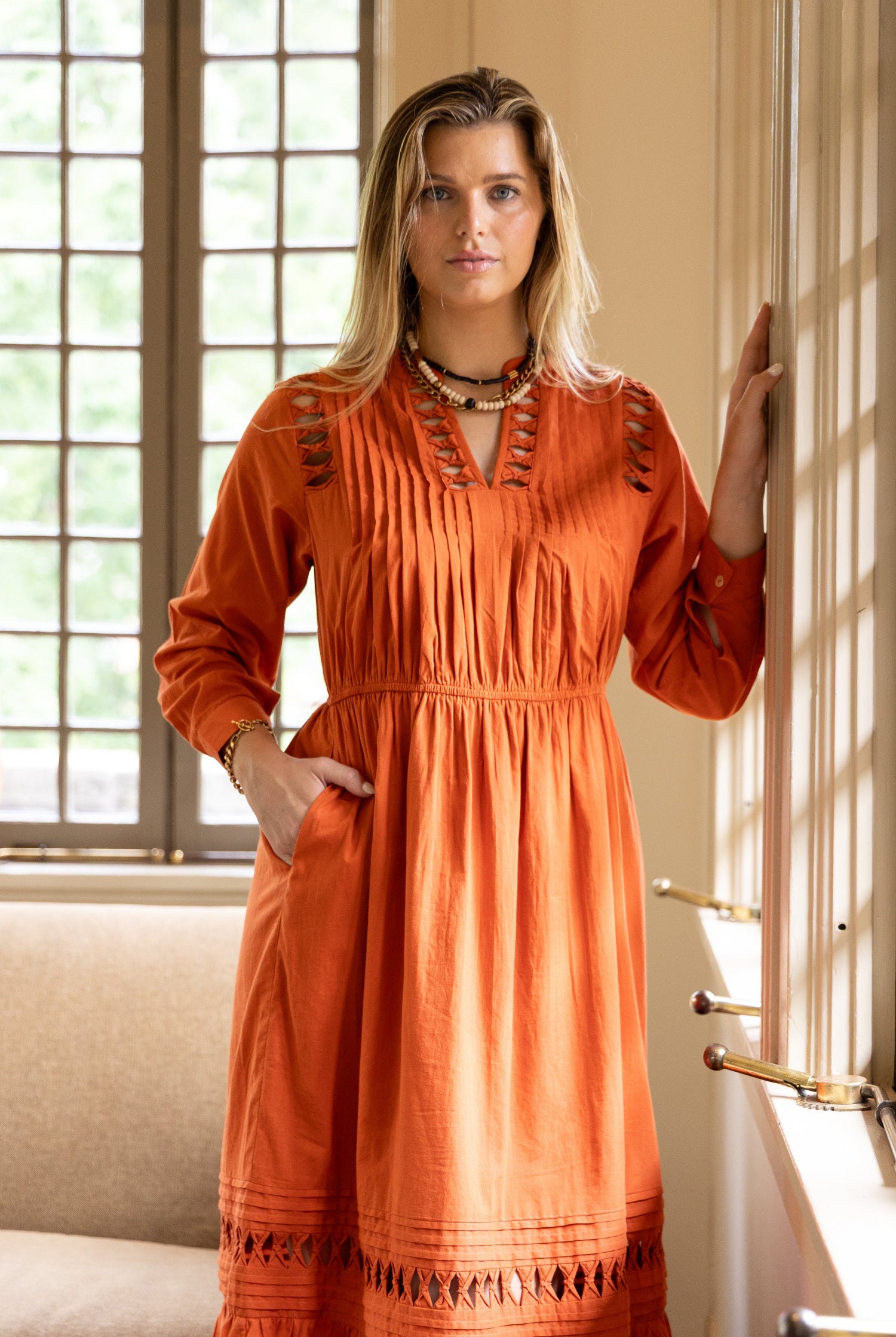
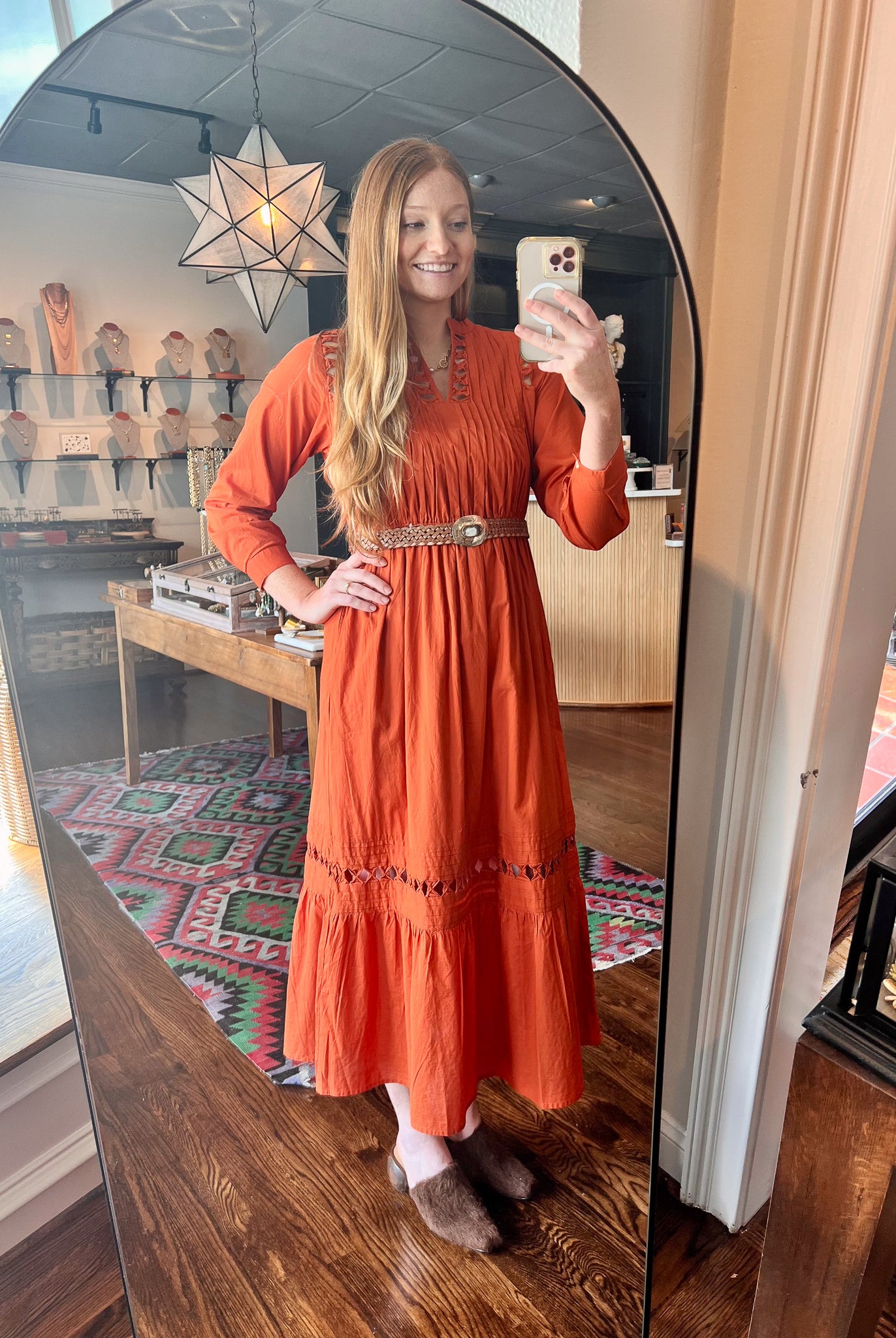
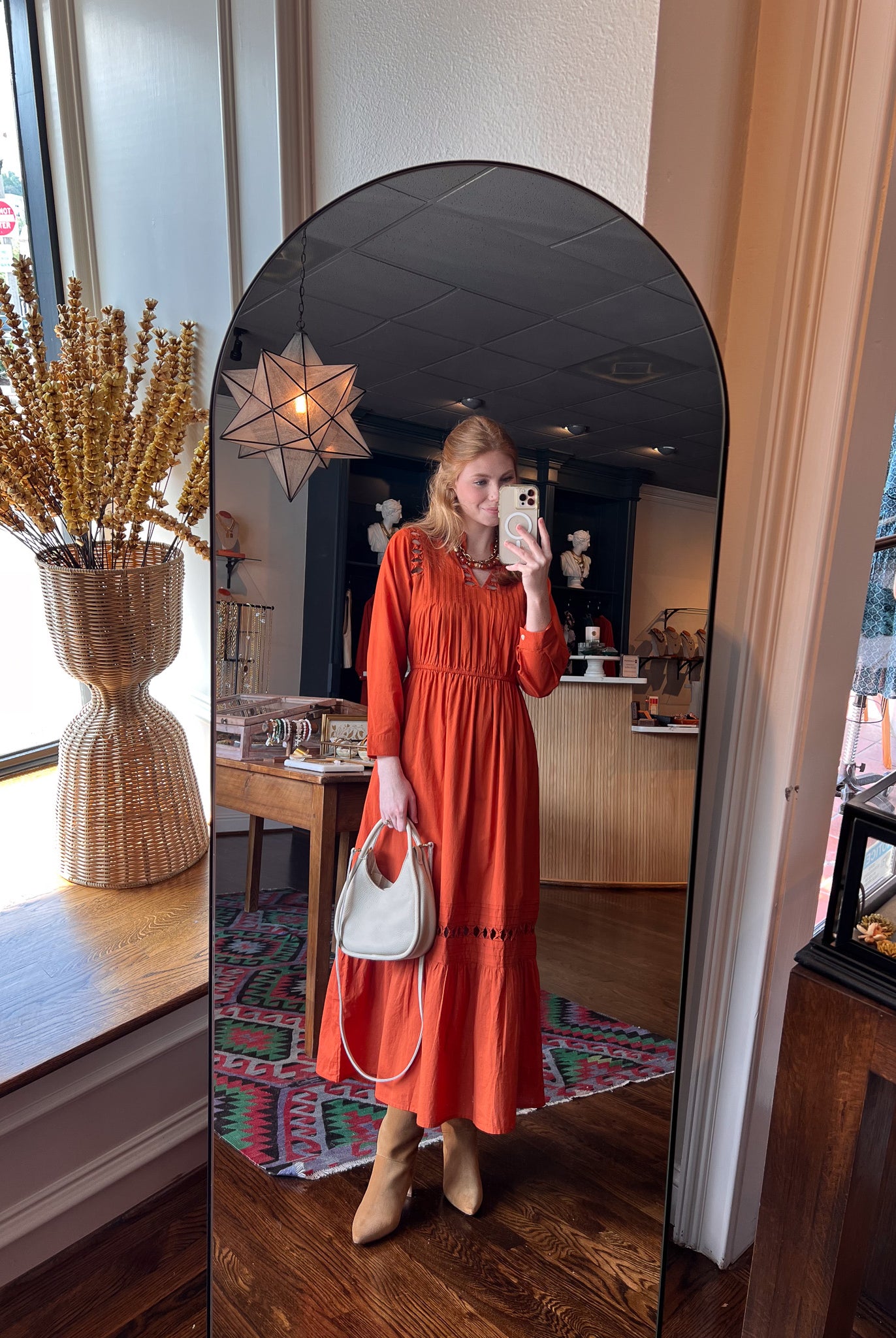
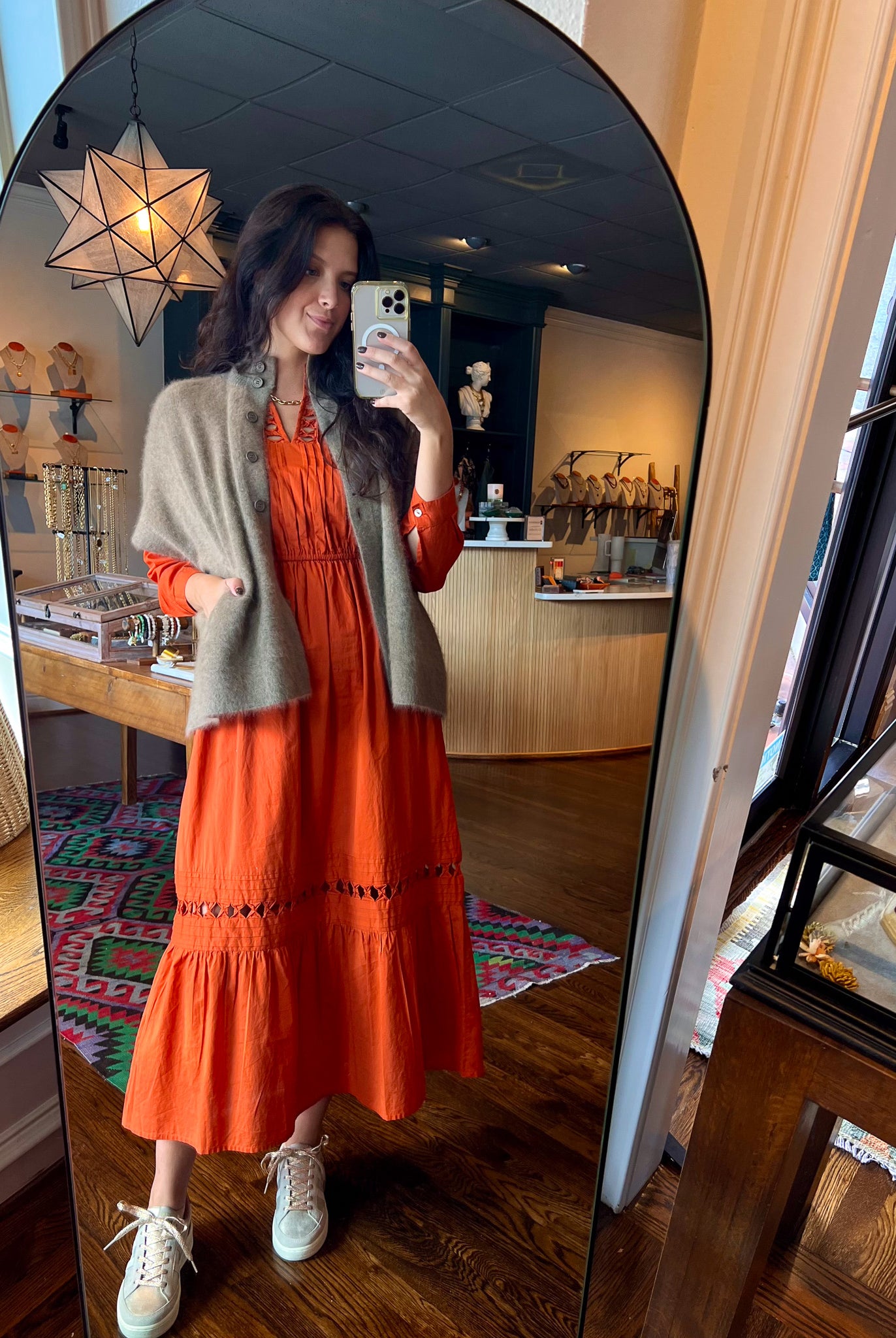
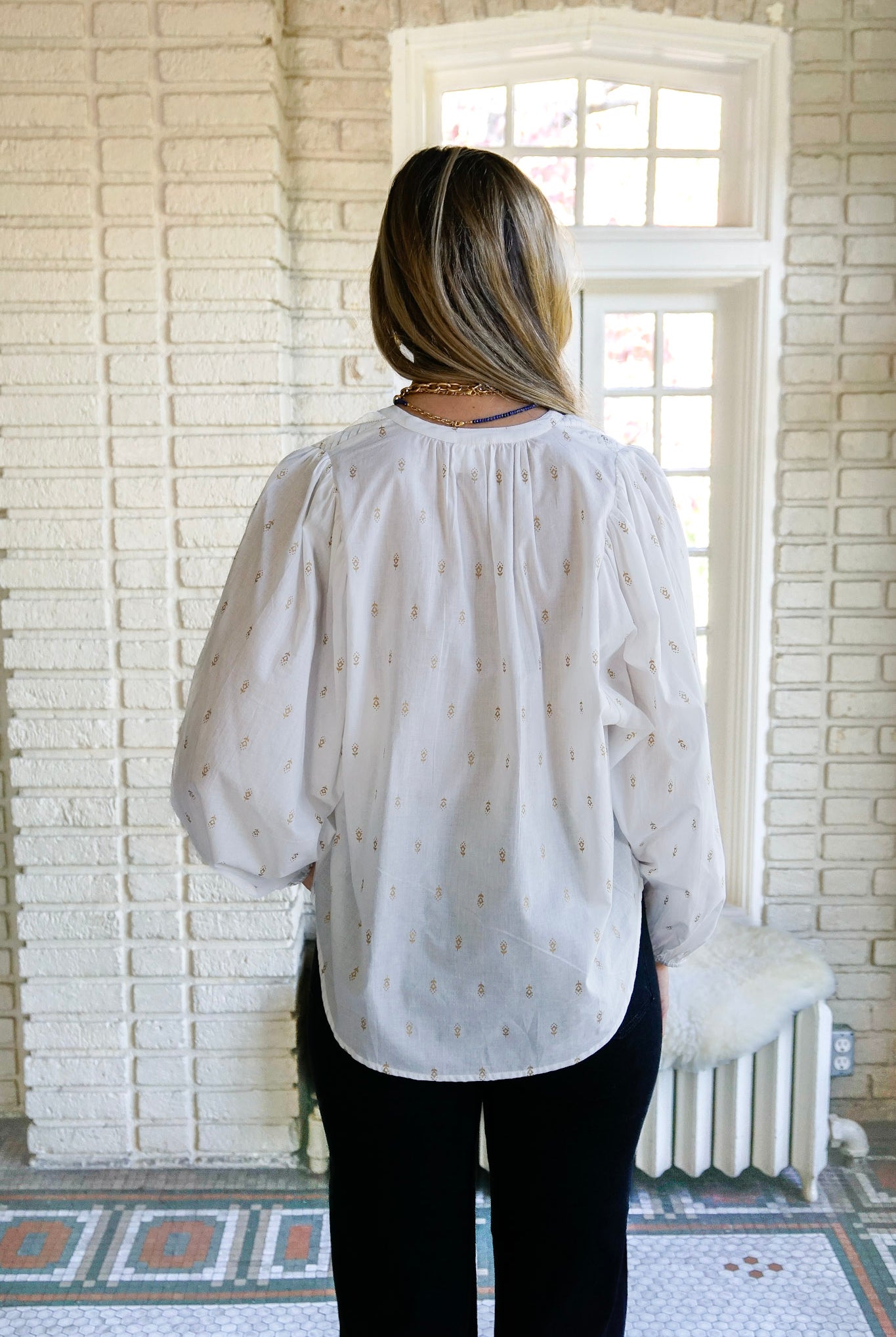
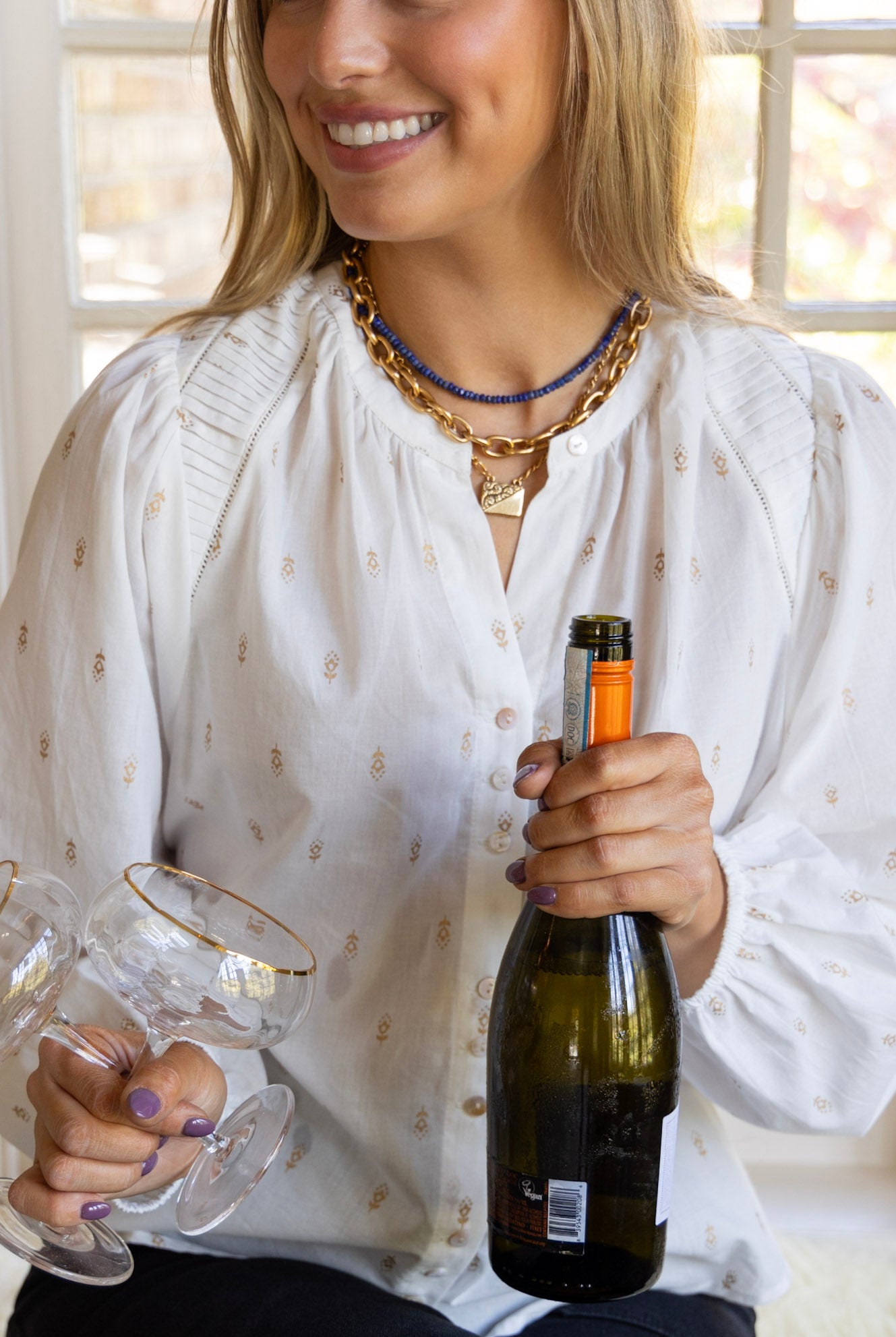
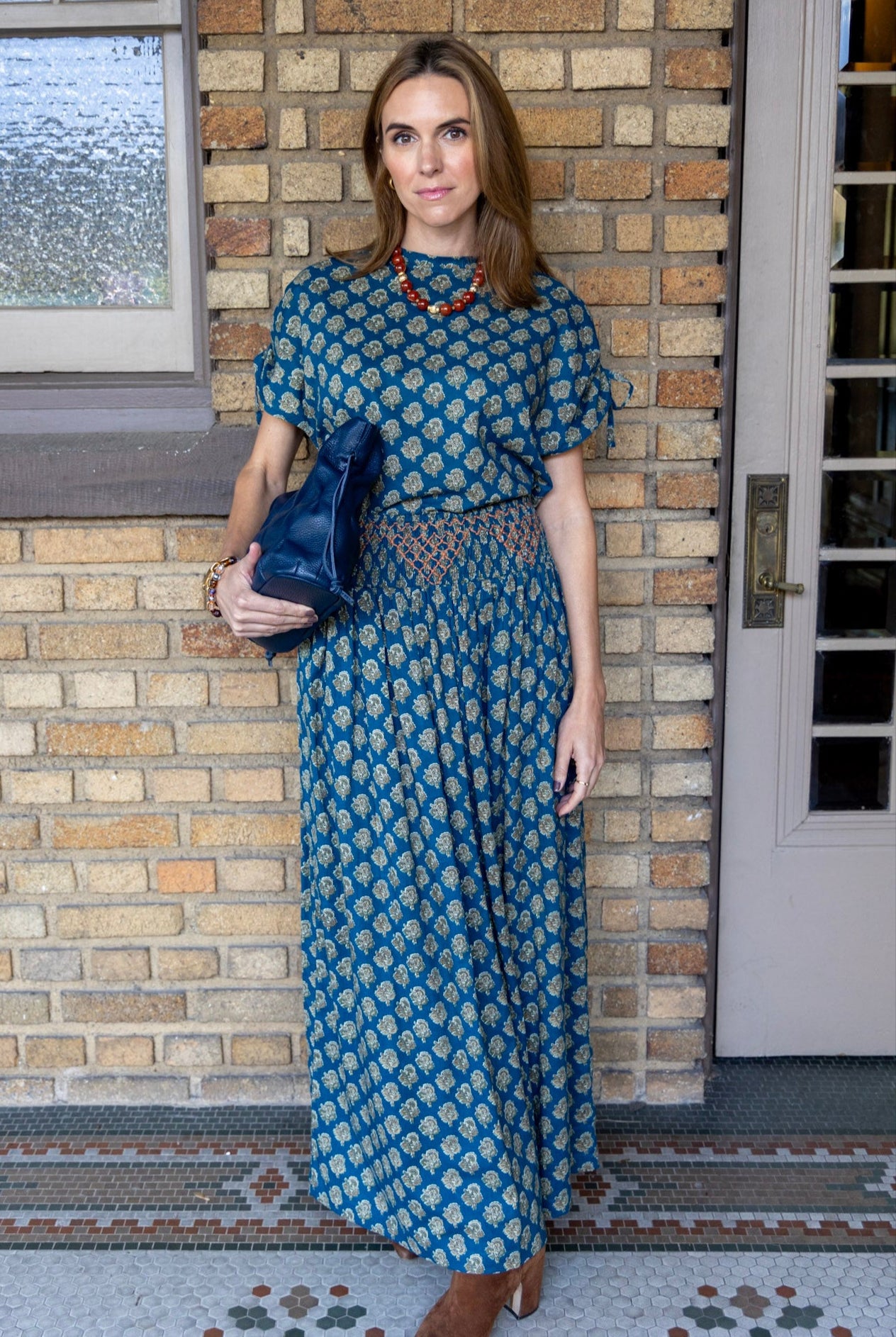
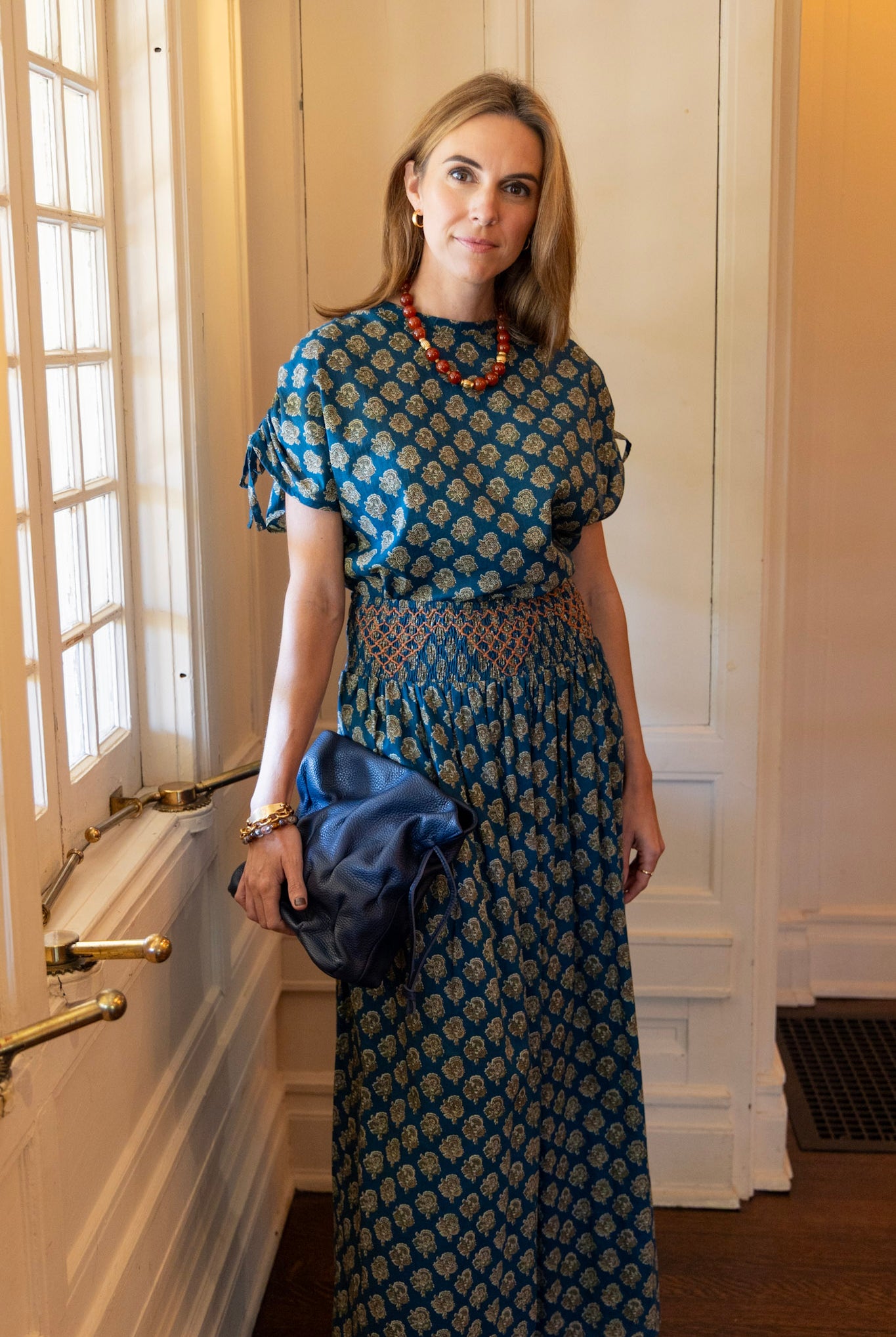
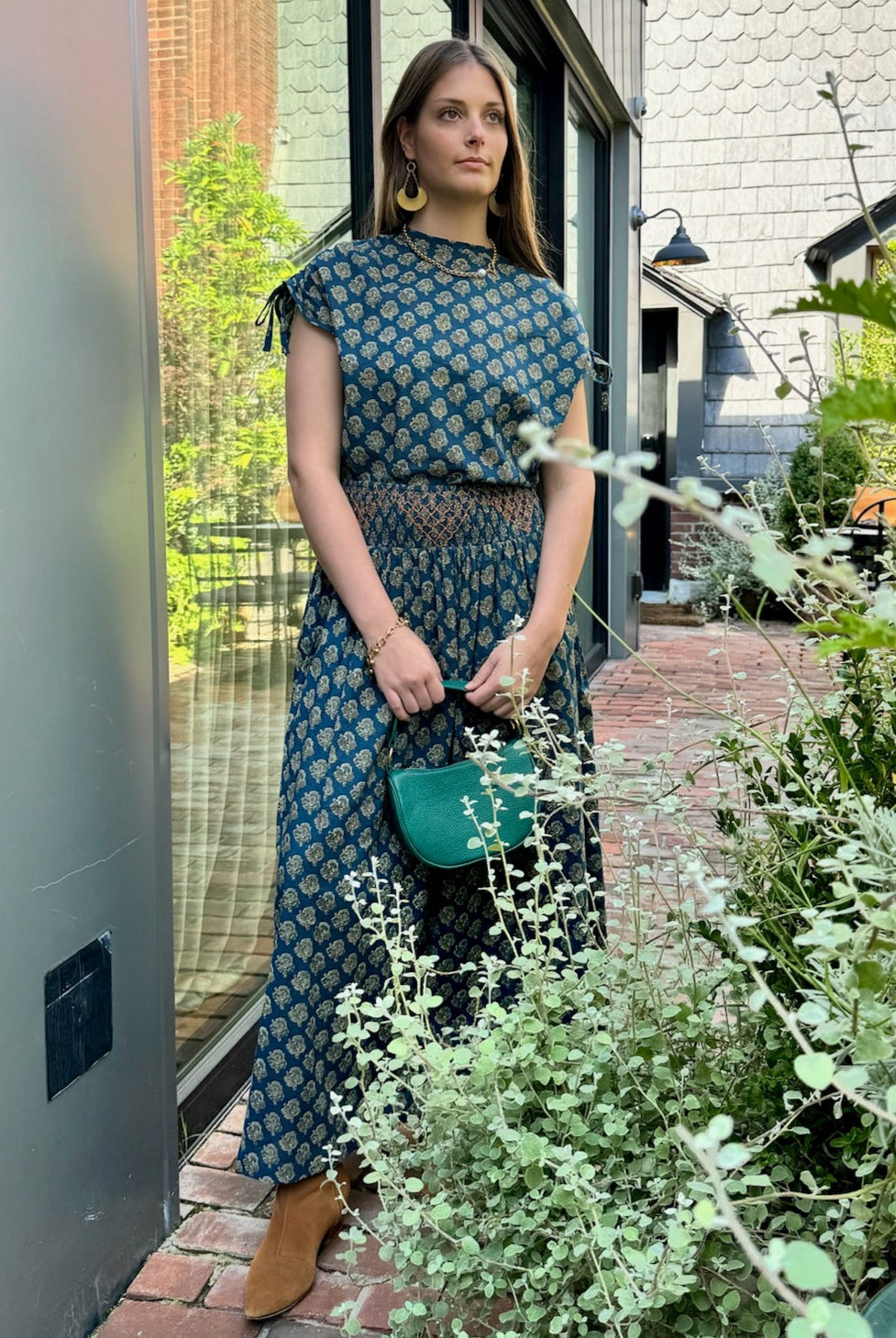
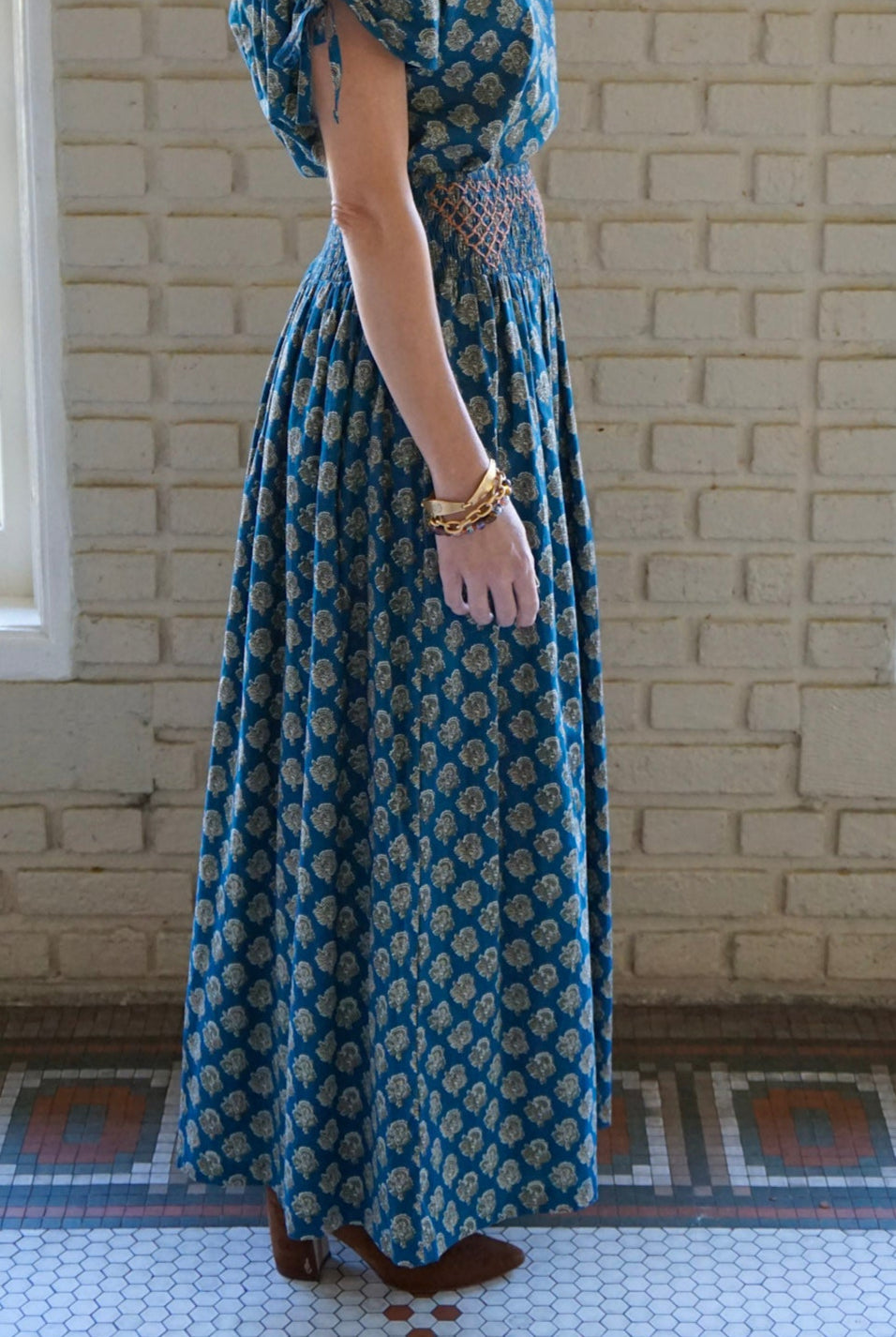
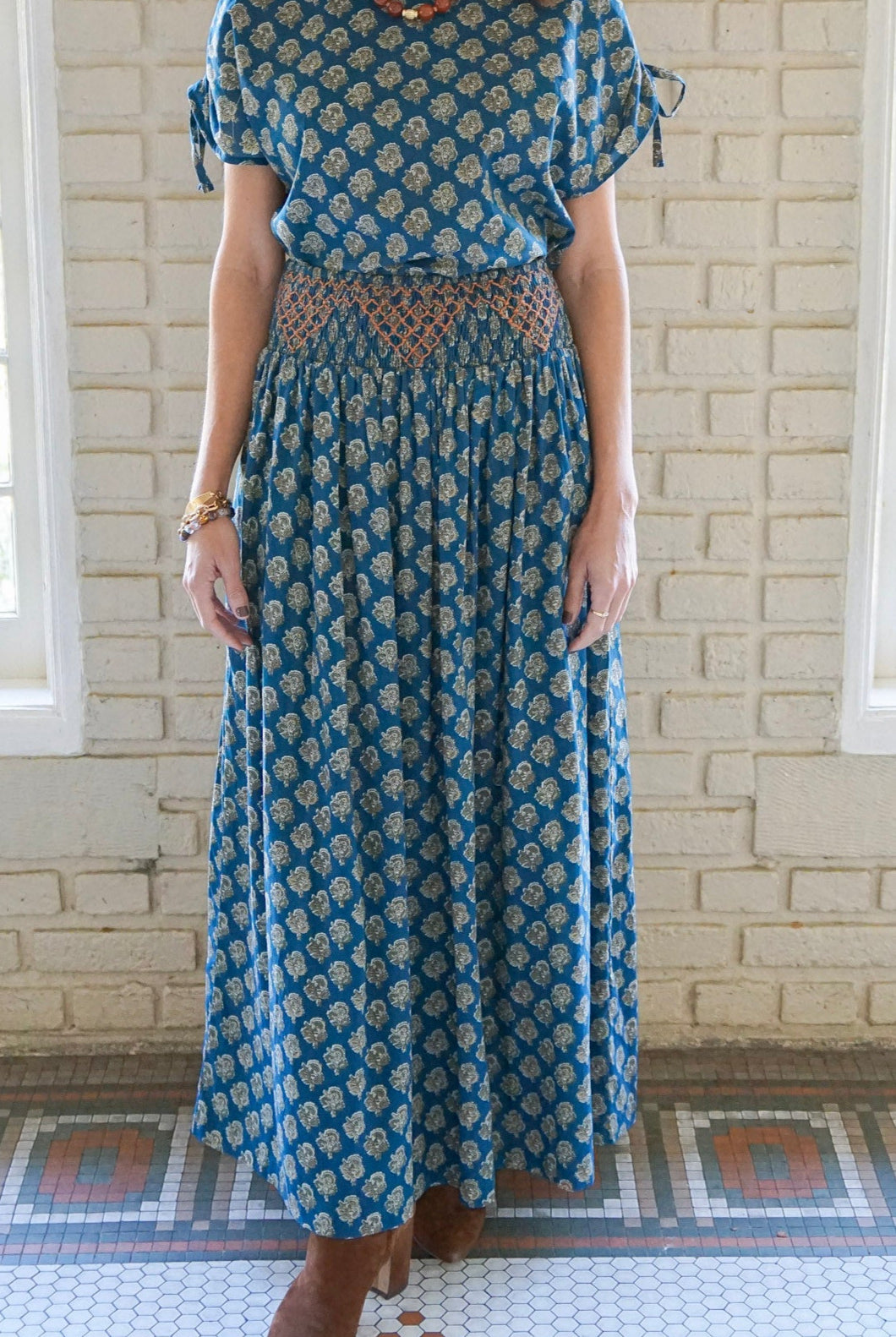
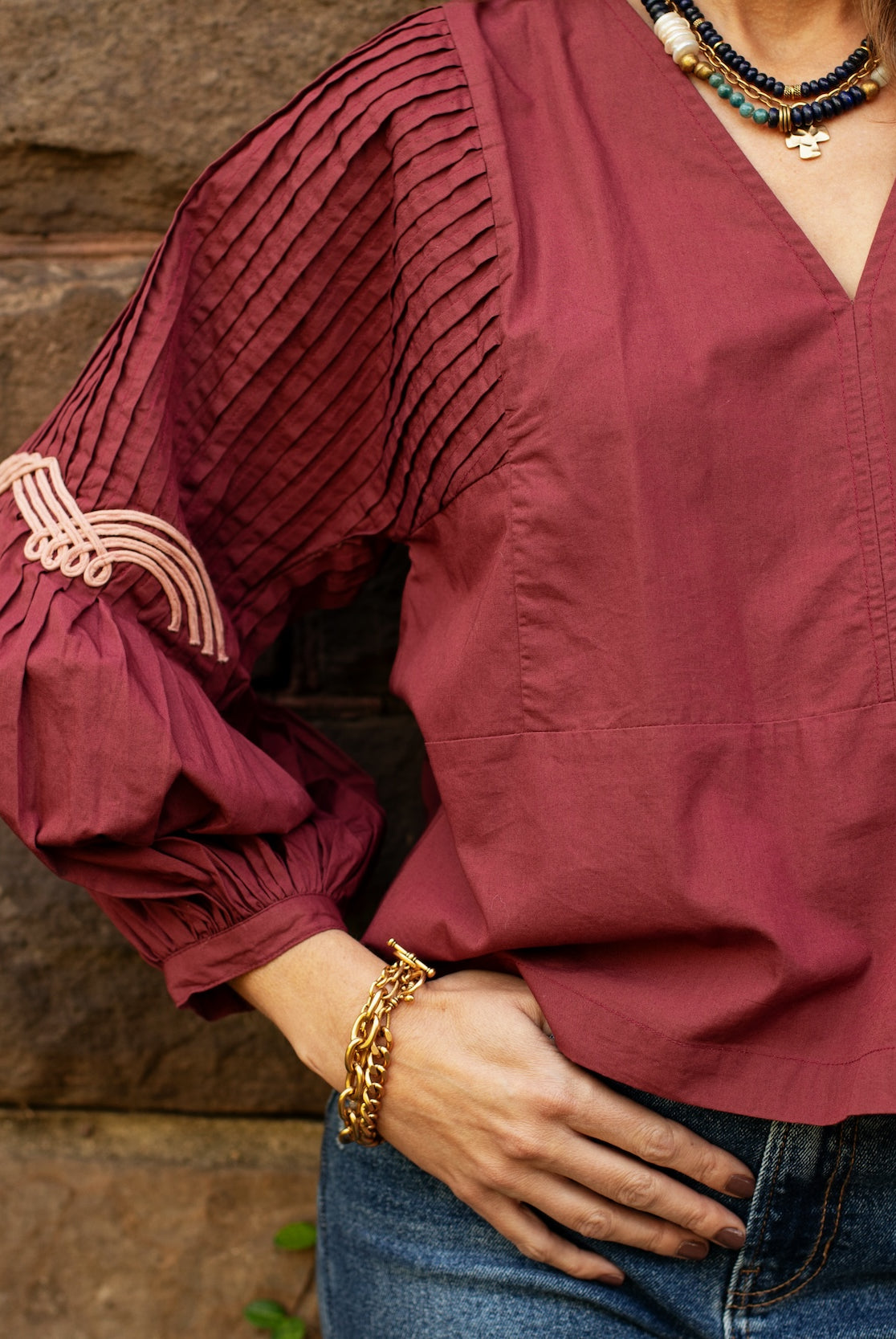
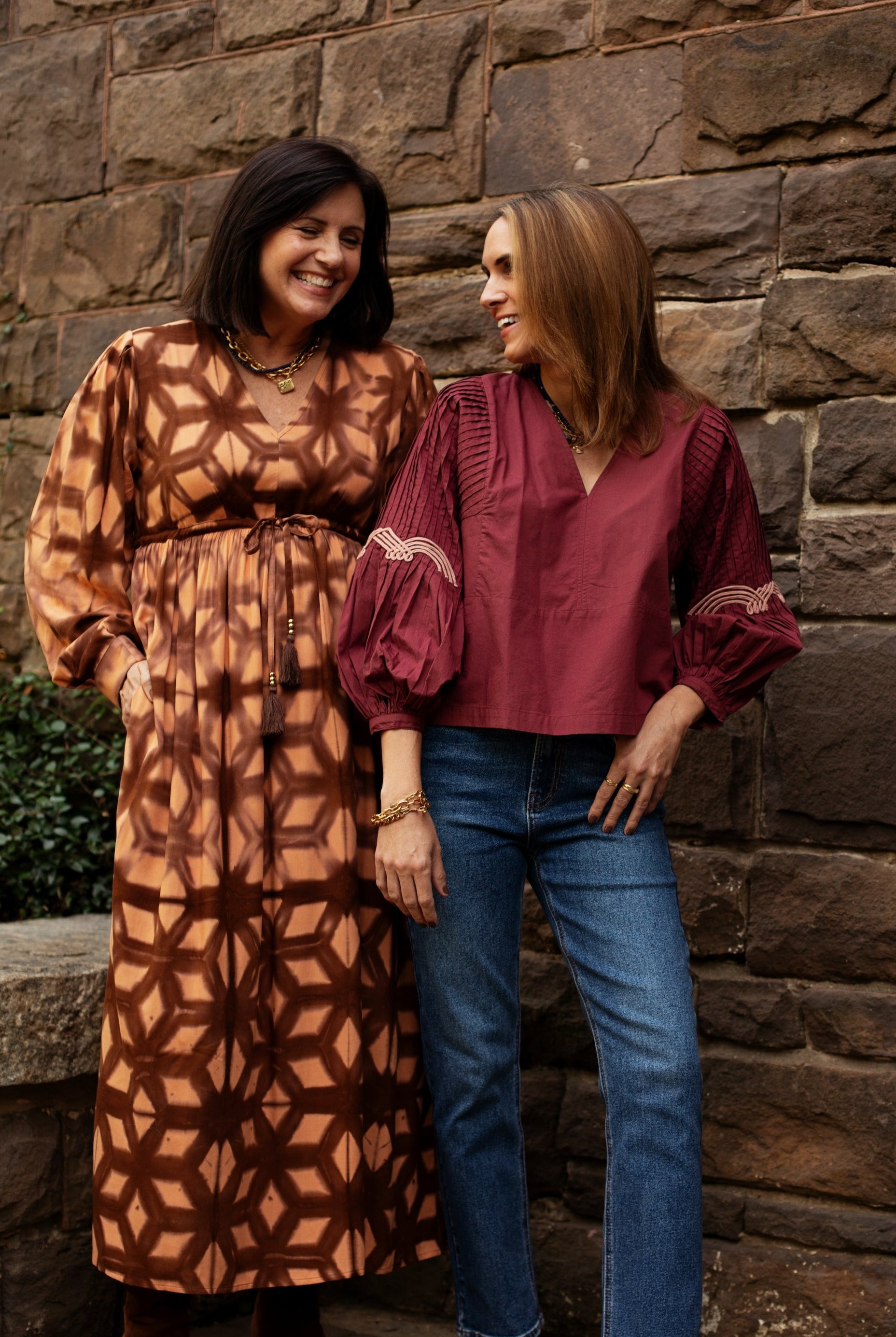
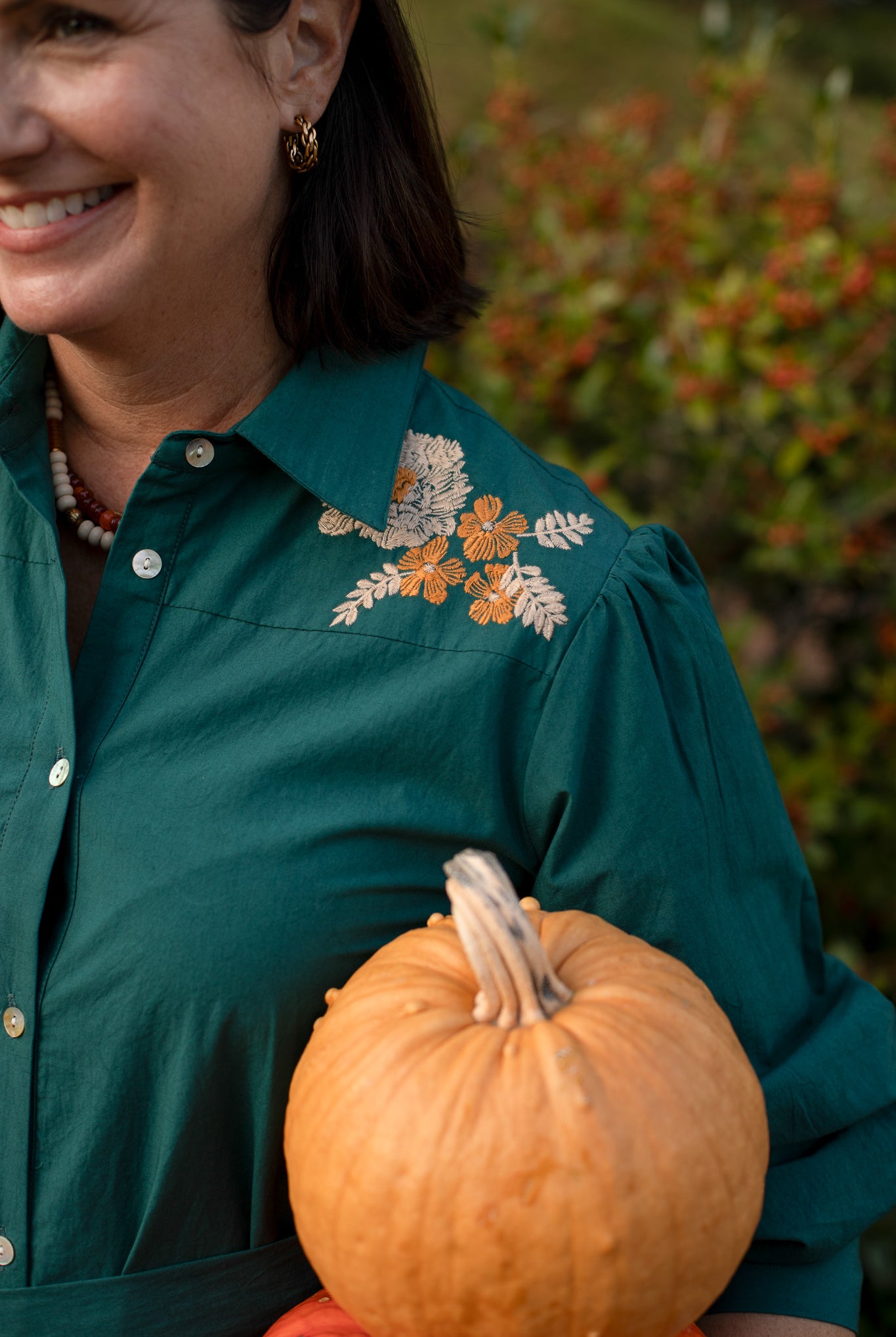
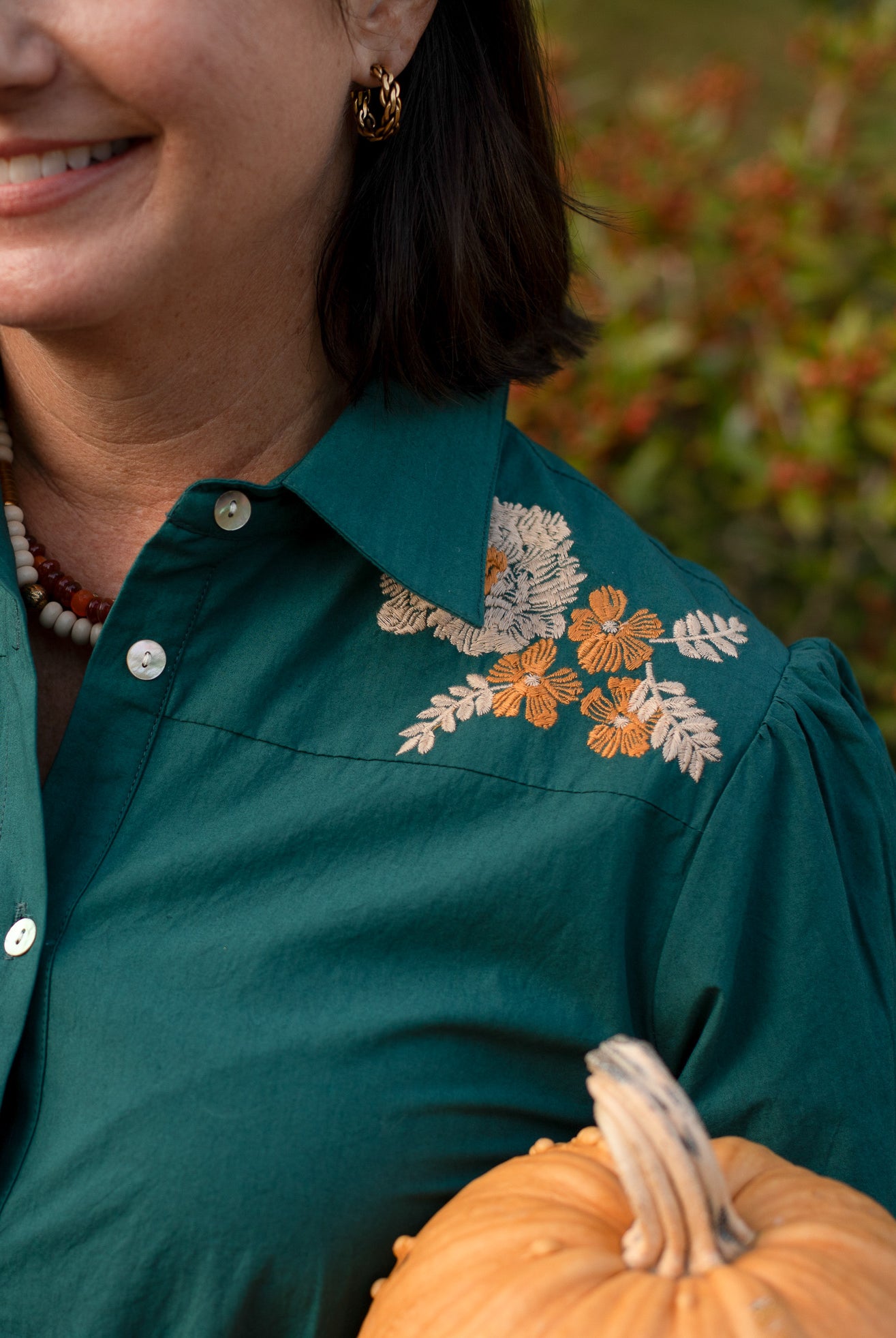
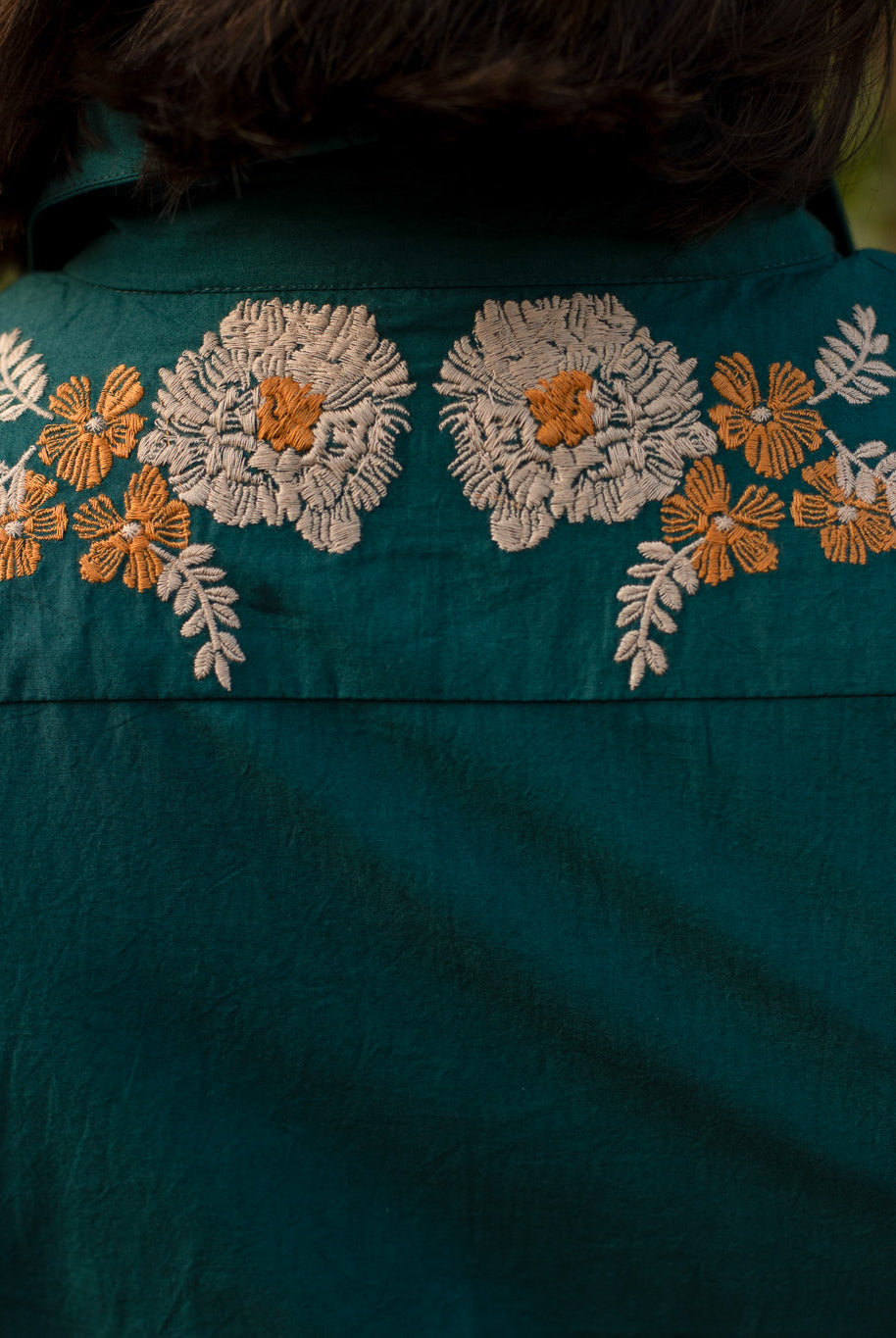
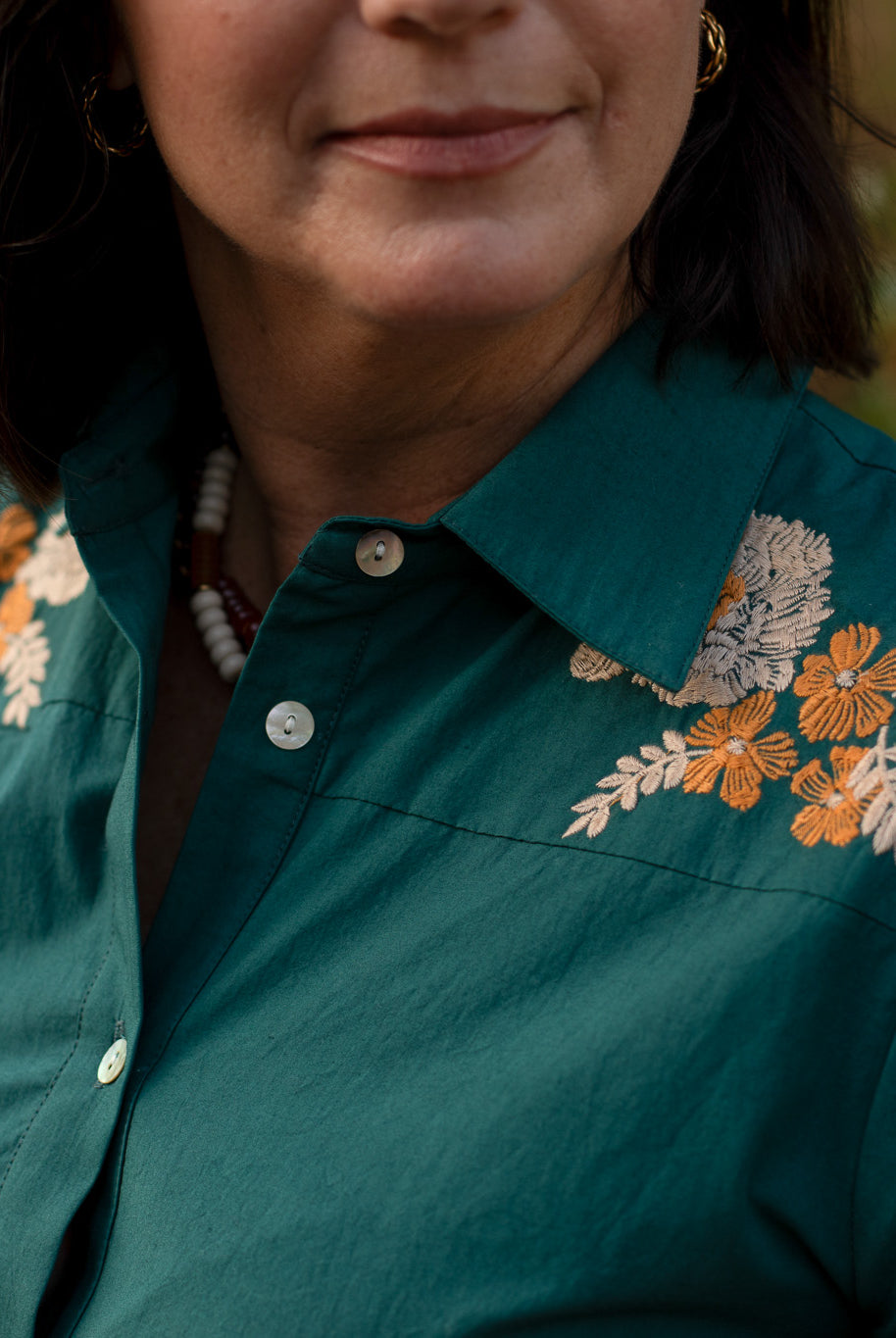
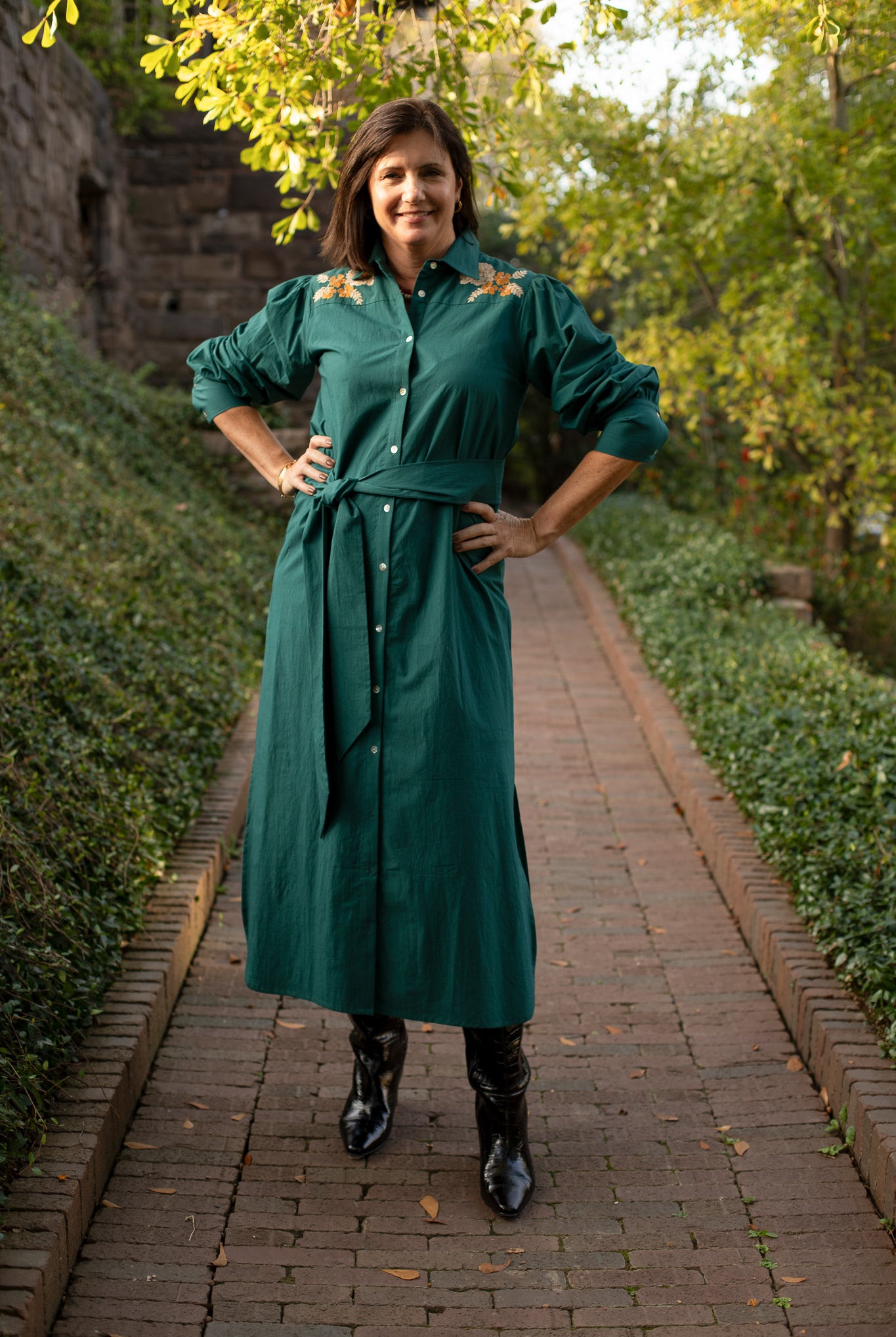
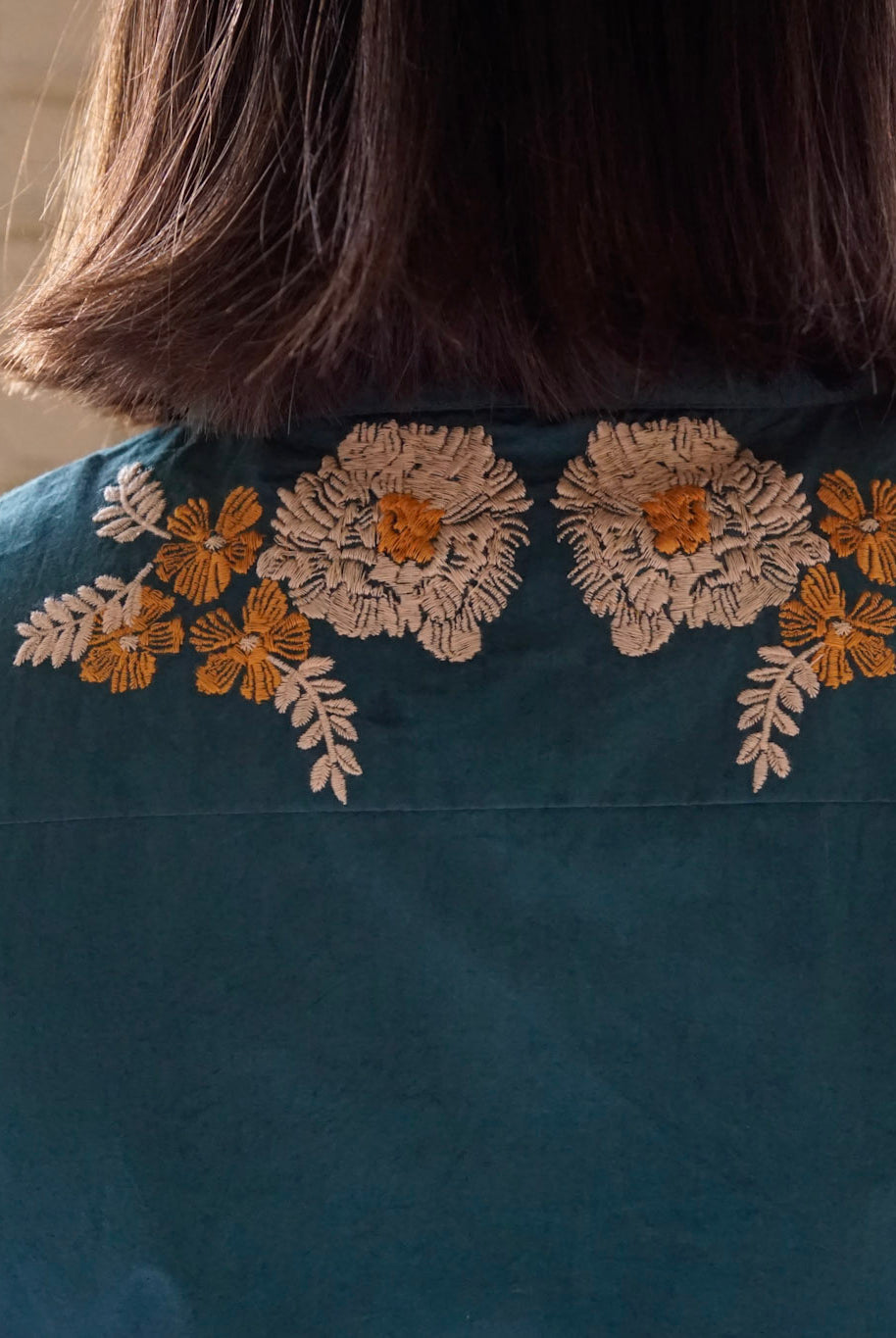
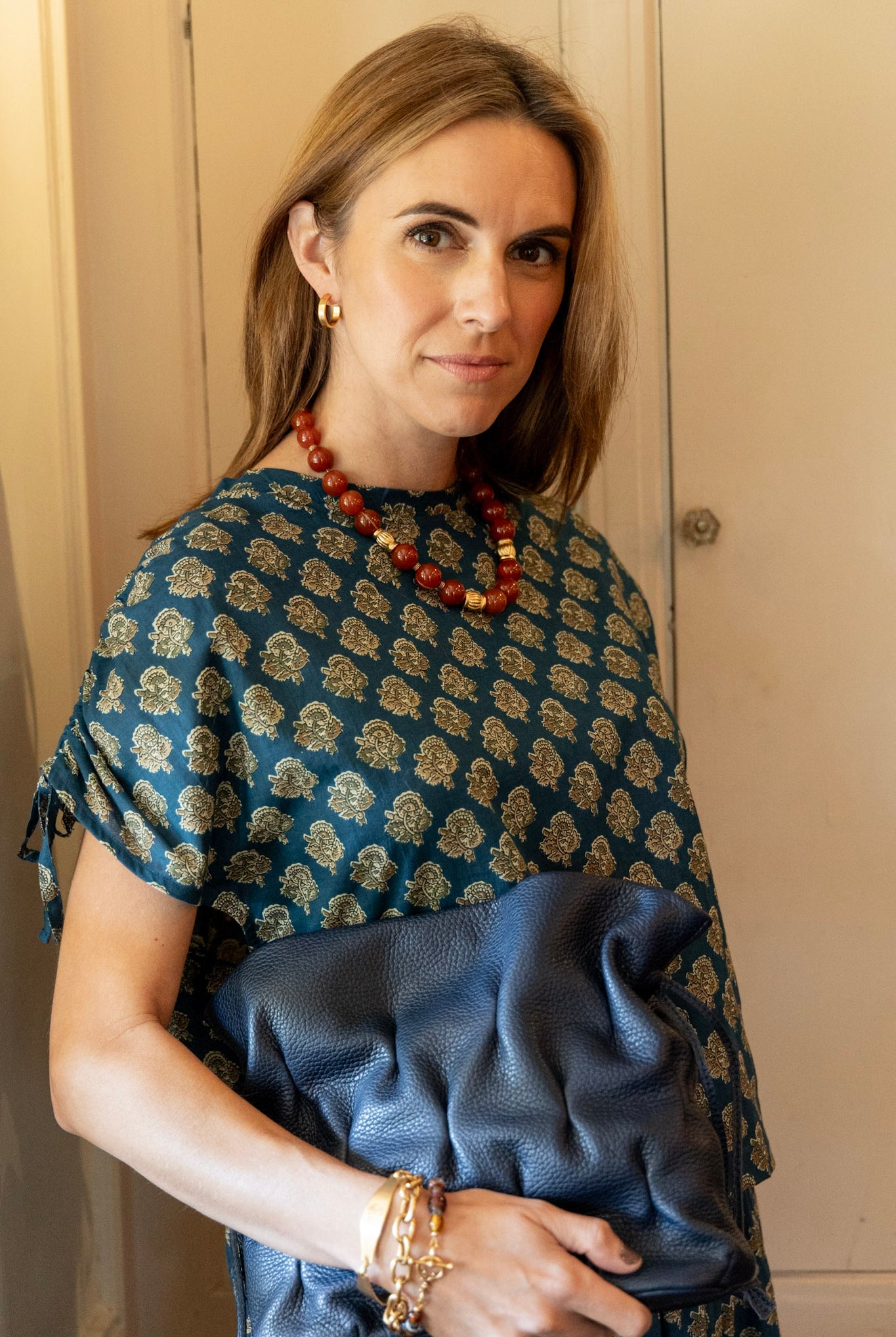
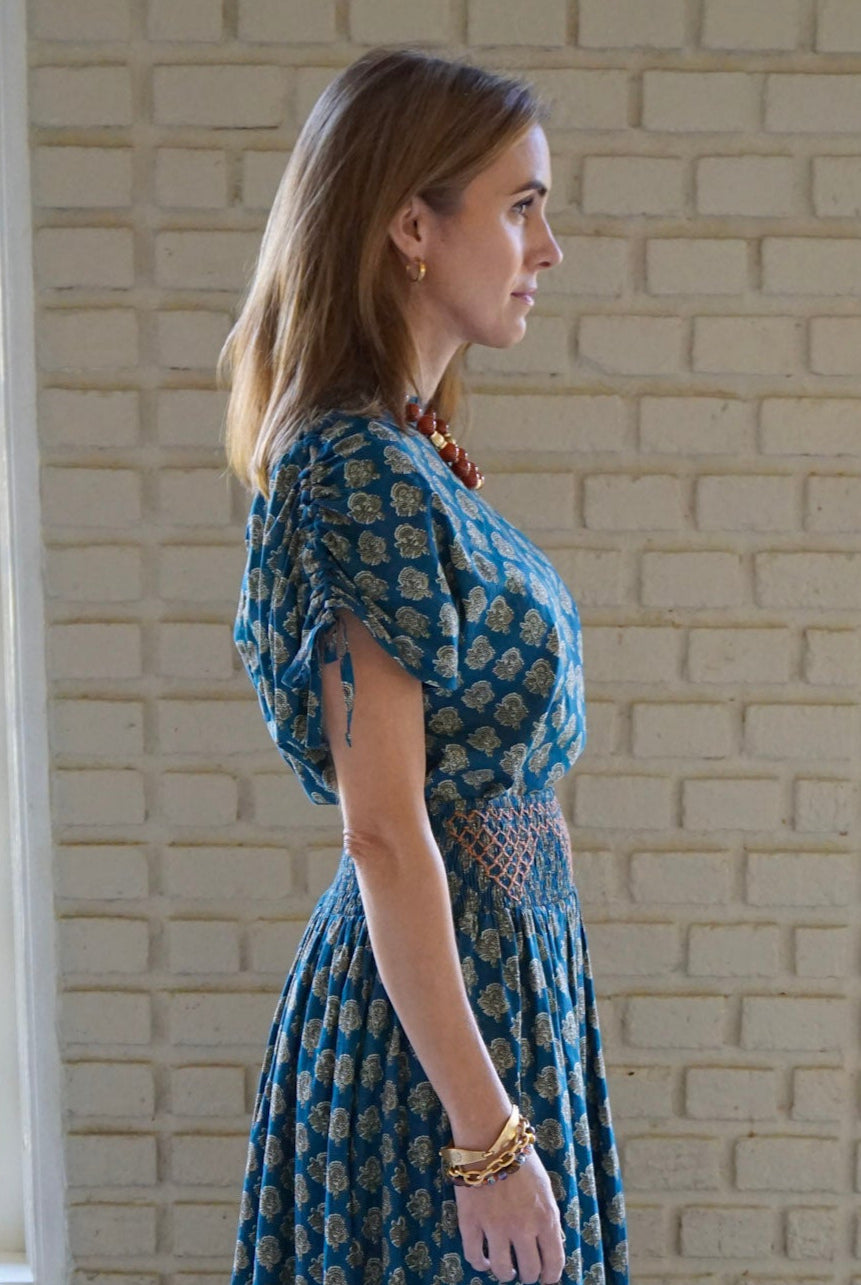
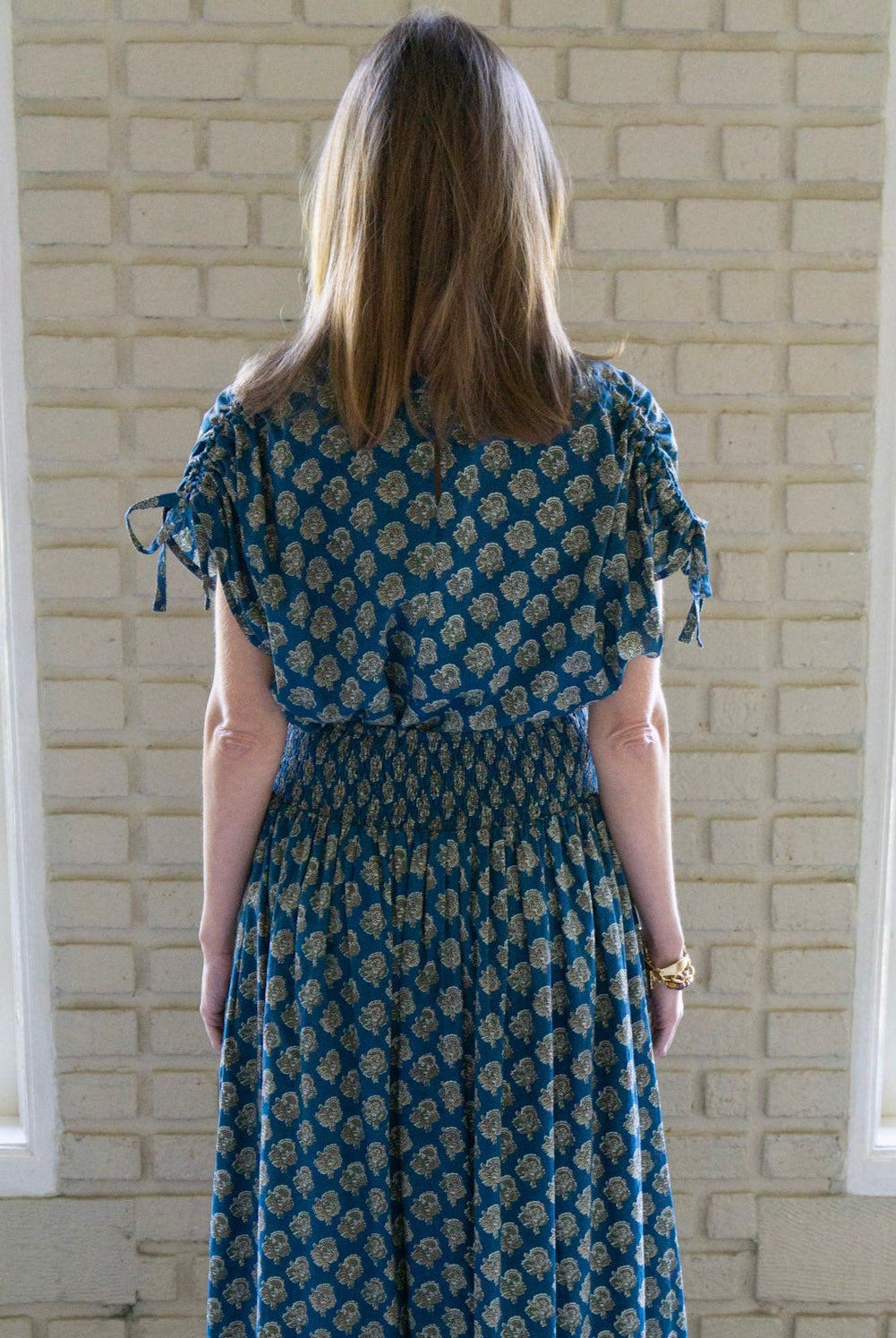
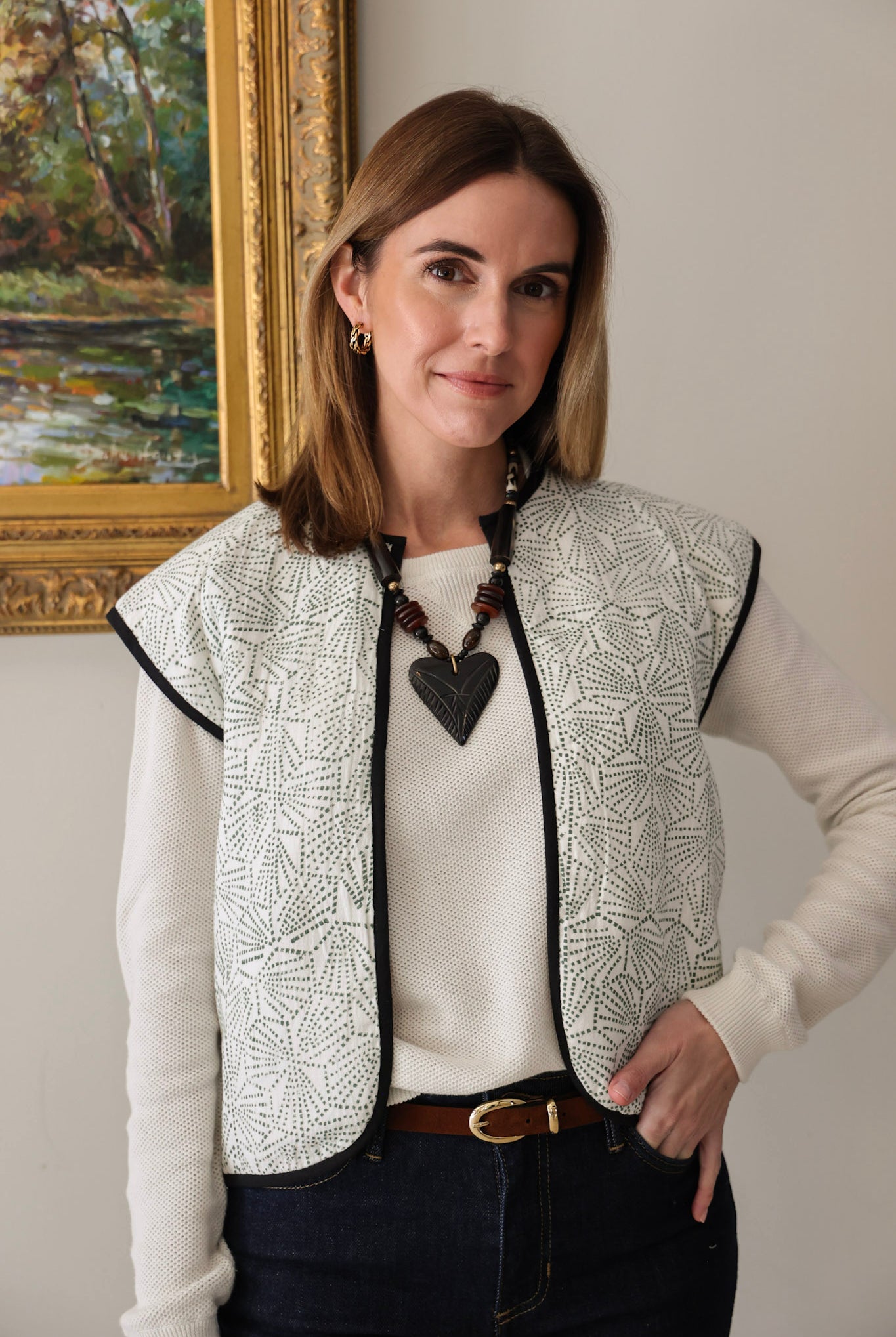
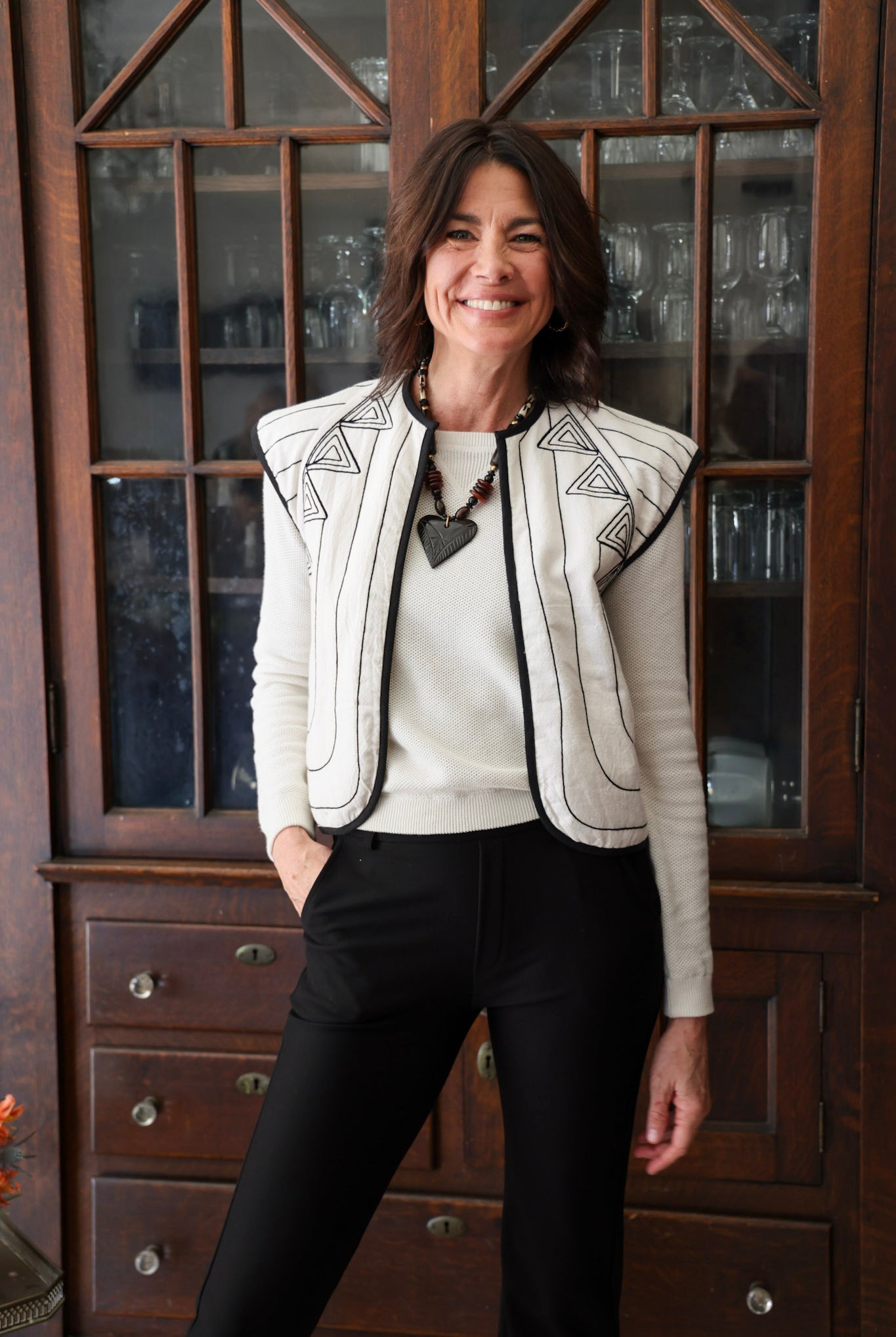
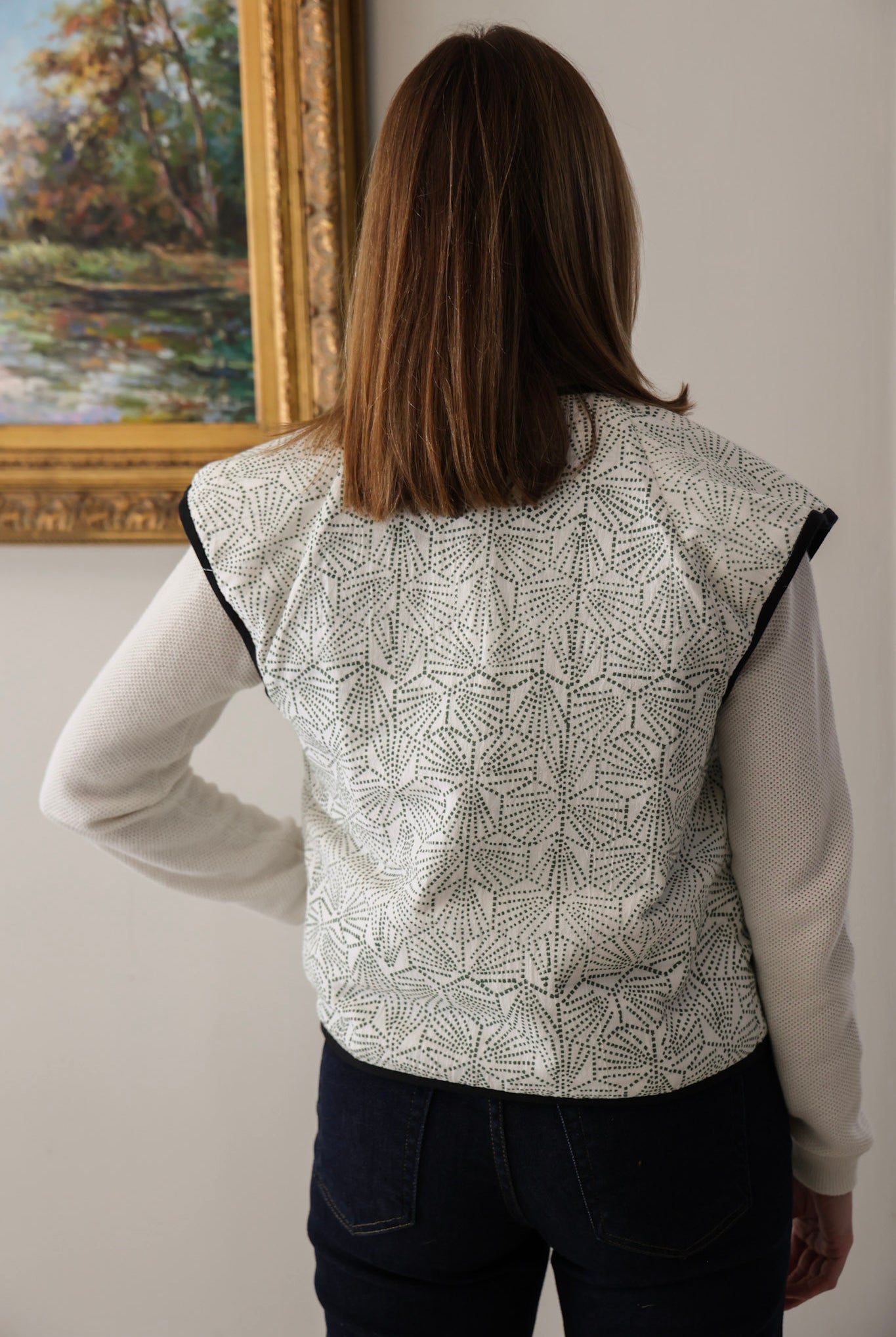
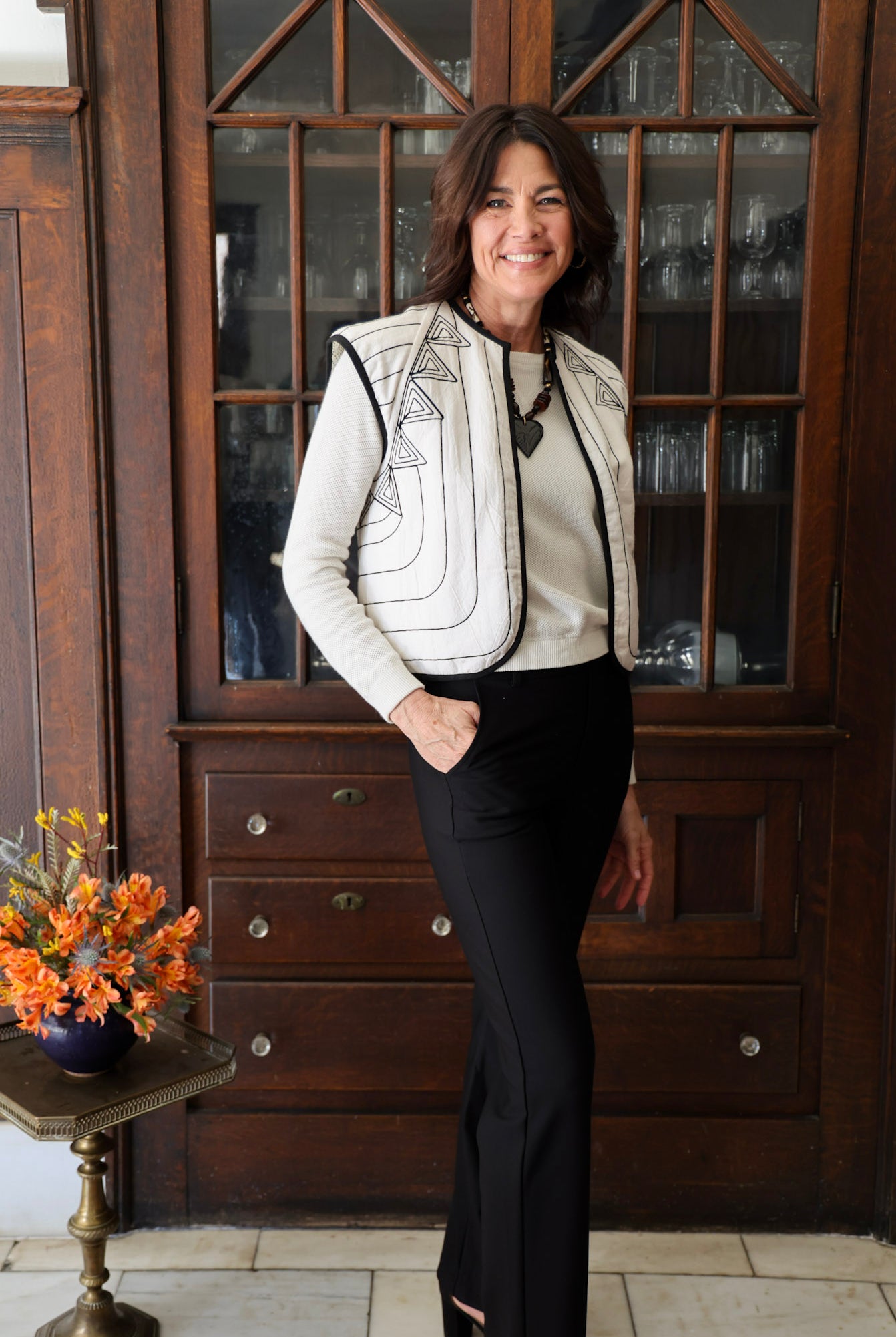
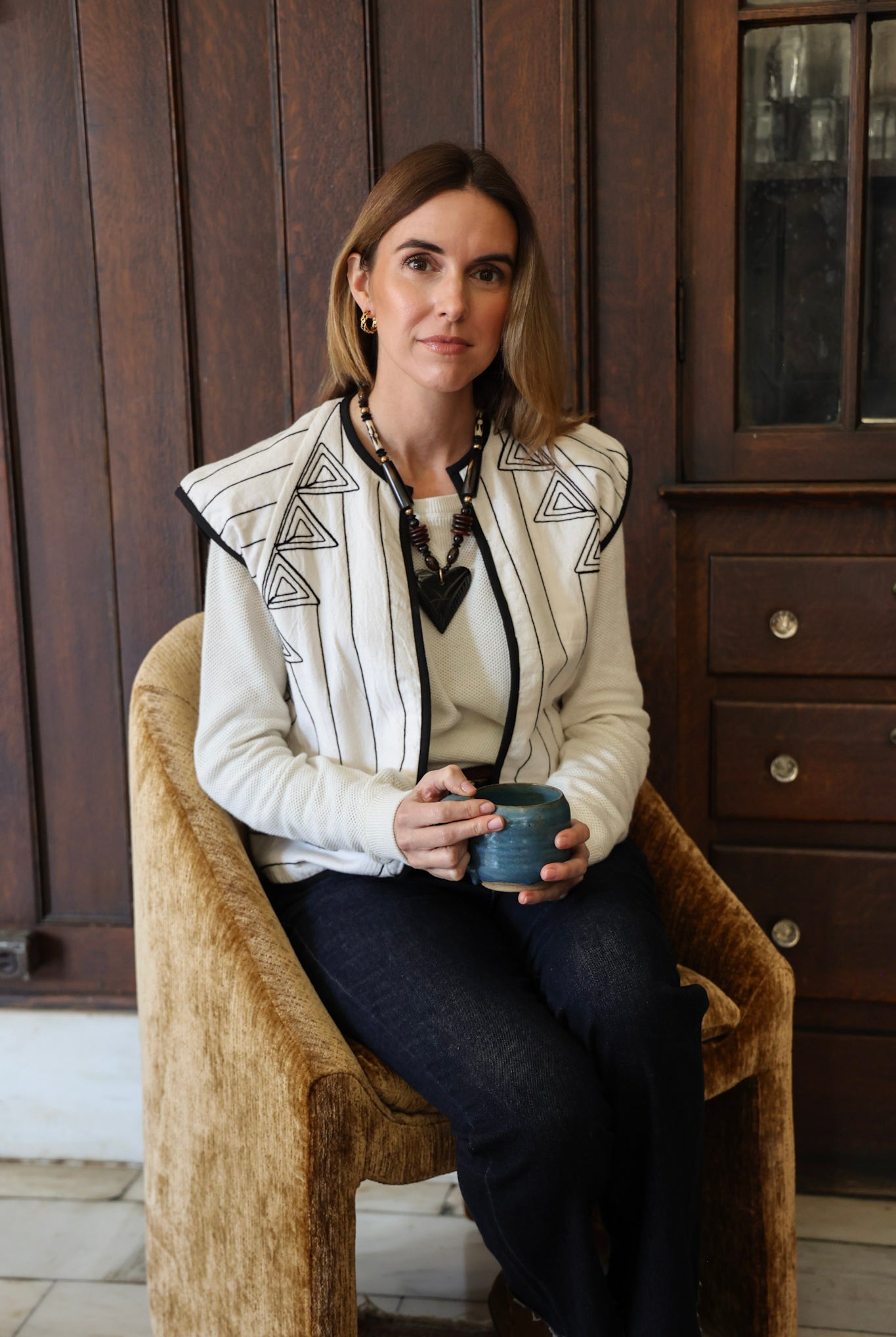
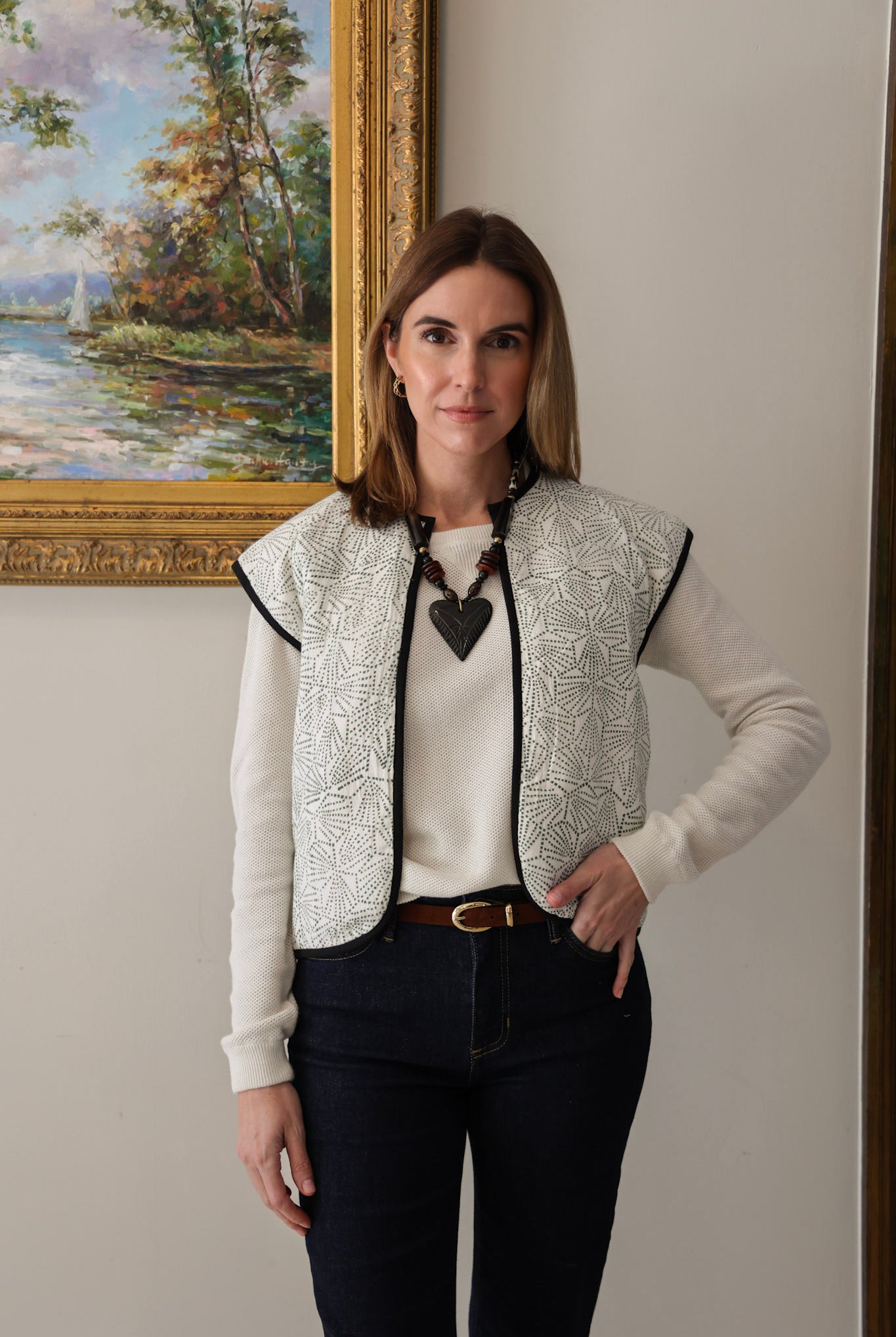
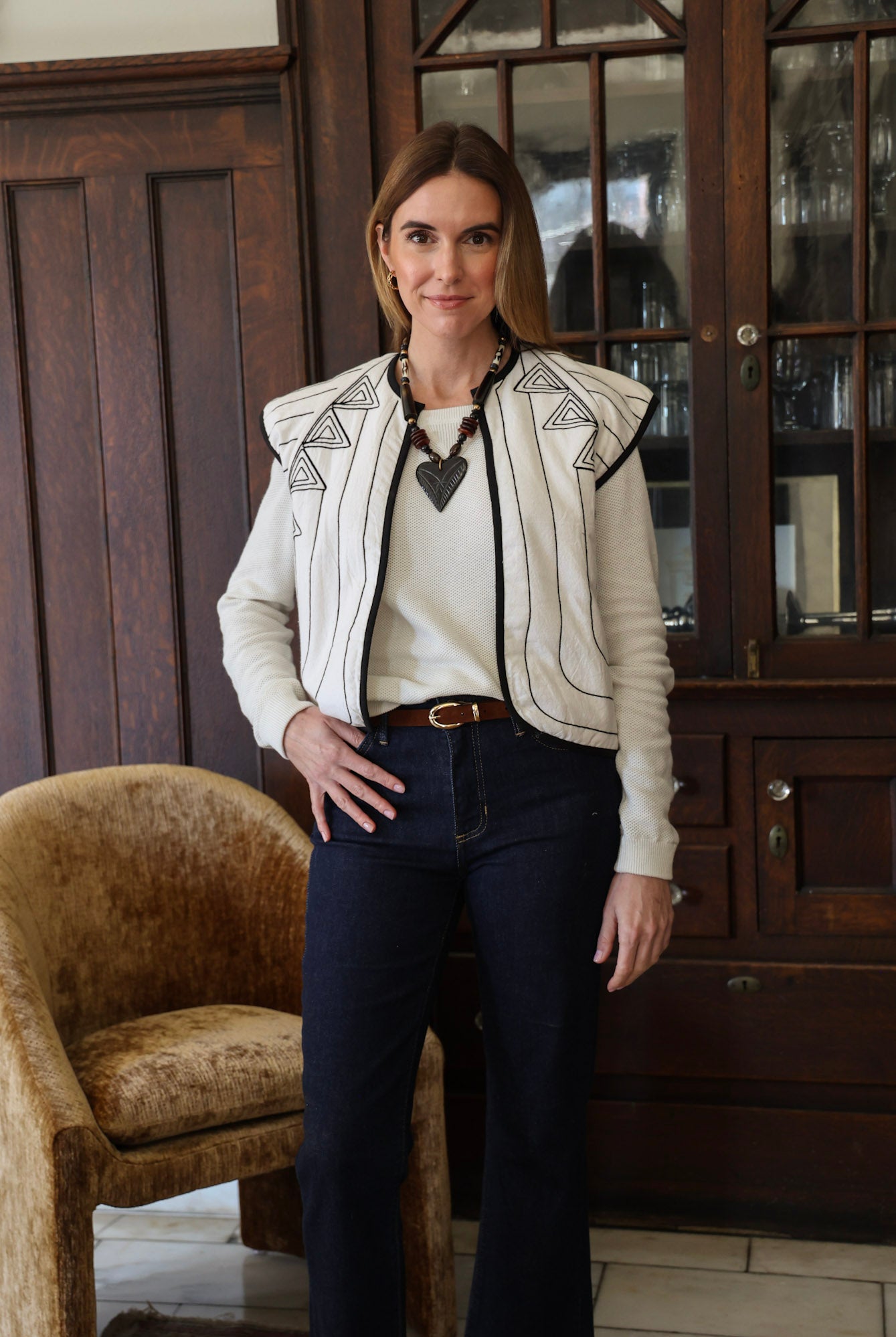
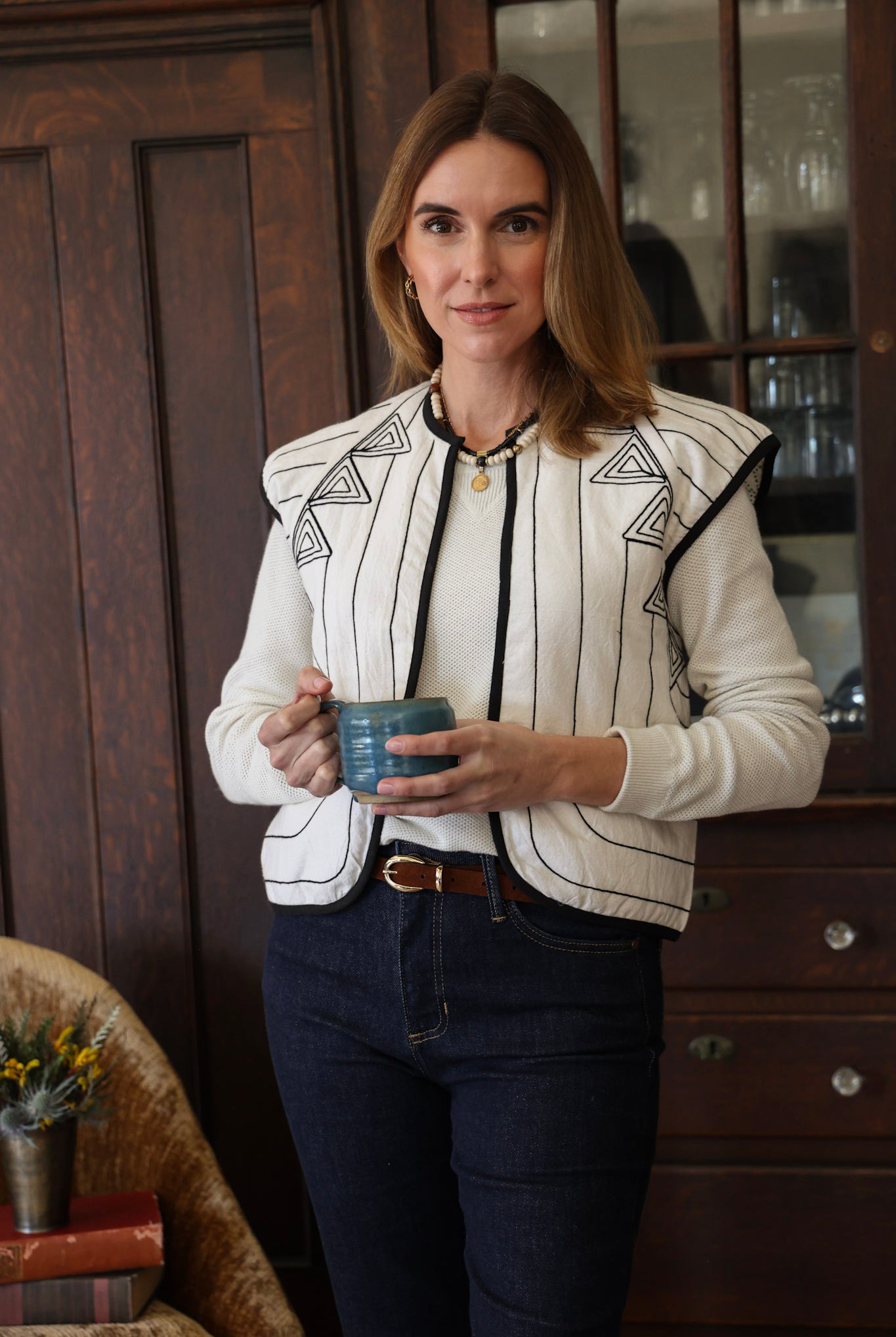
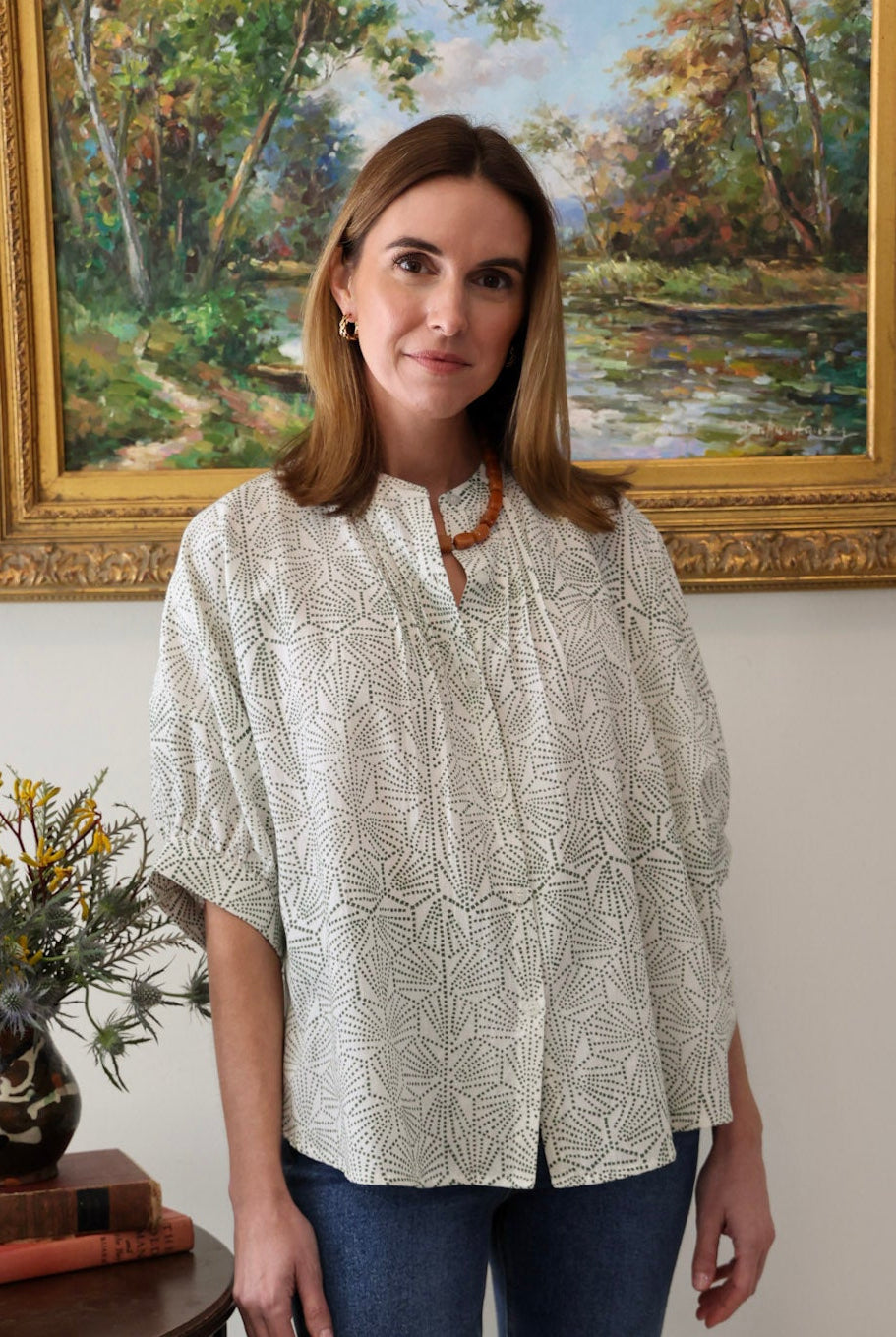
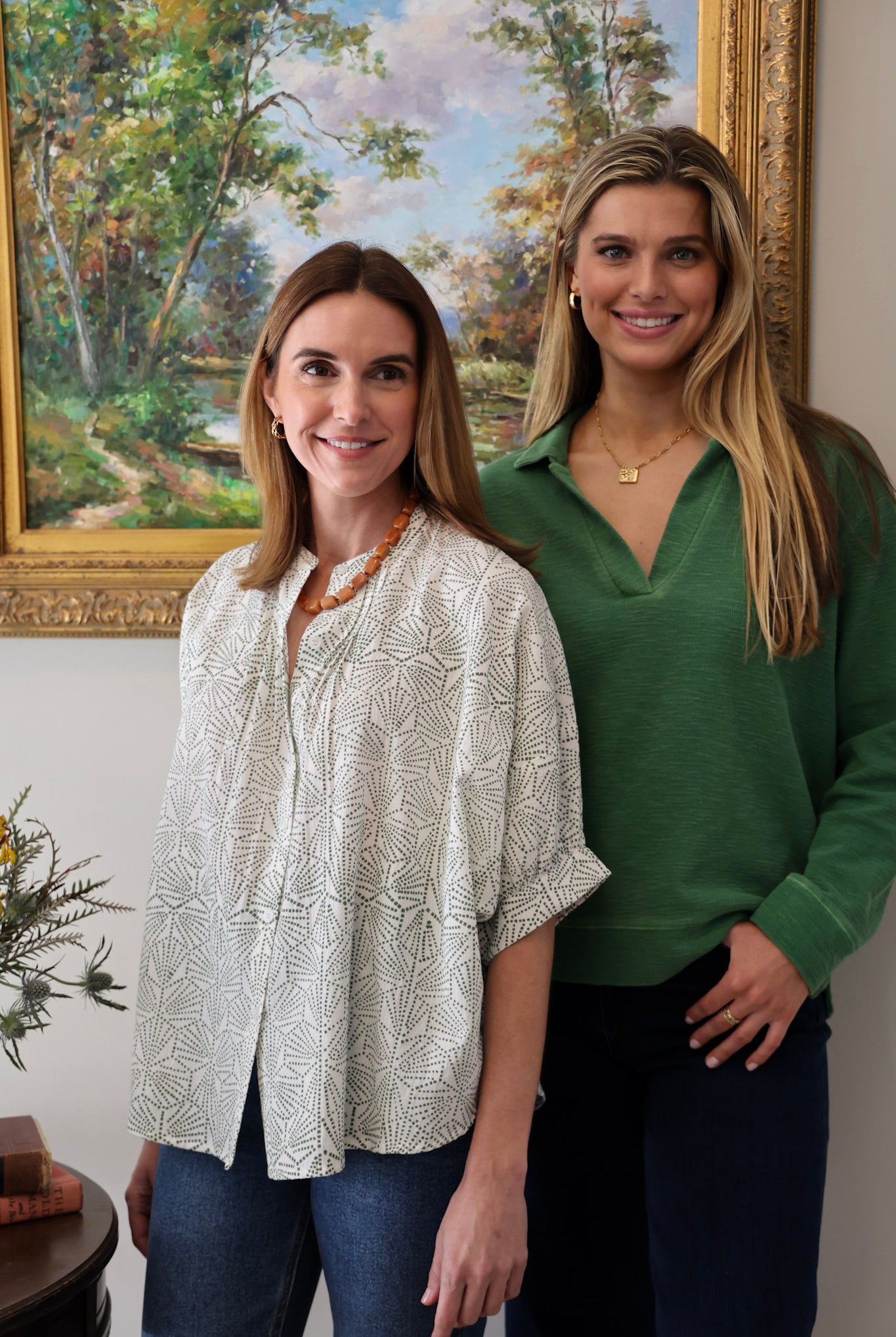
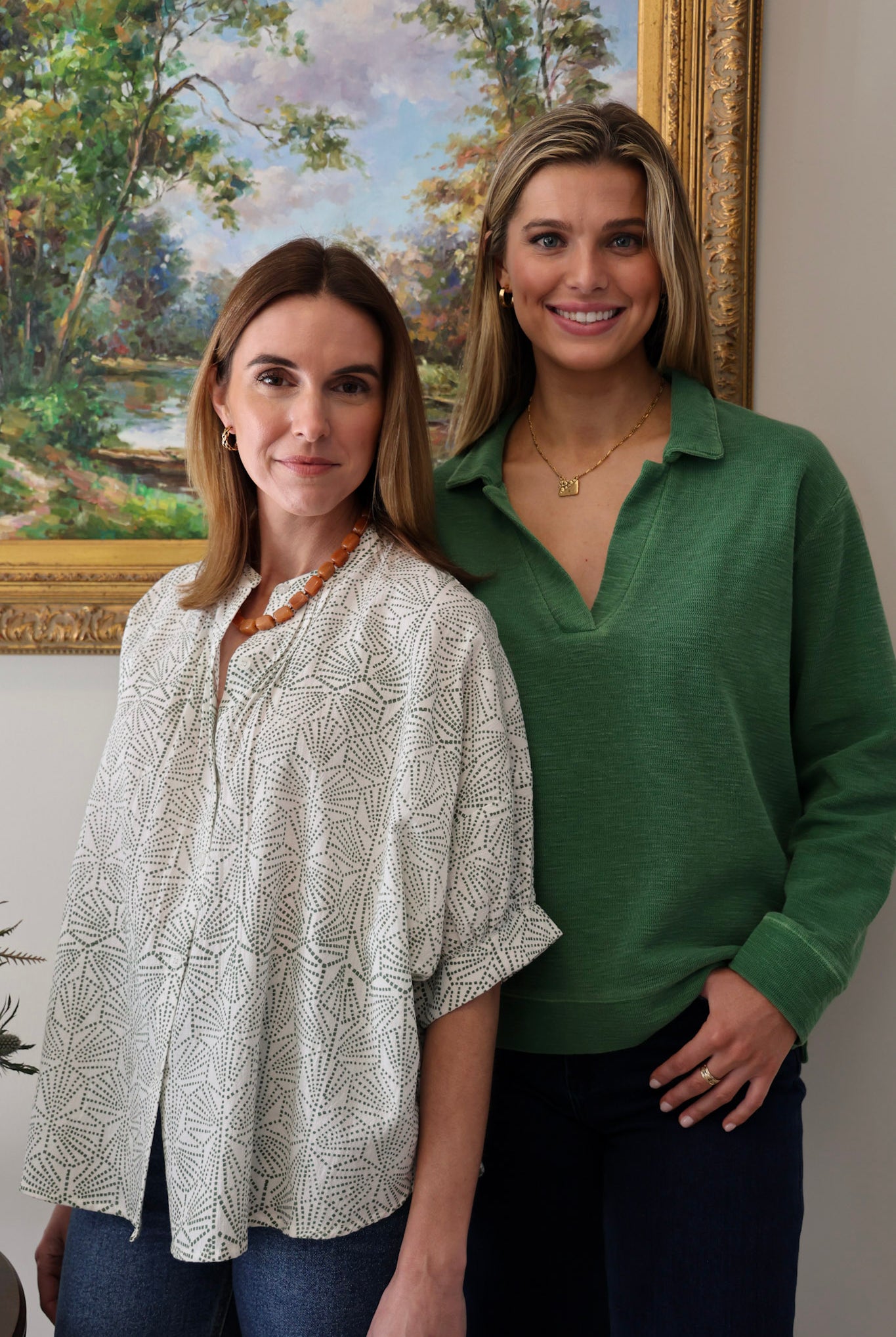
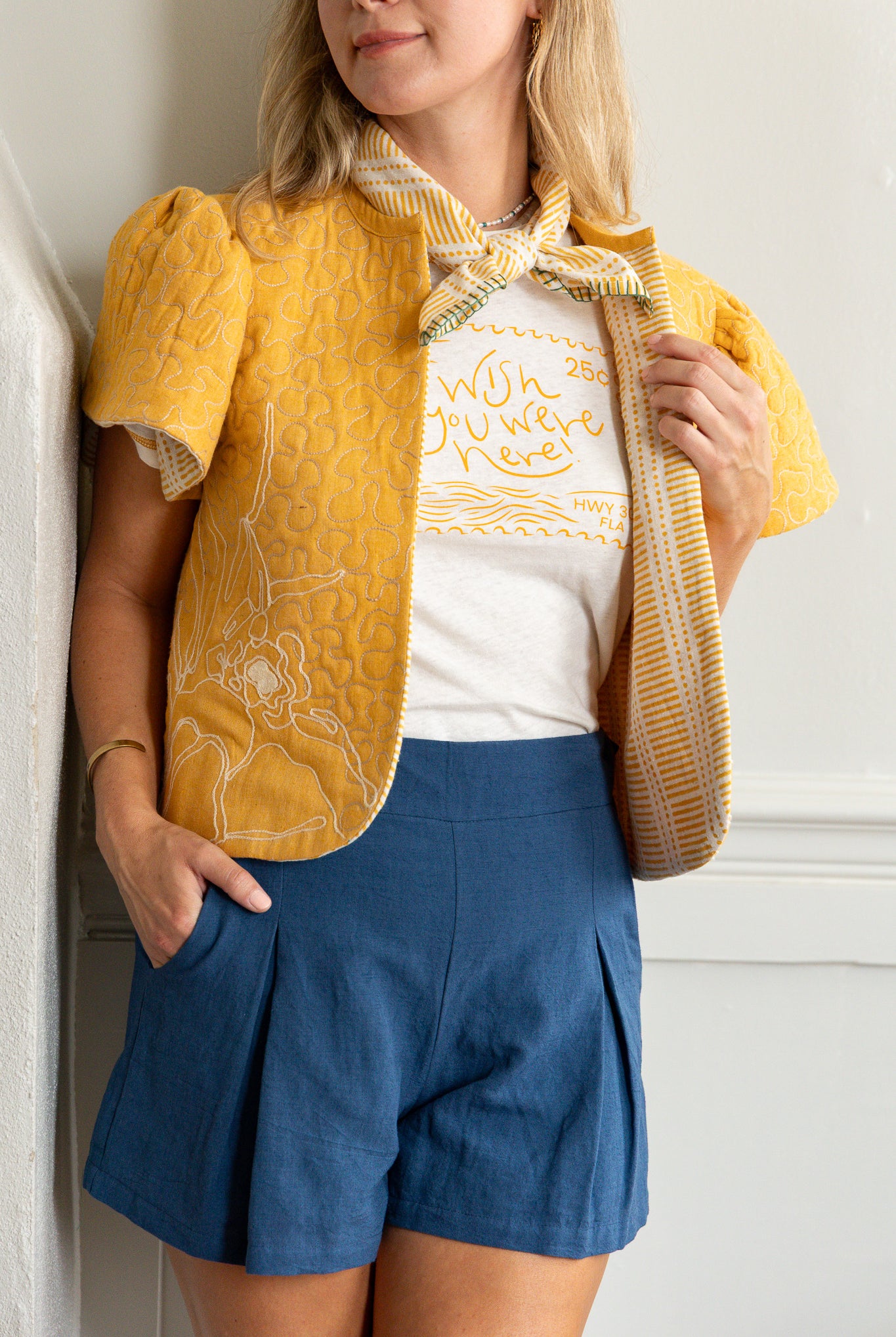
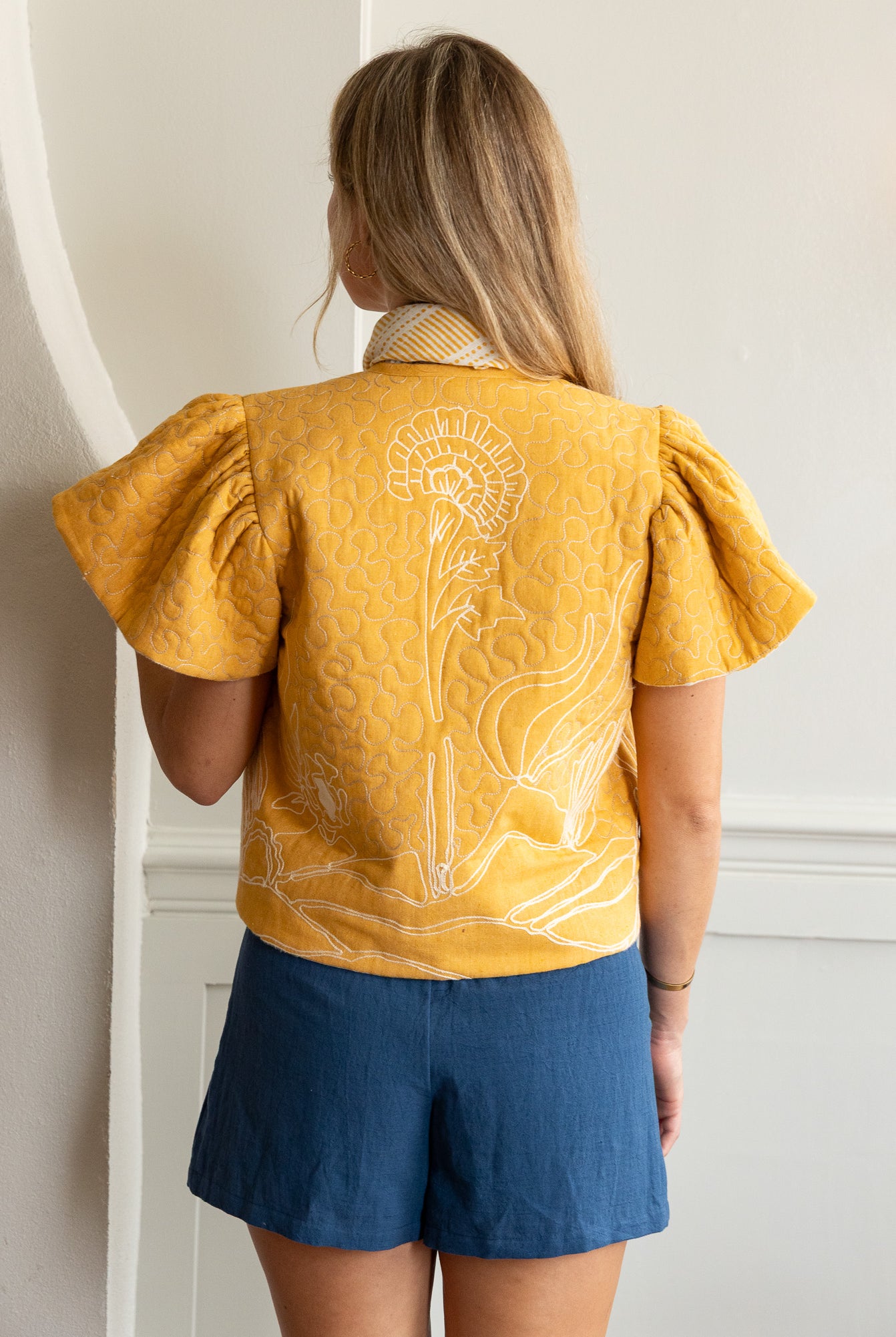
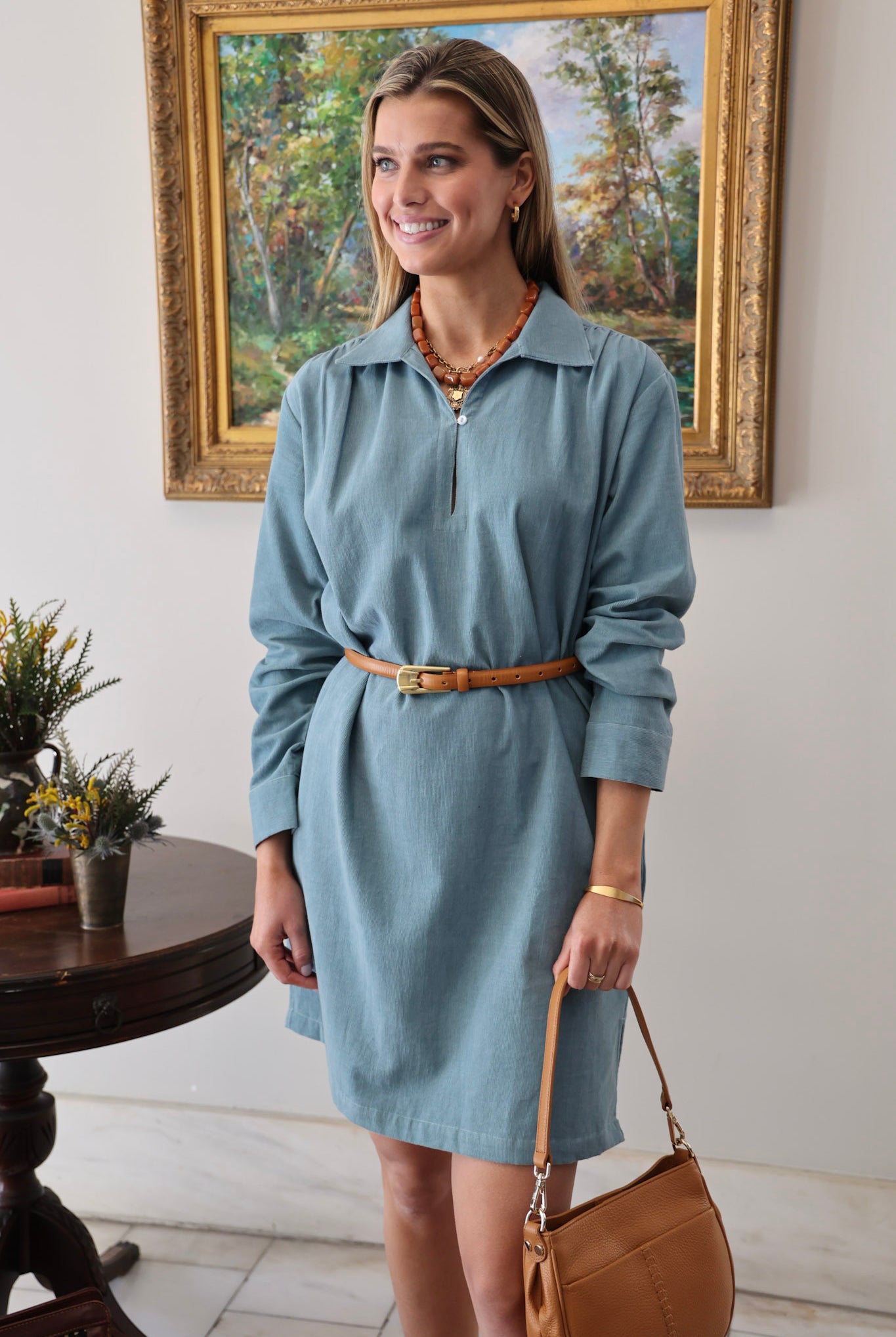
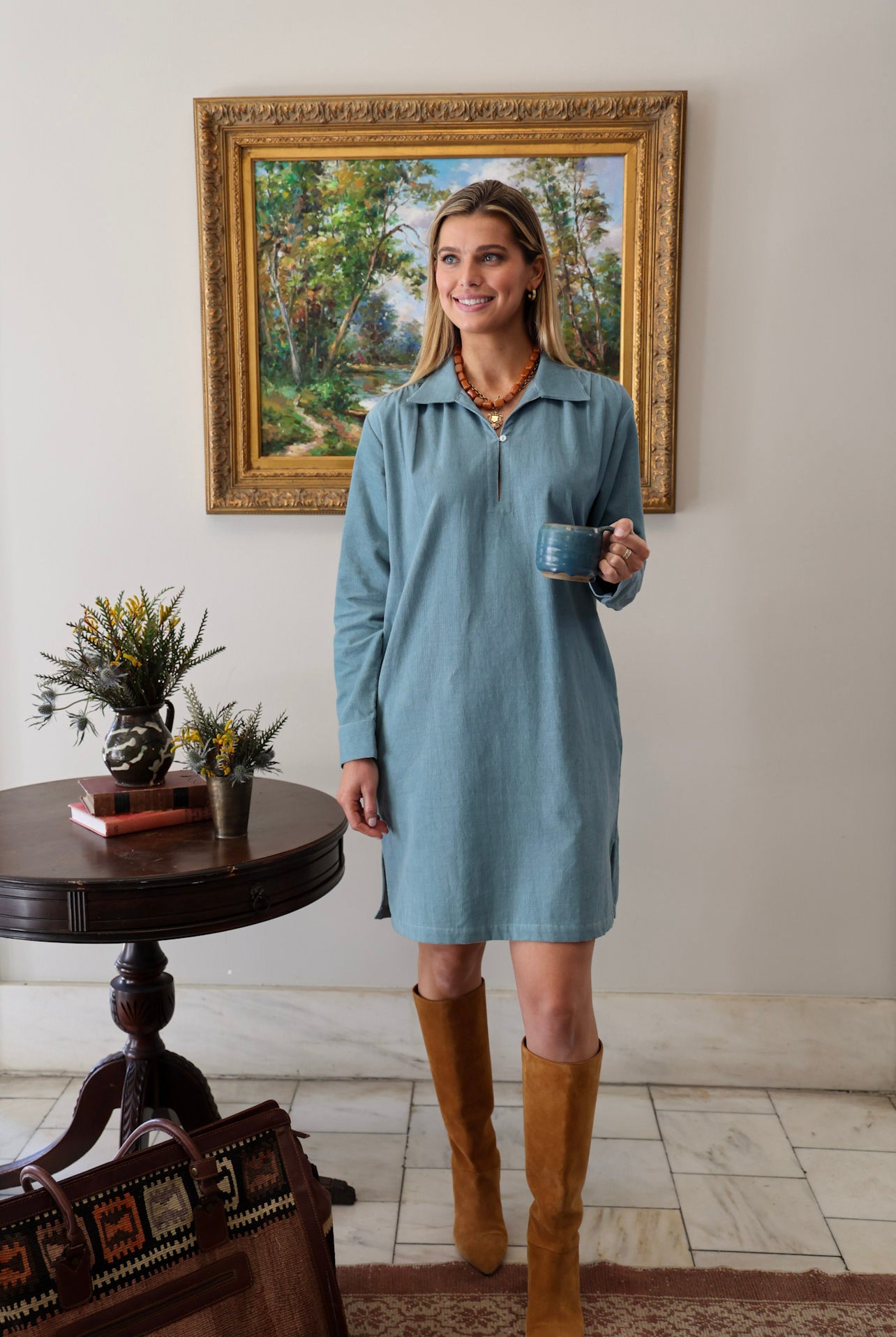
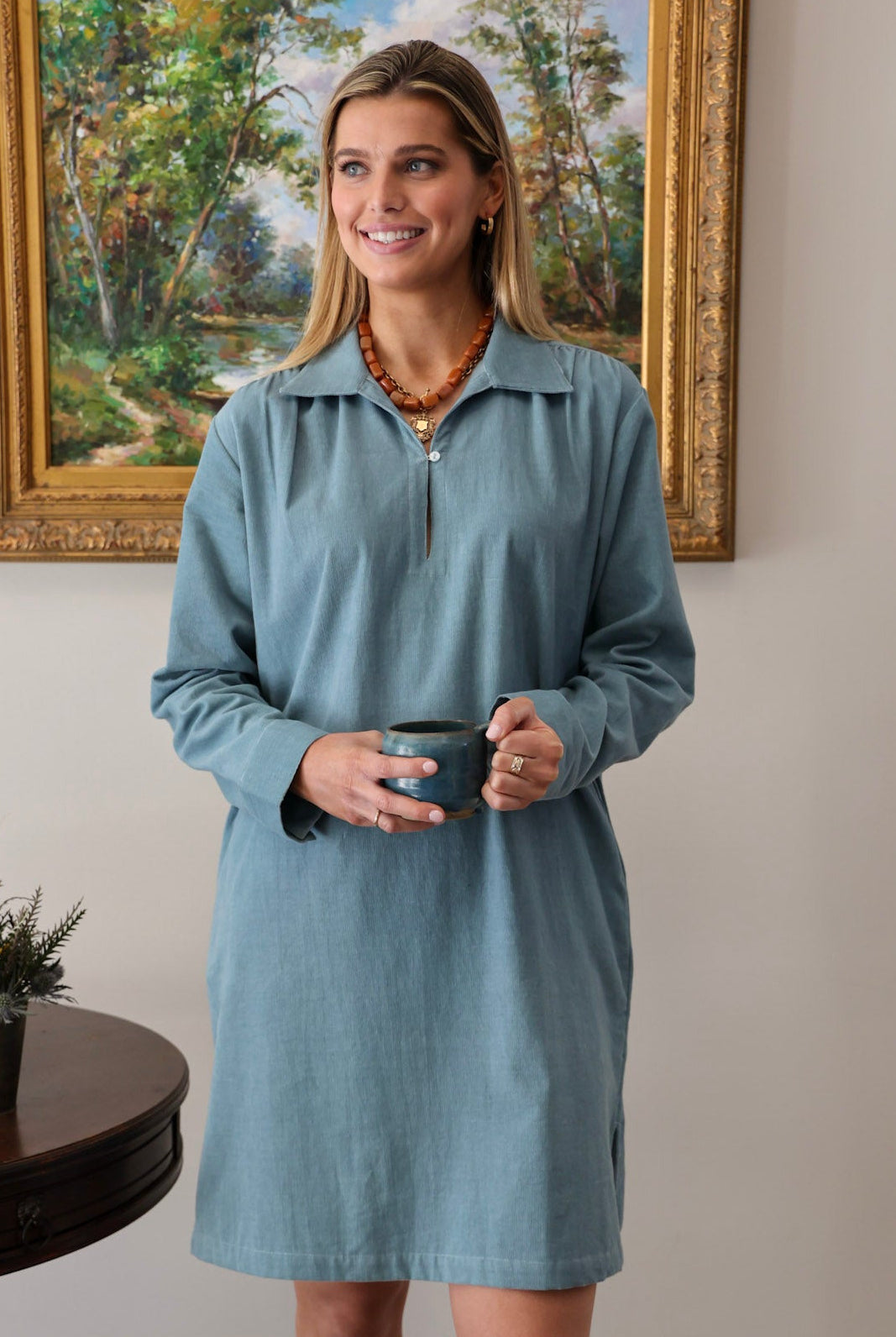
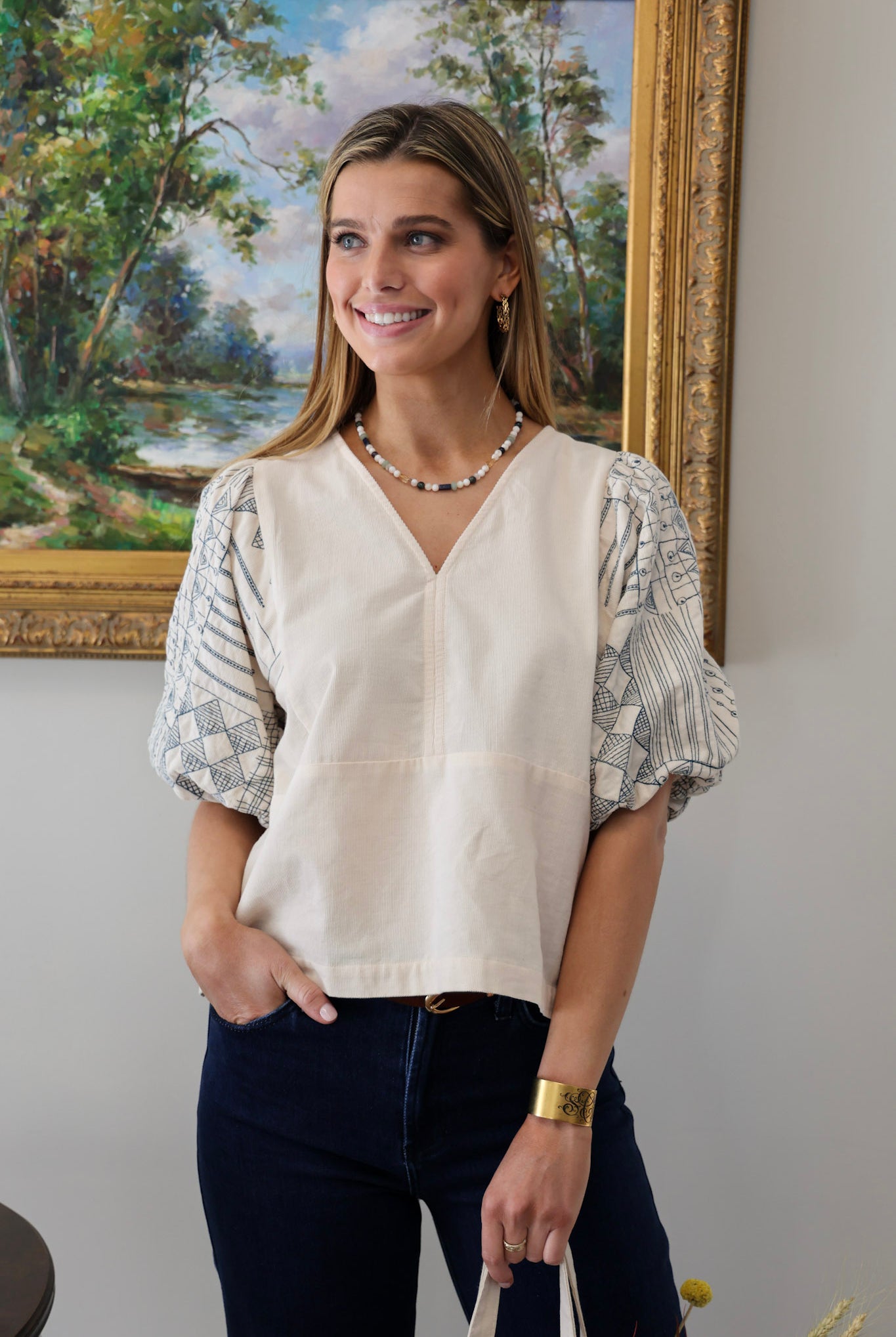
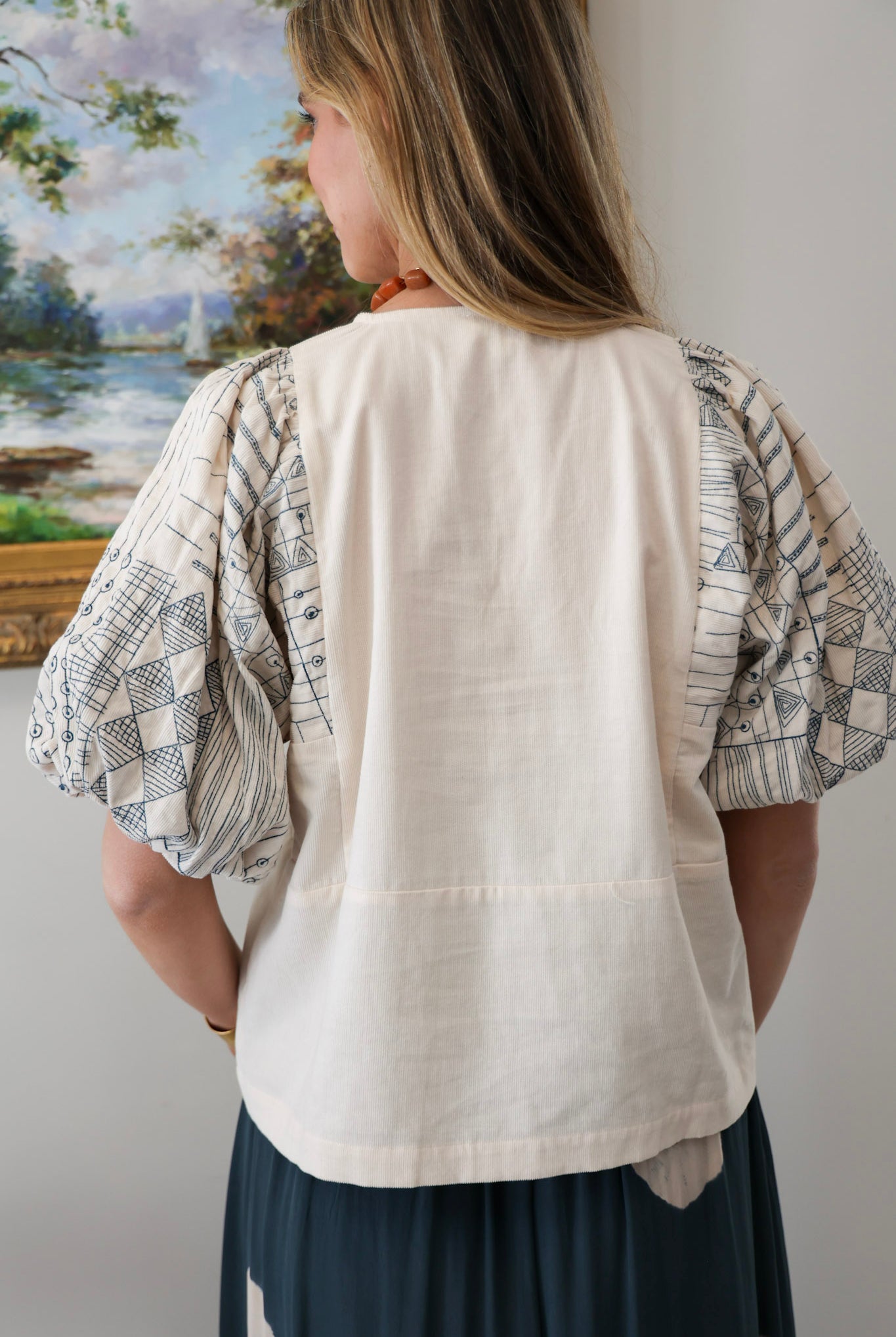
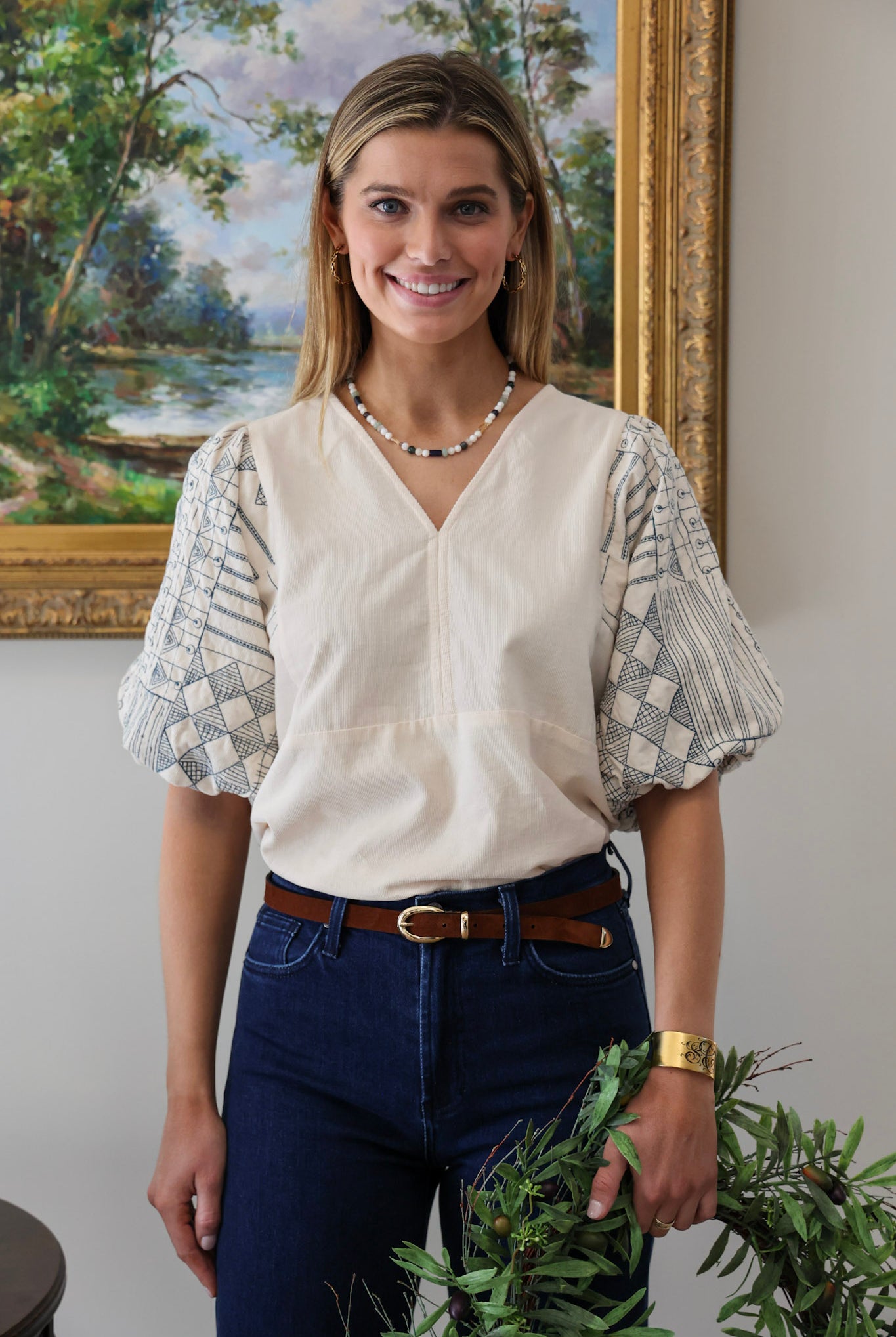
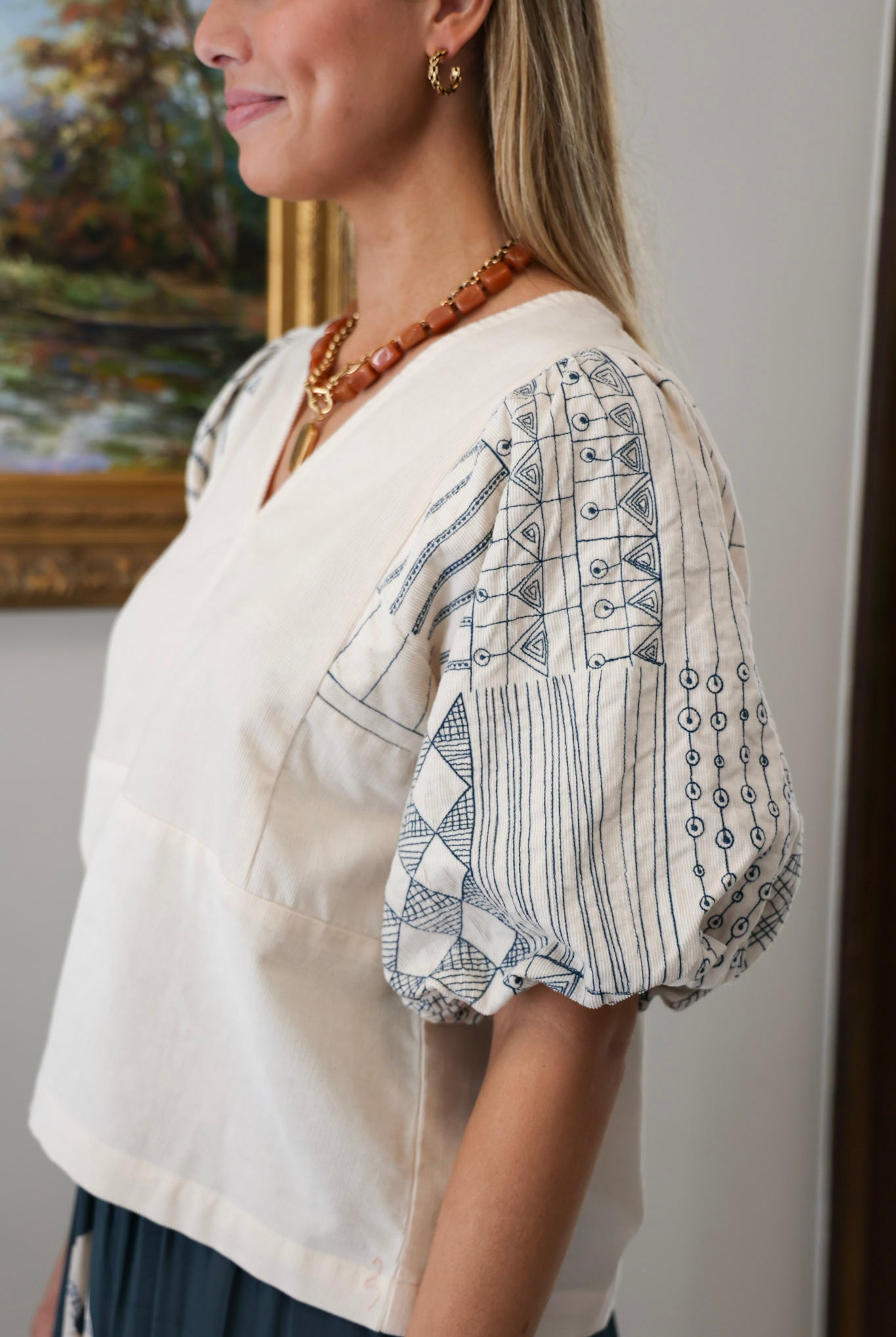
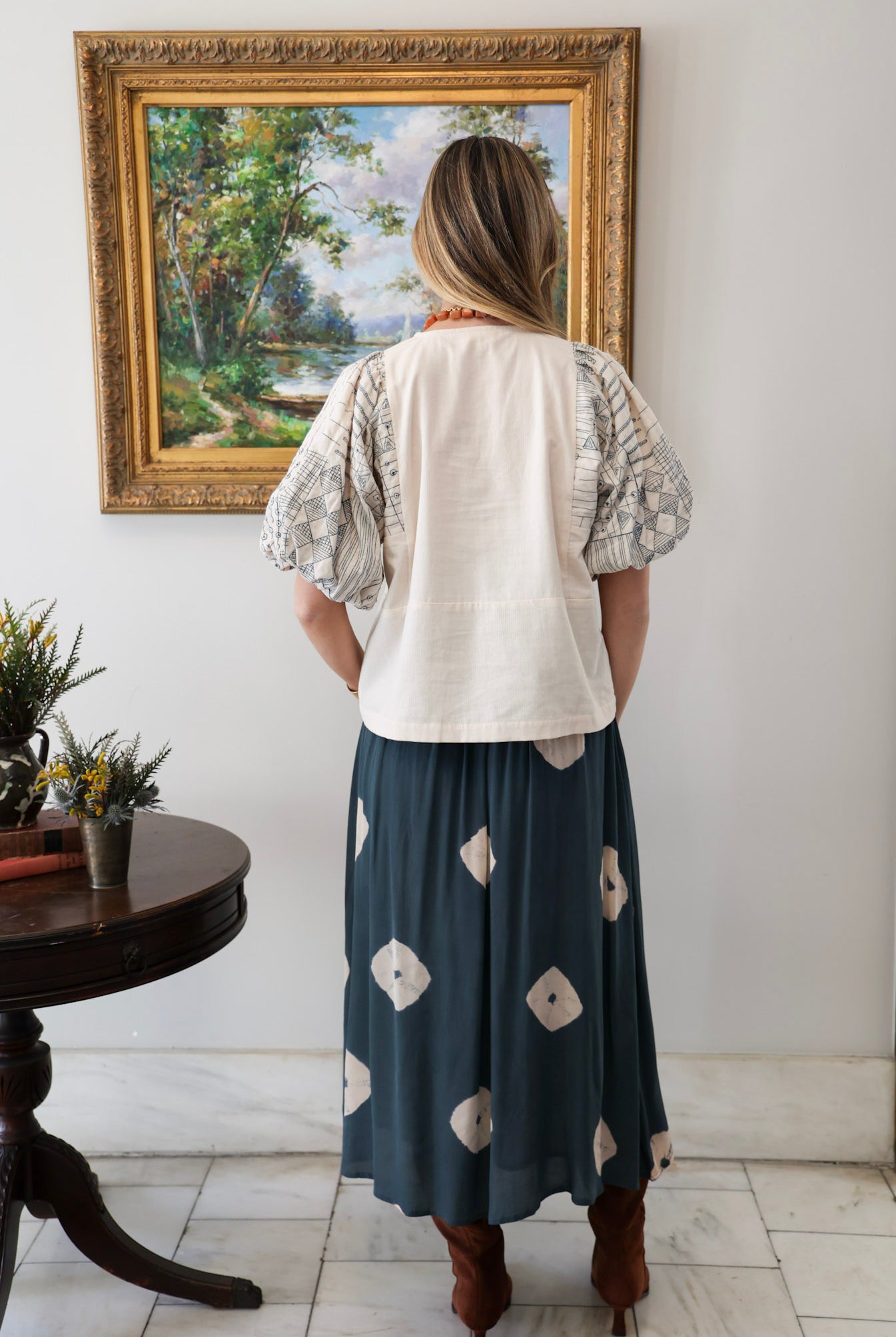
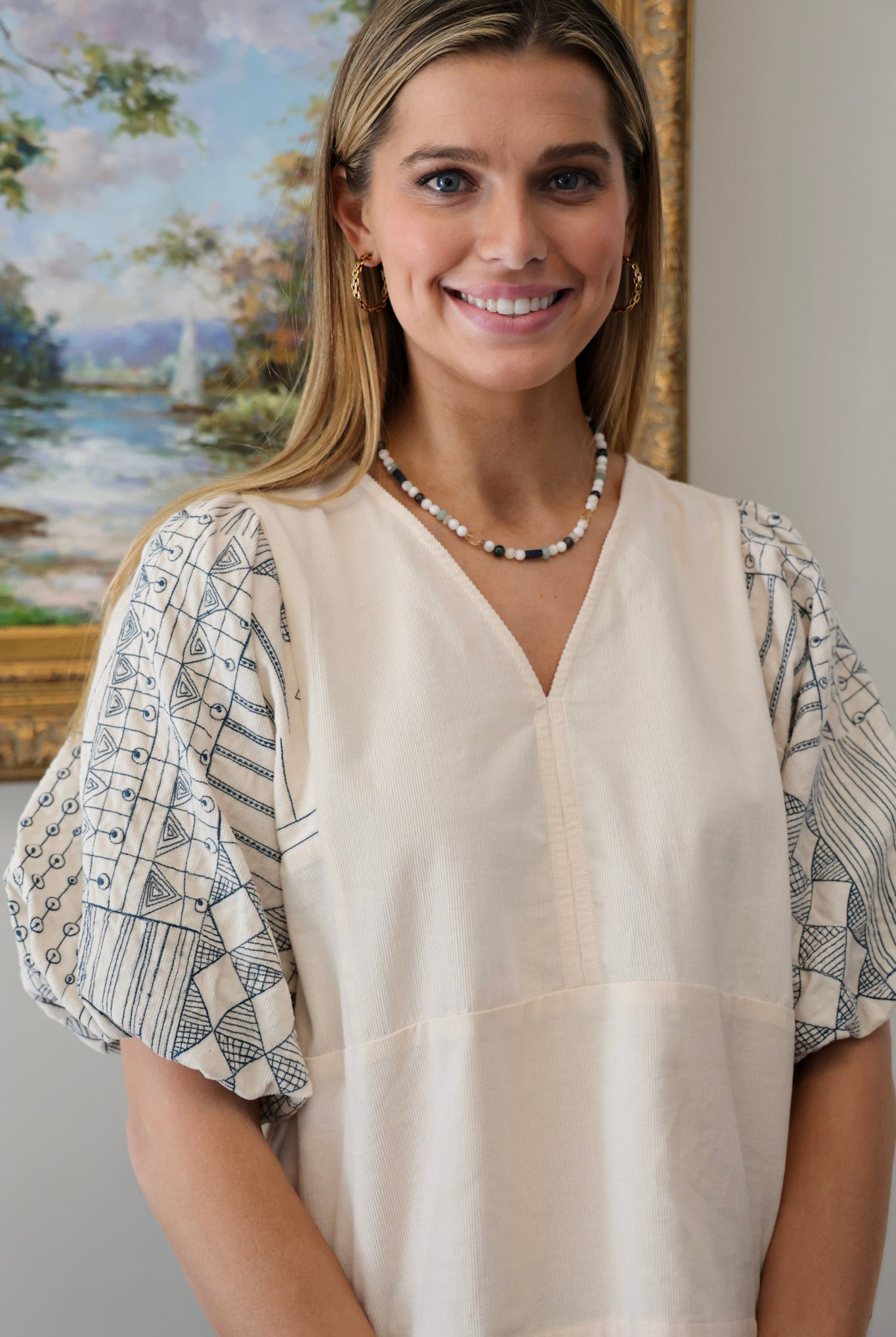
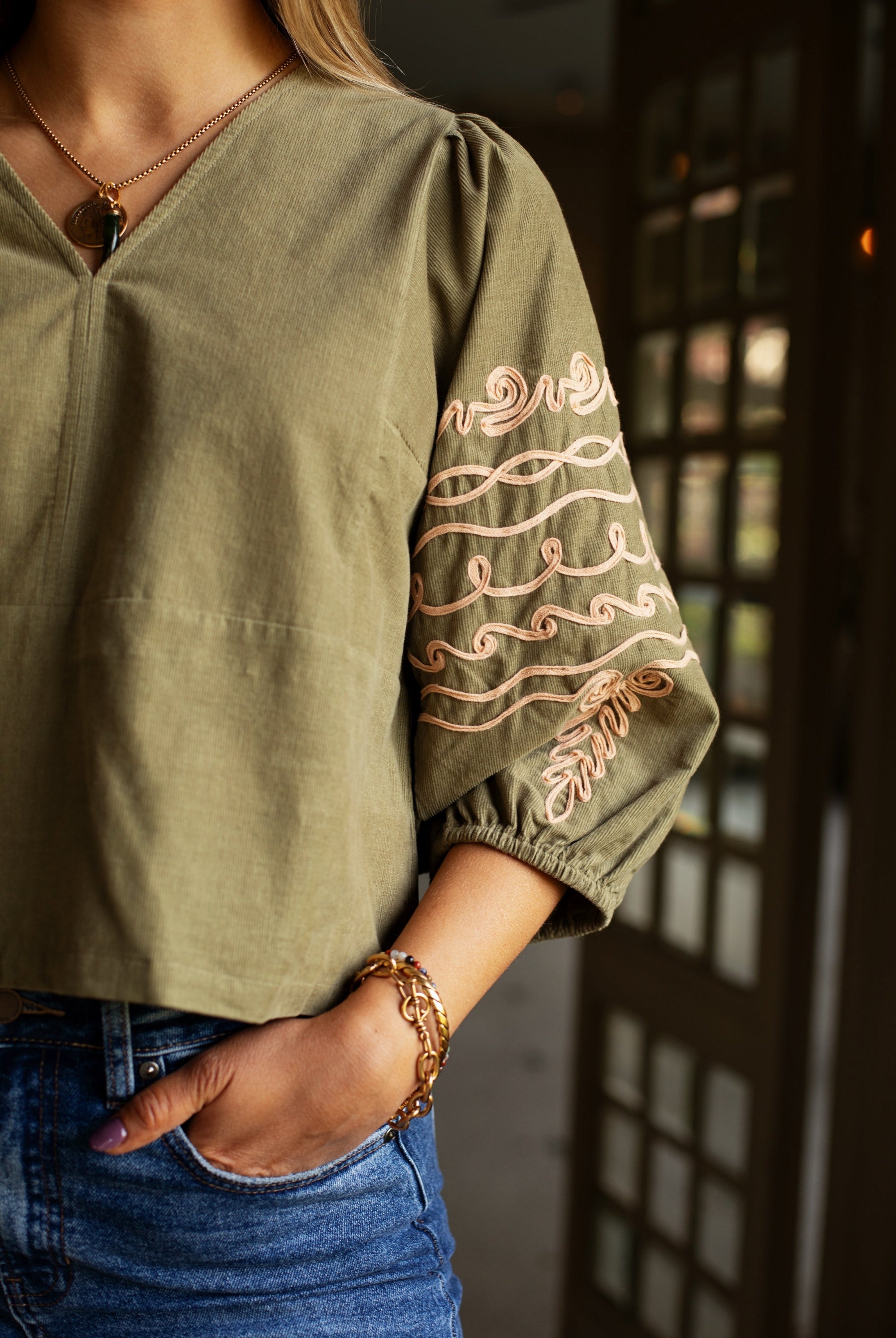
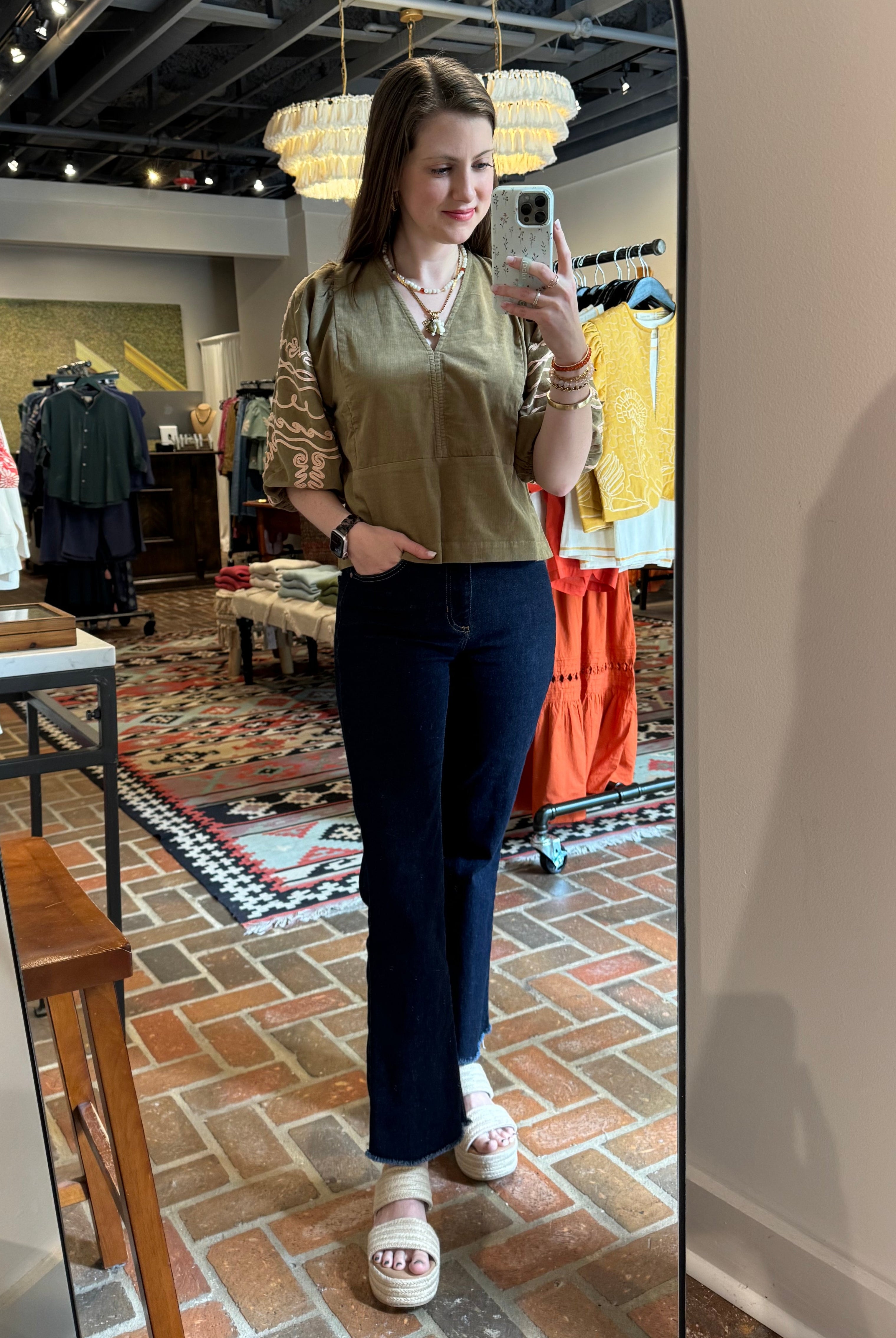
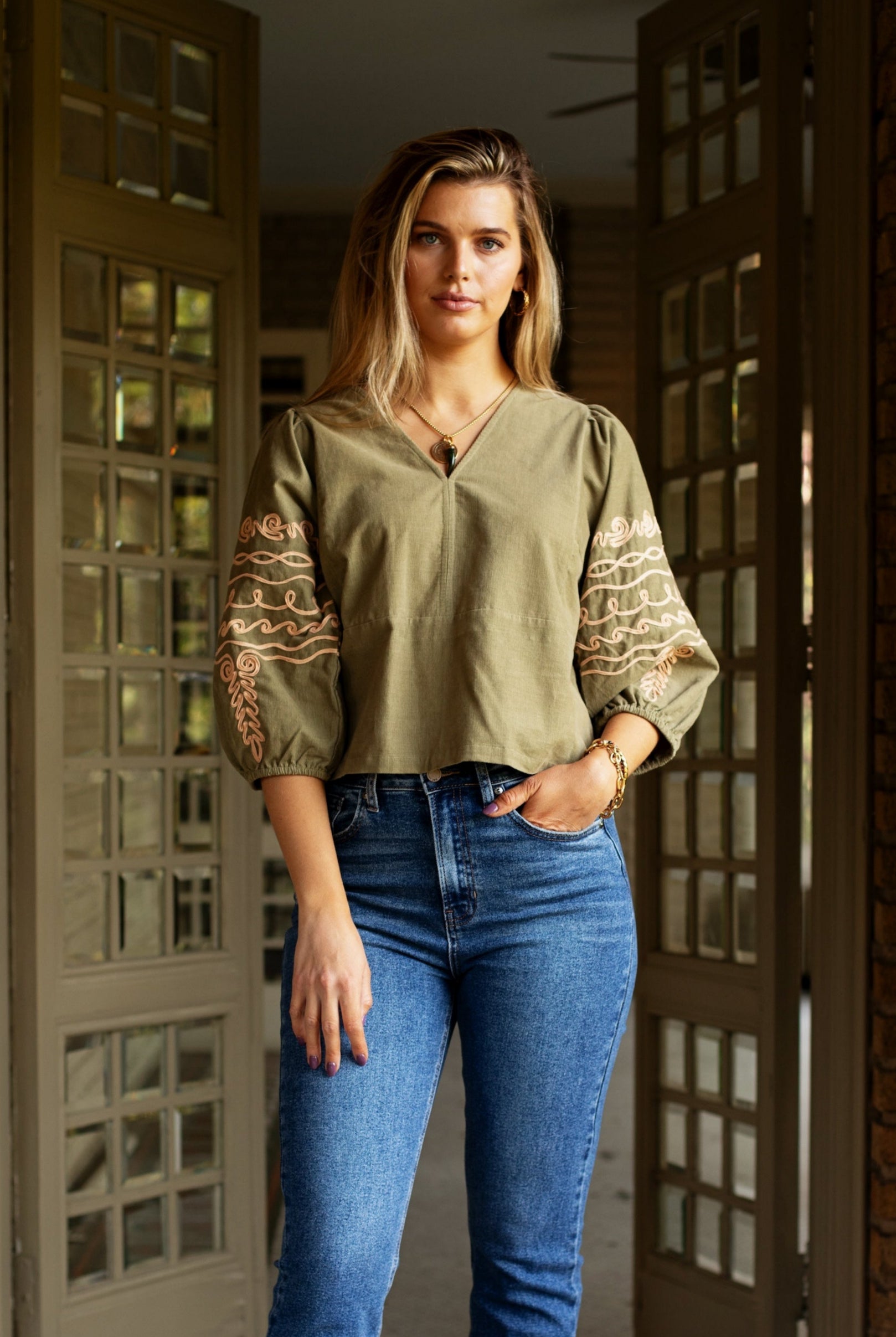
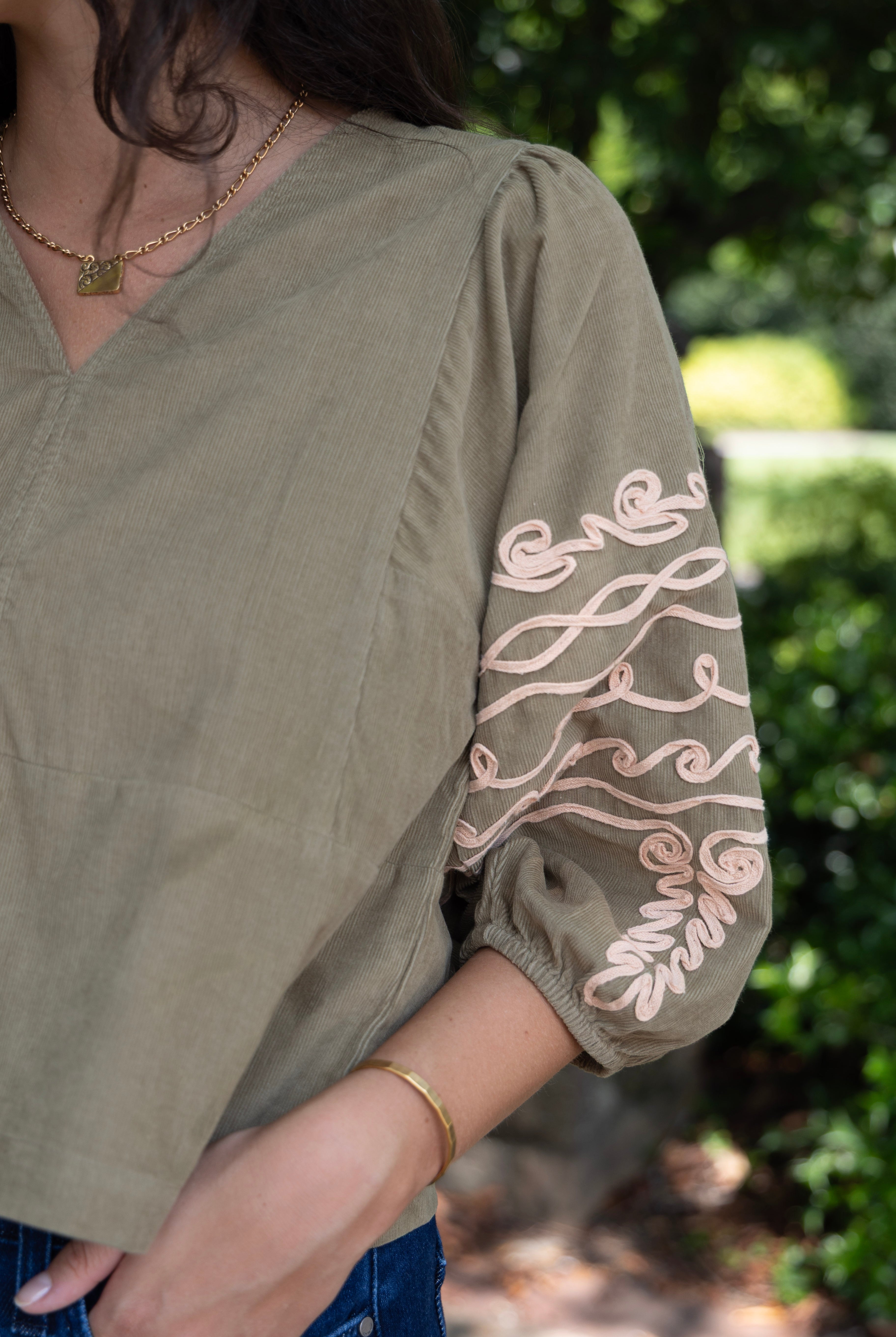
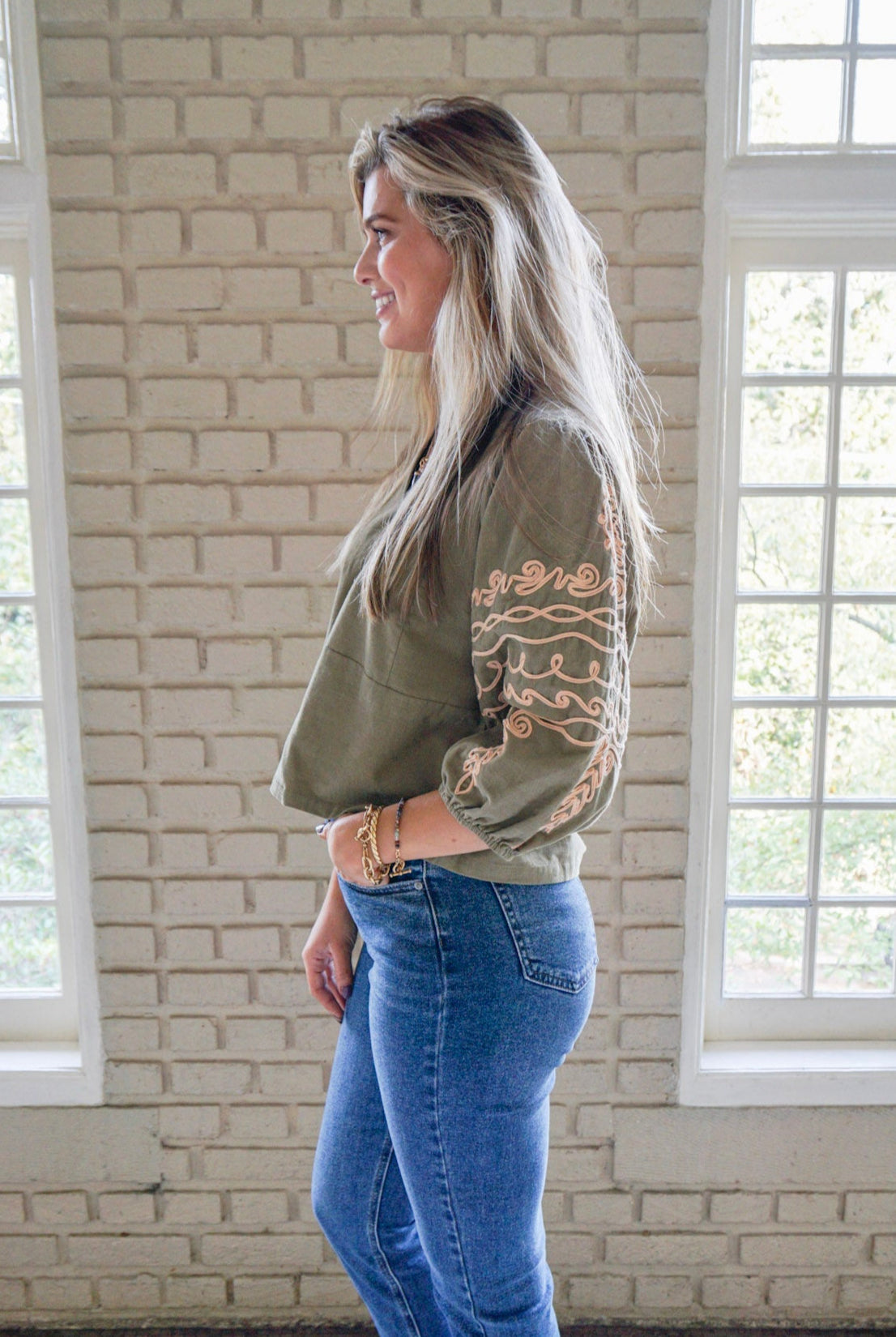
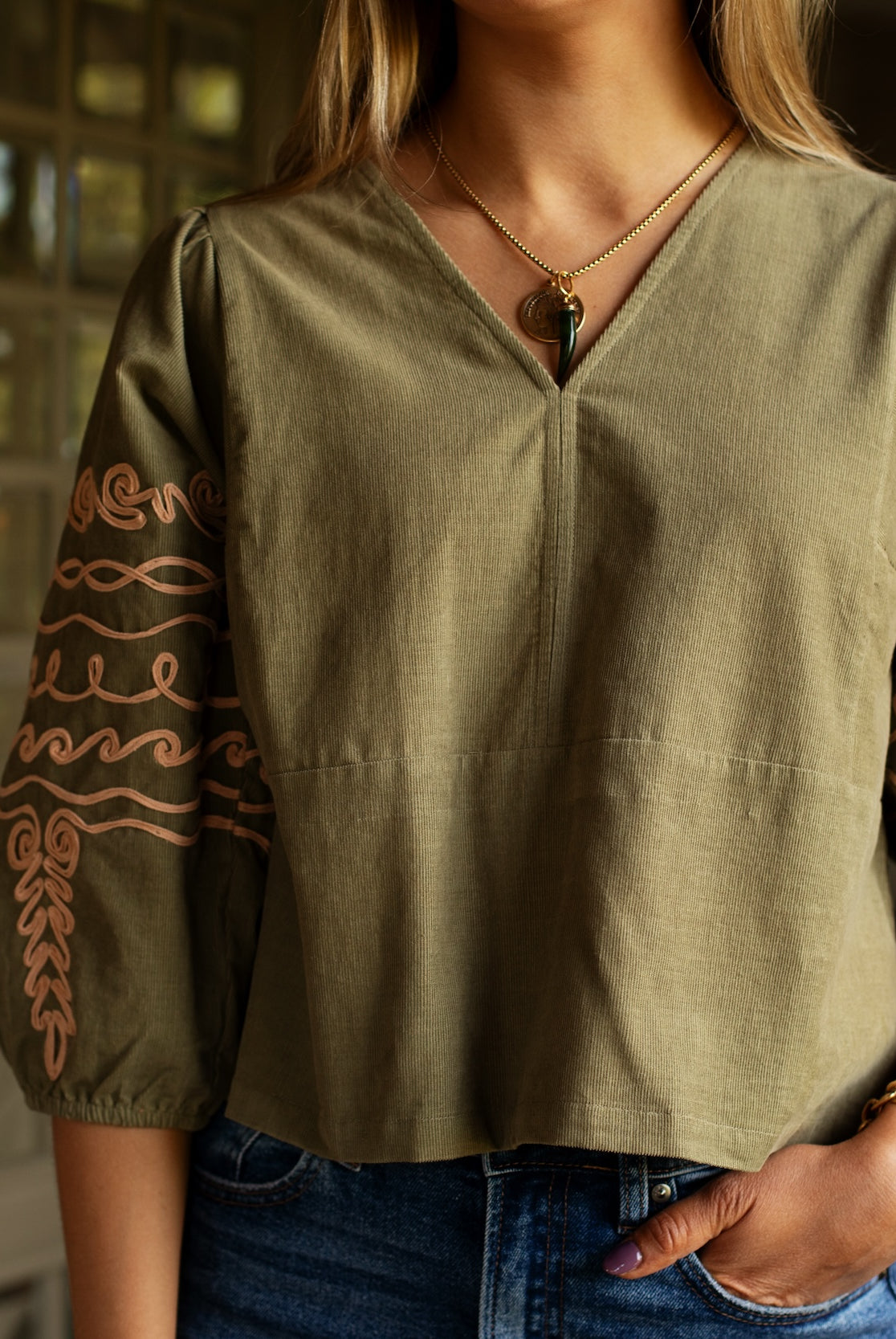
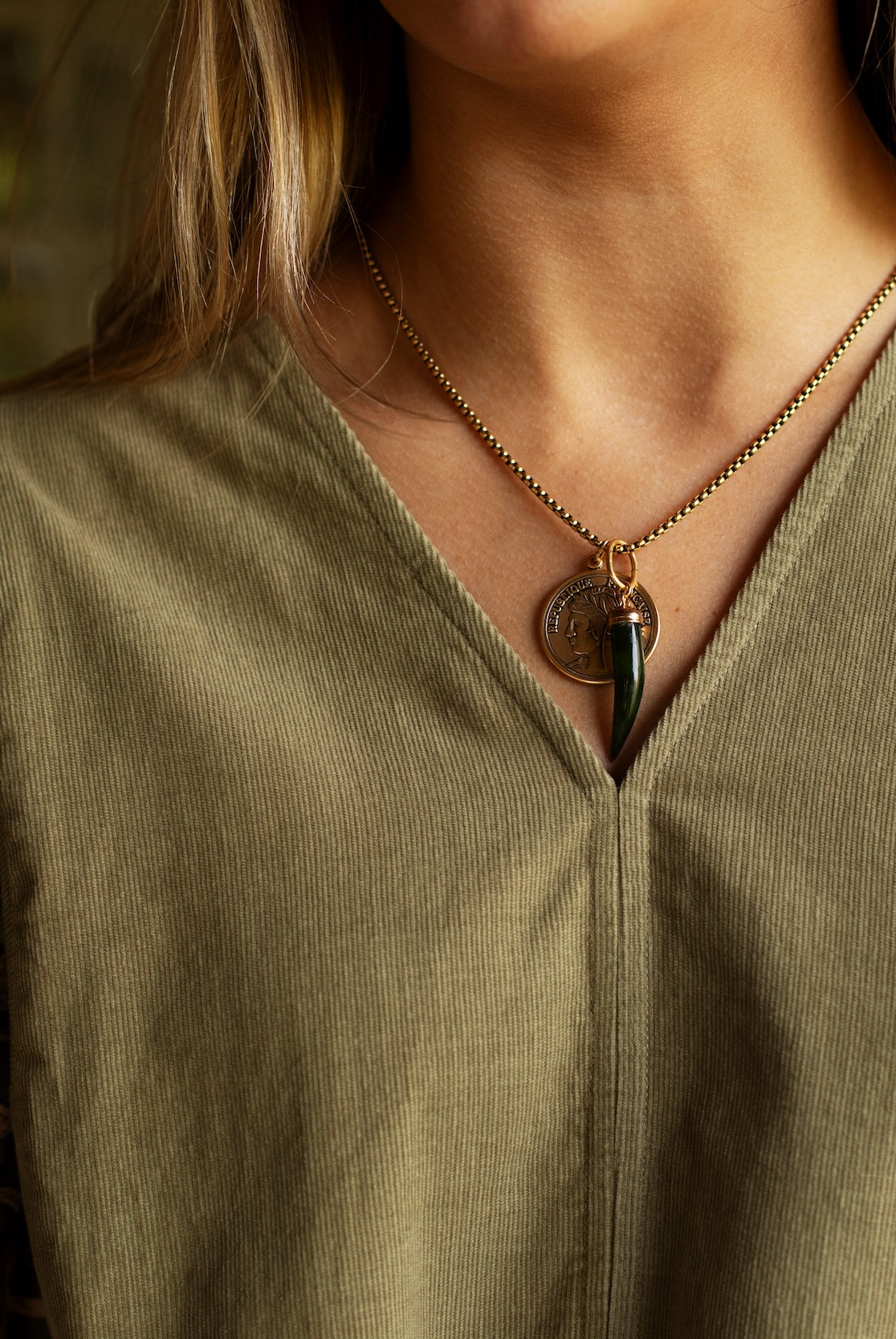
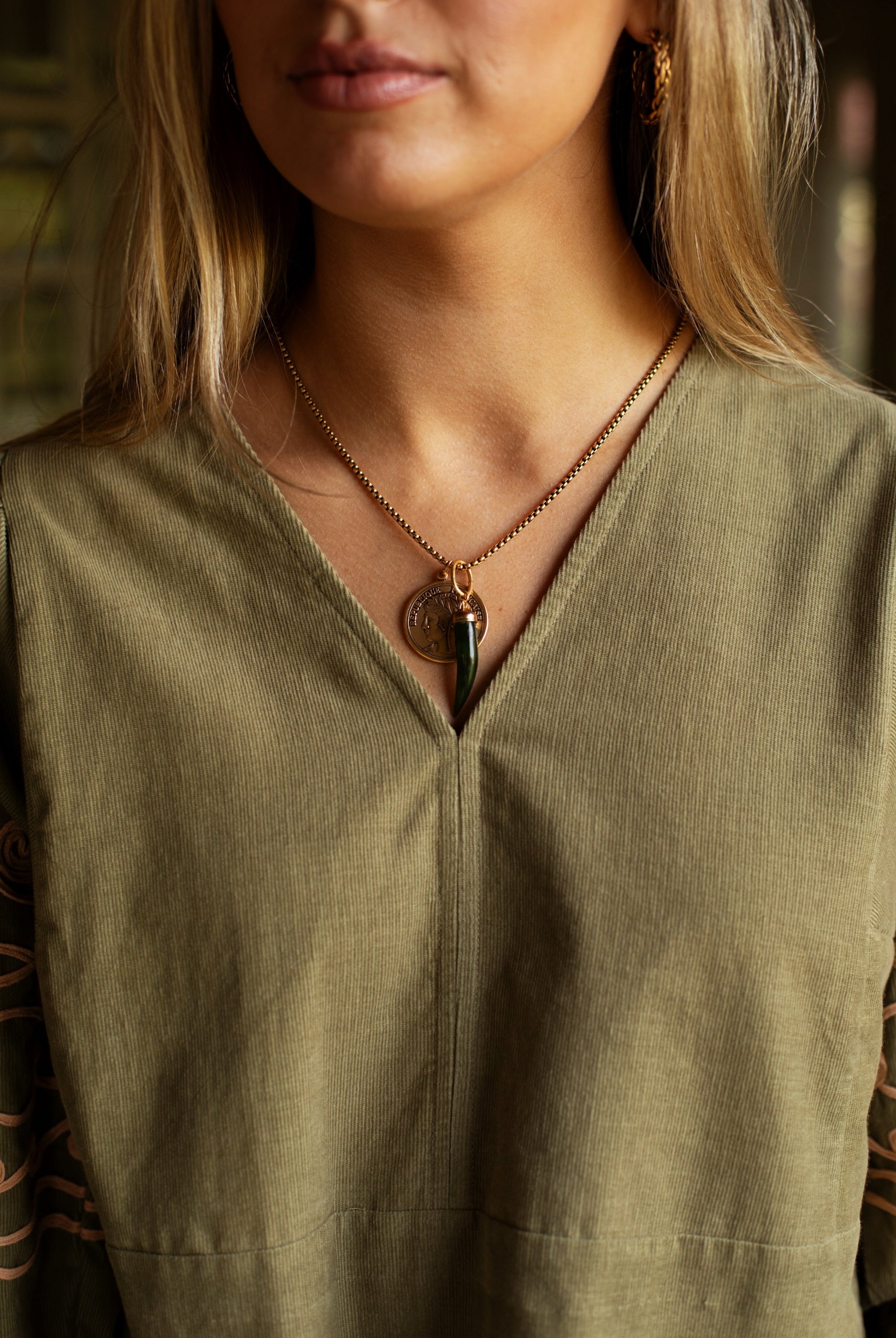
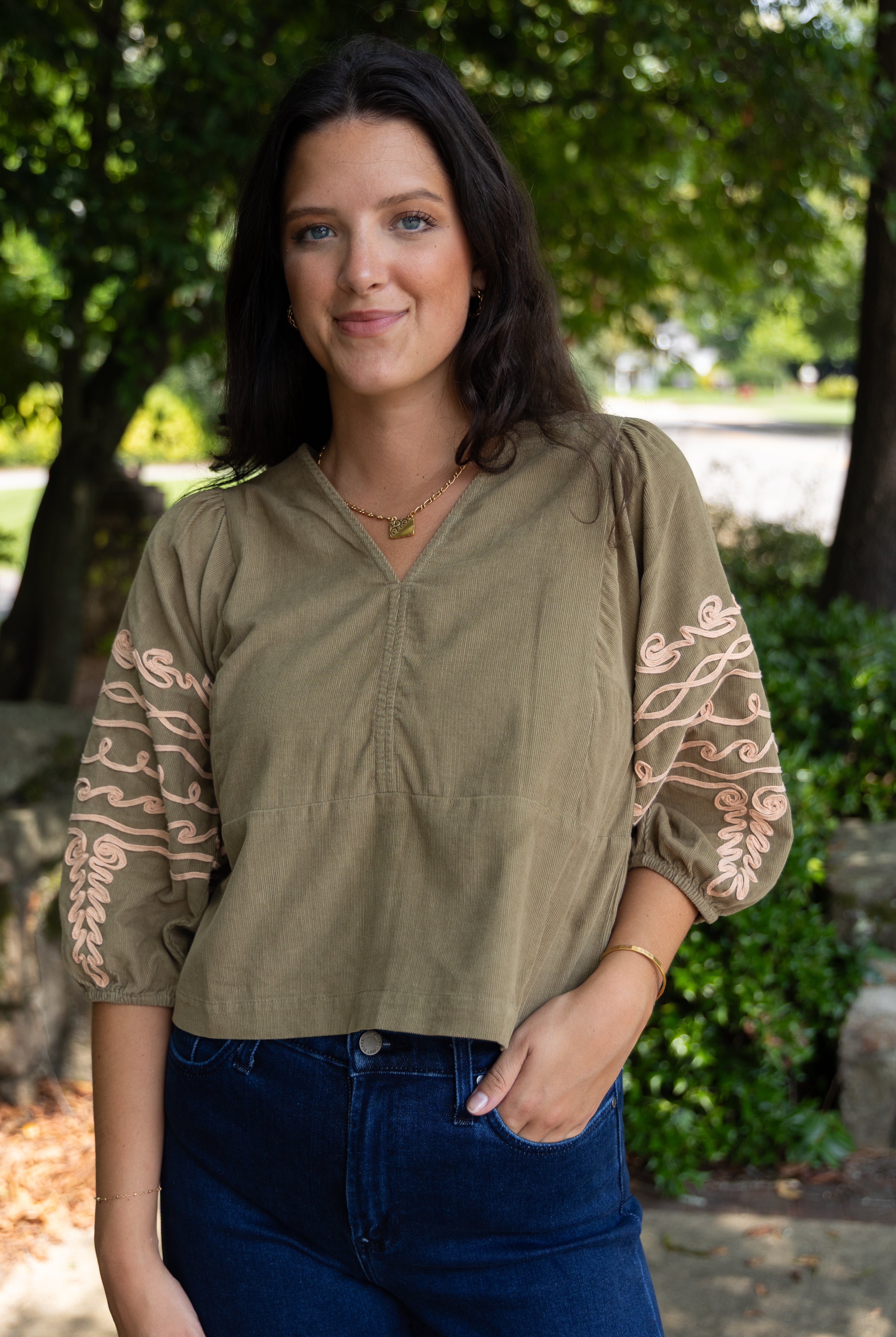
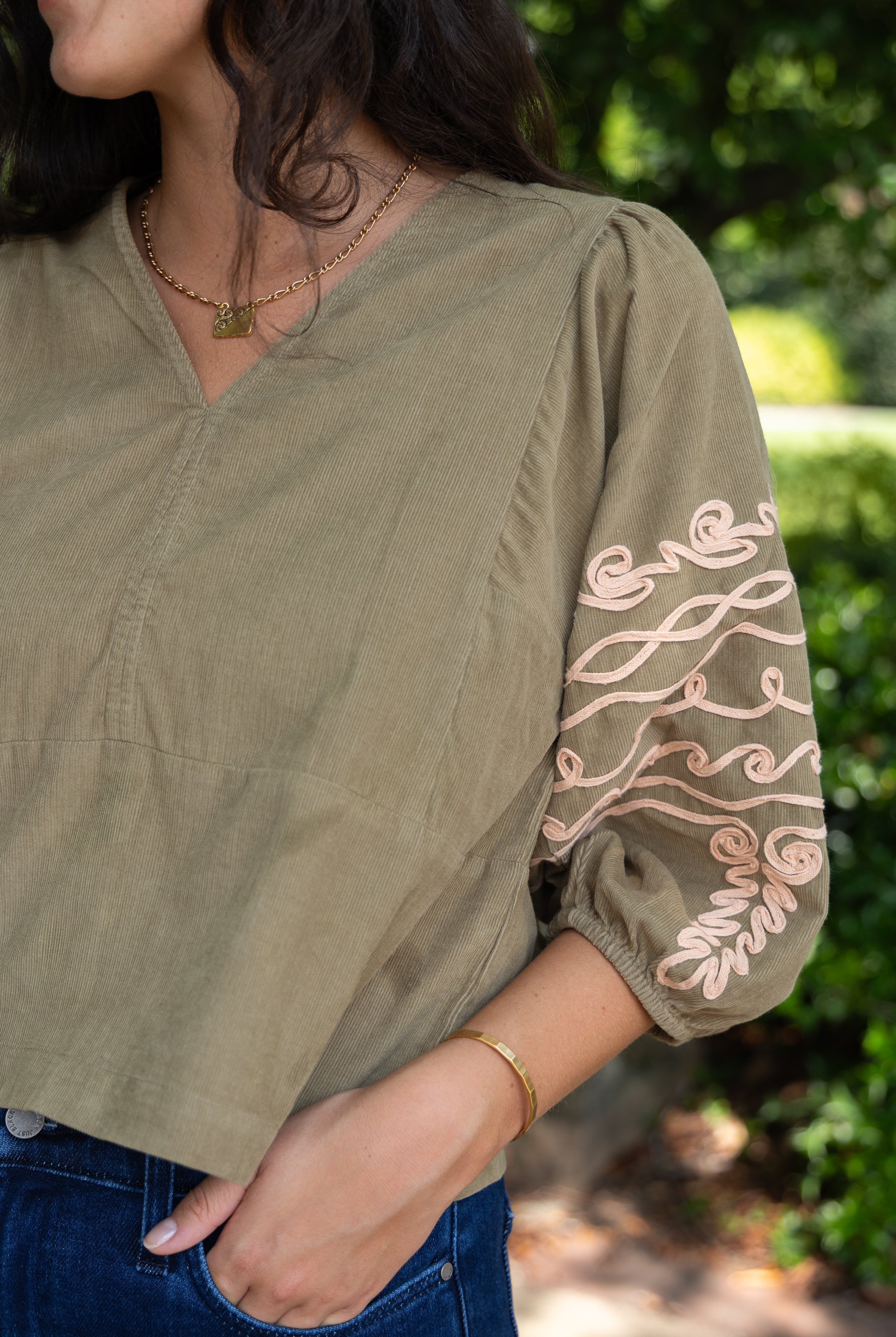
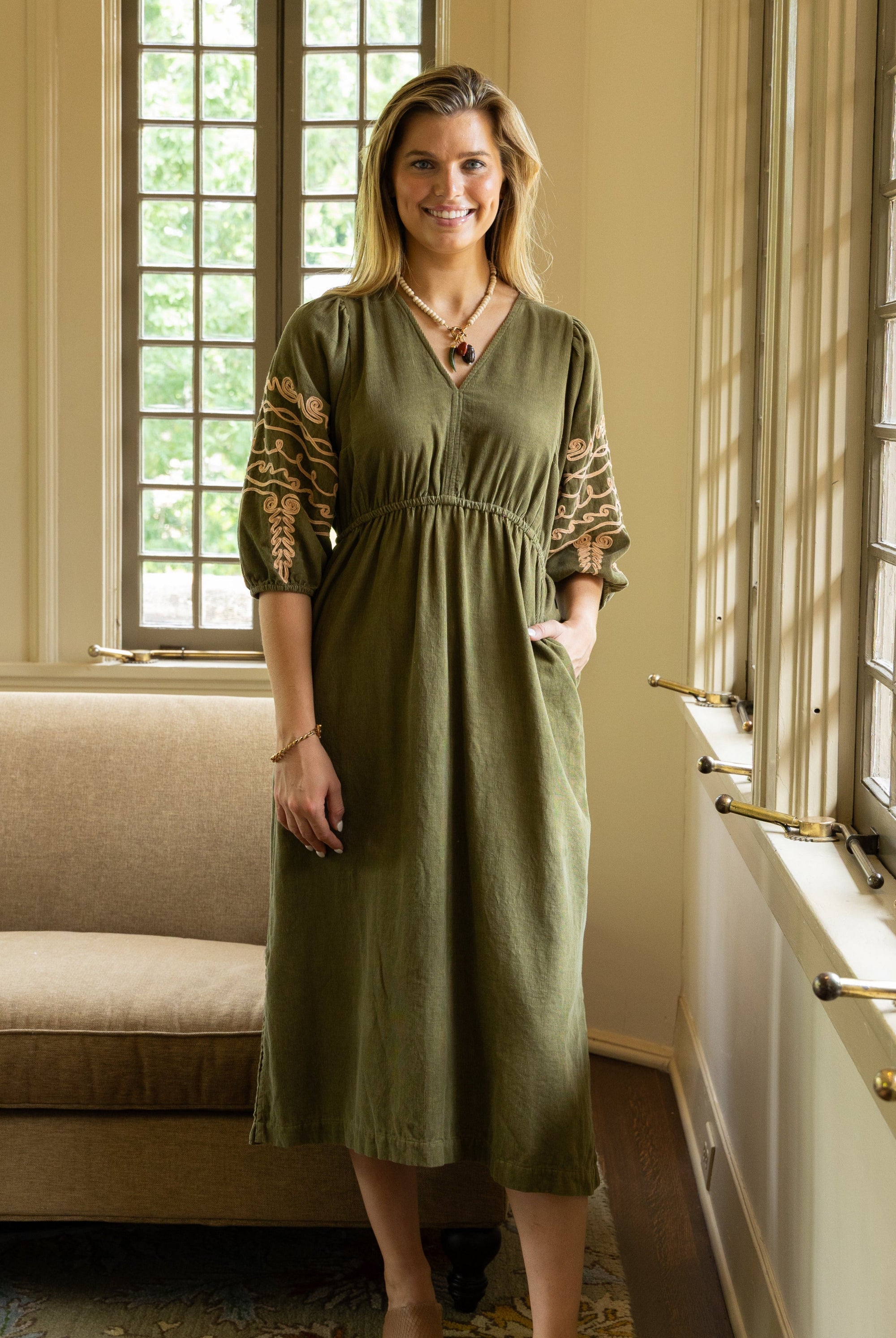
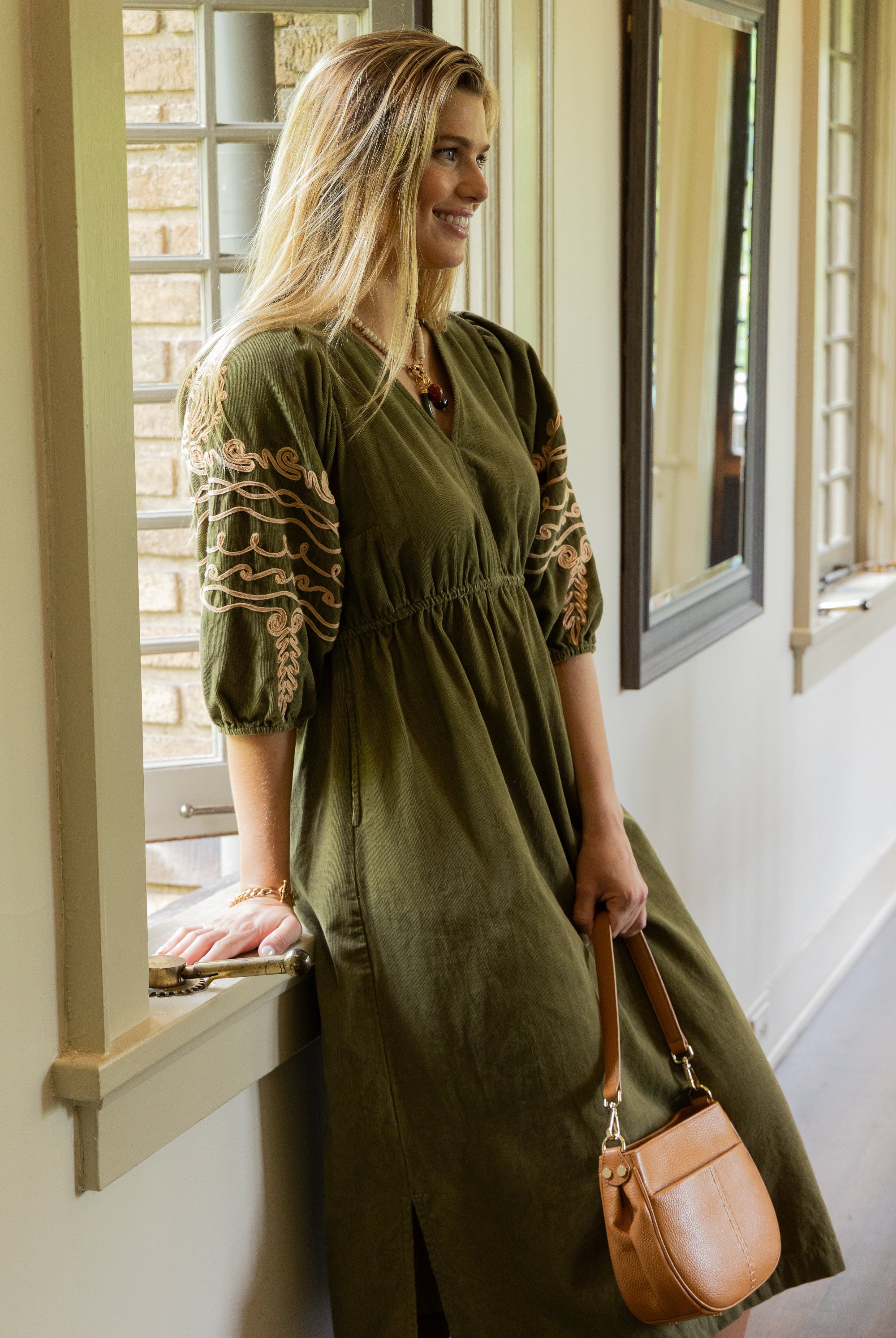
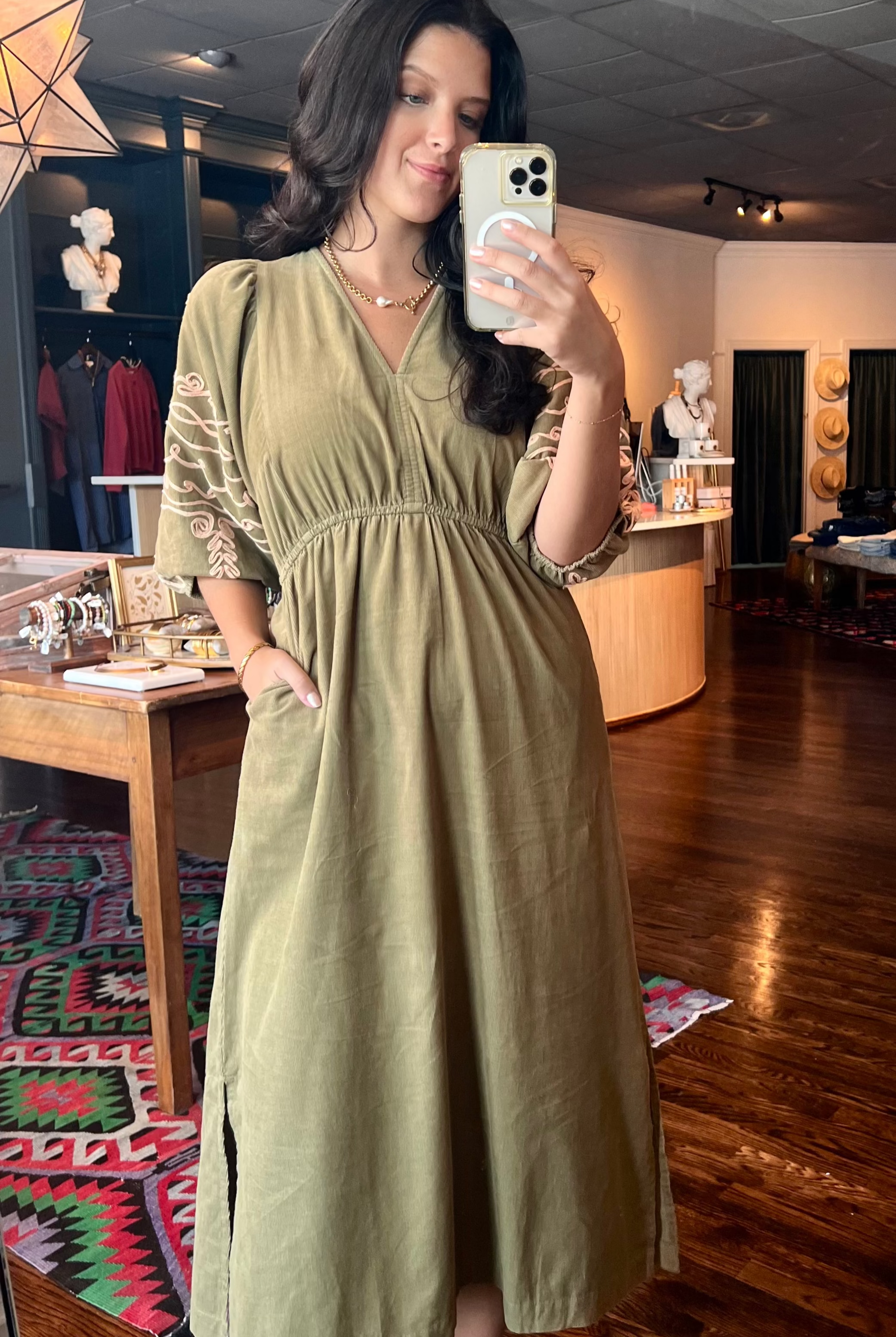
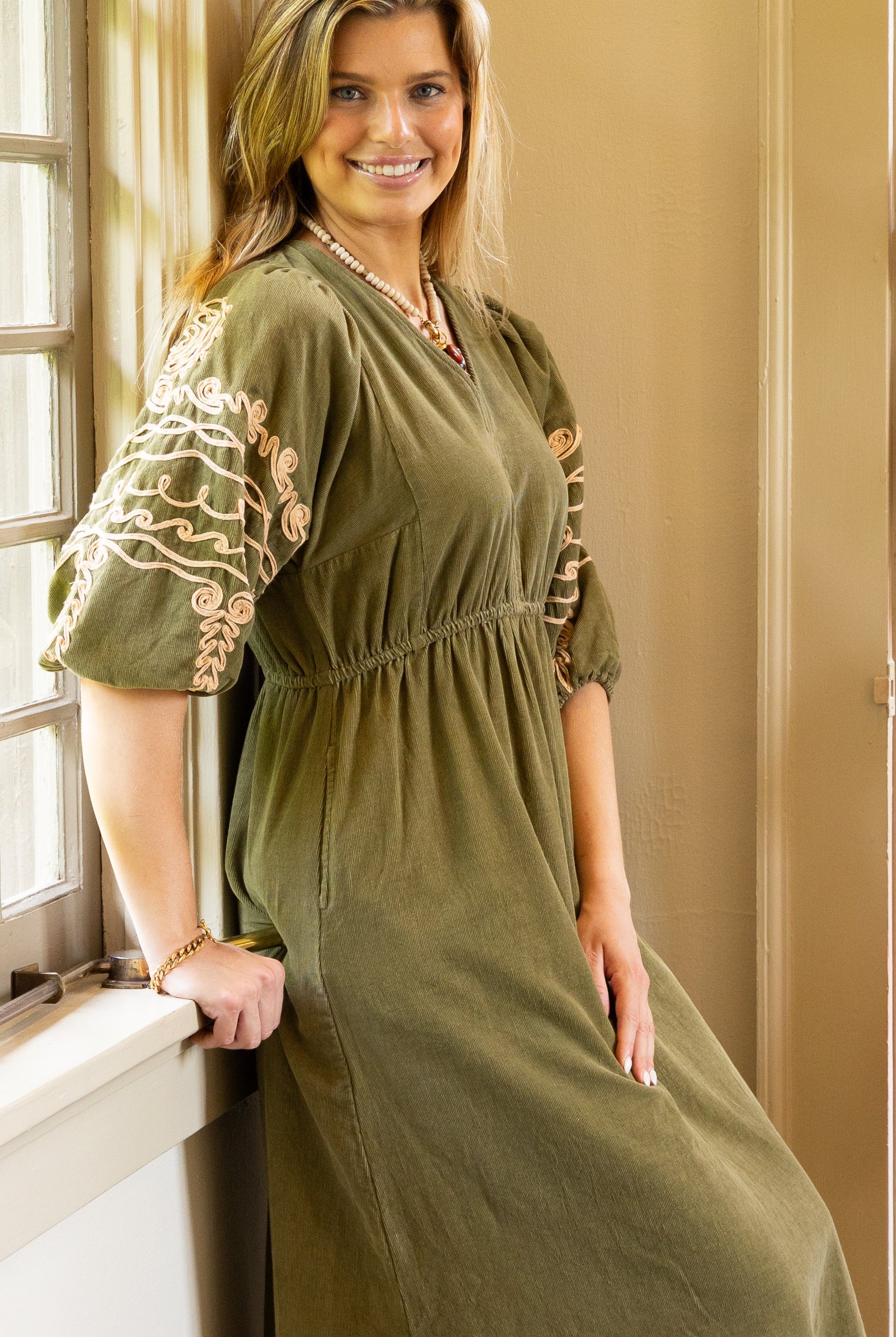
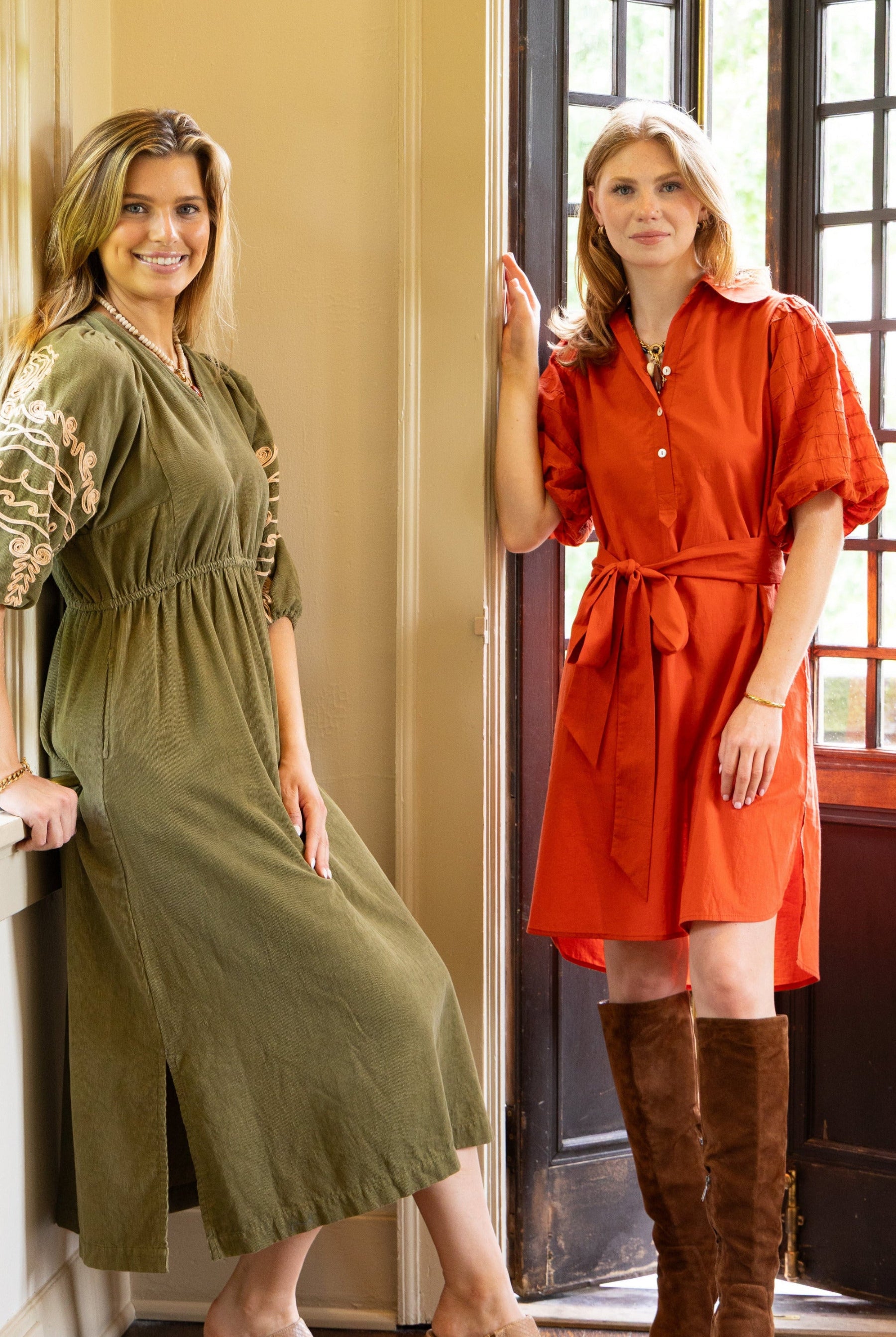
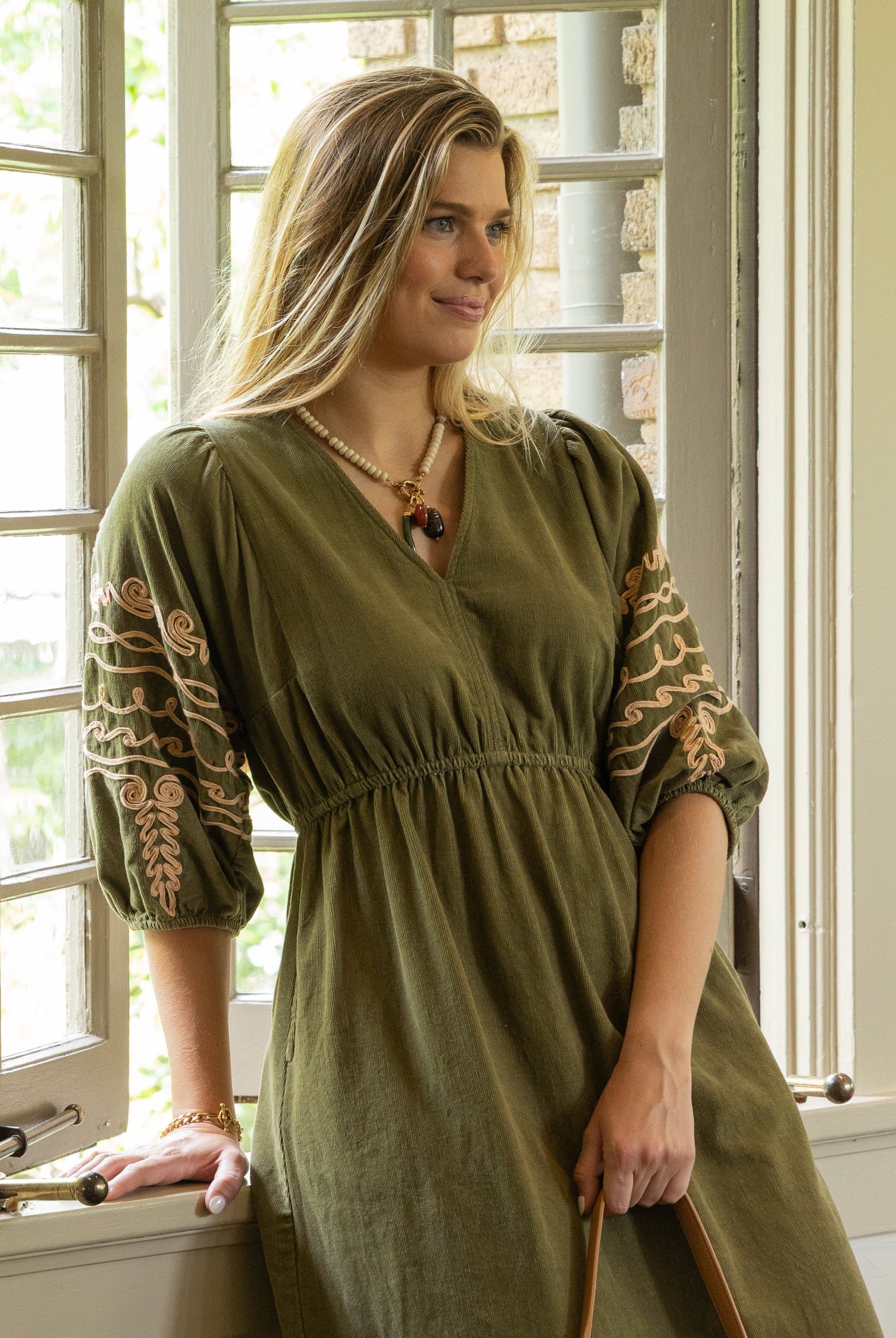
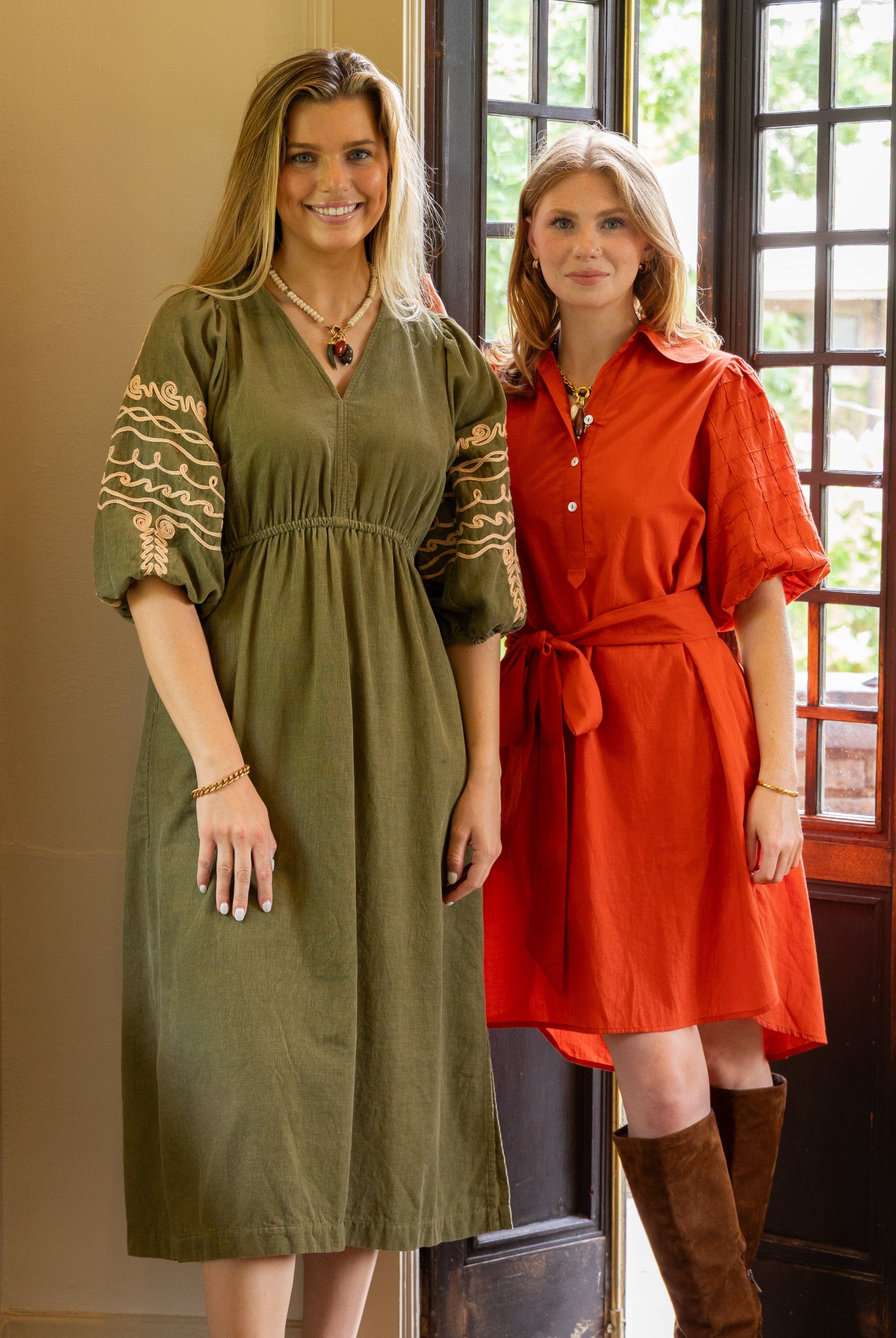
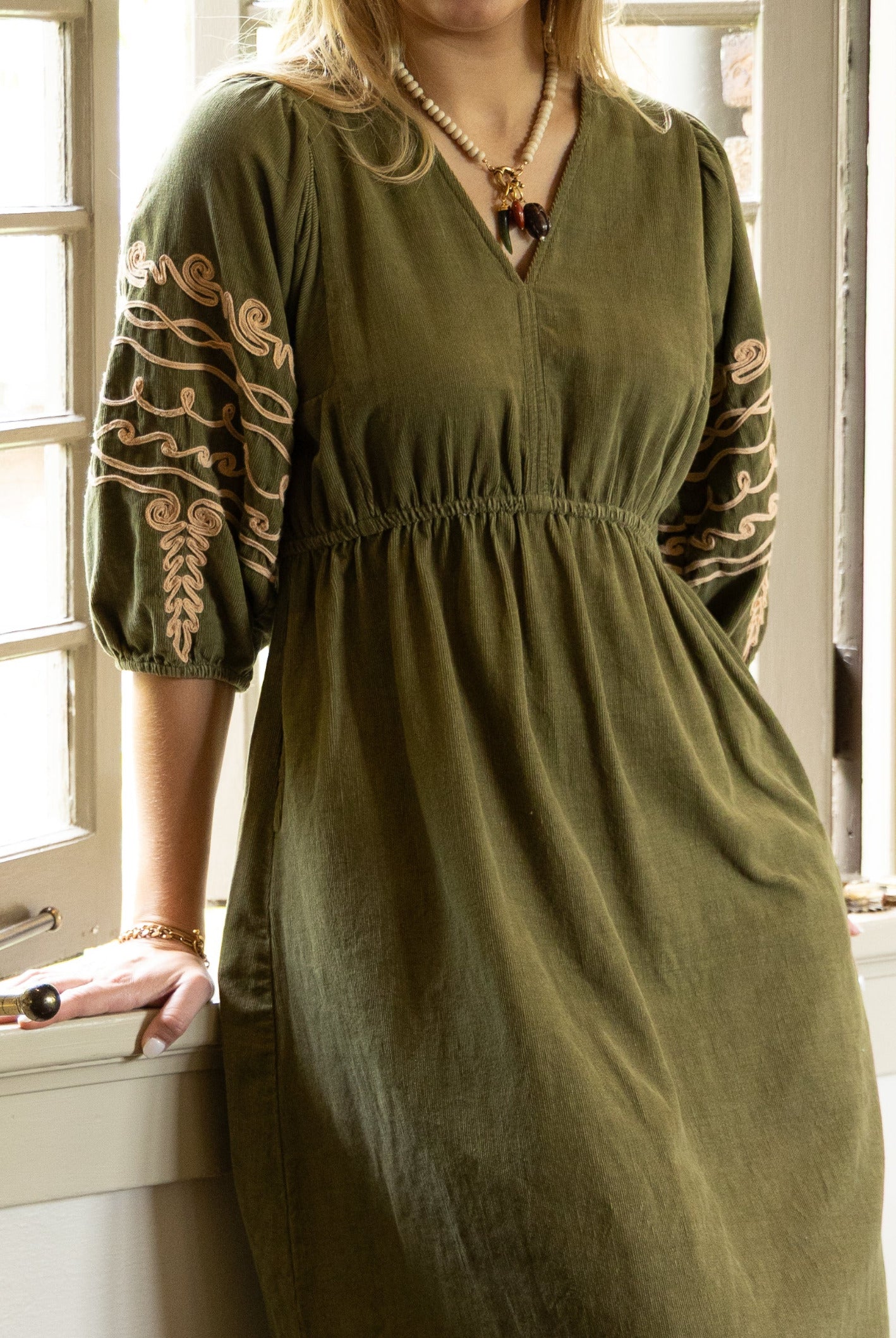
Most ExVoto apparel is made using natural fibers and traditional techniques — the same values behind everything we create, from our lead-free jewelry to our apparel. We work in linen, cotton, and other honest materials, brought to life through hand block printing, tie-dye, and embroidery techniques that have been practiced for generations. It's slower. It's less convenient. It's also the only way we know how to make something worth keeping.